Digital Marketing Templates

4.7from 280+ reviews Trusted by 20M+ businesses

Plan, execute, and measure every digital channel with ready-to-use templates built for real marketing teams.

WordEditable onlinePDF17+ digital marketing templates

Other Sales & Marketing categories

250K+Clients
20M+Free users
20+Years
190+Countries
10,000+Law firms
50M+Downloads

Trusted across review platforms

  • Capterra★★★★☆4.649 reviews
  • G2★★★★☆4.713 reviews
  • GetApp★★★★☆4.649 reviews
  • Google Play★★★★☆4.6179 ratings
  • Google Reviews★★★★☆4.567 reviews

Related categories

Frequently asked questions

What should a digital marketing plan include?
A digital marketing plan should include business objectives, target audience profiles, a channel mix with rationale, budget allocation by channel, a campaign calendar, KPIs for each channel, and a reporting cadence. Plans that skip the measurement section tend to lack accountability and are hard to optimize. A one-page summary for leadership plus a detailed working document for the team is a practical format for most businesses.
How is a digital marketing plan different from a marketing strategy?
A marketing strategy defines the long-term position — who you're targeting, what problem you solve, and how you differentiate from competitors. A digital marketing plan translates that strategy into specific channels, campaigns, budgets, and timelines for a defined period, typically a quarter or a year. Strategy answers "why and what"; the plan answers "how, when, and how much."
What metrics should I track in a digital marketing campaign?
The right metrics depend on the campaign goal. For awareness, track reach, impressions, and brand search volume. For lead generation, track cost per lead, landing page conversion rate, and form completions. For revenue campaigns, track return on ad spend (ROAS), customer acquisition cost (CAC), and revenue attributed. Tracking more than 5–6 metrics per campaign often creates noise rather than insight.
Do I need a separate agreement for each type of marketing partner?
Yes. An influencer, an affiliate, an agency, and a consultant each have a different commercial relationship — different deliverables, payment structures, IP considerations, and compliance requirements. A single generic contract typically fails to address the specifics of each relationship and can create disputes. Use the purpose-built agreement for each partner type.
How often should a digital marketing plan be updated?
Most teams review and adjust the plan quarterly and do a full rewrite annually. High-velocity businesses (e-commerce, SaaS) often review monthly. Any significant change in budget, market conditions, or business objectives should trigger an interim review regardless of the calendar schedule.
What is a marketing automation guide used for?
A marketing automation guide documents how a company's automation tools are configured — which triggers fire which emails, how lead scoring works, and what happens at each stage of the nurture funnel. It's both an operational reference for the marketing team and a knowledge-transfer document when staff changes occur.
Can small businesses benefit from digital marketing templates?
Yes. Small businesses often skip planning documents because they seem like overhead, but that's where they lose the most time — rebuilding context for every campaign. A simple digital marketing plan and campaign brief take 2–3 hours to complete and prevent weeks of misaligned effort. Templates reduce that setup time to under an hour.
What's the difference between a content marketing calendar and a campaign plan?
A content marketing calendar schedules individual content pieces — blog posts, social updates, emails, videos — across weeks or months. A campaign plan covers a single initiative from strategy to execution: audience, message, channels, budget, and success metrics. The calendar keeps content production on track day-to-day; the campaign plan ensures a specific initiative has a coherent strategy behind it.

Digital Marketing vs. related documents

Digital marketing plan vs. marketing plan

A marketing plan covers all marketing activity — including offline channels like print, events, and direct mail. A digital marketing plan focuses specifically on online channels: SEO, paid search, email, social, and content. Use a digital marketing plan when your activity is primarily online; use the broader marketing plan when offline spend is significant.

Marketing brief vs. campaign brief

A marketing brief is a strategic overview used to align stakeholders at the start of a project or engagement. A campaign brief is operational — it translates strategy into specific instructions for a single campaign. Write the marketing brief first; derive the campaign brief from it when execution begins.

Influencer agreement vs. affiliate marketing agreement

An influencer agreement governs a creator who produces and publishes sponsored content — payment is typically a flat fee or product. An affiliate marketing agreement governs a partner who drives traffic or sales and earns a commission on results. Use the influencer agreement for creative partnerships; use the affiliate agreement for performance-based referral programs.

Marketing agency agreement vs. marketing consulting agreement

A marketing agency agreement is for ongoing, managed-service relationships where the agency executes campaigns on your behalf. A marketing consulting agreement is for advisory or project-based engagements where the consultant provides expertise but your team does the execution. The agency agreement includes deliverables, ad spend authority, and reporting; the consulting agreement focuses on scope, findings, and recommendations.

Key clauses every Digital Marketing contains

Marketing documents — whether plans, briefs, or agreements — share a consistent set of structural components that define expectations and accountability.

  • Objectives and KPIs. States what success looks like in measurable terms: leads generated, cost per acquisition, conversion rate, or revenue attributed.
  • Target audience definition. Describes who the marketing is aimed at — typically using demographic, psychographic, and behavioral criteria.
  • Channel mix. Lists the specific digital channels (paid search, email, social, SEO, display) that will be used and why.
  • Budget allocation. Breaks spend by channel, campaign, or time period so decisions about resource trade-offs are explicit.
  • Timeline and milestones. Maps key dates — campaign launch, creative deadlines, reporting periods — so teams stay aligned.
  • Roles and responsibilities. Names who owns each deliverable, approval stage, or reporting function to prevent gaps.
  • Reporting and measurement cadence. Defines how often performance will be reviewed, what data will be pulled, and who receives the report.
  • Scope of work (for agreements). In agency and consultant agreements, specifies the exact services to be delivered and what falls outside the engagement.

How to write a digital marketing plan

A digital marketing plan turns business goals into a channel-by-channel action plan with budget, owners, and a way to measure what worked.

  1. 1

    Set measurable business objectives

    Start with 2–4 outcomes the business needs — leads, revenue, retention — and express each as a number with a deadline.

  2. 2

    Define your target audience

    Build audience profiles using real data: who buys, what they search for, which platforms they use, and what objections they raise.

  3. 3

    Audit your current digital presence

    Review existing channel performance — website traffic, email open rates, paid ROAS, social reach — to identify gaps and working tactics.

  4. 4

    Choose your channel mix

    Select 3–5 channels based on where your audience actually is and where your budget can drive measurable return.

  5. 5

    Allocate budget by channel

    Assign spend to each channel, distinguishing between fixed costs (tools, people) and variable costs (ad spend, content production).

  6. 6

    Build a content and campaign calendar

    Map campaigns, content pieces, and key dates to a calendar so the team knows what's launching and when.

  7. 7

    Define KPIs and reporting cadence

    Set the metrics that will be tracked for each channel and schedule weekly or monthly reviews to catch underperformance early.

  8. 8

    Assign owners and get sign-off

    Name a responsible person for every line item, then get leadership sign-off before spend begins.

At a glance

What it is
A digital marketing template is a pre-structured document that guides the planning, execution, or reporting of online marketing activity — from a full-year strategy to a single campaign brief. Templates save time by providing the right framework so teams can fill in details rather than build from scratch.
When you need one
Any time you're launching a campaign, setting a budget, briefing an agency, or building an email sequence and need a consistent, professional starting point that won't be forgotten under pressure.

Which Digital Marketing do I need?

The right template depends on whether you're setting strategy, running a specific channel, managing a budget, or formalizing a relationship with an external partner. Match your situation below.

Your situation
Recommended template

Building a company-wide digital marketing strategy from scratch

Covers goals, channels, audiences, and KPIs in a single structured document.

Planning a specific product launch or promotional campaign

Scopes a single campaign: objectives, tactics, budget, and timeline.

Briefing an internal or external team on a campaign

Captures audience, message, deliverables, and deadlines in one page.

Setting and tracking the marketing budget for the year

Breaks spend by channel with actuals-vs-planned tracking built in.

Planning and scheduling content across platforms

Maps content types, channels, dates, and owners in a single calendar view.

Designing an automated email nurture or onboarding sequence

Outlines email cadence, triggers, copy goals, and conversion actions.

Hiring an influencer to promote a product or service

Defines deliverables, usage rights, compensation, and FTC disclosure requirements.

Engaging a marketing agency for outsourced channel management

Sets scope, fees, reporting cadence, and IP ownership with the agency.

Glossary

Digital marketing plan
A document that translates business objectives into channel-specific online marketing activities, budgets, and timelines.
Campaign brief
A short operational document that communicates the objectives, audience, message, deliverables, and deadline for a single marketing campaign.
KPI (Key Performance Indicator)
A specific, measurable metric used to evaluate whether a marketing activity is achieving its intended outcome.
Channel mix
The combination of digital marketing channels — email, paid search, social, SEO, display — selected for a given strategy or campaign.
Marketing automation
Software-driven execution of repetitive marketing tasks — email sends, lead scoring, audience segmentation — based on predefined rules and triggers.
ROAS (Return on Ad Spend)
Revenue generated for every dollar spent on advertising, calculated as revenue divided by ad spend.
Content marketing calendar
A scheduling tool that maps content pieces, formats, publication dates, and responsible owners across a defined time period.
Affiliate marketing agreement
A contract between a business and a partner who earns commission for referring customers or generating sales.
Influencer agreement
A contract governing a sponsored content relationship with a creator, covering deliverables, usage rights, compensation, and disclosure obligations.
Marketing funnel
A model describing the stages a prospective customer moves through — awareness, consideration, conversion, retention — and the marketing activities appropriate at each stage.
Email marketing sequence
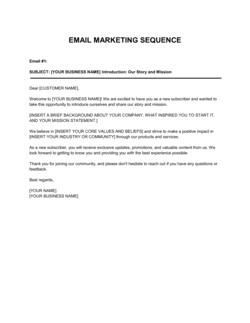
A pre-planned series of automated emails sent to a contact based on a trigger, such as a sign-up or purchase, with each email designed to move the recipient toward a specific action.

What is a digital marketing template?

A digital marketing template is a pre-structured document — a plan, brief, guide, calendar, or agreement — designed to help businesses plan and execute online marketing activity without starting from a blank page. Templates cover the full marketing workflow: setting strategy, briefing campaigns, scheduling content, measuring performance, and formalizing relationships with agencies, influencers, and affiliates.

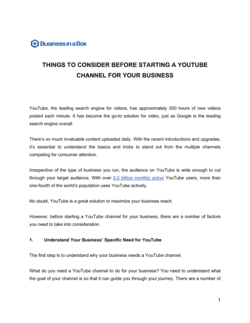
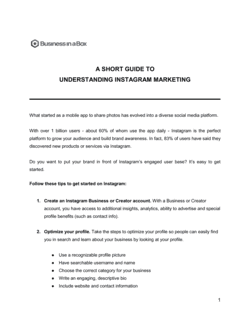
Digital marketing encompasses every channel where audiences spend time online: search engines, email, social media, paid advertising, and content platforms. Each channel has its own planning and measurement logic, which is why a well-organized template library includes both high-level strategy documents and channel-specific operational guides. The templates in this folder span both levels — from a full digital marketing plan down to an email subject line guide or an Instagram marketing reference.

When you need a digital marketing template

The need for a structured marketing document typically surfaces at a transition point: a new financial year, a product launch, a new hire, or the decision to bring on an agency. Without a template, teams reinvent the format every time — spending hours on structure rather than strategy.

Common triggers:

  • Starting the annual marketing planning cycle and needing a consistent format across teams
  • Launching a new product, promotion, or campaign and briefing stakeholders on the plan
  • Onboarding a new marketing hire who needs documented processes and channel guides
  • Engaging an outside agency, consultant, influencer, or affiliate for the first time
  • Setting up an email nurture sequence and needing a cadence framework before writing copy
  • Auditing current channel performance and needing a structured reporting format
  • Scaling content production across multiple platforms and needing a shared calendar

Skipping structured documentation doesn't eliminate the planning work — it just moves it into meetings, Slack threads, and rework cycles. A 30-minute investment in a campaign brief or a digital marketing plan prevents misaligned creative, overspent budgets, and campaigns that no one can evaluate after the fact. The templates in this folder provide the structure; your team brings the strategy.

Award-winning platform

  • Great Place to Work 2025
  • BIG Award — Product of the Year 2025
  • Smartest Companies 2025
  • Global 100 Excellence 2026
  • Best of the Best 2025

Create your document in 3 simple steps.

From template to signed document — all inside one Business Operating System.
1
Download or open template

Access over 3,000+ business and legal templates for any business task, project or initiative.

2
Edit and fill in the blanks with AI

Customize your ready-made business document template and save it in the cloud.

3
Save, Share, Send, Sign

Share your files and folders with your team. Create a space of seamless collaboration.

Save time, save money, and create top-quality documents.

★★★★★

"Fantastic value! I'm not sure how I'd do without it. It's worth its weight in gold and paid back for itself many times."

Managing Director · Mall Farm
Robert Whalley
Managing Director, Mall Farm Proprietary Limited
★★★★★

"I have been using Business in a Box for years. It has been the most useful source of templates I have encountered. I recommend it to anyone."

Business Owner · 4+ years
Dr Michael John Freestone
Business Owner
★★★★★

"It has been a life saver so many times I have lost count. Business in a Box has saved me so much time and as you know, time is money."

Owner · Upstate Web
David G. Moore Jr.
Owner, Upstate Web

Run your business with a system — not scattered tools

Stop downloading documents. Start operating with clarity. Business in a Box gives you the Business Operating System used by over 250,000 companies worldwide to structure, run, and grow their business.

Free Forever Plan · No credit card required