- Express Consent
- A subscriber's clear, affirmative opt-in to receive marketing emails — typically via a checked (not pre-checked) checkbox with a plain-language description of what they are signing up for.
- Implied Consent
- Permission to send marketing emails inferred from an existing business relationship, such as a recent purchase — recognized under CASL but not sufficient under GDPR.
- Opt-Out Mechanism
- A functional, clearly labeled method — such as an unsubscribe link — allowing a subscriber to stop receiving emails at any time, required by CAN-SPAM, CASL, and GDPR.
- Drip Campaign
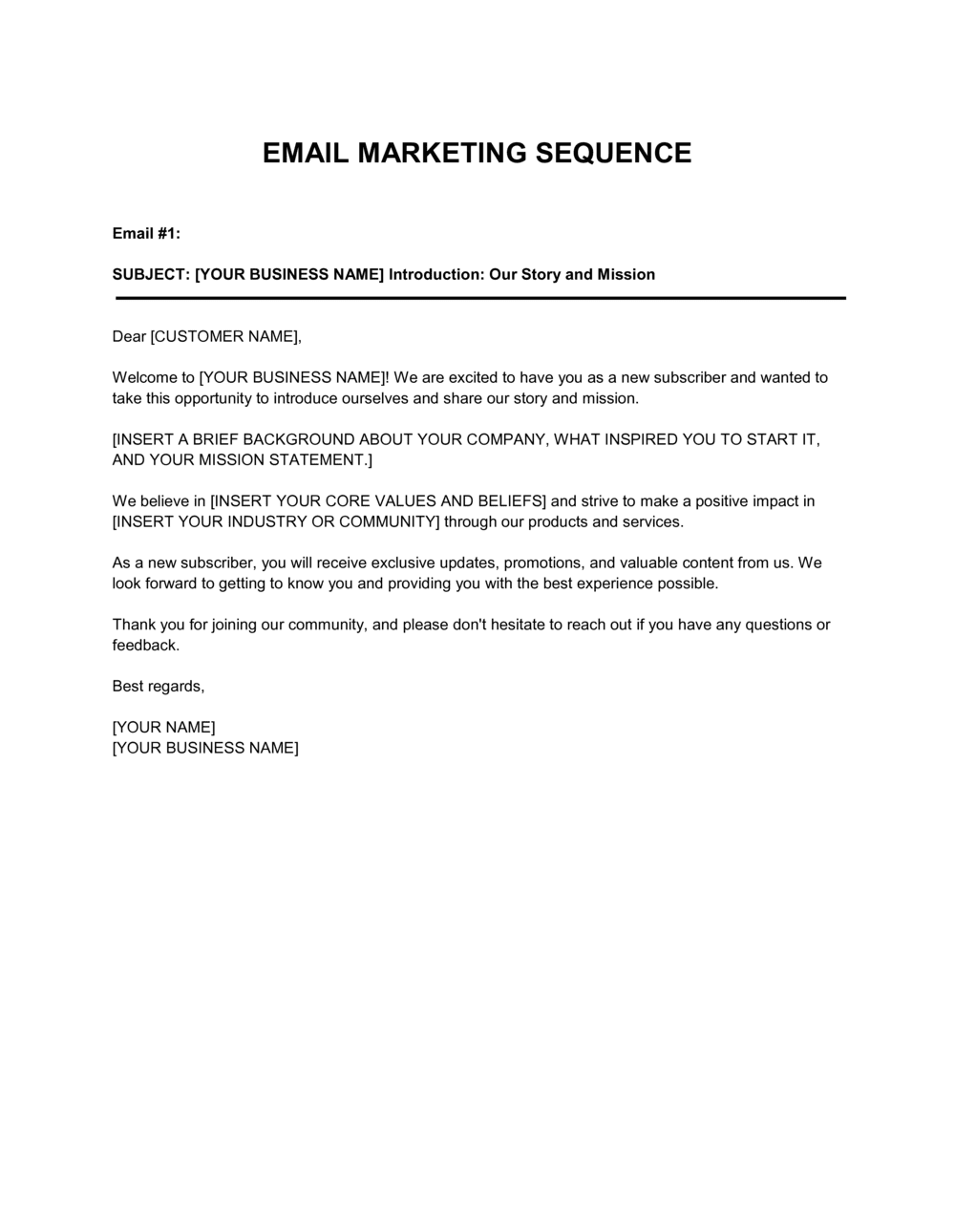
- A pre-scheduled series of marketing emails sent to subscribers in a fixed sequence over a defined period, triggered by sign-up or a specific subscriber action.
- CAN-SPAM Act
- The US federal law governing commercial email, requiring accurate sender identification, a physical mailing address, no deceptive subject lines, and a working opt-out mechanism honored within 10 business days.
- CASL (Canada's Anti-Spam Legislation)
- Canadian federal law requiring express or implied consent before sending commercial electronic messages, with strict record-keeping and unsubscribe obligations.
- GDPR (General Data Protection Regulation)
- EU regulation requiring freely given, specific, informed, and unambiguous consent before processing personal data for marketing purposes, with rights of erasure and data portability.
- Data Processor
- A third-party entity — such as an email service provider like Mailchimp or Klaviyo — that processes subscriber personal data on behalf of the data controller.
- Suppression List
- A maintained record of email addresses that have unsubscribed or opted out, used to ensure those contacts are never re-added to active marketing sequences.
- Sender Policy Framework (SPF)
- A DNS-based email authentication method that verifies the sending server is authorized to send emails on behalf of the domain, reducing the risk of spoofing and spam filtering.
- Transactional Email
- An email triggered by a specific user action — such as a purchase receipt or password reset — that is distinct from marketing emails and generally exempt from anti-spam consent requirements.