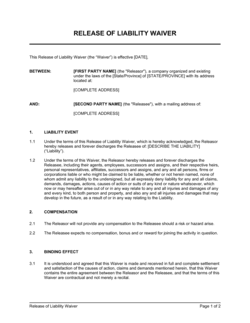
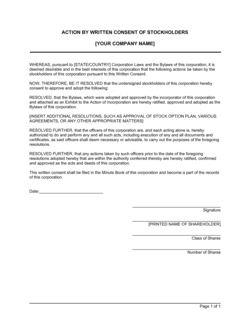
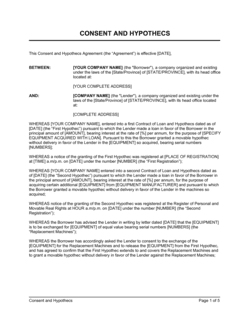
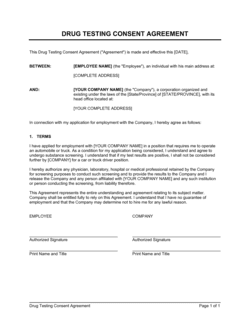
- Waiver
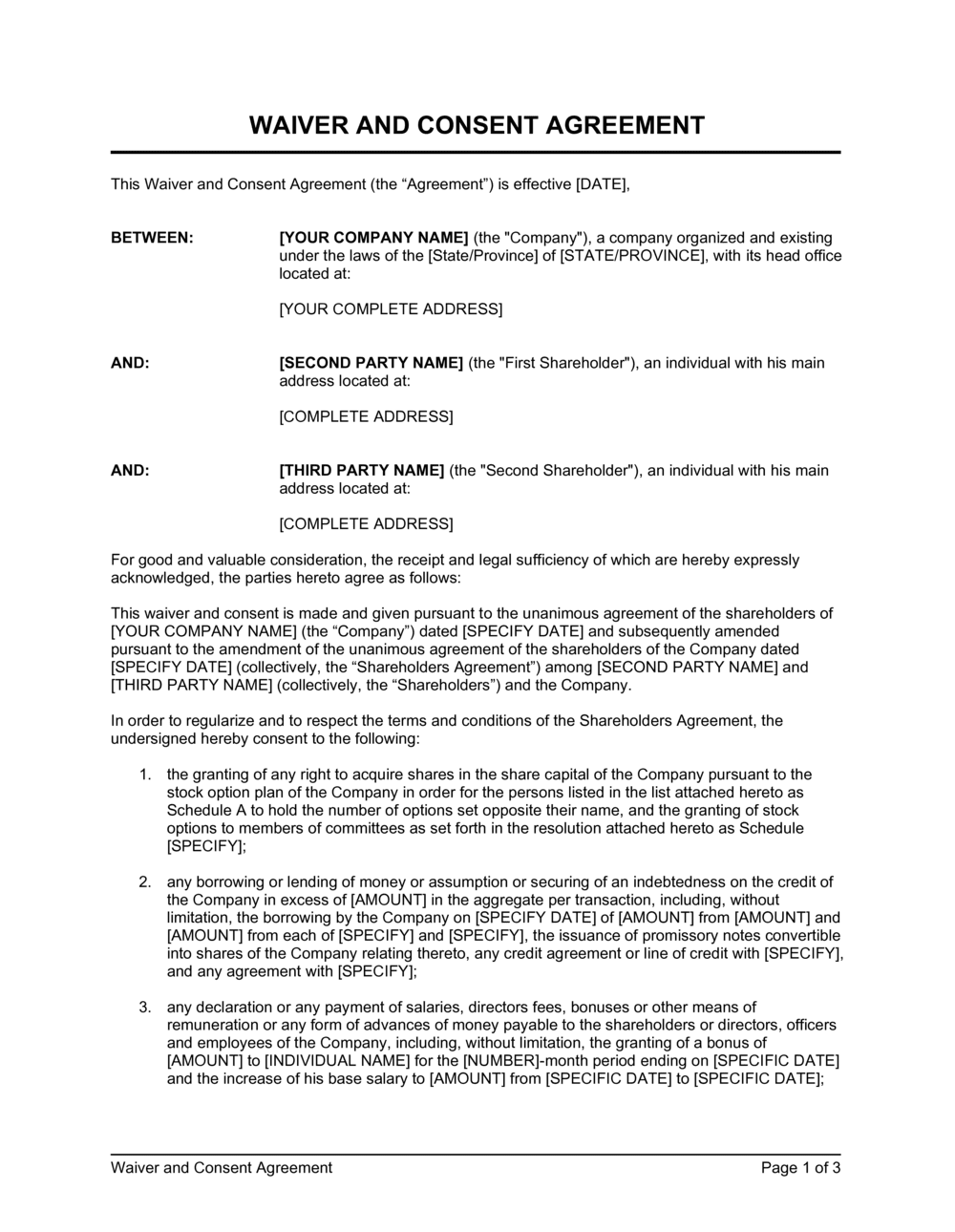
- The voluntary, intentional surrender of a known legal right or claim — once given, the waiving party generally cannot assert that right in litigation.
- Consent
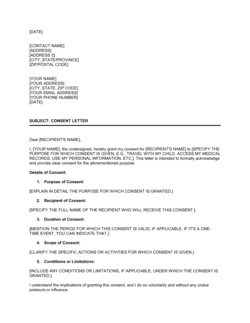
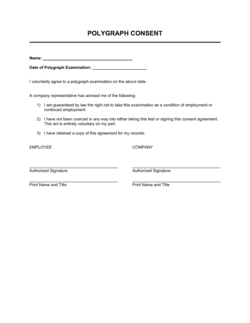
- A participant's informed, voluntary agreement to undergo an activity, procedure, or service after being presented with material information about its risks.
- Release of Liability
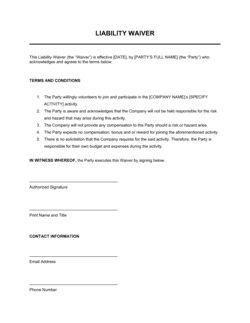
- A contractual provision absolving a specified party from legal responsibility for harm or loss arising from defined activities or conditions.
- Indemnification
- An obligation by one party to compensate another for losses, damages, or legal costs that arise from specified events — effectively shifting financial risk.
- Hold-Harmless Clause
- A provision stating that one party will not hold the other responsible for claims, injuries, or damages arising from the covered activity.
- Assumption of Risk
- The legal doctrine under which a participant acknowledges awareness of inherent dangers and agrees that injuries from those dangers are the participant's own responsibility.
- Inherent Risk
- A danger that is an unavoidable, integral element of an activity — such as the possibility of falling during rock climbing — as distinct from risks created by negligence.
- Gross Negligence
- A severe, reckless disregard for another's safety that goes far beyond ordinary carelessness — courts in most jurisdictions will not enforce a waiver that purports to release gross negligence.
- Consideration
- Something of value exchanged between parties to make a contract enforceable — for a waiver, consideration is typically the permission to participate in an activity.
- Capacity
- The legal ability to enter a binding contract — minors and individuals under mental incapacity lack contractual capacity, requiring a parent or guardian to sign on their behalf.
- Severability
- A clause stating that if any provision of the document is found unenforceable, the remaining provisions continue in full force.