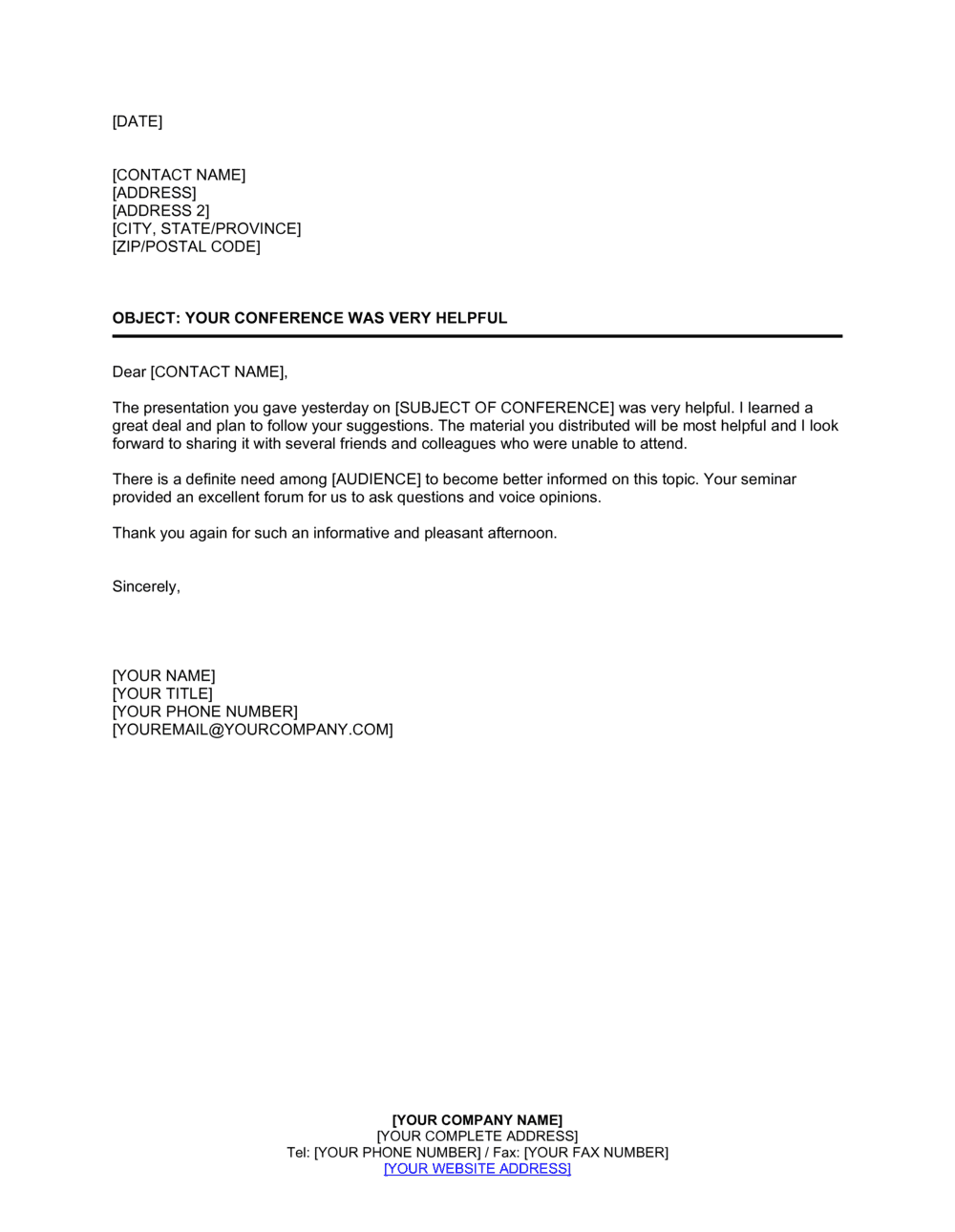
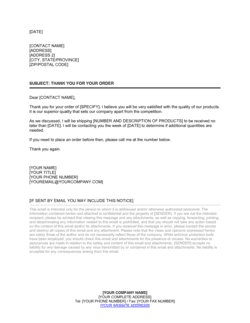
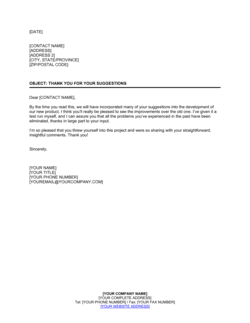
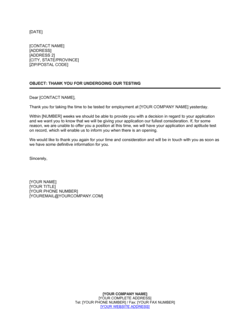
The Presentation You Gave Was Very Helpful Template

Free Word download β€’ Edit online β€’ Save & share with Drive β€’ Export to PDF

1 pageβ€’15–25 min to fillβ€’Difficulty: Standard
Learn more ↓
FreeThe Presentation You Gave Was Very Helpful Template

At a glance

What it is
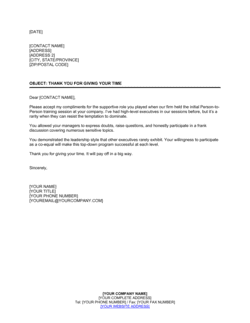
A Thank You Letter for a Helpful Presentation is a formal written letter sent to a presenter, speaker, or trainer after their session to express genuine appreciation for the quality and usefulness of their delivery. This free Word download gives you a ready-to-edit structure you can personalize in minutes and send by email or post.
When you need it
Use it within 48 hours of attending a presentation, seminar, workshop, or training session when you want to acknowledge the presenter's effort, reference specific takeaways, and leave the door open for future collaboration or speaking engagements.
What's inside
A professional greeting, an opening expression of thanks, specific references to the content and its practical impact, acknowledgment of the presenter's preparation and delivery, and a forward-looking closing that invites continued connection.

What is a Thank You Letter for a Helpful Presentation?

A Thank You Letter for a Helpful Presentation is a formal written letter sent to a presenter, speaker, or trainer after their session to express genuine, specific appreciation for the quality and usefulness of their delivery. Unlike a brief email reply or a verbal thanks at the door, this letter names concrete takeaways from the content, describes the practical impact on the recipient's work or organization, and acknowledges the preparation and expertise the presenter brought to the room. It functions as both a professional courtesy and a relationship-building tool β€” the kind of correspondence a speaker or trainer remembers because it demonstrates they were genuinely heard.

Why You Need This Document

Failing to follow up after a valuable presentation is a missed opportunity on two fronts. For the recipient, it leaves the interaction closed β€” a one-time event with no professional thread connecting it to future collaboration, speaking invitations, or resource sharing. For the presenter, it means their effort goes unacknowledged in any lasting way, reducing the likelihood they will prioritize your organization or event in the future. A well-written thank-you letter with specific content references and a clear statement of impact takes under 15 minutes to complete and carries disproportionate professional weight precisely because so few people send one. This template gives you the structure to do it right β€” in the correct format, at the right length, and with every component a quality letter requires.

Which variant fits your situation?

If your situation is…Use this template
Thanking a keynote speaker after a large conference or industry eventThank You Letter for Keynote Speaker
Acknowledging an internal employee who delivered a team training sessionEmployee Recognition Letter
Thanking a guest lecturer who presented at a university or academic settingThank You Letter for Guest Speaker
Following up after a vendor or supplier product demonstrationThank You Letter for Product Demonstration
Expressing appreciation after a job interview presentation or candidate pitchThank You Letter After Interview
Thanking a workshop facilitator who led an interactive training sessionThank You Letter for Workshop Facilitator
Requesting the same presenter for a future event or speaking engagementSpeaker Invitation Letter

Common mistakes to avoid

❌ Sending a generic, non-specific letter

Why it matters: A letter with no specific content references reads as a form letter and conveys no genuine appreciation. Presenters who receive dozens of these recognize them immediately and find them meaningless.

Fix: Name at least two specific points from the presentation β€” a framework, a statistic, or a specific example the presenter used β€” and explain why each one was relevant to your situation.

❌ Waiting more than a week to send the letter

Why it matters: A thank-you letter sent two weeks after the event feels obligatory rather than genuine. The impact of a timely note diminishes rapidly after 48–72 hours.

Fix: Send the letter within one to two business days. If the session was on a Friday, send by the following Monday morning.

❌ Addressing the letter to the wrong name or title

Why it matters: A misspelled name or incorrect title signals careless preparation β€” exactly the opposite impression a thank-you letter should create.

Fix: Verify the presenter's name, title, and organization against the event program, their website, or their LinkedIn profile before finalizing.

❌ Omitting a forward-looking close

Why it matters: A letter that ends after the thank-you misses the opportunity to turn a single interaction into a professional relationship with ongoing value for both parties.

Fix: Add one sentence that invites a next step β€” sharing slides, a follow-up call, or a future speaking invitation β€” appropriate to the nature of the engagement.

The 9 key clauses, explained

Sender and recipient details

In plain language: Establishes who is writing and who is receiving the letter, including full names, titles, organizations, and addresses.

Sample language
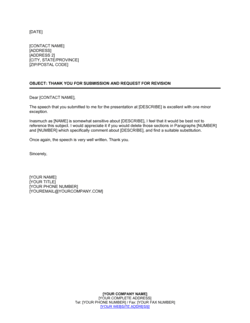
[YOUR FULL NAME] [YOUR TITLE], [YOUR ORGANIZATION] [DATE] [PRESENTER FULL NAME] [PRESENTER TITLE], [PRESENTER ORGANIZATION] [ADDRESS]

Common mistake: Addressing the letter to a job title rather than the individual's name. A generic 'Dear Presenter' signals the letter was not written specifically for them.

Reference line (optional)

In plain language: A brief subject line identifying the presentation being referenced, which helps the recipient match the letter to a specific engagement, especially if they present frequently.

Sample language
Re: [PRESENTATION TITLE] β€” [EVENT NAME], [DATE]

Common mistake: Omitting the reference line when the presenter speaks at many events. Without it, they may not immediately recall which presentation the letter refers to.

Opening expression of thanks

In plain language: The first paragraph states the purpose of the letter clearly and directly β€” thanking the presenter for their session without delay.

Sample language
Dear [PRESENTER TITLE] [LAST NAME], I am writing to express my sincere appreciation for the presentation you delivered on [DATE] at [EVENT / VENUE]. Your time and preparation were evident throughout, and the session proved genuinely valuable to everyone in attendance.

Common mistake: Burying the thank-you behind two sentences of context. State the appreciation in the first sentence β€” the presenter should not have to read past the opening paragraph to understand the letter's purpose.

Specific content reference

In plain language: Names one or two specific points, insights, or examples from the presentation that resonated, demonstrating the writer paid close attention and that the feedback is sincere.

Sample language
In particular, your explanation of [SPECIFIC TOPIC OR TECHNIQUE] gave our team a clear framework we had not previously considered. The example you used regarding [SPECIFIC EXAMPLE] made the concept immediately applicable to our own situation.

Common mistake: Using only vague praise like 'very informative' or 'very engaging.' Specific references are what distinguish a genuine thank-you from a form letter.

Statement of practical impact

In plain language: Describes how the presentation has already influenced the recipient's work, thinking, or plans β€” connecting the presenter's effort to a concrete outcome.

Sample language
As a direct result of your session, we have begun [SPECIFIC ACTION OR CHANGE]. We anticipate this will [EXPECTED OUTCOME] by [TIMEFRAME], and your presentation was the catalyst for that decision.

Common mistake: Describing vague future intentions rather than current actions. 'We will consider your points' is far less compelling than 'We have already implemented X.'

Acknowledgment of preparation and delivery

In plain language: Recognizes the effort, expertise, and skill the presenter brought to the session β€” covering both content quality and delivery style.

Sample language
The clarity of your delivery, the quality of your supporting materials, and your willingness to answer questions thoroughly all reflected a high standard of preparation. It is clear that [PRESENTER NAME] brings both deep expertise and genuine enthusiasm for [SUBJECT AREA].

Common mistake: Focusing only on content and ignoring delivery. Presenters invest significant time in how they communicate, not just what they say β€” acknowledging both makes the appreciation more complete.

Audience or organizational impact

In plain language: Briefly notes how the wider group or organization β€” not just the letter writer β€” benefited from the presentation.

Sample language
Our [TEAM / ORGANIZATION / ATTENDEES] left the session with a shared vocabulary and a clear direction on [TOPIC]. Feedback from colleagues following the event was uniformly positive, with several noting it as one of the most practical sessions they had attended this year.

Common mistake: Writing only from the personal perspective and omitting the broader audience response. Showing collective impact carries more weight for a speaker who presented to a group.

Forward-looking close and call to action

In plain language: Closes the letter with a warm, forward-looking statement that either invites future collaboration, requests access to materials, or expresses hope for a future engagement.

Sample language
We would be delighted to welcome you back for a future session as our work in [AREA] evolves. In the meantime, if you are open to sharing your presentation slides or any supplementary materials, we would find them a valuable reference. Please do not hesitate to reach out should there be any way we can be of assistance to you.

Common mistake: Ending the letter abruptly with only a sign-off. A forward-looking sentence turns a one-time thank-you into the start of an ongoing professional relationship.

Complimentary close and signature

In plain language: The sign-off phrase and the sender's name, title, and contact information β€” matched in formality to the rest of the letter.

Sample language
With appreciation, [YOUR FULL NAME] [YOUR TITLE] [YOUR ORGANIZATION] [YOUR EMAIL] | [YOUR PHONE]

Common mistake: Using an overly casual sign-off like 'Cheers' or 'Thanks again' in a formal letter context. Match the close to the tone established in the body.

How to fill it out

  1. 1

    Add your contact details and the date

    Enter your full name, title, organization, and the current date at the top of the letter. Include your email and phone number so the presenter can respond easily.

    πŸ’‘ Send within 48 hours of the presentation while the session is fresh in both parties' minds β€” the sooner it arrives, the more impact it carries.

  2. 2

    Fill in the presenter's details and reference line

    Enter the presenter's full name, title, and organization. Add a reference line identifying the presentation title, event name, and date so they can place your letter immediately.

    πŸ’‘ Double-check the presenter's title and organization spelling β€” errors here signal you did not take time to verify basic details.

  3. 3

    Write the opening thank-you paragraph

    State your thanks clearly in the first sentence. Name the presentation and event so the opening paragraph stands alone as a complete expression of gratitude.

    πŸ’‘ Avoid starting with 'I' β€” rephrase to 'Thank you for…' or 'It was a privilege to…' for a more polished opening.

  4. 4

    Reference two or three specific content points

    Name concrete insights, examples, or techniques from the presentation. Write a sentence on why each one resonated or was new information for your context.

    πŸ’‘ Review your notes from the session before writing this section β€” specificity is the single most important signal of sincerity.

  5. 5

    Describe the practical impact on your work

    Explain what has changed or will change as a result of the presentation. Reference a specific action, decision, or plan that traces back to the session.

    πŸ’‘ Quantify the impact where possible β€” 'we are applying this to our Q3 planning cycle' is more compelling than 'we found it very useful.'

  6. 6

    Add the forward-looking close and call to action

    Invite the presenter to share their materials, express interest in future collaboration, or propose a follow-up conversation β€” whatever is appropriate to the relationship and context.

    πŸ’‘ Keep the call to action to one clear request. Multiple asks dilute the focus and reduce the chance of any one being acted on.

  7. 7

    Choose the right sign-off and add your signature block

    Select a complimentary close that matches the formality of the relationship. Add your full name, title, organization, and contact details below.

    πŸ’‘ For email delivery, paste the letter text into the email body rather than attaching a document β€” it reads immediately and is more likely to be opened.

Frequently asked questions

What should a thank-you letter for a presentation include?

A strong thank-you letter for a presentation includes a formal greeting, a direct opening expression of thanks, specific references to content from the session, a statement of how the presentation has or will impact your work, acknowledgment of the presenter's preparation and delivery, and a forward-looking close that invites continued connection or requests materials. Generic praise without specific references reads as a form letter and carries little weight.

How soon should I send a thank-you letter after a presentation?

Send it within 48 hours of the presentation β€” the same day or the following morning is ideal. A prompt thank-you signals that the session genuinely made an impression. Letters sent more than a week after the event often feel obligatory rather than sincere, and the presenter may have already moved on to other engagements by the time it arrives.

Should I send a thank-you letter by email or post?

Email is appropriate for most professional contexts and ensures the letter arrives quickly. A printed letter sent by post carries additional weight for senior executives, renowned speakers, or situations where you want the gesture to stand out. In either case, write it as a formal letter rather than a casual email β€” the structure signals that the appreciation is considered and deliberate.

How long should a thank-you letter for a presentation be?

One page is the standard length β€” roughly three to five short paragraphs. Long enough to include two or three specific content references and a forward-looking close, but concise enough to respect the presenter's time. A letter that runs beyond one page risks burying the core message in unnecessary content.

Can I use this template to thank an internal colleague who presented?

Yes. Adjust the tone to reflect the existing relationship β€” a slightly warmer register is appropriate for a colleague than for an external speaker you are meeting for the first time. You may also shorten the formal address block for internal communications, but retaining the structure of specific takeaways and practical impact makes even an internal thank-you more meaningful.

Is it appropriate to ask for the presenter's slides in a thank-you letter?

Yes, and many presenters appreciate the explicit request because it confirms engagement with their material. Frame it as a natural extension of the appreciation rather than the primary purpose of the letter β€” place the request in the forward-looking closing paragraph after the substantive thanks have been expressed.

How is a thank-you letter for a presentation different from a general appreciation letter?

A thank-you letter for a presentation is specifically structured around content references, practical impact, and the presenter's preparation and delivery β€” elements that are unique to the speaking context. A general appreciation letter covers broader contributions or relationships. The presentation-specific format gives the recipient actionable feedback they can use to refine future sessions, not just a warm feeling.

Should the letter mention other attendees' reactions?

Including a brief reference to the audience's response adds credibility and demonstrates that the value extended beyond the letter writer alone. One or two sentences noting that colleagues or team members shared positive feedback β€” or that the session generated subsequent discussion β€” reinforces the impact without requiring you to speak on behalf of specific individuals in detail.

How this compares to alternatives

vs Thank You Letter After Interview

A post-interview thank-you is written by a job candidate to an interviewer and focuses on reaffirming interest in the role and reiterating qualifications. A presentation thank-you is written by an audience member or organizer to a speaker and focuses on specific content takeaways and their professional impact. The audience, purpose, and tone of each letter are distinct.

vs Speaker Invitation Letter

A speaker invitation letter is sent before an event to request a presenter's participation, covering logistics, topic, and compensation. A thank-you letter for a helpful presentation is sent after the event to express appreciation. They serve opposite ends of the same speaker relationship β€” invitation opens it, the thank-you sustains it.

vs Employee Recognition Letter

An employee recognition letter is an internal document acknowledging a staff member's contribution to the organization, often tied to performance or a specific achievement. A presentation thank-you is typically sent to an external presenter or a colleague in a professional-peer context. The recognition letter carries organizational authority; the presentation thank-you is a professional courtesy between equals.

vs General Appreciation Letter

A general appreciation letter covers a broad range of contributions β€” ongoing support, a referral, or a long-term working relationship. A thank-you letter for a helpful presentation is structured specifically around a single event, referencing content, delivery, and practical impact. The presentation-specific format is more actionable feedback for the recipient than a general expression of gratitude.

Industry-specific considerations

Professional Services

Law firms, consulting practices, and accounting firms use this letter to maintain relationships with expert witnesses, industry thought leaders, and continuing-education presenters whose referral value extends beyond the single session.

Corporate Training and Development

HR and L&D teams use this letter to close the feedback loop with external trainers, reinforce the value of the engagement internally, and build the vendor relationship for future training contracts.

Higher Education

Faculty, department heads, and student organizations use this letter to thank guest lecturers and visiting scholars, often referencing course-specific takeaways and inviting the speaker to return for future terms.

Associations and Nonprofits

Conference and event committees use this letter to follow up with volunteer speakers, reinforcing speaker satisfaction and increasing the likelihood of future participation without a speaking fee.

Template vs pro β€” what fits your needs?

PathBest forCostTime
Use the templateAnyone needing a professional, sincere thank-you letter ready to send in under 15 minutesFree10–15 minutes
Template + professional reviewOrganizations sending letters to high-profile speakers or keynotes where tone and brand voice matter$50–$150 for a communications professional review1–2 hours
Custom draftedInstitutions commissioning a personalized letter as part of a formal speaker-recognition program or award$150–$400 for a professional writer1–2 days

Glossary

Formal Salutation
The opening greeting in a professional letter, using the recipient's title and last name β€” e.g., 'Dear Dr. [NAME]' β€” rather than a casual first-name address.
Specific Takeaway
A concrete point, insight, or technique from the presentation that the letter writer can name explicitly, demonstrating they were genuinely engaged.
Complimentary Close
The sign-off phrase before the sender's name, such as 'Sincerely,' 'With appreciation,' or 'Best regards,' calibrated to the formality of the relationship.
Call to Action
A sentence near the end of the letter that proposes a next step β€” sharing materials, scheduling a follow-up call, or extending a future speaking invitation.
Reference Line
An optional line below the date that identifies the subject of the letter β€” e.g., 'Re: [PRESENTATION TITLE], [DATE]' β€” useful when the recipient receives correspondence from many parties.
Tone Calibration
Adjusting the warmth and formality of the letter language to match the relationship β€” a known colleague warrants a warmer tone than a first-time external speaker.
Actionable Feedback
A brief, positive note on what worked particularly well in the presentation, giving the presenter information they can use in future engagements.
Future Collaboration Language
Phrasing that keeps the professional door open without making a commitment β€” e.g., 'We hope to have the opportunity to work together again.'

Part of your Business Operating System

This document is one of 3,000+ business & legal templates included in Business in a Box.

  • Fill-in-the-blanks β€” ready in minutes
  • 100% customizable Word document
  • Compatible with all office suites
  • Export to PDF and share electronically

Create your document in 3 simple steps.

From template to signed document β€” all inside one Business Operating System.
1
Download or open template

Access over 3,000+ business and legal templates for any business task, project or initiative.

2
Edit and fill in the blanks with AI

Customize your ready-made business document template and save it in the cloud.

3
Save, Share, Send, Sign

Share your files and folders with your team. Create a space of seamless collaboration.

Save time, save money, and create top-quality documents.

β˜…β˜…β˜…β˜…β˜…

"Fantastic value! I'm not sure how I'd do without it. It's worth its weight in gold and paid back for itself many times."

Managing Director Β· Mall Farm
Robert Whalley
Managing Director, Mall Farm Proprietary Limited
β˜…β˜…β˜…β˜…β˜…

"I have been using Business in a Box for years. It has been the most useful source of templates I have encountered. I recommend it to anyone."

Business Owner Β· 4+ years
Dr Michael John Freestone
Business Owner
β˜…β˜…β˜…β˜…β˜…

"It has been a life saver so many times I have lost count. Business in a Box has saved me so much time and as you know, time is money."

Owner Β· Upstate Web
David G. Moore Jr.
Owner, Upstate Web

Run your business with a system β€” not scattered tools

Stop downloading documents. Start operating with clarity. Business in a Box gives you the Business Operating System used by over 250,000 companies worldwide to structure, run, and grow their business.

Free Forever PlanΒ Β·Β No credit card required