1
Identify the legal entity and service being governed
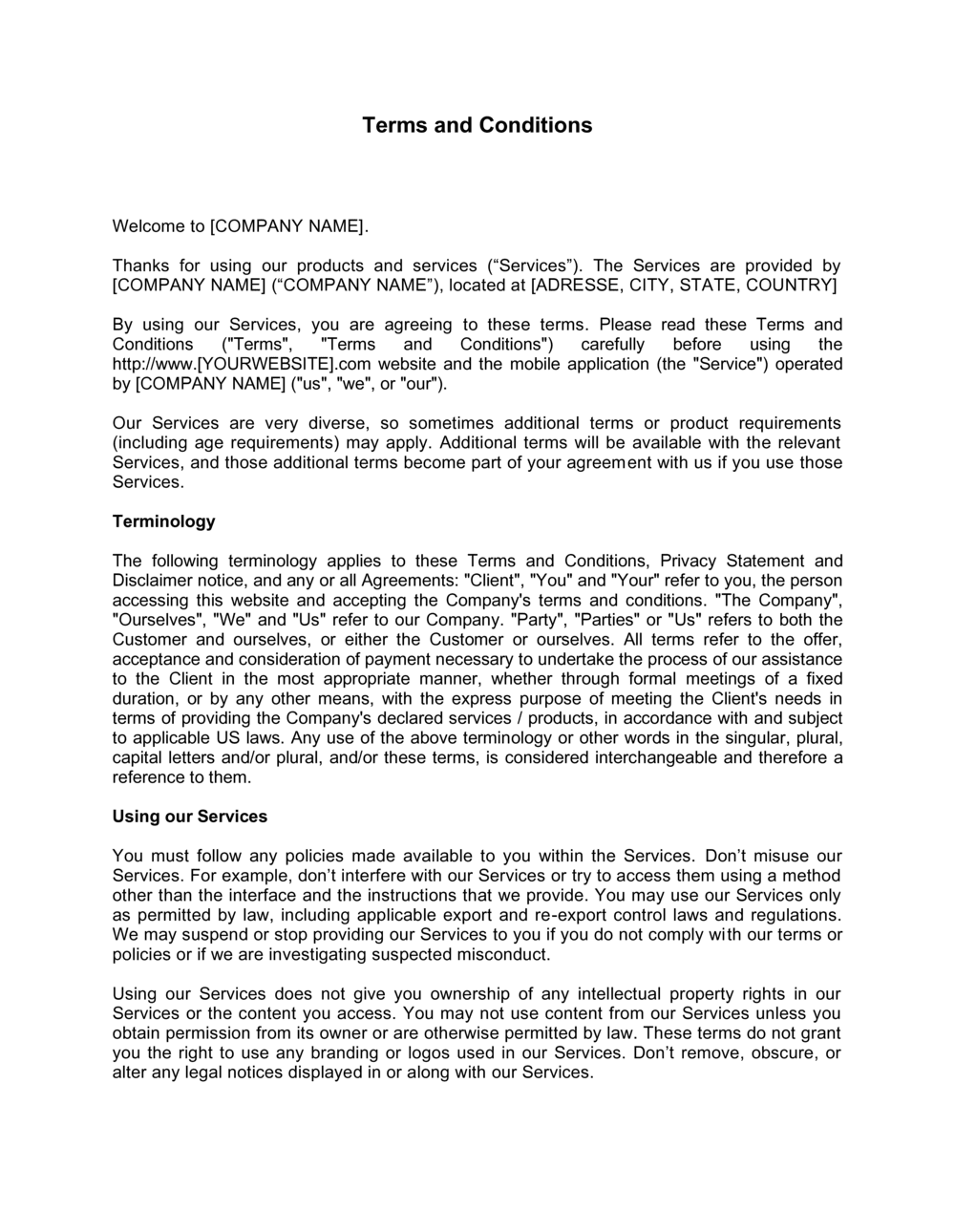
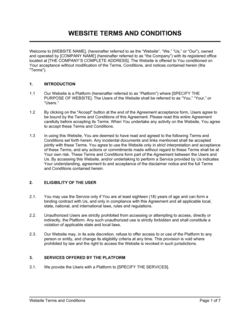
Enter your business's full legal name, registered address, and the exact name and URL of the website, app, or service the terms govern. Mismatches between entity names and domain ownership create enforceability gaps.
💡 If you operate multiple products under one company, use a single parent T&C with addenda for each product rather than maintaining separate documents.
2
Choose and implement your acceptance mechanism
Decide between clickwrap (checkbox or button at signup) or browsewrap (footer link). Clickwrap is strongly preferred — it creates a timestamped record of consent. Update your sign-up flow to present the terms before account creation is complete.
💡 Store a log of each user's acceptance event — date, IP address, and the version of the terms they agreed to. This record is your primary defense in a dispute.
3
Define permitted and prohibited uses specifically
List the activities your platform allows and explicitly prohibit the abuse scenarios most likely for your business type — scraping for a data platform, fraud for a marketplace, harassment for a community product.
💡 Review your support ticket history for the last 12 months. The most common abuse patterns belong in the prohibited conduct list.
4
Set payment, billing cycle, and refund terms precisely
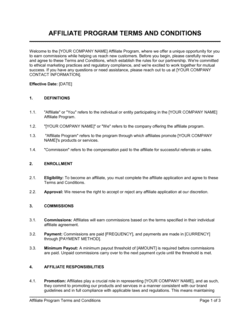
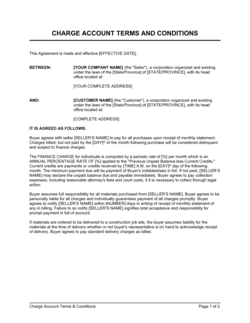
Enter exact pricing, billing cadence, auto-renewal notice period, and your refund policy. If you have a separate refund policy page, link to it by URL and confirm the two documents are consistent.
💡 California's Automatic Renewal Law and the EU's Consumer Rights Directive both require auto-renewal terms to be displayed in a clear, conspicuous format before purchase — put them in a highlighted box, not buried in the body.
5
Customize the limitation of liability cap
Replace the placeholder cap amount with a figure that reflects your actual risk exposure — typically the fees paid by the user in the prior 12 months. Ensure the cap is not so low that a court would deem it unconscionable for your user base.
💡 For B2B SaaS contracts, a cap of 12 months' fees is the market standard. For consumer platforms, consider a lower fixed floor (e.g., $50 minimum) to avoid consumer protection challenges.
6
Select governing law and dispute resolution mechanism
Choose a governing jurisdiction that has a meaningful connection to your business operations. Decide whether to require arbitration, include a class-action waiver, or allow litigation. Note that class-action waivers are unenforceable in some jurisdictions.
💡 If you serve EU consumers, add a jurisdiction carve-out granting them their local consumer court rights — EU law cannot be waived by contract.
7
Add a modification and notice clause
State how you will notify users of changes — by email, in-app notification, or posted notice — and how much advance notice you will give. Specify whether continued use after the notice period constitutes acceptance.
💡 A 30-day notice period before material changes take effect is the accepted standard in most jurisdictions and reduces the risk of users claiming they were surprised by new terms.
8
Have counsel review before publishing
Have a lawyer familiar with your jurisdiction and industry review the final document before it goes live. Focus the review on the liability cap, consumer-facing disclaimers, data handling references, and jurisdiction-specific requirements.
💡 A focused 1–2 hour template review ($300–$600) is significantly less expensive than defending a claim based on unenforceable or missing terms.