- Hazard
- Any condition, activity, or substance that has the potential to cause injury, illness, or property damage in the workplace.
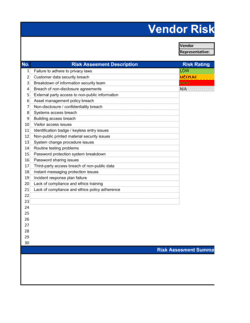
- Risk Assessment
- The process of identifying hazards, estimating the likelihood and severity of harm, and determining appropriate controls.
- Control Measure
- Any action, procedure, or physical safeguard put in place to eliminate or reduce the risk associated with a hazard.
- Hierarchy of Controls
- A ranked framework for selecting hazard controls: elimination, substitution, engineering controls, administrative controls, and personal protective equipment (PPE) — in order of effectiveness.
- Personal Protective Equipment (PPE)
- Gear worn by workers to minimize exposure to hazards — helmets, gloves, high-visibility vests, respirators, and safety glasses are common examples.
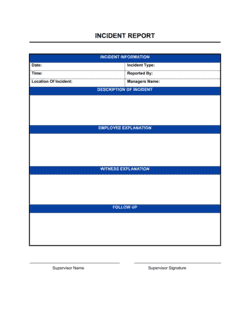
- Incident
- Any unplanned event that results in, or has the potential to result in, injury, illness, damage, or environmental harm.
- Near Miss
- An unplanned event that did not cause injury or damage but had the potential to do so — reporting near misses is a leading indicator of safety culture.
- Safe Work Procedure (SWP)
- A written step-by-step description of how to perform a specific task safely, including required PPE, hazards present, and emergency steps.
- Muster Point
- A designated assembly location where all personnel gather after an evacuation to be accounted for.
- Toolbox Talk
- A short, informal safety briefing — typically 5–15 minutes — held at the start of a shift to discuss a specific hazard or procedure relevant to the day's work.