1
Identify the vendor and define the engagement scope
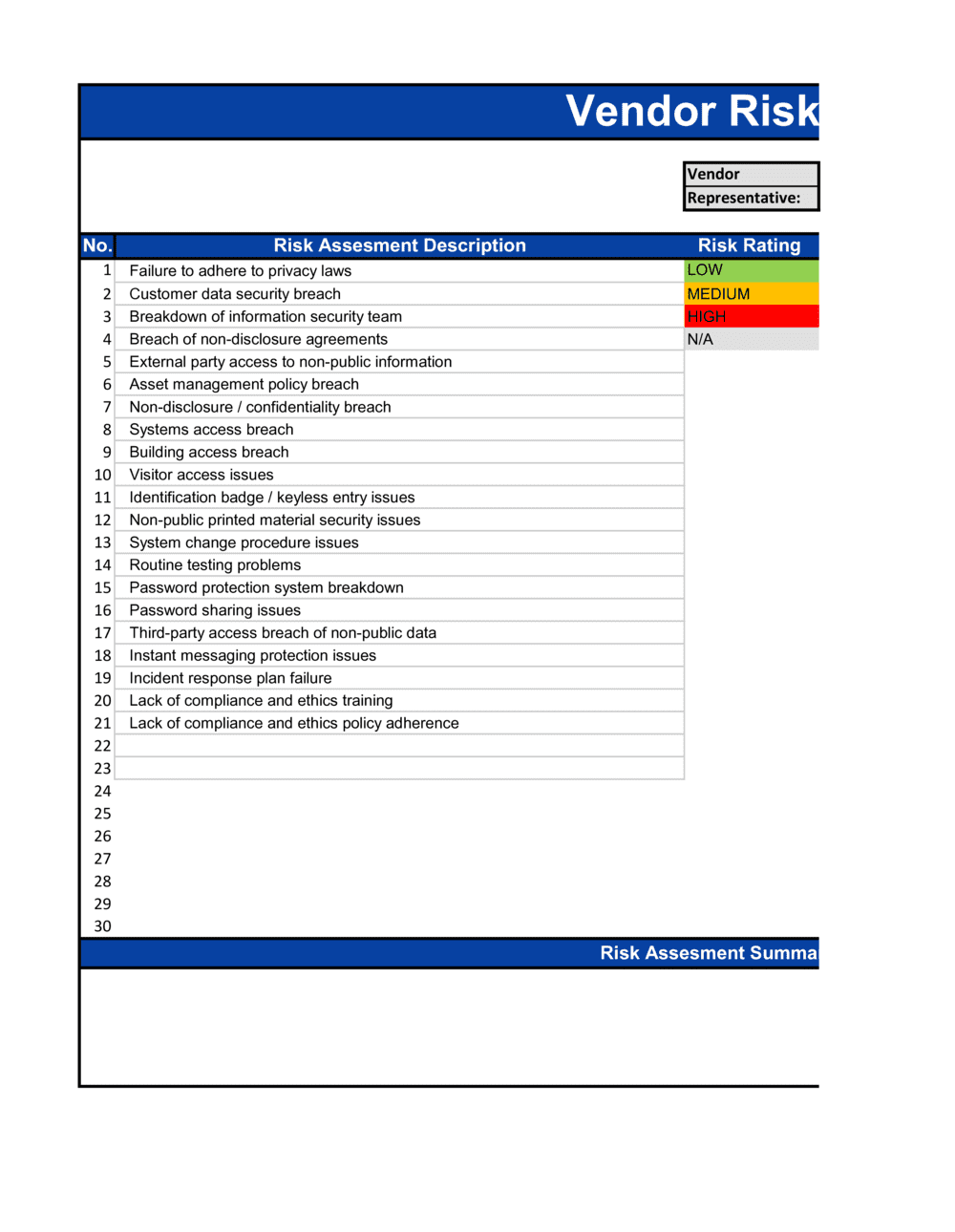
Enter the vendor's full legal name, registration details, and a precise description of the services they will provide, including which data types and internal systems they will access.
💡 Be specific about access levels — 'read-only access to customer PII in the CRM' is a materially different risk profile from 'administrative access to the production database.'
2
Classify the vendor into a risk tier
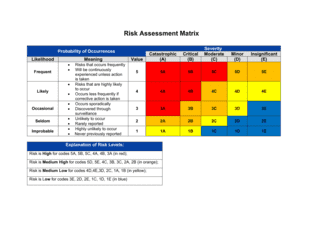
Apply your organization's risk tiering rubric — based on data sensitivity, regulatory exposure, and operational criticality — to assign a Critical, High, Medium, or Low tier. Document the scoring rationale.
💡 Any vendor with access to personal data, payment card data, or systems classified as business-critical should default to at least High unless controls demonstrably lower the residual risk.
3
Request and review security certifications
Ask the vendor to provide their most recent SOC 2 Type II report, ISO 27001 certificate, penetration test summary, and any other applicable security documentation. Record the certification scope, date, and expiry.
💡 A SOC 2 Type II report covers a period of at least six months. A report older than twelve months offers limited current assurance — request a bridge letter if the new period report is not yet available.
4
Complete the data privacy and compliance section
Confirm the applicable privacy laws (GDPR, CCPA, HIPAA, PIPEDA) and record whether a Data Processing Agreement has been executed, what transfer mechanisms govern cross-border data flows, and what the vendor's breach notification timeline is.
💡 If the vendor processes EU personal data and is located outside the EU, confirm that Standard Contractual Clauses or another transfer mechanism is in place before completing this section.
5
Evaluate business continuity and financial stability
Record the vendor's RTO and RPO commitments, last BCP test date, geographic redundancy, and evidence of financial health including insurance certificates and recent financials.
💡 For critical vendors, require a copy of the BCP test report, not just confirmation that a test occurred. Summary results take 15 minutes to review and provide far stronger assurance.
6
Document subcontractor and fourth-party disclosures
Have the vendor list all subcontractors and sub-processors involved in service delivery. Confirm each is bound by equivalent security and privacy obligations and that you will be notified before any changes.
💡 Cross-reference the vendor's disclosed subprocessors against their public privacy policy or DPA — discrepancies may indicate undisclosed processing relationships.
7
Score the assessment and document any gaps
Calculate the overall risk score using your rubric, identify control gaps, and record specific remediation commitments with deadlines. Mark approval as conditional if critical gaps remain open.
💡 Assign ownership of each remediation item — a gap with no named owner and no deadline will remain open indefinitely.
8
Obtain authorized signatures and set the review date
Have an authorized signatory from both your organization and the vendor certify the assessment. Record the next review date based on the vendor's risk tier and commit both parties to the process for material change notifications.
💡 Calendar the reassessment date immediately after signing. High-risk vendor assessments should be reviewed annually; critical vendors every six months.