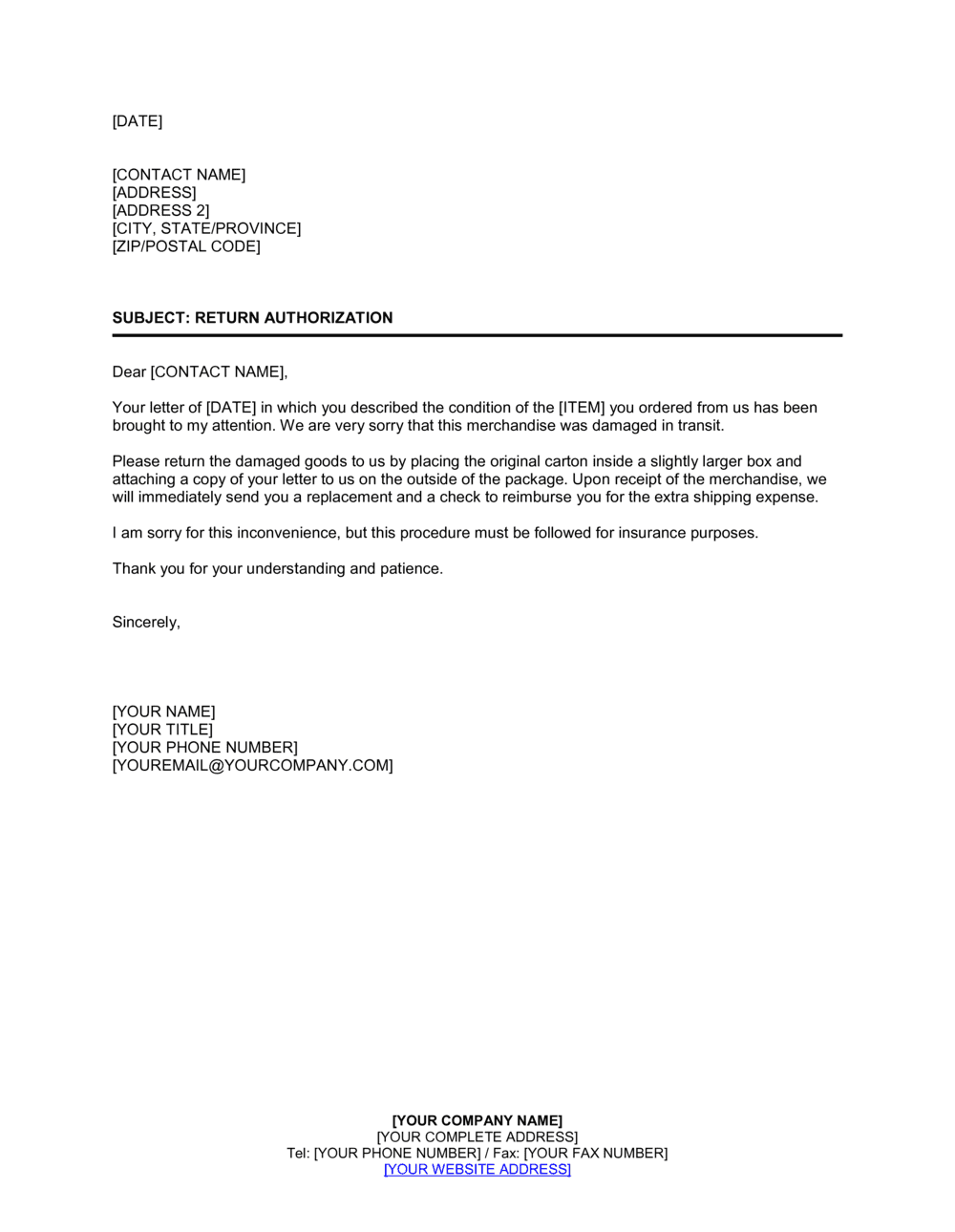
Return Authorization Letter Template

Free Word download β€’ Edit online β€’ Save & share with Drive β€’ Export to PDF

1 pageβ€’20–25 min to fillβ€’Difficulty: Standard
Learn more ↓
FreeReturn Authorization Letter Template

At a glance

What it is
A Return Authorization (RA) is a structured business form a seller issues to a customer or vendor to formally approve and track the return of a product for refund, exchange, or repair. This free Word download gives you an editable template you can customize with your brand, return policy terms, and disposition codes, then export as PDF and send to customers in minutes.
When you need it
Issue it whenever a customer requests a product return, an exchange, or a warranty repair β€” before the item ships back. It should accompany every physical return to the warehouse so receiving staff can match the item to an open authorization record.
What's inside
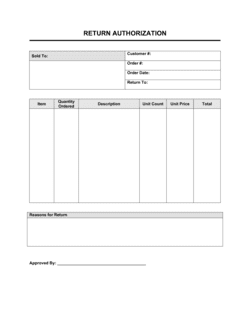
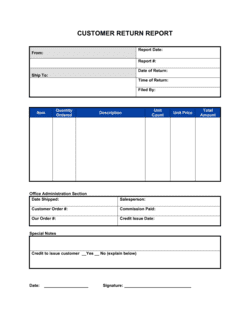
Customer and order details, a unique RMA number, itemized product information with quantities and reason codes, shipping instructions, disposition decision (refund, exchange, repair, or reject), and any restocking fee or condition notes.

What is a Return Authorization?

A Return Authorization (also called an RMA β€” Return Merchandise Authorization) is a structured business form a seller issues to formally approve and track a product return before the item ships back. It assigns a unique tracking number to the transaction, identifies the specific items being returned, records the reason for the return, and states the authorized outcome β€” refund, exchange, repair, or store credit. Rather than accepting returns on an ad hoc basis, businesses use return authorizations to create a controlled, traceable process that connects customer service decisions to warehouse operations and accounting records.

Why You Need This Document

Accepting returns without a formal authorization form creates four overlapping problems: warehouse staff receive unidentified shipments they cannot match to any open record, accounting cannot link refunds to the correct original invoices, return rates by product or reason cannot be measured, and customers dispute outcomes because nothing was agreed in writing before the item shipped. A return authorization form closes all four gaps at once. It puts the seller's decision in writing before any goods move, gives the warehouse a reference number to scan on arrival, gives accounting the order linkage it needs to post the credit correctly, and gives the customer a documented confirmation of what they will receive β€” eliminating the most common source of post-return disputes. This template lets any business stand up a professional return authorization process in minutes.

Which variant fits your situation?

If your situation is…Use this template
Customer returning a defective or damaged product for a refundReturn Authorization (Refund)
Customer exchanging a product for a different size, color, or modelReturn Authorization (Exchange)
Returning a product under a manufacturer or seller warrantyWarranty Return Authorization
Vendor sending back unsold inventory to a distributor or supplierVendor Return Authorization
Issuing a credit to the customer's account instead of a refundCredit Note
Documenting the refund payment back to the customerRefund Receipt
Logging a bulk return of multiple SKUs from a single accountReturn Merchandise Log

Common mistakes to avoid

❌ No RMA number on the package

Why it matters: Returns that arrive without an RMA number cannot be matched to an authorization record. Warehouse staff log them as unknown inventory, delaying processing by days or weeks and frustrating customers waiting for refunds.

Fix: Require the RMA number on the outside of the return package in the shipping instructions section of every form you issue.

❌ Missing original order reference

Why it matters: Without an order number, accounting cannot link the credit memo or refund to the correct revenue transaction, creating reconciliation errors that compound across high-return periods.

Fix: Pull the order number directly from your order management system when completing the form β€” never rely on the customer to provide it from memory.

❌ Leaving disposition blank until after inspection

Why it matters: Deciding disposition after the item arrives adds a second communication round, extends resolution time, and erodes customer satisfaction β€” especially for straightforward defective-item cases that qualify for immediate refunds.

Fix: Pre-authorize the most likely disposition based on the reason code at the time of issue. Note it as 'subject to inspection' if condition verification is required.

❌ No expiry date on the authorization

Why it matters: Open-ended return authorizations allow customers to ship items months after issue, making it impossible to match them to inventory records or apply the correct refund amount if pricing has changed.

Fix: Set a 30-day expiry on every return authorization and communicate it clearly in the shipping instructions.

The 10 key fields, explained

RMA Number

Customer Information

Original Order Details

Item Description and SKU

Reason for Return

Return Condition

Authorized Disposition

Restocking Fee and Refund Amount

Shipping Instructions

Authorization Signature and Date

How to fill it out

  1. 1

    Assign a unique RMA number and set the expiry date

    Generate the next sequential RMA number from your log and enter it at the top of the form. Set an expiry date β€” typically 30 days from issue β€” after which the authorization lapses.

    πŸ’‘ Use a YYYY-NNNN format (e.g., RMA-2026-0183) to keep numbers sortable by year and prevent collisions across periods.

  2. 2

    Enter the customer and order details

    Record the customer's full name, email, phone, and the original order number and purchase date. Pull these from your order management system to avoid transcription errors.

    πŸ’‘ Include the sales channel (website, in-store, wholesale) β€” return rates by channel reveal fulfillment or product description problems.

  3. 3

    List each item being returned with its SKU and quantity

    Add a separate line for each distinct product, model, and SKU. Record the quantity per line. Do not bundle multiple SKUs on a single line.

    πŸ’‘ If the customer is returning a kit or bundle, list each component separately so inventory can be restocked individually.

  4. 4

    Record the return reason using a standard code

    Select the closest matching reason code from your standard list and note any additional customer explanation in the free-text field.

    πŸ’‘ Review reason-code distribution monthly β€” if 'not as described' exceeds 15% of returns, the product listing or packaging needs correction.

  5. 5

    Set and document the authorized disposition

    Decide whether the return qualifies for a full refund, exchange, repair, store credit, or rejection based on your return policy. Enter the decision on the form before sending it to the customer.

    πŸ’‘ Pre-authorizing disposition eliminates the second communication step after inspection and reduces average resolution time.

  6. 6

    Calculate any restocking fee and the net refund amount

    Apply your policy's restocking fee percentage to the original purchase price, subtract it, and enter the net refund amount and refund method on the form.

    πŸ’‘ State the restocking fee in writing on the form β€” verbal notice of a fee deduction is the single most common source of return disputes.

  7. 7

    Add shipping instructions and mark the expiry

    Enter the warehouse return address, carrier, label instructions, and the date by which the item must ship. Instruct the customer to write the RMA number on the outside of the package.

    πŸ’‘ A prepaid return label reduces friction and increases the likelihood the customer ships within the window, keeping your return cycle time predictable.

Frequently asked questions

What is a return authorization?

A return authorization β€” also called an RMA (Return Merchandise Authorization) β€” is a document a seller issues to formally approve a customer's request to return a product. It assigns a unique tracking number, specifies what items are approved for return, and states the authorized disposition: refund, exchange, repair, or store credit. It is issued before the item ships back so both parties have a documented agreement on the outcome.

Why do businesses require a return authorization before accepting a return?

A return authorization prevents unauthorized returns from arriving at the warehouse unannounced, ensures receiving staff can match inbound shipments to open records, and creates a documented audit trail for accounting. Without one, returns can pile up as unidentified inventory, trigger accounting errors, and make it impossible to measure return rates by product, reason, or customer segment.

What is an RMA number and how should I format it?

An RMA number is a unique sequential identifier assigned to each return authorization. A YYYY-NNNN format β€” for example, RMA-2026-0183 β€” keeps numbers sortable by year and prevents duplicates across periods. The number should appear on the form, in your order management system, and on the outside of the return package so warehouse staff can match the shipment immediately upon receipt.

What is a restocking fee and when should I charge one?

A restocking fee is a percentage of the original purchase price deducted from the refund to cover the cost of inspecting, repackaging, and re-entering a returned item into inventory. Common rates range from 10% to 25%. Charge it for opened or used items returned for non-defective reasons β€” not for defective products, wrong-item shipments, or items returned under warranty. Always disclose the fee in your return policy and on the return authorization form before the customer ships the item.

How long should a return authorization be valid?

Thirty days from the issue date is the standard validity window for most retail and e-commerce businesses. Some businesses use 14 days for perishable or high-velocity inventory and 60 days for large or heavy items requiring freight shipping. The expiry date should be printed on the form and referenced in the shipping instructions so customers understand their deadline.

Do I need a return authorization form if I have a return policy?

Yes β€” a return policy states your rules; a return authorization form executes them for a specific transaction. The policy tells customers what qualifies for return; the form tracks each individual return, assigns a unique number, documents the reason and disposition, and creates the paper trail your accounting and warehouse teams need to process it correctly. Without the form, a policy is unenforceable in practice.

What happens if a customer ships a return without authorization?

Unauthorized returns should be logged as unknown inbound inventory upon receipt. You are generally not obligated to process a refund or exchange for items returned without an RMA number, since the return was never approved. Contact the customer to determine whether the return qualifies under your policy, and if so, issue the authorization retroactively with a documented note explaining the exception.

Can I use a return authorization form for vendor or supplier returns?

Yes β€” the same core structure applies when a retailer or distributor returns unsold or defective inventory to a supplier. Adapt the form to reference the vendor's purchase order number instead of a customer order number, and adjust the disposition options to reflect vendor credit, replacement shipment, or debit memo rather than consumer refund methods.

How this compares to alternatives

vs Credit Note

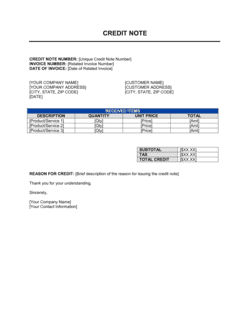
A return authorization is issued before the item ships back, approving the physical return and stating the intended disposition. A credit note is an accounting document issued after the return is processed, reducing the customer's balance or triggering a refund payment. Both documents are needed for a complete return cycle β€” the RA manages the logistics, the credit note manages the financials.

vs Refund Receipt

A refund receipt confirms that money has been returned to the customer after a return is processed. A return authorization is the upstream document that approves the return and triggers the refund. The RA initiates the process; the receipt closes it. Customers often conflate the two, but they serve distinct operational purposes.

vs Purchase Order

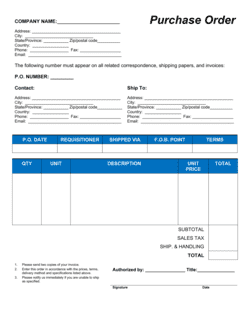
A purchase order authorizes a buyer to acquire goods from a supplier. A return authorization reverses that flow β€” it authorizes goods to travel back from the buyer to the seller. In vendor return scenarios, the RA should reference the original purchase order number so both parties can reconcile inventory and payment records.

vs Sales Invoice

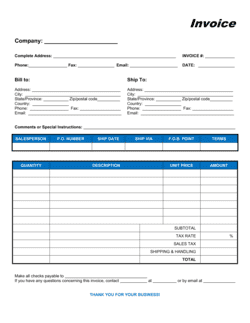
A sales invoice records the original sale and creates a receivable. A return authorization initiates the reversal of that transaction. The RA should reference the invoice number so accounting can correctly net the return against the original revenue entry and avoid double-counting income.

Industry-specific considerations

E-commerce and retail

High return volumes require automated RMA number generation, standardized reason codes for analytics, and prepaid label integration to keep cycle times under 7 days.

Manufacturing

Warranty and defective-unit returns require disposition routing to repair, scrap, or restock queues, with component-level SKU tracking to feed quality control reports.

Wholesale and distribution

Vendor return authorizations reference purchase orders rather than customer orders, and disposition typically results in a supplier debit memo or replacement shipment rather than a cash refund.

Consumer electronics

High-value items require condition documentation with photos at return submission, and disposition must distinguish between factory refurbishment, resale as open-box, and warranty repair.

Template vs pro β€” what fits your needs?

PathBest forCostTime
Use the templateSmall businesses, e-commerce sellers, and any operation processing returns without dedicated ERP softwareFree3–5 minutes per return authorization
Template + professional reviewBusinesses adding custom restocking fee tiers, multi-warehouse routing, or integration with an order management system$50–$200 (operations consultant or systems review)Half a day
Custom draftedHigh-volume retailers or manufacturers requiring automated RMA generation, ERP integration, and real-time inventory disposition routing$500–$5,000+ (systems configuration or custom development)1–4 weeks

Glossary

RMA Number
Return Merchandise Authorization number β€” a unique identifier assigned to each approved return, used to track the shipment and match it to an open authorization record.
Disposition
The action taken on a returned item once it is received and inspected β€” typically refund, exchange, repair, or rejection.
Restocking Fee
A charge deducted from a refund to cover the cost of processing and repackaging a returned item, commonly expressed as a percentage of the original sale price.
Return Window
The number of days after purchase or delivery within which a customer may initiate a return β€” typically 14, 30, or 60 days depending on the seller's policy.
Reason Code
A standardized short label β€” such as 'defective,' 'wrong item shipped,' or 'no longer needed' β€” that categorizes why a product is being returned.
Inbound Inspection
The process of evaluating a returned item upon arrival to confirm its condition, completeness, and match to the authorized RMA record.
Credit Memo
An accounting document issued to reduce the amount a customer owes or to credit their account after a return is processed.
Proof of Purchase
Documentation β€” such as an original invoice, receipt, or order confirmation β€” required to validate that the item was purchased from the seller before authorizing a return.
Return Policy
The seller's stated rules governing eligibility, timeframes, conditions, and outcomes for product returns β€” typically referenced on the return authorization form.

Part of your Business Operating System

This document is one of 3,000+ business & legal templates included in Business in a Box.

  • Fill-in-the-blanks β€” ready in minutes
  • 100% customizable Word document
  • Compatible with all office suites
  • Export to PDF and share electronically

Create your document in 3 simple steps.

From template to signed document β€” all inside one Business Operating System.
1
Download or open template

Access over 3,000+ business and legal templates for any business task, project or initiative.

2
Edit and fill in the blanks with AI

Customize your ready-made business document template and save it in the cloud.

3
Save, Share, Send, Sign

Share your files and folders with your team. Create a space of seamless collaboration.

Save time, save money, and create top-quality documents.

β˜…β˜…β˜…β˜…β˜…

"Fantastic value! I'm not sure how I'd do without it. It's worth its weight in gold and paid back for itself many times."

Managing Director Β· Mall Farm
Robert Whalley
Managing Director, Mall Farm Proprietary Limited
β˜…β˜…β˜…β˜…β˜…

"I have been using Business in a Box for years. It has been the most useful source of templates I have encountered. I recommend it to anyone."

Business Owner Β· 4+ years
Dr Michael John Freestone
Business Owner
β˜…β˜…β˜…β˜…β˜…

"It has been a life saver so many times I have lost count. Business in a Box has saved me so much time and as you know, time is money."

Owner Β· Upstate Web
David G. Moore Jr.
Owner, Upstate Web

Run your business with a system β€” not scattered tools

Stop downloading documents. Start operating with clarity. Business in a Box gives you the Business Operating System used by over 250,000 companies worldwide to structure, run, and grow their business.

Start freeΒ Β·Β No credit card required