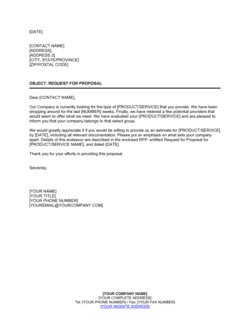
Request for Price Quote Template

Free Word download β€’ Edit online β€’ Save & share with Drive β€’ Export to PDF

1 pageβ€’15–25 min to fillβ€’Difficulty: Standard
Learn more ↓
FreeRequest for Price Quote Template

At a glance

What it is
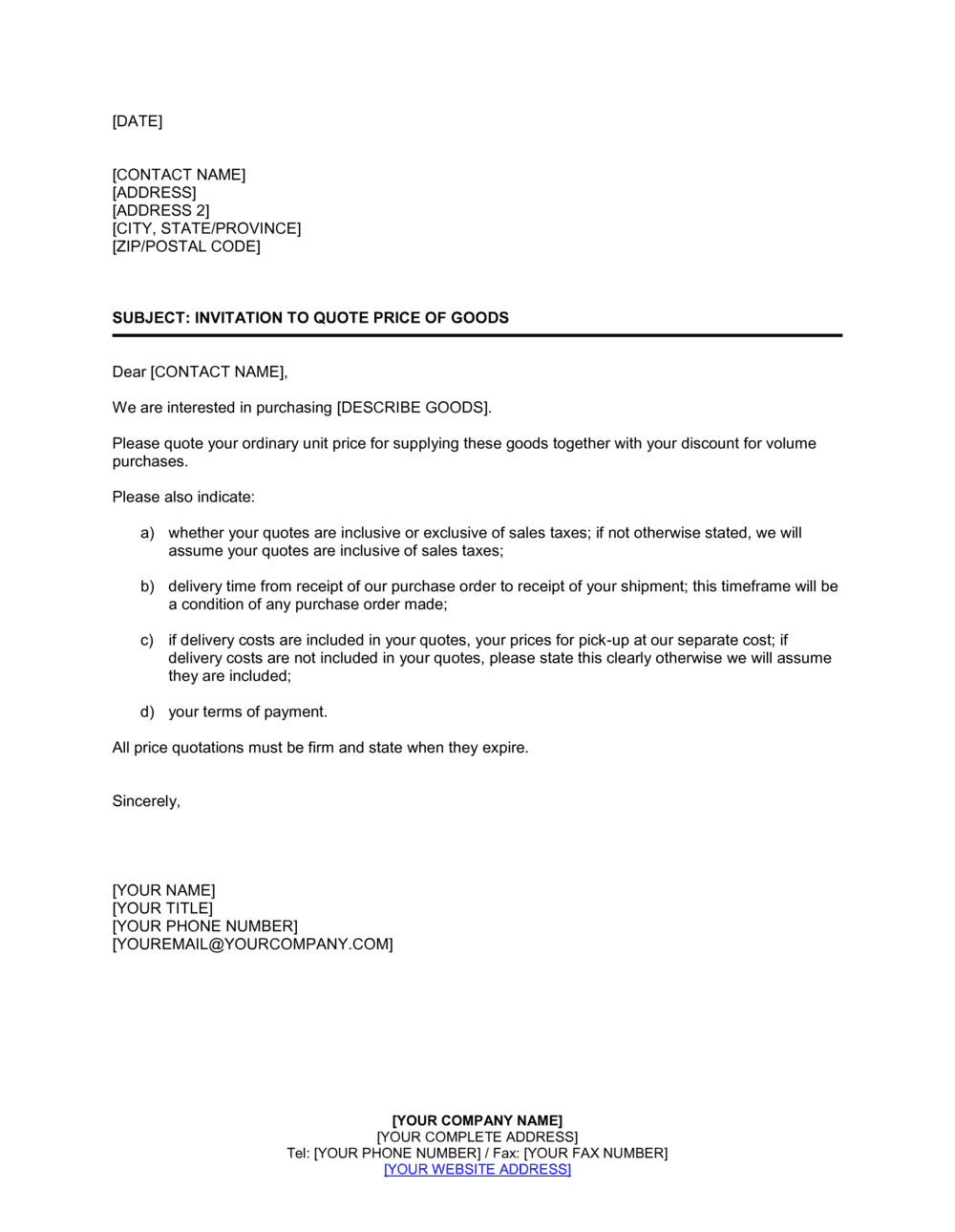
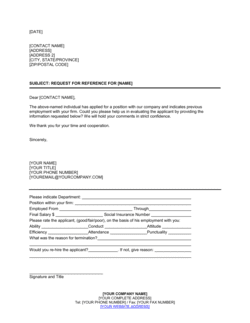
A Request for Price Quote is a formal business letter sent to a supplier or vendor asking them to provide pricing for specific goods or services. This free Word download gives you a structured, professional starting point you can edit online and export as PDF β€” covering item descriptions, quantities, delivery requirements, and the date by which you need the quote returned.
When you need it
Use it whenever you need a written price quote from a supplier before committing to a purchase β€” for recurring inventory orders, one-time equipment buys, or new service contracts where you want competing bids in writing.
What's inside
Sender and recipient details, a clear statement of purpose, an itemized list of goods or services with quantities and specifications, delivery and timeline requirements, quote validity and response deadline, and a professional closing with contact information.

What is a Request for Price Quote?

A Request for Price Quote is a formal business letter sent to a supplier asking them to provide pricing for specific goods or services under clearly stated conditions. It describes the items needed β€” with quantities and specifications β€” along with delivery requirements, a quote validity period, and a response deadline. Unlike a casual email inquiry, a written price quote request creates a consistent, documented basis for comparing responses from multiple vendors and provides a reference point for any subsequent price negotiation or purchase order.

Why You Need This Document

Verbal or email-based quote requests are easy to misinterpret and difficult to compare side by side. Without a written request that specifies quantities, delivery terms, and a response deadline, suppliers quote different scopes, different freight assumptions, and different validity windows β€” making a fair comparison impossible. Missing a quote validity period means prices can change between receipt and your internal approval, blowing a budget that looked solid on paper. A professional, complete price quote letter signals to suppliers that you are an organized buyer, which consistently results in more accurate, competitive, and timely responses. This template gives you the structure to send the right information the first time and move from inquiry to purchase order without unnecessary back-and-forth.

Which variant fits your situation?

If your situation is…Use this template
Comparing multiple vendors with detailed technical specificationsRequest for Quotation (RFQ)
Asking vendors to propose how they would solve a business needRequest for Proposal (RFP)
Following up after receiving a quote to negotiate pricePrice Negotiation Letter
Accepting a supplier's quote and placing a formal orderPurchase Order
Requesting information from vendors before issuing a formal RFQRequest for Information (RFI)
Declining a supplier quote that does not meet requirementsRejection of Quotation Letter

Common mistakes to avoid

❌ Vague item descriptions

Why it matters: A supplier cannot provide an accurate quote for 'office chairs' β€” they need model, grade, fabric, and quantity. Vague requests produce unusable ballpark figures that require multiple clarification rounds.

Fix: Include part numbers, technical specifications, material grades, or dimensions for every line item. Attach a spec sheet when descriptions exceed one or two lines.

❌ No response deadline

Why it matters: Without a deadline, quotes arrive at random intervals β€” some within a day, others after three weeks β€” making it impossible to compare vendors at the same point in time.

Fix: Always state a specific response date in the letter. Five to ten business days is appropriate for standard goods; allow 10–15 business days for custom or manufactured items.

❌ Omitting delivery requirements

Why it matters: Freight costs can add 5–20% to a total order price depending on destination and weight. A quote without freight included creates a budget gap discovered only at purchase order stage.

Fix: State the full delivery address, required date, and preferred Incoterms. Ask suppliers to include all freight, handling, and insurance charges in their quoted price.

❌ Sending to a generic company inbox

Why it matters: Quote requests sent to info@ or sales@ addresses regularly get deprioritized or lost in routing queues, resulting in missed deadlines and no response.

Fix: Call the supplier before sending to get the name and direct email of the right sales or account management contact. Address the letter to that individual.

The 9 key clauses, explained

Sender and recipient header

In plain language: Identifies the buyer's organization and contact, the supplier's name and address, and the date β€” establishing a clear paper trail.

Sample language
[YOUR COMPANY NAME] | [ADDRESS] | [CITY, STATE, ZIP] | [DATE] Attn: [SUPPLIER CONTACT NAME] [SUPPLIER COMPANY NAME] | [SUPPLIER ADDRESS]

Common mistake: Addressing the letter to the company name only rather than a specific contact. Letters without a named recipient often sit unrouted in a supplier's inbox, delaying the quote.

Subject line

In plain language: A concise reference line that tells the supplier at a glance what the letter is about and, if applicable, references an existing account or project number.

Sample language
Re: Request for Price Quote β€” [PRODUCT/SERVICE DESCRIPTION] | Project Ref: [REFERENCE NUMBER]

Common mistake: Omitting a subject line or writing a generic one like 'Quotation Request.' A specific subject line speeds internal routing at the supplier and makes follow-up correspondence easier to track.

Opening statement of purpose

In plain language: States clearly that you are requesting a price quote, briefly identifies your company and why you are approaching this supplier.

Sample language
[YOUR COMPANY NAME] is seeking a price quote from [SUPPLIER NAME] for the goods/services described below. We are a [BRIEF DESCRIPTION] and are evaluating suppliers for [PURPOSE OR PROJECT].

Common mistake: Opening with a lengthy company introduction that buries the actual request. Suppliers process many quote requests β€” lead with the ask, then provide context.

Itemized goods or services list

In plain language: Lists each item or service you need quoted, with descriptions, part numbers or specifications, and required quantities.

Sample language
Please provide unit pricing and available discounts for the following: 1. [ITEM DESCRIPTION] β€” Part No. [PART NUMBER] β€” Qty: [QUANTITY] 2. [ITEM DESCRIPTION] β€” Specification: [SPEC] β€” Qty: [QUANTITY]

Common mistake: Providing quantities without specifications, or specifications without quantities. Missing either one forces the supplier to follow up before they can quote, extending your turnaround time.

Delivery requirements

In plain language: Specifies where goods or services should be delivered, the required delivery date or lead time, and any preferred delivery terms.

Sample language
Delivery required to: [DELIVERY ADDRESS] by [REQUIRED DATE]. Preferred delivery terms: [FOB DESTINATION / DDP / OTHER]. Lead time of [X] weeks is acceptable.

Common mistake: Stating only a required date without a delivery address. Suppliers quote freight costs based on destination β€” without it, the price cannot include accurate shipping.

Quote validity request

In plain language: Asks the supplier to hold their quoted prices firm for a defined period so you have time to evaluate and approve the purchase internally.

Sample language
Please confirm the validity period for the quoted prices. We require a minimum of [30 / 60] days from the quote date to complete our internal approval process.

Common mistake: Not asking for a validity period at all. Receiving a quote with no stated validity means prices could change before your approval is obtained, causing budget discrepancies.

Response deadline

In plain language: Sets the date by which you need the completed quote returned so your procurement timeline stays on track.

Sample language
Kindly return your completed quote by [DATE]. Late submissions may not be considered in the current evaluation cycle.

Common mistake: Setting an unrealistically short deadline β€” fewer than five business days for anything other than standard off-the-shelf items. Rushed deadlines receive lower-quality responses or no response at all.

Additional terms and conditions

In plain language: Communicates any specific requirements the supplier must acknowledge, such as preferred payment terms, insurance certificates, or compliance with company procurement policies.

Sample language
Please note that [YOUR COMPANY NAME] operates on [NET 30] payment terms. Suppliers are required to carry general liability insurance of at least $[AMOUNT]. Quotes must include all applicable taxes and fees.

Common mistake: Disclosing payment terms for the first time after receiving the quote. Suppliers factor payment terms into their pricing; omitting them upfront invites surprises at negotiation.

Closing and contact details

In plain language: Thanks the supplier for their time, invites questions before the deadline, and provides a named contact with direct phone and email.

Sample language
Thank you for your time and consideration. Should you have any questions, please contact [NAME] at [EMAIL] or [PHONE NUMBER] before [DATE]. We look forward to receiving your quote.

Common mistake: Providing only a general company email address as the contact. Supplier questions routed to a generic inbox frequently go unanswered, resulting in incomplete or inaccurate quotes.

How to fill it out

  1. 1

    Fill in sender and recipient details

    Enter your company name, address, and the date at the top. Address the letter to a named individual at the supplier β€” not just the company β€” and include their title and direct contact if known.

    πŸ’‘ Call the supplier's main line before sending to confirm the correct procurement or sales contact name. Addressed letters have a measurably higher response rate than those addressed 'To Whom It May Concern.'

  2. 2

    Write a specific subject line

    Include the product or service category and a project or reference number if you have one. This makes your letter easy to retrieve when the supplier follows up.

    πŸ’‘ Use a consistent reference number format across all quote requests in the same procurement cycle β€” it makes vendor comparisons and follow-up tracking far simpler.

  3. 3

    List every item with full specifications and quantities

    Add one row per item or service. Include part numbers, dimensions, grade, or other technical details alongside the quantity needed. Attach a spec sheet or BOM as an appendix for complex orders.

    πŸ’‘ If you are requesting quotes from multiple suppliers simultaneously, use identical item descriptions across all letters so you can compare quotes on the same basis.

  4. 4

    State your delivery address and required date

    Enter the full shipping address and the date by which you need delivery. Indicate acceptable delivery terms (e.g., FOB destination, DDP) so the supplier knows whether to include freight in their price.

    πŸ’‘ If your delivery date is flexible within a range, say so β€” suppliers sometimes offer better pricing for non-urgent orders that fit their production schedule.

  5. 5

    Specify the quote validity period and response deadline

    Ask the supplier to hold prices firm for at least 30 days. Set a response deadline of at least five business days for standard items β€” more for custom or manufactured goods.

    πŸ’‘ Align your response deadline to your internal approval process. If your purchase order approval takes two weeks, a 30-day validity period and a 7-day response deadline leaves you adequate working time.

  6. 6

    Include payment terms and any compliance requirements

    State your standard payment terms (e.g., Net 30 from invoice date) and any insurance, certification, or policy requirements the supplier must meet. Ask that all taxes and fees be itemized in the quote.

    πŸ’‘ Mentioning payment terms upfront signals to the supplier that you are a serious, organized buyer β€” it often results in more competitive pricing.

  7. 7

    Proofread, sign, and send

    Review item descriptions and quantities for accuracy before sending. Export as PDF to preserve formatting, and send to the supplier's designated sales or procurement contact.

    πŸ’‘ Send a brief follow-up email the same day with the PDF attached and a one-line summary β€” some suppliers process email attachments before opening physical or portal-submitted letters.

Frequently asked questions

What is a request for price quote?

A request for price quote is a formal letter sent to a supplier asking them to provide pricing for specific goods or services under defined conditions β€” including item descriptions, quantities, delivery requirements, and a response deadline. It creates a written record of what was requested and gives the buyer a consistent basis for comparing quotes from multiple vendors.

What is the difference between a request for price quote and an RFQ?

A request for price quote is a lighter-weight letter used for straightforward, everyday procurement β€” it describes the items and asks for a price. A formal Request for Quotation (RFQ) is a structured procurement document typically issued to multiple vendors simultaneously, with detailed technical specifications, evaluation criteria, and contractual terms. Use a price quote letter for routine purchases; use an RFQ when the purchase is large, complex, or requires a competitive bid process.

When should I send a request for price quote instead of an RFP?

Send a price quote request when you know exactly what you want and need only a price. Send a Request for Proposal (RFP) when you need the vendor to propose how they would solve a business problem β€” including methodology, timeline, team, and pricing. If you are buying 500 units of a defined product, use a price quote request. If you need a vendor to design and implement a new system, use an RFP.

How many suppliers should I send a price quote request to?

For routine purchases, two to three suppliers is generally sufficient to benchmark pricing and ensure competition. For larger orders or first-time purchases in a new category, three to five suppliers gives you a more meaningful range. Sending to more than five typically yields diminishing returns unless the purchase is very large or the market is highly fragmented.

What should I do after I receive the quotes?

Compare quotes on a like-for-like basis β€” unit price, total landed cost including freight, lead time, payment terms, and any minimum order requirements. If a quote is missing information, follow up before the validity period expires. Once you select a supplier, issue a Purchase Order referencing the quote number and date to formalize the transaction.

Does a price quote request create a binding contract?

No. A request for price quote is an invitation to submit pricing β€” it does not create any obligation to purchase. The supplier's quote is likewise not binding until both parties have executed a Purchase Order or other formal agreement. The quote request and the response are pre-contractual documents that inform the purchasing decision.

How long should I give suppliers to respond?

Five to ten business days is appropriate for standard, off-the-shelf goods. Allow 10–15 business days for custom, manufactured, or imported items where the supplier may need to check stock, confirm lead times, or source components. Always align the response deadline to your own internal approval and purchase order timeline.

Should I include a budget in my price quote request?

Disclosing a budget is optional and depends on your negotiating strategy. Sharing a target budget can focus the supplier's response β€” particularly for services where scope can be adjusted β€” but it also anchors the supplier's pricing at or near that figure. For commodity goods with relatively fixed pricing, omitting the budget and letting suppliers quote openly typically yields a more competitive result.

How this compares to alternatives

vs Request for Proposal (RFP)

An RFP asks vendors to propose how they would solve a business problem β€” including methodology, team, and pricing. A price quote request asks only for pricing on a defined item or scope. Use a price quote request when you know exactly what you want; use an RFP when you need vendors to define the solution.

vs Purchase Order

A purchase order is a binding commitment to buy specific goods or services at an agreed price. A price quote request is a pre-contractual invitation for the supplier to submit pricing β€” no purchase commitment is made. The purchase order typically follows and references the accepted quote.

vs Price Negotiation Letter

A price negotiation letter is sent after receiving a quote, when the buyer wants to reduce the price or adjust terms. A price quote request is sent before any quote exists. The two documents are sequential: the quote request comes first, the negotiation letter follows if the initial price needs adjustment.

vs Supplier Evaluation Form

A supplier evaluation form assesses vendor performance against criteria such as quality, delivery reliability, and service. A price quote request is used earlier in the process, at the point of soliciting initial pricing from potential suppliers. For a formal vendor selection process, both documents are used β€” the quote request to gather pricing, the evaluation form to score overall fit.

Industry-specific considerations

Manufacturing

Part numbers, material grades, and tolerances must be specified precisely; quotes typically include minimum order quantities and tooling costs as separate line items.

Construction and Trades

Material price quotes are often tied to project schedules; delivery windows must align with construction phases, and quotes should specify whether prices hold for the duration of the project.

Retail and E-commerce

Volume pricing tiers, packaging specifications, and lead times for seasonal inventory are the critical variables; quote validity must cover the buyer's planning cycle.

Professional Services

Service-based quotes require a clear scope of work, estimated hours or deliverables, and whether the price is fixed or time-and-materials before a meaningful comparison is possible.

Template vs pro β€” what fits your needs?

PathBest forCostTime
Use the templateAny business sourcing standard goods or services from existing or new suppliersFree10–15 minutes per letter
Template + professional reviewHigh-value or first-time procurement where aligning internal terms with supplier requirements reduces risk$0–$100 (internal procurement or legal review)30–60 minutes
Custom draftedLarge-scale or regulated procurement requiring formal tender processes with legally binding submission terms$500–$2,000 (procurement consultant or lawyer)2–5 days

Glossary

Request for Price Quote (RPQ)
A written letter asking a supplier to provide pricing for specific goods or services under defined conditions.
Request for Quotation (RFQ)
A more formal procurement document β€” typically issued to multiple vendors simultaneously β€” that includes detailed technical specifications and evaluation criteria.
Quote Validity Period
The length of time a supplier's quoted price is guaranteed to remain in effect, typically expressed as a number of days from the quote date.
Lead Time
The time between placing an order and receiving the goods or services, which a buyer must communicate when requesting a quote.
Unit Price
The cost per individual item or service unit quoted by the supplier, before any volume discounts or additional fees.
Bill of Materials (BOM)
A structured list of all components, raw materials, or parts needed for a product β€” often attached to a price quote request for manufactured goods.
Delivery Terms (Incoterms)
Standardized trade terms defining who is responsible for shipping, insurance, and customs costs at each stage of delivery β€” e.g., FOB, CIF, or DDP.
Accounts Payable Contact
The person within the buying organization responsible for processing invoices and payments β€” relevant when a supplier needs to know whom to bill.
Preferred Vendor
A supplier that has been pre-approved by a buyer's organization based on past performance, pricing, or compliance with procurement standards.
Response Deadline
The specific date by which the buyer requires the supplier to return a completed quote β€” essential for keeping procurement timelines on track.

Part of your Business Operating System

This document is one of 3,000+ business & legal templates included in Business in a Box.

  • Fill-in-the-blanks β€” ready in minutes
  • 100% customizable Word document
  • Compatible with all office suites
  • Export to PDF and share electronically

Create your document in 3 simple steps.

From template to signed document β€” all inside one Business Operating System.
1
Download or open template

Access over 3,000+ business and legal templates for any business task, project or initiative.

2
Edit and fill in the blanks with AI

Customize your ready-made business document template and save it in the cloud.

3
Save, Share, Send, Sign

Share your files and folders with your team. Create a space of seamless collaboration.

Save time, save money, and create top-quality documents.

β˜…β˜…β˜…β˜…β˜…

"Fantastic value! I'm not sure how I'd do without it. It's worth its weight in gold and paid back for itself many times."

Managing Director Β· Mall Farm
Robert Whalley
Managing Director, Mall Farm Proprietary Limited
β˜…β˜…β˜…β˜…β˜…

"I have been using Business in a Box for years. It has been the most useful source of templates I have encountered. I recommend it to anyone."

Business Owner Β· 4+ years
Dr Michael John Freestone
Business Owner
β˜…β˜…β˜…β˜…β˜…

"It has been a life saver so many times I have lost count. Business in a Box has saved me so much time and as you know, time is money."

Owner Β· Upstate Web
David G. Moore Jr.
Owner, Upstate Web

Run your business with a system β€” not scattered tools

Stop downloading documents. Start operating with clarity. Business in a Box gives you the Business Operating System used by over 250,000 companies worldwide to structure, run, and grow their business.

Free Forever PlanΒ Β·Β No credit card required