Cover Letter for a Cost Quotation Template

Free Word download β€’ Edit online β€’ Save & share with Drive β€’ Export to PDF

1 pageβ€’15–25 min to fillβ€’Difficulty: Standard
Learn more ↓
FreeCover Letter for a Cost Quotation Template

At a glance

What it is
A Cover Letter for a Cost Quotation is a short formal business letter sent alongside a detailed pricing document to introduce the quote, summarize its key terms, and give the recipient a clear next step. This free Word download is ready to edit online and export as PDF β€” fill in your company details, reference the attached quote, and send in under 10 minutes.
When you need it
Use it any time you submit a formal cost quotation to a prospective client, procurement office, or tender committee. It is especially useful when the quote is unsolicited, when multiple vendors are competing, or when the recipient needs context before reviewing line-item pricing.
What's inside
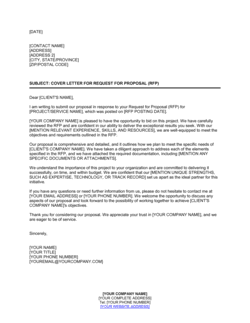
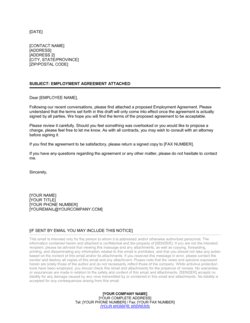
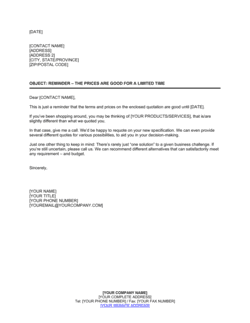
Sender and recipient details, a reference line tying the letter to the specific quote, an introductory paragraph explaining the purpose, a brief summary of scope and pricing highlights, validity period, call to action, and a professional closing with contact information.

What is a Cover Letter for a Cost Quotation?

A Cover Letter for a Cost Quotation is a short formal business letter sent alongside a detailed pricing document to introduce the quote, establish context, and guide the recipient toward a clear next step. It identifies both parties, references the attached quotation by number and scope, states the total price and how long it remains valid, and tells the buyer exactly how to accept. Rather than replacing the quotation itself, it acts as a professional transmittal that ensures the pricing document lands with the right person, in the right context, with no ambiguity about what action is expected.

Why You Need This Document

Sending a cost quotation without a cover letter is like submitting a contract without an explanation β€” the recipient receives numbers but no frame of reference, no named contact, and no instruction on how to proceed. In competitive procurement situations, a well-structured cover letter signals professionalism and differentiates your submission from vendors who attach a bare spreadsheet. Practically, it protects you too: by stating the validity period and tax treatment in writing, you prevent buyers from holding you to a stale price or disputing whether taxes were included. This template gives you a ready-to-use structure that takes under 10 minutes to complete and presents your pricing with the clarity and confidence that shortens the buyer's decision cycle.

Which variant fits your situation?

If your situation is…Use this template
Responding to a formal Request for Quotation (RFQ)Cover Letter for a Cost Quotation
Submitting a detailed project cost estimate to a clientCost Estimate Letter
Sending a price list to a wholesale or trade buyerPrice Quote Letter
Presenting a full scope-of-work proposal with pricingBusiness Proposal
Following up after a quotation has not received a responseFollow-Up Letter for a Quotation
Revising and resubmitting a previously submitted quoteRevised Quotation Cover Letter
Providing a proforma invoice before work commencesProforma Invoice

Common mistakes to avoid

❌ No validity period stated

Why it matters: Without an expiry date, a buyer can accept a quote months later and claim the old price is binding β€” even if your costs have risen significantly.

Fix: Always include a specific expiry date (e.g., 'valid until [DATE]') and set calendar reminders to follow up before it lapses.

❌ Addressing the letter to 'To Whom It May Concern'

Why it matters: Generic salutations signal a mass-distributed quote with no tailoring, which weakens your competitive position and reduces the chance the letter reaches the decision-maker.

Fix: Identify the named procurement contact from the RFQ document, company website, or a brief phone call before submitting.

❌ Ambiguous tax treatment

Why it matters: A buyer who assumes the quoted price is tax-inclusive will dispute the final invoice when taxes appear as a separate line β€” delaying payment and damaging the relationship.

Fix: State explicitly in the pricing paragraph whether the total is exclusive or inclusive of applicable taxes, and name the tax type (GST, VAT, sales tax).

❌ No clear call to action

Why it matters: Ending the letter with a vague 'please do not hesitate to contact us' leaves the recipient without a defined next step, extending the decision cycle unnecessarily.

Fix: Write a specific instruction: who to contact, how to accept (signed form, email, phone), and by what date β€” one sentence is sufficient.

The 9 key clauses, explained

Sender and recipient header

In plain language: Identifies your company and the recipient's organization with full addresses, the letter date, and any reference numbers.

Sample language
[YOUR COMPANY NAME] | [ADDRESS] | [CITY, STATE ZIP] | [DATE] | Attn: [RECIPIENT NAME], [TITLE] | [RECIPIENT COMPANY] | [ADDRESS]

Common mistake: Addressing the letter to a company name rather than a named individual. Letters without a named recipient are often deprioritized in procurement queues.

Subject / reference line

In plain language: A single line that ties the cover letter directly to the attached quotation by quote number, project name, or RFQ reference.

Sample language
Re: Cost Quotation No. [QUOTE NUMBER] β€” [PROJECT OR SERVICE DESCRIPTION]

Common mistake: Omitting the reference line entirely. Without it, recipients must read the full letter to match it to the correct quote, slowing the approval process.

Opening paragraph β€” purpose statement

In plain language: States why the letter is being sent, references the attached quotation, and acknowledges the buyer's request if one was made.

Sample language
We are pleased to submit the enclosed cost quotation No. [QUOTE NUMBER] in response to your Request for Quotation dated [DATE] for [DESCRIPTION OF GOODS OR SERVICES].

Common mistake: Opening with a generic pleasantry like 'We hope this letter finds you well' before stating the purpose. The recipient should know what the letter is about by the end of the first sentence.

Scope summary

In plain language: A brief, plain-language description of what the quote covers β€” enough for the recipient to confirm it matches their requirement without reading the full quotation.

Sample language
The quotation covers [DESCRIPTION OF SCOPE] as outlined in your specifications dated [DATE], including [KEY DELIVERABLE OR ITEM 1] and [KEY DELIVERABLE OR ITEM 2].

Common mistake: Repeating every line item from the quotation in the letter body. The cover letter summarizes; the attached document contains the detail.

Pricing highlight and total

In plain language: States the total quoted price and any key pricing assumptions β€” currency, tax inclusion or exclusion, and any volume-based conditions.

Sample language
Our total quoted price for the above scope is [CURRENCY] [TOTAL AMOUNT], exclusive of [APPLICABLE TAXES]. This price assumes [KEY ASSUMPTION, e.g., delivery within [CITY]].

Common mistake: Not stating whether the price includes or excludes tax. Buyers who assume tax-inclusive pricing experience invoice shock and push back on payment.

Validity period

In plain language: Tells the recipient how long the quoted price is firm, so they know the deadline for acceptance.

Sample language
This quotation is valid for [30 / 60 / 90] days from the date of this letter, until [EXPIRY DATE].

Common mistake: Omitting a validity period entirely. Without one, the seller may be held to a price that is no longer commercially viable months after submission.

Terms and conditions reference

In plain language: Points the recipient to the payment, delivery, and warranty terms included in the attached quotation or a linked terms document.

Sample language
This quotation is subject to our standard Terms and Conditions attached hereto, including payment terms of [NET 30 FROM INVOICE DATE] and delivery lead time of [X] business days.

Common mistake: Burying or omitting payment terms in the cover letter. Buyers sometimes accept a quote without reading the attachment β€” state Net terms explicitly here.

Call to action

In plain language: Tells the recipient the specific next step β€” how to accept, who to contact, and by when β€” removing any ambiguity about how to proceed.

Sample language
To accept this quotation, please sign and return the acceptance form on page [X] of the attached document, or contact [CONTACT NAME] at [EMAIL] / [PHONE] by [ACCEPTANCE DEADLINE DATE].

Common mistake: Ending the letter with 'We look forward to hearing from you' and no specific instruction. A vague close extends the decision cycle.

Closing and signature block

In plain language: A professional sign-off with the sender's name, title, company, direct phone, and email address.

Sample language
Yours sincerely, [SENDER FULL NAME] | [TITLE] | [COMPANY NAME] | [DIRECT PHONE] | [EMAIL ADDRESS]

Common mistake: Using only a first name or a generic company signature. For formal quotation packages, the recipient needs a named contact to proceed with acceptance or negotiation.

How to fill it out

  1. 1

    Fill in the header with sender and recipient details

    Enter your company name, address, and the letter date at the top. Below that, add the recipient's full name, title, company, and address. Include your quote reference number or their RFQ number if one was issued.

    πŸ’‘ Always address the letter to a named individual β€” check LinkedIn or the RFQ document for the correct procurement contact name.

  2. 2

    Write the subject line with the quote reference

    Insert your quote number and a brief description of the goods or services in the Re: line. This single line allows the recipient to file and retrieve the letter instantly.

    πŸ’‘ Use the same reference number that appears on the attached quotation document so both items are clearly linked.

  3. 3

    Draft the opening paragraph

    State in the first sentence that you are submitting the enclosed quotation, reference the RFQ or conversation that prompted it, and confirm the date of that request.

    πŸ’‘ If the quotation is unsolicited, replace the RFQ reference with a brief statement of why you believe the recipient will benefit from the pricing.

  4. 4

    Summarize the scope in two to three sentences

    Describe what the quotation covers at a high level β€” product category, service description, or project phase. Do not copy the line items; just confirm the scope matches what the buyer requested.

    πŸ’‘ Mirror the buyer's own language from their RFQ or spec sheet β€” it signals attentiveness and reduces the chance of a scope mismatch query.

  5. 5

    State the total price and tax treatment

    Write the total quoted amount, the currency, and whether the figure includes or excludes applicable taxes. Note any key pricing assumptions such as delivery location or minimum order quantity.

    πŸ’‘ Spell out the currency code (USD, CAD, GBP) rather than relying on the symbol alone β€” this removes ambiguity in cross-border submissions.

  6. 6

    Add the validity period and call to action

    Insert the number of days the price is firm and calculate the exact expiry date. Then write a clear instruction for how the recipient accepts β€” signed return, email confirmation, or phone call β€” and name the specific contact.

    πŸ’‘ 30-day validity is standard for most service quotes; use 60 days for construction or complex procurement where internal approvals take longer.

  7. 7

    Sign off with full contact details

    Close with a professional valediction, your full name, title, company, direct phone, and email. For formal tender submissions, include your company registration number if required.

    πŸ’‘ Export the final letter as a PDF before attaching it to your quotation package β€” it prevents accidental edits and ensures formatting is preserved.

Frequently asked questions

What is a cover letter for a cost quotation?

A cover letter for a cost quotation is a short formal business letter sent alongside a detailed pricing document. It introduces the quotation, summarizes the scope and total price, states how long the price is valid, and tells the recipient how to accept. It gives buyers the essential context they need before reviewing line-item detail and projects a professional image for the submitting company.

Is a cover letter required when submitting a cost quotation?

It is not legally required for most commercial transactions, but it is strongly recommended in any formal or competitive context. Government tenders and corporate procurement processes frequently specify that quotations must be accompanied by a signed cover letter. Even when not mandated, a well-written cover letter increases the likelihood that the recipient opens and acts on the attached quote promptly.

What should a cost quotation cover letter include?

At minimum: sender and recipient details, a reference line with the quote number, a one-paragraph purpose statement, a brief scope summary, the total quoted price with tax treatment, the validity period, a clear call to action, and a signature block with direct contact information. Missing the validity period or call to action are the two most common omissions that slow the buyer's response.

How long should a cover letter for a cost quotation be?

One page is the standard. The cover letter is not the place for detailed specifications, full terms, or marketing material β€” those belong in the attached quotation. Three to five short paragraphs covering purpose, scope, price, validity, and next steps is the right length for any commercial audience.

What is the difference between a cover letter for a quotation and the quotation itself?

The quotation is the detailed pricing document listing every line item, unit price, quantity, tax, and commercial term. The cover letter is the transmittal document that introduces the quotation, provides context, and guides the recipient through the next steps. The cover letter is read first; the quotation is the supporting document it references.

How long should a quotation validity period be?

30 days is standard for most service and product quotes. Use 60 days for construction, large equipment, or any situation where the buyer's internal approval process is known to be lengthy. Avoid open-ended validity β€” material and labor costs change, and an undated quote can be accepted at a price that is no longer profitable.

Can I use this cover letter template for a tender or government RFQ submission?

Yes, with minor adjustments. Government and institutional tenders often require your company registration number, a declaration of accuracy, and a handwritten or digital signature. Review the tender instructions for any mandatory cover-page wording and incorporate those elements into the relevant sections of this template before submission.

Should the cover letter be signed?

For most commercial quotations, a printed name and title in the closing block is sufficient. For formal tenders, government contracts, or high-value proposals, a wet or digital signature adds credibility and may be required by the buyer's procurement policy. When in doubt, sign it.

How this compares to alternatives

vs Business Proposal

A business proposal is a persuasive document that identifies a problem, presents a recommended solution, and justifies the approach before arriving at pricing. A cover letter for a cost quotation assumes the scope is already agreed and simply introduces the pricing document. Use a proposal when you need to win the brief; use a quotation cover letter when you have already been invited to price.

vs Sales Letter

A sales letter is designed to generate interest in a product or service and prompt an initial response from a cold or warm prospect. A cost quotation cover letter is sent to a buyer who has already expressed intent to purchase and is evaluating pricing. The tone and purpose are fundamentally different: selling vs. confirming.

vs Proforma Invoice

A proforma invoice is a preliminary billing document that states the price before a formal order is placed, often used for customs or advance payment purposes. A cost quotation cover letter introduces a quote that has not yet been accepted. The proforma invoice is issued after verbal acceptance to formalize the amount; the quotation letter precedes acceptance.

vs Letter of Intent

A letter of intent is issued by the buyer to signal a commitment to proceed, often before a contract is finalized. A cover letter for a cost quotation is issued by the seller to present pricing and invite acceptance. They travel in opposite directions: the quotation letter comes from the vendor; the letter of intent comes back from the buyer.

Industry-specific considerations

Construction and Trades

Quotations cover labor, materials, and subcontractor costs by phase; the cover letter must reference the project address, tender number, and bid bond if applicable.

Professional Services

Quotes are typically scope-and-fee based; the cover letter should reference the discovery meeting or SOW that prompted the estimate and note any exclusions clearly.

Manufacturing and Wholesale

Quotes include unit pricing, MOQs, lead times, and Incoterms for international buyers; the cover letter highlights volume discount thresholds and delivery assumptions.

Technology and IT Services

Quotes cover licensing, implementation, and support fees; the cover letter should distinguish one-time costs from recurring fees and reference the SLA included in the attachment.

Template vs pro β€” what fits your needs?

PathBest forCostTime
Use the templateAny business submitting standard commercial or service quotationsFree10 minutes per letter
Template + professional reviewHigh-value tenders, government RFQ submissions, or multinational procurement contexts$50–$200 (business writer or senior colleague review)1–2 hours
Custom draftedComplex consortium bids, regulated-industry procurement, or submissions requiring legal declarations$200–$800 (bid writer or commercial lawyer)1–3 days

Glossary

Cost Quotation
A formal document stating the price a seller will charge for specified goods or services, valid for a defined period.
Request for Quotation (RFQ)
A formal buyer-issued document inviting suppliers to submit pricing for a defined scope of goods or services.
Validity Period
The length of time a quoted price remains firm and binding on the seller β€” typically 30, 60, or 90 days from the date of issue.
Transmittal Letter
A brief cover letter that introduces and references an attached document, confirming what is enclosed and why it is being sent.
Scope of Work
A defined description of the specific tasks, deliverables, quantities, or services covered by the quoted price.
Reference Number
A unique identifier β€” such as a quote number or RFQ number β€” used by both parties to track the quotation through approval and purchase processes.
Call to Action
A direct instruction to the recipient specifying the desired next step β€” for example, signing and returning an acceptance form by a stated date.
Terms and Conditions
The standard commercial provisions governing the sale β€” payment schedule, delivery lead time, exclusions, and warranty β€” referenced in the cover letter and detailed in the quotation itself.
Point of Contact
The named individual the recipient should reach out to with questions or to proceed β€” typically the sender or their designated sales or accounts contact.

Part of your Business Operating System

This document is one of 3,000+ business & legal templates included in Business in a Box.

  • Fill-in-the-blanks β€” ready in minutes
  • 100% customizable Word document
  • Compatible with all office suites
  • Export to PDF and share electronically

Create your document in 3 simple steps.

From template to signed document β€” all inside one Business Operating System.
1
Download or open template

Access over 3,000+ business and legal templates for any business task, project or initiative.

2
Edit and fill in the blanks with AI

Customize your ready-made business document template and save it in the cloud.

3
Save, Share, Send, Sign

Share your files and folders with your team. Create a space of seamless collaboration.

Save time, save money, and create top-quality documents.

β˜…β˜…β˜…β˜…β˜…

"Fantastic value! I'm not sure how I'd do without it. It's worth its weight in gold and paid back for itself many times."

Managing Director Β· Mall Farm
Robert Whalley
Managing Director, Mall Farm Proprietary Limited
β˜…β˜…β˜…β˜…β˜…

"I have been using Business in a Box for years. It has been the most useful source of templates I have encountered. I recommend it to anyone."

Business Owner Β· 4+ years
Dr Michael John Freestone
Business Owner
β˜…β˜…β˜…β˜…β˜…

"It has been a life saver so many times I have lost count. Business in a Box has saved me so much time and as you know, time is money."

Owner Β· Upstate Web
David G. Moore Jr.
Owner, Upstate Web

Run your business with a system β€” not scattered tools

Stop downloading documents. Start operating with clarity. Business in a Box gives you the Business Operating System used by over 250,000 companies worldwide to structure, run, and grow their business.

Start freeΒ Β·Β No credit card required