Record of Disciplinary Action and Proposed Changes Template

Free Word download β€’ Edit online β€’ Save & share with Drive β€’ Export to PDF

2 pagesβ€’20–30 min to fillβ€’Difficulty: Standardβ€’Signature requiredβ€’Legal review recommended
Learn more ↓
FreeRecord of Disciplinary Action and Proposed Changes Template

At a glance

What it is
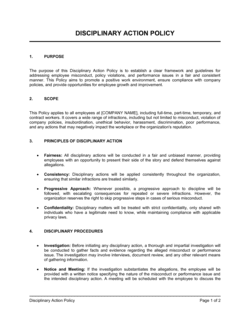
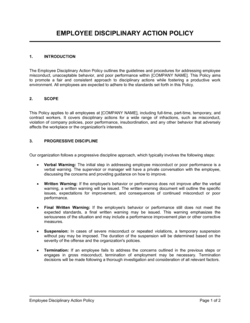
A Record of Disciplinary Action and Proposed Changes is a formal written document that an employer uses to document an employee's misconduct or performance failure, the disciplinary measure being applied, and the specific behavioral or performance changes required going forward. This free Word download gives you a structured, legally defensible form you can edit online and export as PDF for signature and retention in the employee's personnel file.
When you need it
Use it whenever an employee's conduct, attendance, or performance requires a formal written response β€” from a first written warning through suspension or a final notice preceding termination. It is also appropriate when documenting the outcome of a disciplinary hearing or investigation.
What's inside
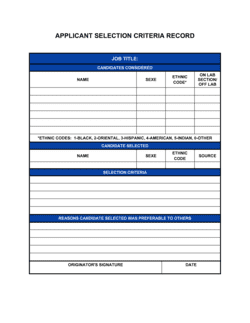
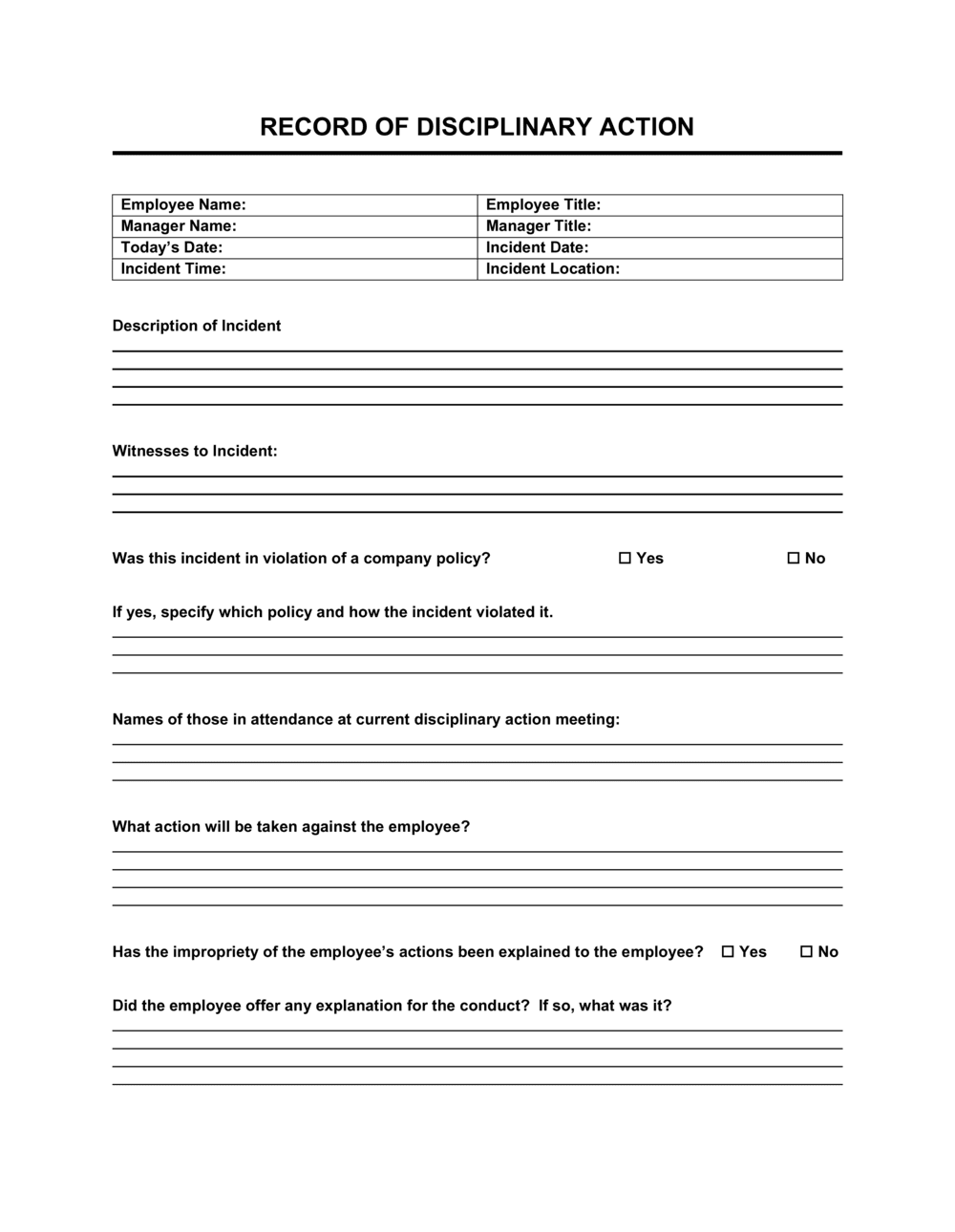
Employee and employer identification, description of the incident or violation, prior disciplinary history, applicable policy references, the disciplinary action imposed, specific proposed changes and timelines, consequences for non-compliance, and dual signature blocks for both manager and employee.

What is a Record of Disciplinary Action and Proposed Changes?

A Record of Disciplinary Action and Proposed Changes is a formal written document an employer uses to record an employee's specific misconduct, policy violation, or performance failure; the formal disciplinary consequence being imposed; and the concrete behavioral or performance changes the employee is required to make going forward. Unlike an informal verbal warning, this document creates a signed, dated, and retained record that establishes the employer gave the employee clear notice of the problem, applied a proportionate consequence, and provided a genuine opportunity to correct the issue before further action was taken. It functions as both a corrective tool and a legal defense document β€” the primary evidence an employer presents when a termination or disciplinary action is later challenged.

Why You Need This Document

Without a written, signed disciplinary record, an employer facing a wrongful termination claim, unfair dismissal tribunal, or discrimination complaint has no contemporaneous evidence that a fair process was followed. Courts and employment tribunals across every major jurisdiction assess three questions: Was the employee told specifically what they did wrong? Was the consequence proportionate? Were they given a genuine chance to improve? A properly completed record of disciplinary action answers all three. Relying on managers' verbal recollections of undocumented warnings is not enough β€” memories diverge, witnesses leave, and the employer's position becomes a credibility contest rather than a documented fact. This template gives you a consistent, legally defensible framework that protects the business at every stage of the discipline process, from a first written warning through the steps that may precede termination.

Which variant fits your situation?

If your situation is…Use this template
First informal notice of a minor performance issueVerbal Warning Record
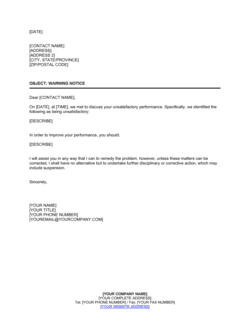
First formal written warning for policy violation or misconductEmployee Written Warning Notice
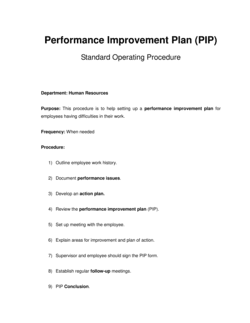
Structured performance improvement plan with measurable targetsPerformance Improvement Plan (PIP)
Suspension pending investigation of serious misconductEmployee Suspension Letter
Final written warning before terminationFinal Written Warning Letter
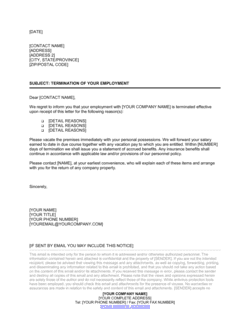
Formal termination following exhausted disciplinary stepsEmployee Dismissal Letter
Documentation of a disciplinary hearing outcomeDisciplinary Hearing Outcome Letter

Common mistakes to avoid

❌ Vague incident descriptions without dates or facts

Why it matters: An incident described only as 'repeated unprofessional conduct' cannot be defended in an employment tribunal or wrongful termination lawsuit β€” the employer cannot prove what occurred, when, or why it violated policy.

Fix: Document the specific date, time, location, observed behavior, and policy reference for every incident. If multiple incidents are being addressed, list each one separately with its own date.

❌ Skipping steps in the progressive discipline process

Why it matters: Jumping from a first offense to termination without intermediate steps β€” unless the misconduct is gross β€” exposes the employer to unfair dismissal claims in most jurisdictions outside the US.

Fix: Follow the progressive discipline sequence documented in your employee handbook: verbal warning, written warning, final warning, termination. Document each step with a signed record.

❌ Using subjective or characterizing language

Why it matters: Language like 'bad attitude,' 'difficult to work with,' or 'disruptive personality' is opinion, not fact β€” it opens the employer to discrimination claims and makes objective assessment of improvement impossible.

Fix: Replace every subjective characterization with a specific observed behavior: 'On three occasions in March, [EMPLOYEE] interrupted colleagues during team meetings and raised their voice when given feedback.'

❌ Failing to allow the employee to respond in writing

Why it matters: Denying an employee the opportunity to document their account of events violates natural justice principles applied in Canada, the UK, and the EU β€” and can cause an otherwise valid disciplinary action to be overturned at tribunal.

Fix: Always include a dedicated employee response section in the form. If the employee declines to comment, note that in the record. Never remove or override their written rebuttal.

❌ Not obtaining or recording the employee's signature

Why it matters: Without a signature or documented refusal, the employer cannot prove the employee received the disciplinary record β€” which becomes critical if the matter proceeds to litigation or tribunal.

Fix: Always obtain the employee's signature at the time the record is presented. If they refuse, document the refusal with a witness present and note it on the form.

❌ Destroying disciplinary records before the limitation period expires

Why it matters: Employment discrimination and wrongful termination claims can be filed months or years after the fact. Destroyed records leave the employer without the documentation needed to defend the disciplinary steps taken.

Fix: Retain all disciplinary records for a minimum of 3–7 years from the date of issue or from the date of separation, whichever is later β€” and follow jurisdiction-specific retention requirements.

The 10 key clauses, explained

Employee and Employer Identification

In plain language: Records the employee's full name, job title, department, hire date, and the supervisor or HR representative issuing the record.

Sample language
Employee: [EMPLOYEE FULL NAME] | Title: [JOB TITLE] | Department: [DEPARTMENT] | Hire Date: [DATE] | Issued by: [MANAGER NAME], [TITLE] | Date of Record: [DATE]

Common mistake: Using a nickname or informal name instead of the employee's legal name as it appears in payroll records β€” creating a mismatch that weakens the document's enforceability.

Description of Incident or Violation

In plain language: A factual, date-specific account of the conduct or performance failure being addressed, including what occurred, when, where, and who was involved.

Sample language
On [DATE] at approximately [TIME], [EMPLOYEE NAME] [DESCRIPTION OF CONDUCT] in violation of [POLICY NAME / SECTION]. Witnesses present: [NAMES OR 'NONE'].

Common mistake: Using vague language like 'unprofessional behavior' without specific facts, dates, or policy references. Vague descriptions make the record nearly impossible to defend in an employment tribunal or wrongful termination claim.

Applicable Policy or Rule Reference

In plain language: Identifies the specific company policy, handbook section, or workplace rule that the employee's conduct violated.

Sample language
This conduct constitutes a violation of [COMPANY NAME] Employee Handbook, Section [X.X]: [POLICY TITLE], effective [DATE].

Common mistake: Referencing a policy that does not exist in writing, has not been distributed to employees, or was not in effect at the time of the incident β€” undermining the entire disciplinary basis.

Prior Disciplinary History

In plain language: Summarizes any previous warnings, corrective actions, or disciplinary records related to the same or similar conduct, with dates.

Sample language
Prior disciplinary actions on file: (1) Verbal warning dated [DATE] regarding [ISSUE]; (2) Written warning dated [DATE] regarding [ISSUE]. This record represents Step [X] of the progressive discipline process.

Common mistake: Omitting prior history when it exists, making a termination that follows appear to lack progressive steps β€” which courts and employment tribunals use to assess fairness.

Disciplinary Action Imposed

In plain language: States clearly the specific consequence being applied β€” written warning, suspension with or without pay, demotion, or final warning β€” and the effective dates.

Sample language
Effective [DATE], the following disciplinary action is imposed: [WRITTEN WARNING / SUSPENSION WITHOUT PAY FOR X DAYS / DEMOTION TO TITLE / FINAL WRITTEN WARNING].

Common mistake: Choosing a consequence disproportionate to the violation β€” either too lenient to demonstrate seriousness or so severe relative to the offense that it exposes the employer to a discrimination or unfair dismissal claim.

Proposed Changes and Performance Expectations

In plain language: Defines the specific, measurable behavioral or performance changes the employee must make, with clear deadlines and success criteria.

Sample language
Employee is required to: (1) [SPECIFIC BEHAVIORAL CHANGE] by [DATE]; (2) [PERFORMANCE METRIC] measured over [TIMEFRAME]; (3) [ATTENDANCE / CONDUCT STANDARD] effective immediately.

Common mistake: Stating improvements in subjective terms like 'improve attitude' rather than observable, measurable actions β€” making it impossible to objectively assess compliance during any follow-up review.

Consequences for Non-Compliance

In plain language: Explicitly states what will happen if the employee fails to meet the required changes within the specified timeframe β€” typically further discipline up to and including termination.

Sample language
Failure to meet the requirements set out above within [TIMEFRAME] will result in further disciplinary action, up to and including termination of employment, without further warning.

Common mistake: Omitting this clause entirely, which allows the employee to argue they had no notice that continued non-compliance would lead to termination β€” weakening any subsequent dismissal.

Employee Response Section

In plain language: Provides space for the employee to record their own account of the incident or formally note any disagreement with the record's contents.

Sample language
Employee Comments: [EMPLOYEE STATEMENT OR 'I acknowledge receipt of this record but do not agree with its contents for the following reasons: ___']

Common mistake: Refusing to allow the employee to document a rebuttal. Suppressing employee comments can be cited as evidence of procedural unfairness in grievance or tribunal proceedings.

Signature and Acknowledgment Block

In plain language: Captures signatures from both the issuing manager and the employee, with a clear statement that the employee's signature confirms receipt and review β€” not necessarily agreement.

Sample language
Employee Signature: _______________ Date: ________ | Manager Signature: _______________ Date: ________ | By signing, the employee acknowledges receipt and review of this record. Signature does not constitute admission or agreement.

Common mistake: Leaving the acknowledgment language off the signature block β€” which allows an employee to later claim their signature constituted agreement to facts they disputed, creating a credibility conflict.

Distribution and Retention Notice

In plain language: States who receives copies of the completed record β€” typically the employee, the issuing manager, and HR β€” and where the original is retained.

Sample language
Original: Employee Personnel File | Copy: Employee | Copy: Department Manager | Copy: HR Department. Retained for a minimum of [X] years from date of issue or [X] years following separation of employment, whichever is later.

Common mistake: Failing to specify retention periods, leading to records being destroyed before the statute of limitations on employment claims has expired β€” leaving the employer without documentation when it is needed most.

How to fill it out

  1. 1

    Complete the employee and employer identification section

    Enter the employee's full legal name as it appears in payroll, their job title, department, hire date, and the name and title of the issuing manager. Record the date the form is being issued.

    πŸ’‘ Cross-reference the employee's onboarding documents to confirm the correct legal name and hire date before issuing.

  2. 2

    Write a factual, specific incident description

    Document exactly what occurred: the date, time, location, a plain description of the conduct or performance failure, and any witnesses. Stick to observable facts β€” avoid characterizations or opinions.

    πŸ’‘ Write in the third person ('On [DATE], [EMPLOYEE] failed to...') and review the description against the 'who, what, when, where' test before finalizing.

  3. 3

    Reference the applicable policy or rule

    Identify the specific handbook section, policy name, or workplace rule that was violated, including the version and effective date. Confirm the policy was in writing and distributed to the employee before the incident.

    πŸ’‘ Keep a signed acknowledgment of policy receipt in each employee's file β€” without it, policy references can be challenged as unenforceable.

  4. 4

    Document prior disciplinary history

    List any previous verbal warnings, written warnings, or other corrective actions on file for this employee, with dates and brief summaries. Confirm the record reflects the correct step in your progressive discipline process.

    πŸ’‘ If no prior history exists, state 'No prior disciplinary record on file' explicitly rather than leaving the field blank.

  5. 5

    State the specific disciplinary action being imposed

    Select and record the exact consequence β€” written warning, unpaid suspension, demotion, or final warning β€” along with the effective date. Ensure the consequence is proportionate to the severity and frequency of the violation.

    πŸ’‘ For suspensions, confirm whether applicable employment standards legislation in your jurisdiction requires pay continuation during suspension pending investigation.

  6. 6

    Define measurable proposed changes with deadlines

    List each required change as a specific, observable behavior or performance metric with a clear deadline. Avoid subjective language β€” 'reduce unexcused absences to zero over the next 60 days' is enforceable; 'improve attendance' is not.

    πŸ’‘ Limit proposed changes to three to five items. A list of ten requirements is unmanageable for the employee and signals the employer is building a termination case rather than genuinely seeking improvement.

  7. 7

    Add the consequences for non-compliance

    Include explicit language stating that failure to meet the proposed changes within the specified timeframe will result in further discipline, up to and including termination. This language must appear in the document body, not just be communicated verbally.

    πŸ’‘ If this is a final written warning, state 'This is a final written warning. Further violations will result in immediate termination.' Ambiguous language about 'possible further action' has been used successfully to challenge dismissals.

  8. 8

    Conduct the meeting, allow employee response, and obtain signatures

    Present the record in a private, documented meeting. Give the employee time to read it and allow them to record their comments or rebuttal in the designated section. Obtain both signatures and provide the employee with a copy immediately.

    πŸ’‘ If the employee refuses to sign, write 'Employee declined to sign β€” copy provided on [DATE], witnessed by [NAME]' in the signature block rather than leaving it blank.

Frequently asked questions

What is a record of disciplinary action?

A record of disciplinary action is a formal written document an employer uses to document an employee's misconduct, policy violation, or performance failure, the disciplinary measure imposed, and the specific changes the employee is required to make. It creates a contemporaneous, signed record that supports progressive discipline and protects the employer in any subsequent wrongful termination or unfair dismissal claim.

When should a disciplinary action record be used instead of a verbal warning?

A written record is appropriate from the first formal step in a progressive discipline process β€” typically when a verbal warning has already been given and the issue continues, or when the initial violation is serious enough to warrant immediate written documentation. Any suspension, demotion, or final warning must always be in writing. Verbal warnings alone leave no enforceable paper trail.

Does the employee have to sign the disciplinary record?

The employee's signature confirms receipt and review of the document β€” not agreement with its contents. In most jurisdictions, the employer can proceed without the employee's signature by documenting the refusal on the form and noting a witness. However, a signed acknowledgment is significantly stronger evidence that the employee was formally notified of the issue and the required changes.

Can a disciplinary record be used as evidence in a wrongful termination claim?

Yes β€” a properly completed, signed, and retained disciplinary record is typically the primary evidence an employer presents to demonstrate that a termination followed a fair and documented process. Courts and employment tribunals assess whether the employer gave clear notice of the problem, applied consistent and proportionate consequences, and gave the employee a genuine opportunity to improve. A complete set of disciplinary records supports all three of those tests.

What is the difference between a disciplinary action record and a performance improvement plan?

A disciplinary action record documents a specific incident or violation and the formal consequence imposed β€” it is reactive and event-specific. A performance improvement plan (PIP) is a forward-looking document that sets structured targets and timelines for improvement, typically used for sustained performance issues rather than single incidents of misconduct. Many employers use both: the disciplinary record documents the triggering event; the PIP sets the improvement roadmap. The proposed changes section of this template bridges both functions.

How long should disciplinary records be retained?

Retention requirements vary by jurisdiction, but a common baseline is 3–7 years from the date of issue or from the employee's separation date, whichever is later. In the US, EEOC charge filing periods run up to 300 days, but related litigation can extend well beyond that. In Canada and the UK, employment tribunal time limits are shorter, but prudent employers retain records for at least 6 years to cover related claims. Store records in a locked, access-controlled personnel file.

What should happen if the employee disagrees with the disciplinary record?

Allow the employee to document their disagreement in the employee response section of the form. Their rebuttal becomes part of the official record β€” do not remove or alter it. The manager and HR should review the employee's comments and, if they reveal new factual information that changes the assessment, update the record accordingly before finalizing. The existence of a documented employee rebuttal generally strengthens the employer's procedural fairness position rather than weakening it.

Can a disciplinary record be removed from an employee's file?

Company policy may allow for the removal or expungement of disciplinary records after a defined period of clean conduct β€” typically 12–24 months. This policy, if it exists, must be applied consistently and documented in the employee handbook. In some jurisdictions, collective agreements or employment standards legislation specify expungement rights. Absent a policy or legal requirement, the employer is generally entitled to retain all disciplinary records for the duration of employment and beyond.

Do I need a lawyer to issue a disciplinary action record?

For routine written warnings and standard progressive discipline, a well-drafted template is generally sufficient. Engage an employment lawyer when the disciplinary action involves a protected characteristic such as disability, pregnancy, or union membership; when the employee has threatened legal action; when the misconduct could support a criminal referral; or when the next step is termination of a long-tenured or senior employee. A 1–2 hour legal review typically costs $200–$500 and is worthwhile before any termination.

How this compares to alternatives

vs Employee Warning Notice

An employee warning notice is a shorter form focused on notifying an employee of a specific policy violation. A record of disciplinary action and proposed changes is more comprehensive β€” it documents the full incident, prior disciplinary history, the specific action imposed, measurable corrective requirements, and explicit consequences for non-compliance. Use the warning notice for early-stage warnings; use this record when formal progressive discipline steps are required or when termination may follow.

vs Performance Improvement Plan

A performance improvement plan is a forward-looking document that sets structured performance targets and timelines for sustained underperformance. A disciplinary action record is event-triggered and documents a specific violation and its formal consequence. Many employers issue both: the disciplinary record for the triggering incident; the PIP for the improvement roadmap. Neither replaces the other when both are applicable.

vs Employee Dismissal Letter

A dismissal letter communicates the termination decision and its effective date. A record of disciplinary action documents the steps that preceded termination and justifies the decision. The dismissal letter ends the employment relationship; the disciplinary record is the evidentiary foundation that makes the dismissal defensible. Both documents should be retained together in the personnel file.

vs Employee Suspension Letter

A suspension letter communicates a temporary removal from the workplace, often pending investigation. A disciplinary action record documents the outcome of that process β€” the formal finding, the consequence imposed, and the requirements going forward. The suspension letter is procedural; the disciplinary record is the substantive decision document that follows the investigation.

Industry-specific considerations

Retail and Hospitality

High staff turnover and customer-facing roles make consistent documentation of conduct issues β€” tardiness, customer complaints, cash handling violations β€” critical to fair and defensible terminations.

Healthcare

Patient safety incidents, HIPAA violations, and licensing or certification failures require precise factual documentation that can withstand regulatory review as well as internal HR proceedings.

Manufacturing

Safety rule violations and equipment misuse carry elevated legal exposure β€” disciplinary records must reference the specific safety standard breached and document whether corrective training was provided.

Professional Services

Conduct affecting client relationships, confidentiality breaches, and billing irregularities require records that document both the professional standard violated and the proposed remediation steps.

Jurisdictional notes

United States

At-will employment in most states means termination does not require just cause, but documented progressive discipline substantially reduces exposure to discrimination and retaliation claims. Federal law under Title VII, the ADA, and the FMLA prohibits disciplinary actions that disproportionately affect protected classes. Some states β€” including California, New York, and Illinois β€” impose additional notice and procedural requirements for disciplinary actions, particularly in unionized settings.

Canada

Canadian employment law requires just cause for dismissal without severance, and courts apply a high standard β€” a documented, proportionate progressive discipline process is essential. Natural justice principles require that employees receive clear notice of allegations and a fair opportunity to respond before discipline is imposed. Quebec employers must also comply with the Act Respecting Labour Standards, which provides additional reinstatement rights. Unionized employees have additional grievance and arbitration rights that disciplinary records must be able to withstand.

United Kingdom

The ACAS Code of Practice on Disciplinary and Grievance Procedures sets the procedural standard UK employers must follow β€” failure to comply allows employment tribunals to increase awards by up to 25%. Employees with two or more years of service have statutory unfair dismissal rights and are entitled to be accompanied by a colleague or trade union representative at any formal disciplinary meeting. Disciplinary records must be retained in accordance with GDPR and the UK Data Protection Act 2018.

European Union

EU member states generally require documented just cause and procedural fairness for disciplinary actions and terminations, with significant variation in the formality required β€” Germany, France, and Spain impose among the strictest requirements. Under GDPR, disciplinary records constitute sensitive personal data and must be processed under a lawful basis, retained only as long as necessary, and kept securely. Works council consultation is required before formal disciplinary action in many EU jurisdictions including Germany and the Netherlands.

Template vs lawyer β€” what fits your deal?

PathBest forCostTime
Use the templateStandard written warnings and progressive discipline steps for routine conduct or attendance issuesFree20–30 minutes per record
Template + legal reviewFinal written warnings before termination, senior employees, or cases involving any potential discrimination angle$200–$500 (1–2 hour employment lawyer review)1–2 days
Custom draftedComplex misconduct investigations, unionized workplaces, cross-border employment, or cases likely to proceed to tribunal$800–$3,000+3–10 days

Glossary

Progressive Discipline
A structured corrective process that applies increasingly serious consequences β€” verbal warning, written warning, suspension, termination β€” for repeated or escalating violations.
Corrective Action
Specific, documented steps an employee is required to take to bring their conduct or performance into compliance with employer standards.
At-Will Employment
Employment that either party may end at any time for any lawful reason β€” common in most US states β€” though documented discipline still reduces wrongful termination exposure.
Just Cause
A legally sufficient reason for disciplinary action or termination, typically requiring proof of the violation, fair investigation, and proportionate response.
Constructive Dismissal
When an employer's actions β€” including disproportionate or unfair disciplinary measures β€” effectively force an employee to resign, treated legally as a termination.
Personnel File
The employer's official record for each employee, containing employment documents, performance reviews, disciplinary records, and termination paperwork.
Natural Justice
The procedural principle β€” required in Canada, the UK, and many other jurisdictions β€” that an employee must be informed of allegations and given a fair opportunity to respond before discipline is imposed.
Final Written Warning
The last formal step in a progressive discipline process before termination, explicitly stating that further violations will result in dismissal.
Acknowledgment Signature
An employee's signature on a disciplinary record confirming receipt and review β€” not necessarily agreement β€” which is essential for enforceability and record integrity.
Gross Misconduct
Conduct so serious β€” theft, violence, fraud, or serious safety breaches β€” that it justifies immediate termination without prior warnings or notice.

Part of your Business Operating System

This document is one of 3,000+ business & legal templates included in Business in a Box.

  • Fill-in-the-blanks β€” ready in minutes
  • 100% customizable Word document
  • Compatible with all office suites
  • Export to PDF and share electronically

Create your document in 3 simple steps.

From template to signed document β€” all inside one Business Operating System.
1
Download or open template

Access over 3,000+ business and legal templates for any business task, project or initiative.

2
Edit and fill in the blanks with AI

Customize your ready-made business document template and save it in the cloud.

3
Save, Share, Send, Sign

Share your files and folders with your team. Create a space of seamless collaboration.

Save time, save money, and create top-quality documents.

β˜…β˜…β˜…β˜…β˜…

"Fantastic value! I'm not sure how I'd do without it. It's worth its weight in gold and paid back for itself many times."

Managing Director Β· Mall Farm
Robert Whalley
Managing Director, Mall Farm Proprietary Limited
β˜…β˜…β˜…β˜…β˜…

"I have been using Business in a Box for years. It has been the most useful source of templates I have encountered. I recommend it to anyone."

Business Owner Β· 4+ years
Dr Michael John Freestone
Business Owner
β˜…β˜…β˜…β˜…β˜…

"It has been a life saver so many times I have lost count. Business in a Box has saved me so much time and as you know, time is money."

Owner Β· Upstate Web
David G. Moore Jr.
Owner, Upstate Web

Run your business with a system β€” not scattered tools

Stop downloading documents. Start operating with clarity. Business in a Box gives you the Business Operating System used by over 250,000 companies worldwide to structure, run, and grow their business.

Start freeΒ Β·Β No credit card required