1
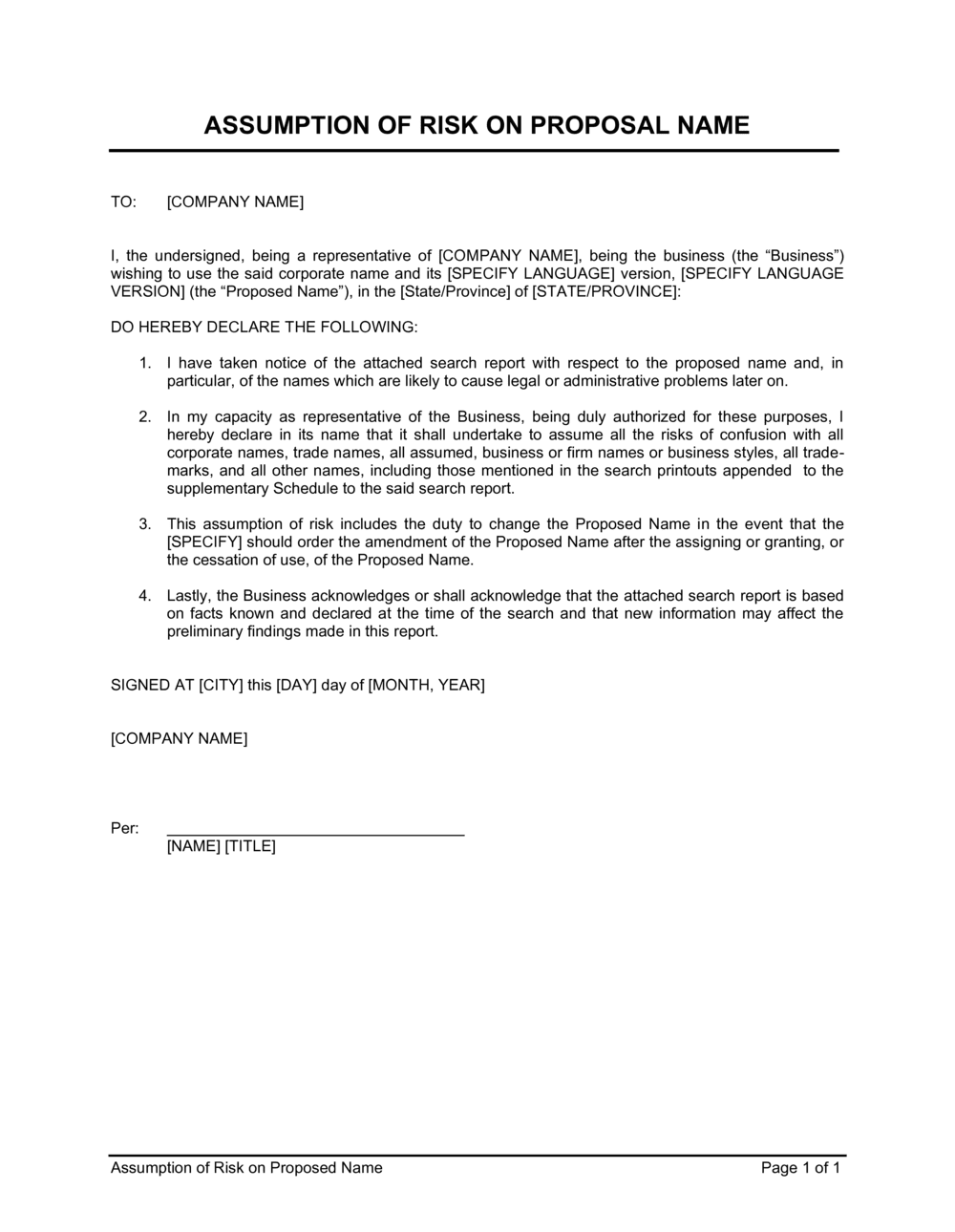
Enter the applicant's full legal name and entity type
Use the exact registered legal name of the entity applying — the same name that appears on the formation documents or articles of incorporation. Include the entity type (LLC, Inc., Corp., LP) and the jurisdiction of formation.
💡 Cross-check the name against your state or provincial business registry to confirm the exact spelling before inserting it into the document.
2
Identify the proposed name precisely
Enter the full proposed name as submitted to the registrar, including any stylization, punctuation, or entity suffix. Also include the registrar's file or reference number if one has been assigned to the application.
💡 If the registrar's similarity warning references a specific existing name, include that exact name in the acknowledgment clause — a vague reference is harder to enforce and may not satisfy the registrar's requirements.
3
Name the approving authority correctly
Insert the full official name of the registrar, government body, or private authority whose approval is being sought — for example, 'Secretary of State of [STATE]' or '[FRANCHISOR LEGAL NAME].' Avoid abbreviations that could create ambiguity.
💡 For state registrars, confirm the official name of the division handling business name registrations — it may differ from the office's common shorthand.
4
Complete the acknowledgment of similarity clause
List the specific existing name or names flagged by the registrar, describe the nature of the similarity (phonetic, visual, or conceptual), and confirm that the applicant has been advised of the conflict in writing.
💡 Attach the registrar's similarity notice or search report as an exhibit. Incorporating it by reference strengthens the document's record of informed consent.
5
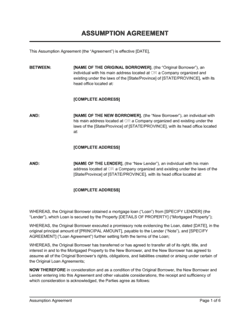
Review and confirm the indemnification scope
Confirm that the indemnification clause covers direct claims, attorneys' fees, and costs — not just final judgments. If the approving authority is a private entity, confirm whether it requires mutual indemnification or a one-way obligation.
💡 If the applicant is a single-member LLC or sole proprietor, consider whether personal assets are exposed under the indemnification — this is a key question for a legal review.
6
Complete the representations and warranties
Check each warranty statement against actual facts: confirm a trademark and name search was conducted, confirm the signatory's title and authority, and confirm that no intent to cause confusion existed in selecting the name.
💡 Retain a copy of the trademark search report (USPTO TESS, WIPO BRAND, or equivalent) dated before the signing date to support the warranty that a search was conducted.
7
Set the governing law to match the registrar's jurisdiction
Enter the state, province, or country where the registrar is located and where the entity is being registered. Confirm that the chosen forum (county and court) is consistent with that jurisdiction.
💡 For multi-state or cross-border registrations, consider having a lawyer confirm which jurisdiction's law controls — conflict-of-laws issues are common when applicant and registrar are in different states.
8
Execute with an authorized signatory before filing
Have the document signed by an officer or member with explicit authority to bind the entity — typically a CEO, President, or Managing Member. Attach a board resolution or operating agreement excerpt if the registrar requires proof of authority.
💡 Date the document on the same day it is signed, not the day it is filed. A signing date that post-dates the filing can raise questions about the document's validity at the time of registration.