1
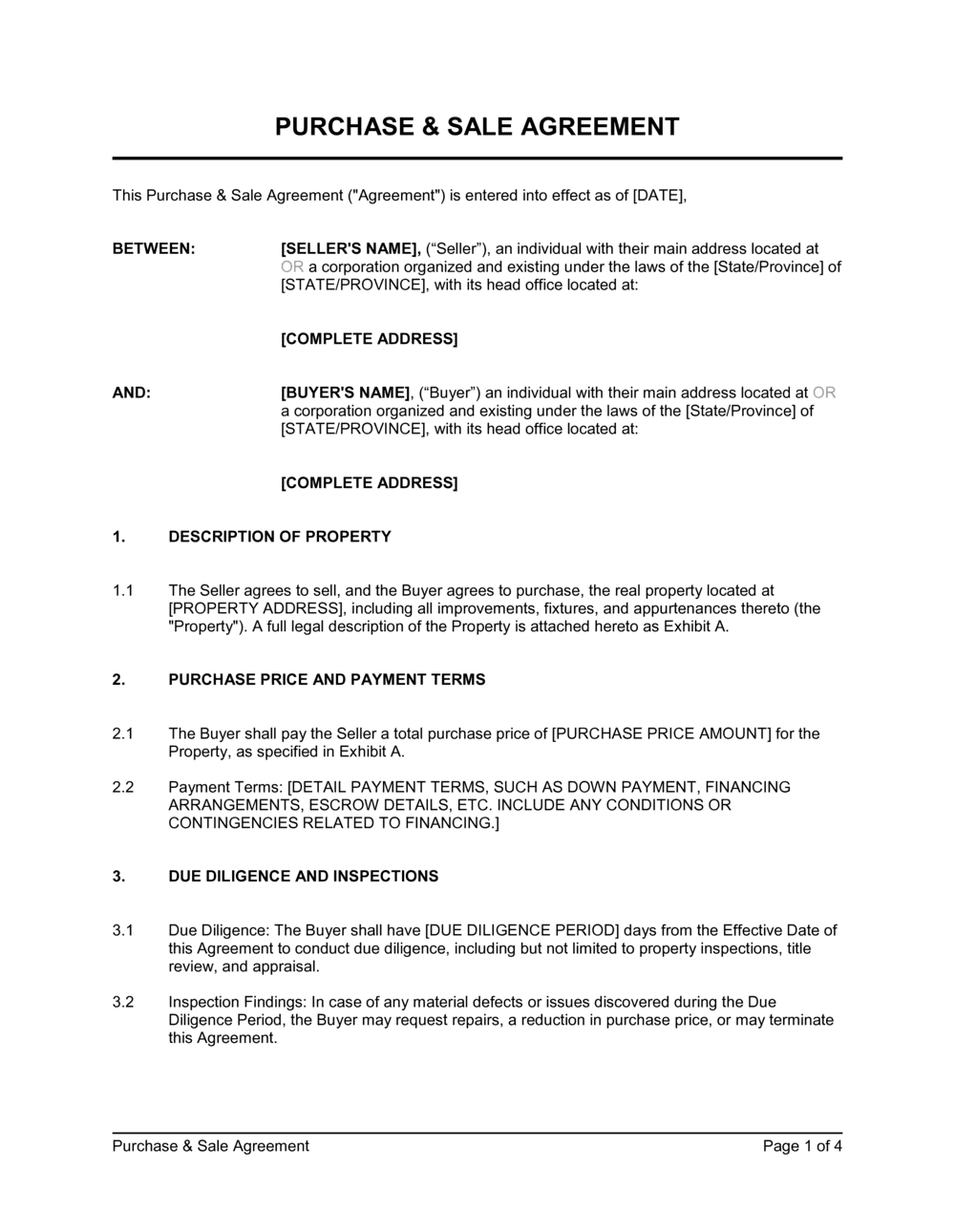
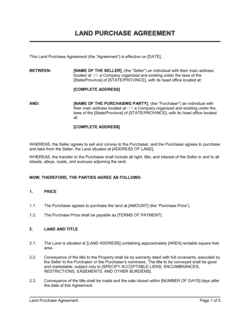
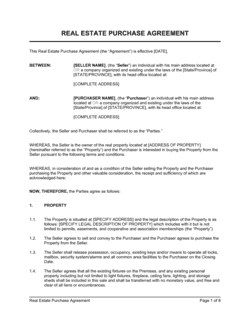
Identify the parties and describe the subject of sale
Enter the full registered legal name, entity type, and jurisdiction of formation for both buyer and seller. Describe the subject of the transaction — whether it is the assets of a business, its shares, or a specific property — with enough specificity to avoid ambiguity at closing.
💡 Attach a detailed schedule of included and excluded assets rather than relying on general language in the body — schedules are far easier to amend than core contract provisions.
2
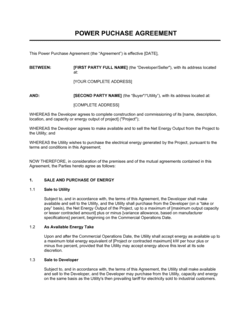
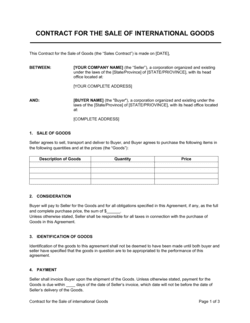
State the purchase price and payment structure
Enter the total purchase price, the form of consideration (cash, promissory note, equity rollover, or a combination), and the payment schedule. If there is an earnout, define the financial metrics, measurement period, and payment formula in a dedicated schedule.
💡 Specify the currency and the wire transfer or escrow instructions precisely — closing delays most commonly trace back to ambiguous payment mechanics.
3
Draft the seller's representations and warranties
Work through each representation systematically: title and authority, financial statements, material contracts, intellectual property, litigation, environmental, tax compliance, and employee matters. Attach a disclosure schedule to qualify any representation that is not unconditionally true.
💡 A seller disclosure schedule prepared before signing — not after — surfaces issues early enough to adjust the price rather than trigger an indemnity claim post-closing.
4
Set the conditions precedent to closing
List every approval, consent, and event that must occur before closing is obligatory. Common items include third-party contract consents, regulatory or antitrust clearance, financing confirmation, and satisfactory completion of due diligence.
💡 Set a deadline (outside date) by which conditions must be satisfied. Without one, either party can delay indefinitely without being in breach.
5
Define the ordinary-course covenants
Specify what the seller may and may not do between signing and closing — capital expenditures above a threshold, new debt, executive hires, customer contract changes — and require prompt notice of any material adverse development.
💡 Attach a list of actions requiring the buyer's prior written consent. Broad language like 'ordinary course' is litigated constantly; a specific consent list eliminates ambiguity.
6
Negotiate and cap indemnification exposure
Set the survival period for each category of representation — typically 12–24 months for general reps, indefinitely for fundamental reps (title, authority, taxes, fraud). Set a basket (minimum claim threshold) and a cap (maximum aggregate liability), both expressed as a dollar amount or percentage of the purchase price.
💡 A rep-and-warranty insurance policy can shift indemnification risk to an insurer, which often makes the negotiation of the basket and cap less contentious.
7
Draft the non-compete with jurisdiction in mind
Set the duration, geographic scope, and restricted activities proportionate to the goodwill being transferred. For a local service business, a 3-year, county-wide restriction is standard. For a national business, 3 years and the country of operation is typical.
💡 In California, post-sale non-competes are enforceable only to the extent necessary to protect the goodwill of the acquired business — the standard is different from employment non-competes.
8
Execute before transferring any access or assets
Both parties must sign the agreement — and any required ancillary documents — before any assets change hands, accounts are transferred, or business access is granted. Closing deliverables should be exchanged simultaneously, not in advance.
💡 Use a closing checklist listing every deliverable, responsible party, and status. Circulate it to all parties at least five business days before the closing date.