- Earnest Money
- A deposit paid by the buyer at contract signing to demonstrate good faith, held in escrow and applied to the purchase price at closing or forfeited upon default.
- Due Diligence Period
- A contractually defined window — typically 15 to 60 days — during which the buyer may inspect the property, review title, and investigate conditions before being obligated to close.
- Contingency
- A condition that must be satisfied before the contract becomes binding or before the buyer is obligated to proceed to closing — common examples include financing approval and satisfactory survey.
- Title Insurance
- An insurance policy protecting the buyer and lender against defects in the title to the property, including undisclosed liens, encumbrances, or ownership disputes.
- Easement
- A legal right for a third party to use a portion of the land for a specific purpose — such as a utility corridor, access road, or drainage path — that survives the change of ownership.
- Encumbrance
- Any claim, lien, mortgage, easement, or restriction that affects the title to the property and may limit the buyer's use or ability to transfer it.
- Closing
- The final step in the transaction at which the buyer pays the purchase price, the seller delivers the deed, and ownership legally transfers.
- Survey
- A licensed surveyor's measurement and map of the land's boundaries, area, easements, and encroachments, used to confirm the property description in the contract.
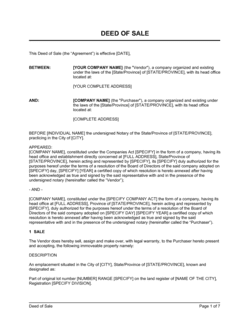
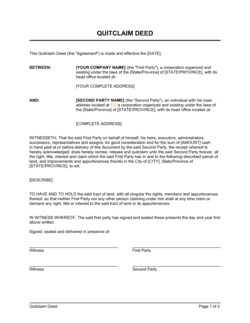
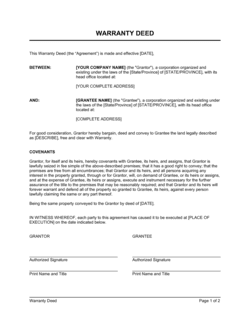
- Deed
- The legal instrument that transfers title to real property from seller to buyer; execution and recording at the relevant land registry office completes the transfer.
- Prorations
- Adjustments made at closing to allocate ongoing costs — such as property taxes and HOA fees — between seller and buyer based on the closing date.
- Specific Performance
- A legal remedy requiring the breaching party to fulfill their contractual obligations — courts commonly award specific performance in real estate disputes because land is considered unique.
- Zoning
- Municipal or county regulations that govern how a parcel of land may be used — residential, commercial, agricultural, industrial — and what structures may be built on it.