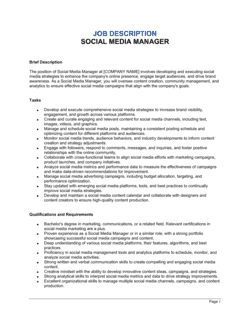
- Job Description
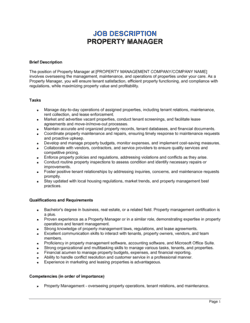
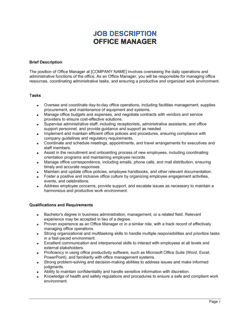
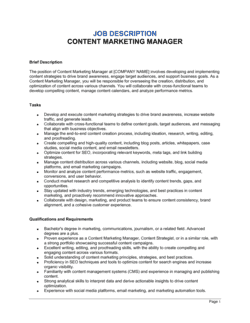
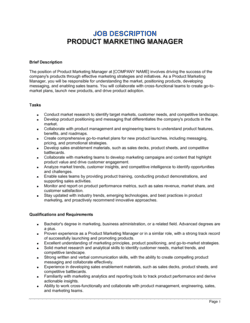
- A formal document that defines the duties, qualifications, reporting structure, and employment classification of a specific role — often attached to an employment contract as a binding schedule.
- Schedule of Duties
- An exhibit or appendix attached to an employment contract that details the specific responsibilities assigned to a role, allowing the main contract to remain general.
- Reporting Structure
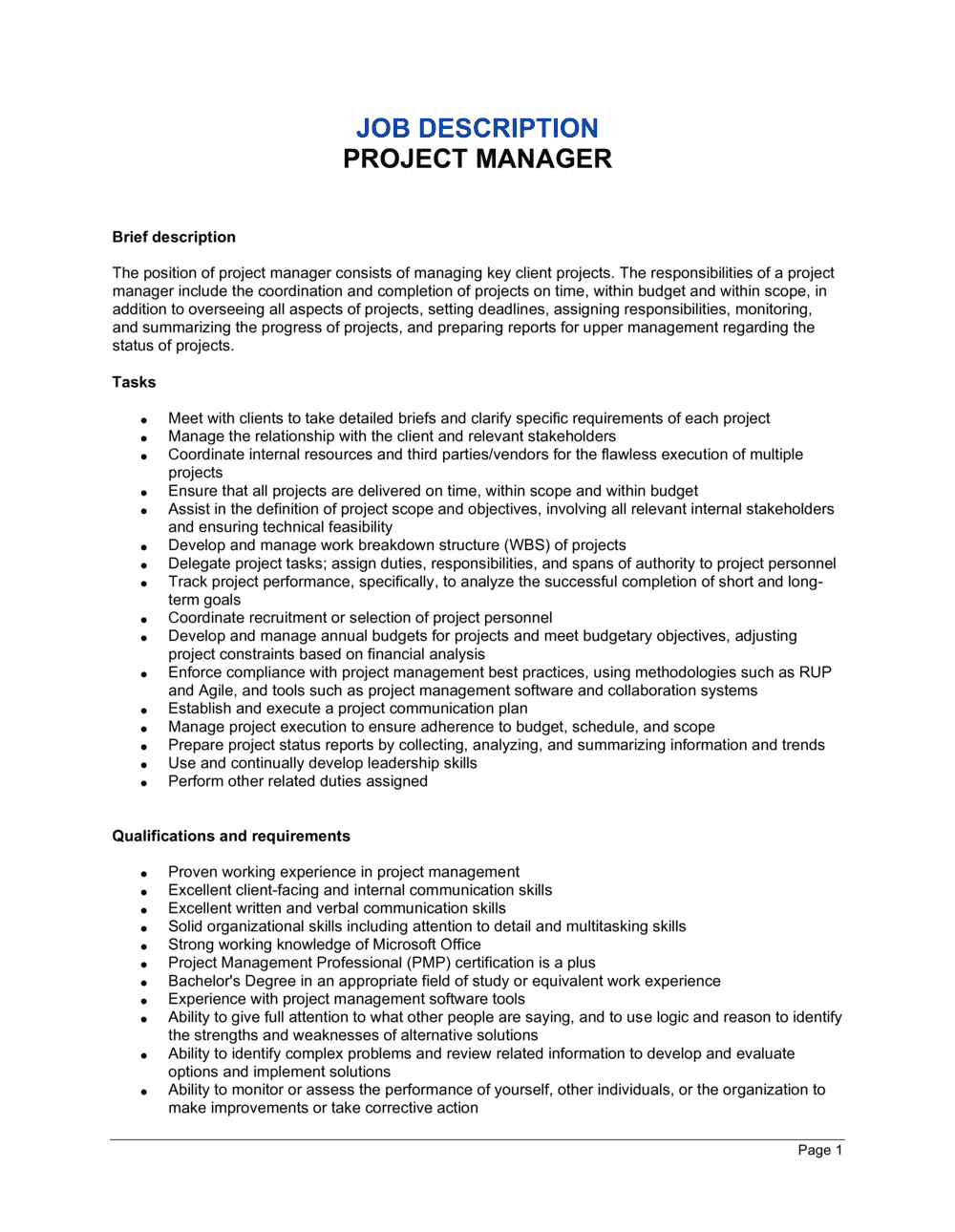
- The defined hierarchy showing who the project manager reports to and which roles or teams report to them.
- Budget Authority
- The maximum dollar value of spending or procurement decisions a project manager can approve without escalating to a superior.
- PMP Certification
- Project Management Professional — a credential issued by the Project Management Institute (PMI) that validates formal training in project management methodology.
- PRINCE2
- Projects in Controlled Environments — a structured project management methodology widely used in the UK, EU, and Australia, often required for public-sector PM roles.
- Scope Creep
- The gradual, uncontrolled expansion of a project's objectives beyond the original brief, typically driven by unmanaged stakeholder requests.
- KPI (Key Performance Indicator)
- A measurable value used to evaluate whether a project manager or project is achieving its objectives within the agreed scope, budget, and timeline.
- At-Will Employment
- An employment arrangement in which either party may end the relationship at any time for any lawful reason — applicable in most US states but not in Canada, the UK, or the EU.
- Constructive Dismissal
- A legal claim that arises when an employer unilaterally changes an employee's role, duties, or conditions so significantly that the employee is effectively forced to resign.
- FLSA Exemption
- A classification under the US Fair Labor Standards Act that exempts certain salaried employees from overtime requirements — most project manager roles qualify as exempt under the executive or administrative test.