Product Defect Notice Template

Free Word download β€’ Edit online β€’ Save & share with Drive β€’ Export to PDF

1 pageβ€’15–25 min to fillβ€’Difficulty: Standard
Learn more ↓
FreeProduct Defect Notice Template

At a glance

What it is
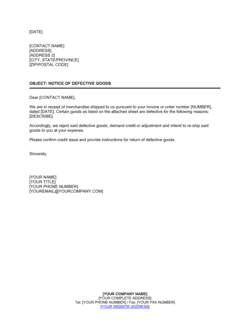
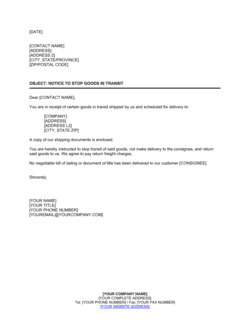
A Product Defect Notice is a formal business letter sent by a buyer, retailer, or distributor to a supplier or manufacturer to document a product defect and formally request a remedy β€” repair, replacement, credit, or refund. This free Word download gives you a structured, professional starting point you can edit online and export as PDF to send immediately.
When you need it
Use it when received goods fail to meet contracted specifications, arrive damaged, malfunction within the warranty period, or pose a safety concern requiring documented escalation to the supplier.
What's inside
Sender and recipient details, product identification, defect description, supporting evidence references, applicable warranty or contract clause, specific remedy requested, response deadline, and a professional closing with authorized signature block.

What is a Product Defect Notice?

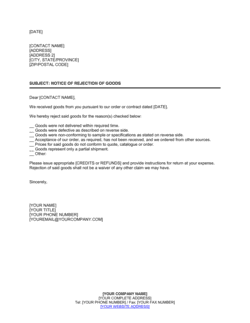
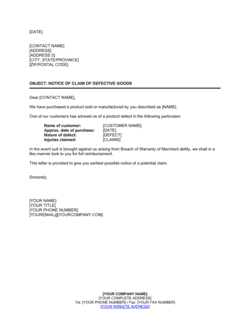
A Product Defect Notice is a formal business letter sent by a buyer, retailer, or distributor to a supplier or manufacturer to document a discovered product defect and formally request a remedy β€” typically repair, replacement, a credit note, or a refund. It identifies the defective goods by purchase order and invoice number, describes the specific fault in observable terms, cites the contractual or warranty basis for the claim, sets a deadline for the supplier's response, and reserves the sender's rights to further action. Unlike an informal email complaint, a properly structured defect notice creates a timestamped paper trail that supports escalation to chargebacks, arbitration, or legal proceedings if the supplier fails to respond.

Why You Need This Document

Relying on phone calls or informal emails to report defective goods leaves you without the documentation trail necessary to enforce a remedy or recover losses. Suppliers routinely dispute defect claims made verbally or through loosely worded messages β€” without a formal notice citing your purchase order, the specific defect, and a cure deadline, you have no clear escalation path. A Product Defect Notice locks in the facts at the moment of discovery, prevents the supplier from claiming they received no formal notification, and positions you to issue a chargeback or demand letter without delay if the cure period passes. For recurring supplier issues, a consistent notice record also supports vendor scorecard reviews and contract renegotiations. This template gives you a professionally formatted, immediately usable letter that covers every essential element β€” so a defect discovered today becomes a documented, actionable claim before end of business.

Which variant fits your situation?

If your situation is…Use this template
Notifying a supplier of defective goods under a purchase orderProduct Defect Notice
Issuing a formal warranty claim for a malfunctioning productWarranty Claim Letter
Initiating a product recall due to a safety defectProduct Recall Notice
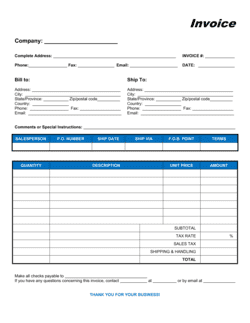
Disputing an invoice for goods that did not meet specificationsInvoice Dispute Letter
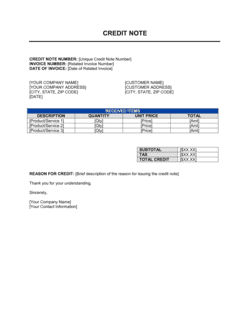
Returning defective goods and requesting a credit noteReturn Merchandise Authorization Letter
Escalating unresolved defect claims to legal actionDemand Letter

Common mistakes to avoid

❌ Vague defect description

Why it matters: Descriptions like 'the product doesn't work' give the supplier no actionable information and make the claim easy to dismiss or delay. Suppliers will request more detail, adding days or weeks to resolution.

Fix: Describe the defect using observable, measurable terms β€” the specific component, failure mode, and test or inspection method used to identify it.

❌ No reference to a contract, PO, or warranty

Why it matters: Without a contractual anchor, the notice is an informal complaint. The supplier has no defined obligation to respond and can treat it as non-binding feedback.

Fix: Cite the exact clause, document, or specification the goods fail to meet, and attach a copy of the relevant agreement or PO terms.

❌ Missing a specific response deadline

Why it matters: Notices with no deadline have no escalation trigger. The supplier can delay indefinitely while you wait, and you lose leverage in any subsequent dispute.

Fix: Always set a specific date β€” e.g., 'Please respond in writing by [DATE]' β€” and state the consequence of non-response, such as initiating chargeback or legal proceedings.

❌ Omitting the reservation of rights clause

Why it matters: Accepting a partial remedy without expressly reserving remaining rights can be interpreted as settling the full claim, preventing future recovery of consequential losses.

Fix: Include a standard 'without prejudice' or 'reservation of rights' sentence at the close of every defect notice, regardless of how straightforward the claim appears.

The 9 key clauses, explained

Sender and recipient header

In plain language: Identifies both parties β€” sender's full business name and address, and the recipient's name, title, company, and address β€” establishing who is making the claim and to whom.

Sample language
[SENDER COMPANY NAME] | [ADDRESS] | [CITY, STATE, ZIP] | [DATE] To: [RECIPIENT NAME], [TITLE] [SUPPLIER COMPANY NAME] | [ADDRESS]

Common mistake: Addressing the letter to a general inbox or brand name rather than a named individual. Letters addressed to 'Customer Service' are deprioritized and lack an accountable recipient.

Subject line with product and PO reference

In plain language: A single line summarizing the notice purpose and citing the purchase order number, invoice number, and product name so the recipient can locate the transaction immediately.

Sample language
RE: Product Defect Notice β€” [PRODUCT NAME], PO #[PURCHASE ORDER NUMBER], Invoice #[INVOICE NUMBER]

Common mistake: Omitting the PO or invoice number. Without a traceable reference, the supplier's team cannot match the complaint to the correct shipment, which delays every subsequent step.

Opening statement of defect

In plain language: A direct, one-paragraph statement confirming receipt of the goods and immediately identifying that a defect has been discovered β€” without editorializing.

Sample language
We are writing to formally notify you that goods received on [DELIVERY DATE] under PO #[NUMBER] do not conform to the agreed specifications. Upon inspection, we identified [BRIEF DEFECT DESCRIPTION] affecting [NUMBER] of [TOTAL] units in the shipment.

Common mistake: Opening with apologies or softened language that obscures the severity. A formal notice should state the defect plainly in the first sentence.

Detailed defect description

In plain language: A specific account of the defect β€” what it is, how it was identified, when it was discovered, and how many units are affected β€” supported by reference to attached evidence.

Sample language
The defect consists of [SPECIFIC DESCRIPTION β€” e.g., cracked housing on the left hinge assembly]. The issue was identified during standard incoming inspection on [DATE] using [INSPECTION METHOD]. A total of [NUMBER] units out of [TOTAL RECEIVED] are affected. Photographs and an inspection report are attached as Exhibit A.

Common mistake: Describing the defect in vague terms like 'poor quality' or 'not working properly.' Courts and suppliers require specific, observable descriptions tied to a named specification or standard.

Reference to contract, warranty, or specification

In plain language: Cites the specific clause, standard, or specification the defective goods have failed to meet β€” grounding the claim in the contractual or warranty basis for the remedy.

Sample language
These goods fail to meet the specifications set out in Section [X] of our Supply Agreement dated [DATE] and/or the product specification sheet [DOCUMENT REFERENCE], which requires [SPECIFIC STANDARD OR PARAMETER].

Common mistake: Skipping this clause entirely. A notice without a contractual anchor is a complaint, not a formal claim β€” the supplier is under no defined obligation to respond.

Remedy requested

In plain language: States clearly and specifically what the sender is asking the recipient to do β€” replace the units, issue a credit, arrange collection, or provide a refund.

Sample language
We request that [SUPPLIER NAME] (a) collect the [NUMBER] defective units at your expense within [X] business days, and (b) provide [replacement units conforming to specification / a full credit of $[AMOUNT] / a refund of $[AMOUNT]] within [X] days of collection.

Common mistake: Requesting multiple alternative remedies without indicating a preference. The supplier will choose the cheapest option; state your preferred remedy first and frame alternatives as acceptable only if the primary remedy cannot be met.

Response deadline

In plain language: Sets a specific date by which the recipient must acknowledge the notice and confirm the agreed remedy, giving a defined cure period before further action.

Sample language
Please confirm your acceptance of the remedy outlined above in writing no later than [DATE β€” typically 5–10 business days from this letter]. Failure to respond by this date may require us to pursue alternative remedies.

Common mistake: Setting no deadline or using vague language like 'as soon as possible.' Without a specific date, there is no trigger point for escalation and follow-up becomes a negotiation.

Reservation of rights

In plain language: A standard protective clause stating that issuing this notice does not waive any contractual, legal, or equitable rights the sender may have regarding the defective goods.

Sample language
This notice is issued without prejudice to any other rights or remedies available to [SENDER COMPANY NAME] under the Supply Agreement, applicable law, or otherwise, all of which are expressly reserved.

Common mistake: Omitting this clause and then inadvertently implying that acceptance of a partial remedy (e.g., replacement of some units) settles the entire claim.

Authorized signature block

In plain language: Closes the letter with the sender's name, title, and department, lending authority to the notice and identifying the correct point of contact for the supplier's response.

Sample language
Yours faithfully, [FULL NAME] [TITLE] β€” [DEPARTMENT] [COMPANY NAME] [EMAIL] | [PHONE]

Common mistake: Signing the letter without a title or department. A notice signed only with a name provides no accountability signal and may be treated as an informal complaint rather than an official business communication.

How to fill it out

  1. 1

    Complete the header with both parties' details

    Enter your company's full legal name and address in the sender block, then add the full name, title, and address of the specific contact at the supplier company you are notifying.

    πŸ’‘ Call the supplier's accounts or quality team before sending to confirm the correct name and email for the person who handles defect claims β€” this alone speeds resolution by several days.

  2. 2

    Add the subject line references

    Enter the product name, PO number, and invoice number in the subject line. If multiple POs or invoices are affected, list all of them.

    πŸ’‘ Include the shipment date or delivery date in the subject line if your supplier uses date-based tracking rather than PO numbers.

  3. 3

    Write the opening defect statement

    State in one or two sentences that you received the goods and discovered a defect, naming the product and the date of delivery. Keep this direct β€” no explanatory context yet.

    πŸ’‘ Use the word 'formally' in the opening line to signal that this is an official notice, not a casual inquiry.

  4. 4

    Describe the defect specifically

    Identify the defect by its observable characteristics (e.g., 'the outer casing cracks under 5 kg of load'), the number of units affected, and the method of discovery. Reference attached photos or inspection reports.

    πŸ’‘ Photograph every defective unit before sending the letter β€” images attached as exhibits dramatically reduce supplier pushback on disputed claims.

  5. 5

    Cite the applicable contract clause or specification

    Locate the relevant clause in your supply agreement, purchase order terms, or warranty document and quote it verbatim or by reference.

    πŸ’‘ If you don't have a written supply agreement, reference the product specification sheet you approved before placing the order β€” this still establishes an agreed standard.

  6. 6

    State your preferred remedy and any acceptable alternatives

    Lead with your preferred outcome (replacement, refund, or credit), then list acceptable alternatives only if you genuinely would accept them. Include the timeframe for each.

    πŸ’‘ Express replacement costs in dollar terms even when requesting replacement units β€” it anchors the financial impact and discourages the supplier from offering a lower-value remedy.

  7. 7

    Set the response deadline and send

    Insert a specific calendar date for the supplier's written response β€” typically 5–10 business days from the letter date. Send via email with read-receipt and follow up with a physical copy for high-value claims.

    πŸ’‘ Keep a copy of the sent email and any delivery confirmation. For claims above $5,000, send a hard copy by courier with a signature receipt.

Frequently asked questions

What is a Product Defect Notice?

A Product Defect Notice is a formal business letter sent by a buyer or recipient of goods to a seller or manufacturer to document a product defect and formally request a remedy. It identifies the defective product, describes the specific fault, cites the contractual or warranty basis for the claim, and states the required action β€” replacement, repair, credit, or refund β€” within a defined timeframe.

When should I send a Product Defect Notice?

Send one as soon as a defect is discovered and documented β€” typically within the inspection period specified in your supply agreement or, if none is stated, within a reasonable time after delivery. Delaying notice can weaken your legal position, as some jurisdictions and contracts require prompt notification to preserve warranty and return rights. For safety defects, escalate immediately regardless of timeframe.

Does a Product Defect Notice need to be signed?

A signature is not legally required for the notice to be effective, but signing with your full name and title makes the document an official business communication rather than an informal complaint. For high-value claims or escalations involving legal counsel, a countersigned acknowledgment from the supplier is advisable.

What evidence should I attach to the notice?

Attach photographs of every defective unit, an incoming inspection report or quality control checklist, the original purchase order and invoice, and any product specification sheet or warranty documentation you are relying on. The stronger your evidence package, the less room the supplier has to dispute the defect or delay the remedy.

What remedies can I request in a Product Defect Notice?

The four standard remedies are: replacement with conforming units, repair of the defective units at the supplier's cost, a credit note applied against future orders, or a full or partial refund. Your supply agreement may specify which remedies apply and in what order. If the defect causes downstream losses β€” such as production downtime or customer chargebacks β€” you may also reserve the right to claim consequential damages separately.

What happens if the supplier does not respond to the notice?

If the supplier does not respond by the stated deadline, you typically have the right to escalate β€” issuing a formal demand letter, initiating a chargeback through your payment provider, withholding future payments, or pursuing legal action. The defect notice creates the paper trail that supports each of these escalation options. Keep copies of the notice and all delivery confirmation records.

Is a Product Defect Notice the same as a product recall notice?

No. A Product Defect Notice is a private business communication from a buyer to a supplier requesting a remedy for goods that failed to meet specifications. A product recall notice is a public or regulatory communication issued by a manufacturer or regulator to warn consumers and instruct them to return, stop using, or dispose of a product due to a safety defect. Recalls involve regulatory bodies such as the CPSC in the US or Trading Standards in the UK.

Can I use this notice to claim consequential damages?

A defect notice alone does not automatically entitle you to consequential damages, but including a reservation of rights clause preserves your ability to pursue them separately. Whether consequential damages are recoverable depends on your supply agreement and applicable law β€” many supplier contracts specifically exclude them. Note this in the notice and consult your contract terms before pursuing such a claim.

How formal does a Product Defect Notice need to be?

It should be professional and specific, but it does not need legal language to be effective. Use business letter format, cite your purchase order and invoice numbers, describe the defect objectively, and state your remedy and deadline clearly. The goal is to create an unambiguous written record β€” not to intimidate, but to document.

How this compares to alternatives

vs Product Recall Notice

A product recall notice is a public or regulatory communication directed at end consumers or distribution channels warning them of a safety defect. A Product Defect Notice is a private B2B letter from buyer to supplier requesting a contractual remedy. Use the defect notice first; escalate to a recall process if the defect presents a consumer safety risk requiring regulatory involvement.

vs Demand Letter

A demand letter is a formal legal escalation sent when the defect notice has gone unanswered or the offered remedy is insufficient. It typically involves legal counsel and precedes litigation or arbitration. Send the defect notice first to give the supplier an opportunity to cure; issue a demand letter only if that cure period passes without resolution.

vs Non-Conformance Report

A Non-Conformance Report (NCR) is an internal quality management document used within your own organization to record and track a product deviation. A Product Defect Notice is an external letter sent to the supplier. The NCR is typically completed first as an internal record, and the defect notice draws on it to communicate the issue externally.

vs Purchase Return Form

A purchase return form initiates the physical logistics of returning goods β€” it requests an RMA number and arranges collection. A Product Defect Notice establishes the formal grounds for the return and the remedy sought. Typically you send the defect notice first to get the supplier's agreement, then complete the return form to execute the physical return.

Industry-specific considerations

Manufacturing

Component defects that halt production lines require immediate batch-level identification and supplier cure timelines tied to production schedules.

Retail and E-commerce

Defective consumer goods trigger customer returns and chargebacks, making supplier defect notices essential for cost recovery and vendor scorecarding.

Construction and Trades

Defective materials installed in structures carry liability beyond the product cost; notices must reference installation standards and building codes.

Healthcare and Medical Devices

Device or equipment defects may trigger regulatory reporting obligations alongside the supplier notice, requiring carefully worded language reviewed by compliance.

Food and Beverage

Defective packaging, contamination, or labeling errors involve food-safety regulations and may require simultaneous notification to regulatory authorities.

Technology and Electronics

Hardware defects often require batch and firmware version identification; notices must distinguish between manufacturing faults and integration errors.

Template vs pro β€” what fits your needs?

PathBest forCostTime
Use the templateBusinesses and individuals sending standard defect notices for non-safety goods under existing supply agreementsFree15–30 minutes
Template + professional reviewHigh-value claims, recurring defect patterns, or notices involving consequential damages or regulatory implications$150–$400 for a legal or procurement consultant review1–2 business days
Custom draftedSafety-critical defects, regulatory reporting obligations, or claims where litigation is a likely outcome$500–$2,000+3–7 business days

Glossary

Product Defect
A flaw, non-conformity, or failure in a product that prevents it from functioning as specified, contracted, or reasonably expected.
Warranty
A seller's or manufacturer's written or implied promise that a product will perform as described for a defined period, with a specified remedy if it does not.
Remedy
The corrective action requested by the aggrieved party β€” typically repair, replacement, credit, or full refund.
Purchase Order (PO)
A buyer-issued document authorizing a purchase from a supplier, which serves as the reference contract for goods received.
Non-Conforming Goods
Products that fail to meet the specifications, quality standards, or description stated in the purchase order or supply agreement.
RMA (Return Merchandise Authorization)
A supplier-issued authorization number permitting a buyer to return defective or incorrect goods for assessment and remedy.
Inspection Report
A documented record of a quality check performed on received goods, noting any defects, damage, or deviations from specification.
Cure Period
The time window given to the supplier to remedy a defect or breach before the buyer may escalate to legal or financial remedies.
Consequential Damages
Indirect losses caused by a defective product β€” such as lost revenue, production downtime, or customer chargebacks β€” beyond the cost of the product itself.
Batch or Lot Number
A manufacturer's code identifying the specific production run from which a product originated, used to isolate and trace defects.

Part of your Business Operating System

This document is one of 3,000+ business & legal templates included in Business in a Box.

  • Fill-in-the-blanks β€” ready in minutes
  • 100% customizable Word document
  • Compatible with all office suites
  • Export to PDF and share electronically

Create your document in 3 simple steps.

From template to signed document β€” all inside one Business Operating System.
1
Download or open template

Access over 3,000+ business and legal templates for any business task, project or initiative.

2
Edit and fill in the blanks with AI

Customize your ready-made business document template and save it in the cloud.

3
Save, Share, Send, Sign

Share your files and folders with your team. Create a space of seamless collaboration.

Save time, save money, and create top-quality documents.

β˜…β˜…β˜…β˜…β˜…

"Fantastic value! I'm not sure how I'd do without it. It's worth its weight in gold and paid back for itself many times."

Managing Director Β· Mall Farm
Robert Whalley
Managing Director, Mall Farm Proprietary Limited
β˜…β˜…β˜…β˜…β˜…

"I have been using Business in a Box for years. It has been the most useful source of templates I have encountered. I recommend it to anyone."

Business Owner Β· 4+ years
Dr Michael John Freestone
Business Owner
β˜…β˜…β˜…β˜…β˜…

"It has been a life saver so many times I have lost count. Business in a Box has saved me so much time and as you know, time is money."

Owner Β· Upstate Web
David G. Moore Jr.
Owner, Upstate Web

Run your business with a system β€” not scattered tools

Stop downloading documents. Start operating with clarity. Business in a Box gives you the Business Operating System used by over 250,000 companies worldwide to structure, run, and grow their business.

Free Forever PlanΒ Β·Β No credit card required