Notice to Suspend Deliveries and Request for Release Template

Free Word download β€’ Edit online β€’ Save & share with Drive β€’ Export to PDF

1 pageβ€’20–25 min to fillβ€’Difficulty: Standard
Learn more ↓
FreeNotice to Suspend Deliveries and Request for Release Template

At a glance

What it is
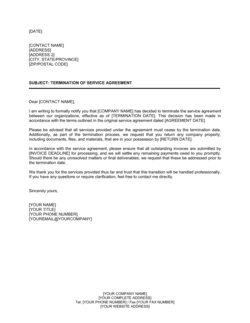
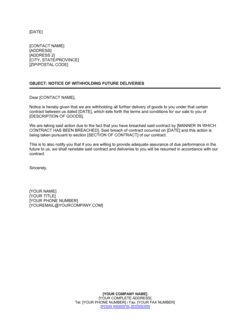
A Notice to Suspend Deliveries and Request for Release is a formal business letter sent by a buyer or contracting party to a supplier or vendor to halt scheduled shipments and formally request discharge from outstanding delivery obligations. This free Word download gives you a ready-to-edit template you can customize in minutes and send as a PDF or hard copy.
When you need it
Use it when you need to stop incoming deliveries due to a contract dispute, financial difficulty, overstock, project cancellation, or a supplier breach β€” and you want a written record of the suspension request and the basis for it.
What's inside
Recipient and sender identification, a clear statement of suspension, the specific deliveries or purchase orders affected, the grounds for suspension, a formal request for release from outstanding obligations, and instructions for the supplier's acknowledgment and response.

What is a Notice to Suspend Deliveries and Request for Release?

A Notice to Suspend Deliveries and Request for Release is a formal business letter sent by a buyer or contracting party to a supplier or vendor to halt scheduled shipments and formally request discharge from outstanding delivery obligations under an existing purchase order or supply contract. It documents the suspension in writing, identifies the specific deliveries affected, states the factual basis for the halt, and asks the supplier to confirm that the buyer will not be held liable for deliveries that will not be accepted during the suspension period. Unlike a verbal instruction to pause orders, this written notice creates a timestamped record that protects the buyer if the supplier later seeks payment for goods manufactured or shipped after the notice was received.

Why You Need This Document

Without a formal written notice, a verbal or informal request to pause deliveries leaves you exposed to invoices for goods you never intended to receive, disputes over when the supplier was notified, and claims that the suspension was never validly invoked. Suppliers may continue manufacturing and shipping against open purchase orders until they receive clear, written instruction to stop β€” and courts and arbitrators generally require documented evidence that notice was given before they will relieve a buyer of payment obligations. A properly completed suspension notice closes that exposure in 20 minutes, creates the paper trail you need to defend a refusal to pay, and gives the supplier the clear, unambiguous instruction they need to protect their own operations. This template provides the structure, language, and release request language to cover all of those bases in a single, professional document.

Which variant fits your situation?

If your situation is…Use this template
Suspending deliveries due to a supplier's material breachNotice to Suspend Deliveries and Request for Release
Cancelling a purchase order outright rather than suspending itPurchase Order Cancellation Letter
Formally terminating the underlying supply contractContract Termination Letter
Notifying a supplier of non-conforming goods already receivedNotice of Rejection of Goods
Requesting a temporary hold while a dispute is being resolvedLetter Requesting Delivery Hold Pending Resolution
Documenting a mutual agreement to pause deliveriesDelivery Suspension Agreement
Issuing a formal cure notice before suspensionCure Notice Letter

Common mistakes to avoid

❌ Using ambiguous suspension language

Why it matters: Phrases like 'we may need to pause deliveries' give the supplier grounds to argue the suspension was never formally invoked, leaving you liable for deliveries you did not want.

Fix: Use definitive language: 'We hereby suspend all deliveries effective [DATE].' One clear sentence eliminates the ambiguity.
❌ Omitting the grounds for suspension

Why it matters: A suspension without a stated reason looks arbitrary. If the supplier sues for wrongful suspension, you need a documented factual basis to defend the decision.

Fix: State the specific reason β€” breach, project cancellation, force majeure β€” and reference supporting correspondence by date.

❌ Not requesting an explicit written release

Why it matters: Suspension alone does not discharge your obligation to accept and pay for goods the supplier has already manufactured or reserved. Without a release request, invoices may keep arriving.

Fix: Include a dedicated paragraph explicitly requesting release from the obligation to accept and pay for deliveries during the suspension period.

❌ Sending the notice without a response deadline

Why it matters: If you give the supplier no deadline to acknowledge, they can delay indefinitely β€” and continue processing orders in the interim.

Fix: Specify a 3–5 business day acknowledgment window and name a contact person so the supplier's response reaches the right person immediately.

❌ Having an unauthorized person sign the letter

Why it matters: A letter signed by someone without contracting authority can be challenged as invalid, particularly if the supply contract specifies who may issue notices on behalf of the company.

Fix: Confirm that the signatory holds a title β€” manager, director, VP, or officer β€” explicitly authorized to bind the company on supply matters.

❌ Failing to keep a timestamped copy

Why it matters: If a dispute arises over when the supplier was notified, a copy without a delivery timestamp is weak evidence. The supplier may claim they never received it.

Fix: Send by email with a read receipt and retain a copy in your vendor file. For high-value contracts, follow up with certified mail or courier and retain the delivery confirmation.

The 9 key clauses, explained

Header and date

In plain language: Identifies the sender, the recipient, and the date the notice is issued β€” establishing the formal record of when suspension was requested.

Sample language
[SENDER COMPANY NAME] | [ADDRESS] | [DATE] | To: [RECIPIENT NAME], [TITLE] | [SUPPLIER COMPANY NAME] | [ADDRESS]

Common mistake: Using an informal email header instead of a full business-letter format. Without a dated, addressed hard-copy format, the document is harder to rely on as evidence in a dispute.

Subject line

In plain language: A one-line reference that identifies the letter's purpose and the relevant contract or PO number so the recipient can match it to their records immediately.

Sample language
Re: Notice to Suspend Deliveries and Request for Release β€” Purchase Order No. [PO NUMBER] / Contract No. [CONTRACT NUMBER]

Common mistake: Omitting the PO or contract number from the subject line. Without it, the supplier's logistics and accounts teams cannot identify which deliveries are affected without reading the entire letter.

Opening statement of suspension

In plain language: A direct, unambiguous sentence notifying the supplier that deliveries are suspended effective a specific date, leaving no room for misinterpretation.

Sample language
Please be advised that [BUYER COMPANY NAME] hereby suspends all scheduled deliveries under Purchase Order No. [PO NUMBER], effective [DATE], until further written notice.

Common mistake: Using hedging language like 'we may need to pause' instead of a definitive statement. Ambiguous language allows the supplier to argue the suspension was never formally invoked.

Description of affected deliveries

In plain language: Lists the specific deliveries, shipments, or product lines covered by the suspension so both parties have a clear, shared understanding of scope.

Sample language
This suspension applies to the following scheduled deliveries: [DESCRIPTION OF GOODS / SERVICES], Delivery Dates: [DATE 1], [DATE 2], totalling approximately [QUANTITY / VALUE].

Common mistake: Describing the goods too vaguely β€” e.g., 'all outstanding orders' β€” when only specific POs are affected. Overbroad language may inadvertently suspend deliveries you still need.

Grounds for suspension

In plain language: States the factual and contractual basis for the suspension β€” whether a supplier breach, internal project change, financial review, or force majeure event.

Sample language
This suspension is necessitated by [REASON β€” e.g., 'repeated failure to meet agreed delivery deadlines as documented in correspondence dated [DATE]' / 'cancellation of Project [NAME] by [CLIENT]'].

Common mistake: Omitting the reason entirely or stating it in the vaguest possible terms. A documented basis for suspension protects the buyer if the supplier later claims wrongful suspension and seeks damages.

Request for release from obligations

In plain language: Formally asks the supplier to release the buyer from the duty to accept and pay for deliveries covered by the suspension, either permanently or for the suspension period.

Sample language
We hereby request that [SUPPLIER NAME] release [BUYER COMPANY NAME] from any obligation to accept, receive, or pay for deliveries scheduled during the suspension period, without penalty or additional charge.

Common mistake: Assuming suspension automatically releases the buyer from payment obligations. Without an explicit release request, the supplier may continue to invoice for goods manufactured or reserved to fill the order.

Instruction for acknowledgment

In plain language: Directs the supplier to confirm receipt of the notice and their acceptance of the suspension and release request within a stated timeframe.

Sample language
Please confirm receipt of this notice and your acceptance of the suspension and release by [DATE β€” typically 3–5 business days] by signing and returning the acknowledgment below or by written correspondence to [CONTACT NAME / EMAIL].

Common mistake: Not specifying a response deadline or contact person. Without a deadline, the buyer has no basis to follow up or escalate if the supplier remains silent.

Reservation of rights

In plain language: Preserves all of the buyer's contractual and legal rights, making clear that the suspension notice does not waive any claims for prior breaches or damages.

Sample language
Nothing in this notice shall be construed as a waiver of any rights or remedies available to [BUYER COMPANY NAME] under the Agreement or applicable law, all of which are expressly reserved.

Common mistake: Omitting a reservation of rights entirely. Without it, the supplier could argue that issuing the notice β€” rather than terminating β€” constituted acceptance of their performance.

Closing and authorized signature

In plain language: A professional closing paragraph with the name, title, and contact details of the authorized signatory β€” establishing who issued the notice on behalf of the company.

Sample language
Yours sincerely, [NAME] | [TITLE] | [BUYER COMPANY NAME] | [PHONE] | [EMAIL]

Common mistake: Having the letter signed by someone without authority to bind the company β€” such as a coordinator rather than a manager or director. The supplier may dispute the notice's validity if the signatory lacks authority.

How to fill it out

  1. 1

    Enter sender and recipient details

    Fill in your company's full legal name and address at the top, followed by the supplier's full legal name, the contact name and title, and their address. Use the name of the accounts payable or logistics contact, not just the company name.

    πŸ’‘ Match the recipient's legal entity name exactly to the name on your supply contract β€” inconsistencies create room for the supplier to dispute the notice.

  2. 2

    Set the date and subject line

    Enter today's date and reference the specific PO number or contract number in the subject line. If multiple POs are affected, list all of them in the subject or in a numbered attachment.

    πŸ’‘ Send and date the letter on the same day β€” backdating a notice creates credibility problems if the matter escalates to arbitration or litigation.

  3. 3

    State the suspension clearly with an effective date

    Write a direct opening sentence confirming the suspension and stating the exact date it takes effect. Avoid conditional language; the notice should be unambiguous.

    πŸ’‘ Choose an effective date at least one business day in the future if possible β€” this gives the supplier time to halt production or divert shipments already in transit.

  4. 4

    Describe the affected deliveries specifically

    List the specific goods, SKUs, product lines, or service deliveries covered by the suspension, including scheduled delivery dates and approximate quantities or values.

    πŸ’‘ If only certain line items on a PO are suspended, state the others are unaffected β€” this prevents the supplier from halting your entire supply relationship.

  5. 5

    State the grounds for suspension

    Briefly explain the factual basis β€” supplier breach, project cancellation, force majeure, or internal decision β€” and reference any prior correspondence that documents the issue.

    πŸ’‘ Keep this section factual and concise. Avoid inflammatory language; the goal is to create a clear record, not to litigate in a letter.

  6. 6

    Insert the release request and acknowledgment deadline

    Add the explicit request for release from outstanding obligations and set a deadline of 3–5 business days for the supplier to confirm in writing.

    πŸ’‘ If the supplier does not respond by the deadline, follow up immediately in writing β€” silence is not acceptance.

  7. 7

    Have an authorized signatory review and sign

    Route the letter to the manager, director, or officer with authority to bind the company on supplier matters before sending. Keep a copy in your vendor management file.

    πŸ’‘ Send via email with a read receipt and, for high-value contracts, also send by courier or certified mail to create a timestamped delivery record.

Frequently asked questions

What is a notice to suspend deliveries and request for release?

It is a formal business letter from a buyer to a supplier that instructs the supplier to halt scheduled shipments and asks to be released from the obligation to accept and pay for those deliveries. It creates a written record of the suspension, states the reason, and gives both parties a clear reference point if a dispute arises later.

When should I use this notice?

Use it when you need to stop incoming deliveries for any documented reason β€” a supplier breach, project cancellation, overstock, financial review, or force majeure event. Any time you want to halt deliveries and ensure the supplier cannot later claim you were required to accept and pay for them, a written notice is the correct tool.

Does suspending deliveries cancel my contract with the supplier?

Not automatically. A suspension notice pauses obligations for the affected deliveries but typically leaves the underlying contract in place. If you want to terminate the contract entirely, you need a separate contract termination letter. Review your contract's termination and suspension clauses to understand what rights the suspension invokes.

Am I still required to pay for goods the supplier ships after receiving this notice?

Generally, if the supplier ships goods after receiving a valid suspension notice, you have grounds to refuse delivery and dispute payment. However, goods already in transit at the time of notice are more complex β€” your liability depends on your contract's delivery terms (FOB origin versus FOB destination) and whether the supplier had a reasonable opportunity to halt the shipment. State this scenario explicitly in the letter if it is a concern.

Does the supplier have to agree to the suspension?

If the suspension is based on the supplier's material breach or a contractual right to suspend, the supplier's agreement is not strictly required β€” your contractual right governs. However, requesting written acknowledgment creates a cleaner record. If the supplier disputes the suspension, you may need to negotiate or escalate to formal dispute resolution under the contract.

Should I include a reason for the suspension in the letter?

Yes. Stating the factual basis β€” even briefly β€” protects you if the supplier later claims wrongful suspension and seeks damages for lost orders. A documented reason also makes it easier to negotiate a resolution if circumstances change and you need to resume deliveries.

Is this letter legally binding?

A notice to suspend deliveries is a formal business communication that creates a documented record and exercises contractual rights. Its enforceability depends on the terms of your underlying contract β€” most supply agreements include a notice provision specifying how suspension rights may be invoked. Following the contract's notice requirements (delivery method, recipient) makes the letter as strong as possible.

What happens if the supplier ignores the notice?

If the supplier continues delivering despite a valid suspension notice, document every delivery attempt and refuse acceptance in writing. Refer to the notice and the date it was received. Escalate to a formal dispute under the contract's dispute-resolution clause if the supplier persists or issues invoices for refused goods.

Can I use this letter to suspend only part of an order?

Yes. Specify which line items, delivery dates, or product categories are suspended and explicitly state that the remaining deliveries under the PO or contract are unaffected. Without that clarification, the supplier may interpret a partial suspension as a total halt and cease all deliveries.

How this compares to alternatives

vs Contract Termination Letter

A contract termination letter ends the entire supplier relationship permanently. A notice to suspend deliveries pauses specific shipments while the contract remains in place. Use the termination letter when the relationship is over; use the suspension notice when you need a temporary halt or want to preserve the option to resume.

vs Purchase Order Cancellation Letter

A purchase order cancellation letter voids a specific PO entirely. A suspension notice puts deliveries on hold without cancelling the underlying order, leaving the door open for reinstatement. Use cancellation when you are certain you will not need the goods; use suspension when the situation is temporary or still evolving.

vs Cure Notice Letter

A cure notice gives the supplier a defined window to correct a breach before the buyer takes further action. A suspension notice acts on that breach β€” or another triggering event β€” by immediately halting deliveries. A cure notice typically precedes a suspension notice when the contract requires the buyer to give the supplier an opportunity to remedy.

vs Notice of Rejection of Goods

A notice of rejection of goods addresses a delivery that has already arrived and does not conform to contract specifications. A suspension notice prevents future deliveries from arriving in the first place. If non-conforming goods are already on site, issue a rejection notice; if you want to stop further shipments, issue a suspension notice.

Industry-specific considerations

Manufacturing

Used when a production line is paused, a downstream customer cancels an order, or a key component supplier fails quality inspections β€” halting raw material deliveries to avoid excess inventory.

Construction

Issued when a job site is shut down, a sub-contractor defaults, or a client delays the project β€” suspending material deliveries to avoid storage costs and site congestion.

Retail and E-commerce

Deployed when sales forecasts drop sharply, a product line is discontinued, or warehouse capacity is exhausted β€” halting seasonal merchandise shipments before they create an overstock problem.

Professional Services

Used to suspend software, equipment, or supply deliveries tied to a client engagement that is paused, re-scoped, or cancelled β€” protecting the firm from carrying costs for unneeded resources.

Template vs pro β€” what fits your needs?

PathBest forCostTime
Use the templateBusinesses suspending routine supplier deliveries for clear, documented reasons such as project cancellation or overstockFree15–20 minutes
Template + professional reviewSuspensions involving high-value contracts, disputed supplier performance, or potential claims for damages on either side$150–$400 for a brief lawyer or contract manager review1–2 business days
Custom draftedComplex multi-party supply chains, international supplier agreements, or situations where termination or litigation is likely to follow$500–$1,500+2–5 business days

Glossary

Suspension of Deliveries
A formal instruction from a buyer to a supplier to pause scheduled shipments for a defined or open-ended period.
Release from Obligations
A request that the other party formally discharge the requesting party from specific outstanding contractual duties β€” in this case, the obligation to accept and pay for future deliveries.
Purchase Order (PO)
A buyer-issued commercial document authorizing a specific purchase from a supplier, which the suspension notice typically references by number.
Material Breach
A failure to perform a fundamental contractual obligation β€” such as delivering defective goods or missing repeated deadlines β€” that justifies suspension or termination.
Acknowledgment
A written confirmation from the recipient that they have received and understood the notice, typically requested within a stated number of business days.
Outstanding Obligations
Deliveries or payments that are contractually due but have not yet been fulfilled at the time the notice is issued.
Force Majeure
A contract clause excusing performance when extraordinary, unforeseeable events β€” such as natural disasters or government actions β€” prevent a party from meeting its obligations.
Cure Period
A defined window β€” often 10 to 30 days β€” given to a breaching party to correct a deficiency before the non-breaching party exercises further remedies.
Mitigation
The obligation of a party harmed by a breach to take reasonable steps to reduce its own losses rather than allowing damages to accumulate.
Written Notice
A formal communication delivered in a manner specified by the contract β€” often email with read receipt, certified mail, or courier β€” that creates a documented record.

Part of your Business Operating System

This document is one of 3,000+ business & legal templates included in Business in a Box.

  • Fill-in-the-blanks β€” ready in minutes
  • 100% customizable Word document
  • Compatible with all office suites
  • Export to PDF and share electronically

Create your document in 3 simple steps.

From template to signed document β€” all inside one Business Operating System.
1
Download or open template

Access over 3,000+ business and legal templates for any business task, project or initiative.

2
Edit and fill in the blanks with AI

Customize your ready-made business document template and save it in the cloud.

3
Save, Share, Send, Sign

Share your files and folders with your team. Create a space of seamless collaboration.

Save time, save money, and create top-quality documents.

β˜…β˜…β˜…β˜…β˜…

"Fantastic value! I'm not sure how I'd do without it. It's worth its weight in gold and paid back for itself many times."

Managing Director Β· Mall Farm
Robert Whalley
Managing Director, Mall Farm Proprietary Limited
β˜…β˜…β˜…β˜…β˜…

"I have been using Business in a Box for years. It has been the most useful source of templates I have encountered. I recommend it to anyone."

Business Owner Β· 4+ years
Dr Michael John Freestone
Business Owner
β˜…β˜…β˜…β˜…β˜…

"It has been a life saver so many times I have lost count. Business in a Box has saved me so much time and as you know, time is money."

Owner Β· Upstate Web
David G. Moore Jr.
Owner, Upstate Web

Run your business with a system β€” not scattered tools

Stop downloading documents. Start operating with clarity. Business in a Box gives you the Business Operating System used by over 250,000 companies worldwide to structure, run, and grow their business.

Free Forever PlanΒ Β·Β No credit card required