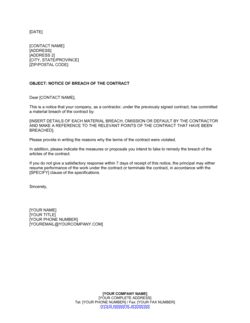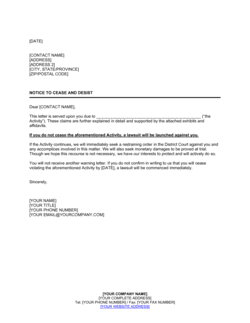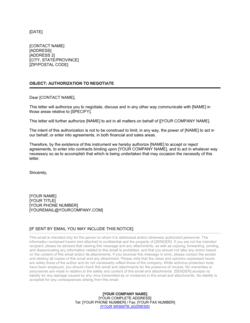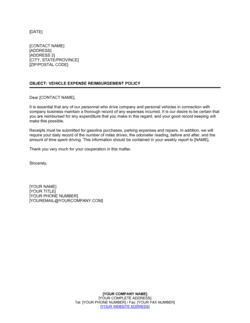
Letter Notice of Litigation Template

Free Word download β€’ Edit online β€’ Save & share with Drive β€’ Export to PDF

1 pageβ€’20–25 min to fillβ€’Difficulty: Standard
Learn more ↓
FreeLetter Notice of Litigation Template

At a glance

What it is
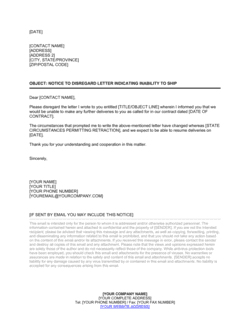
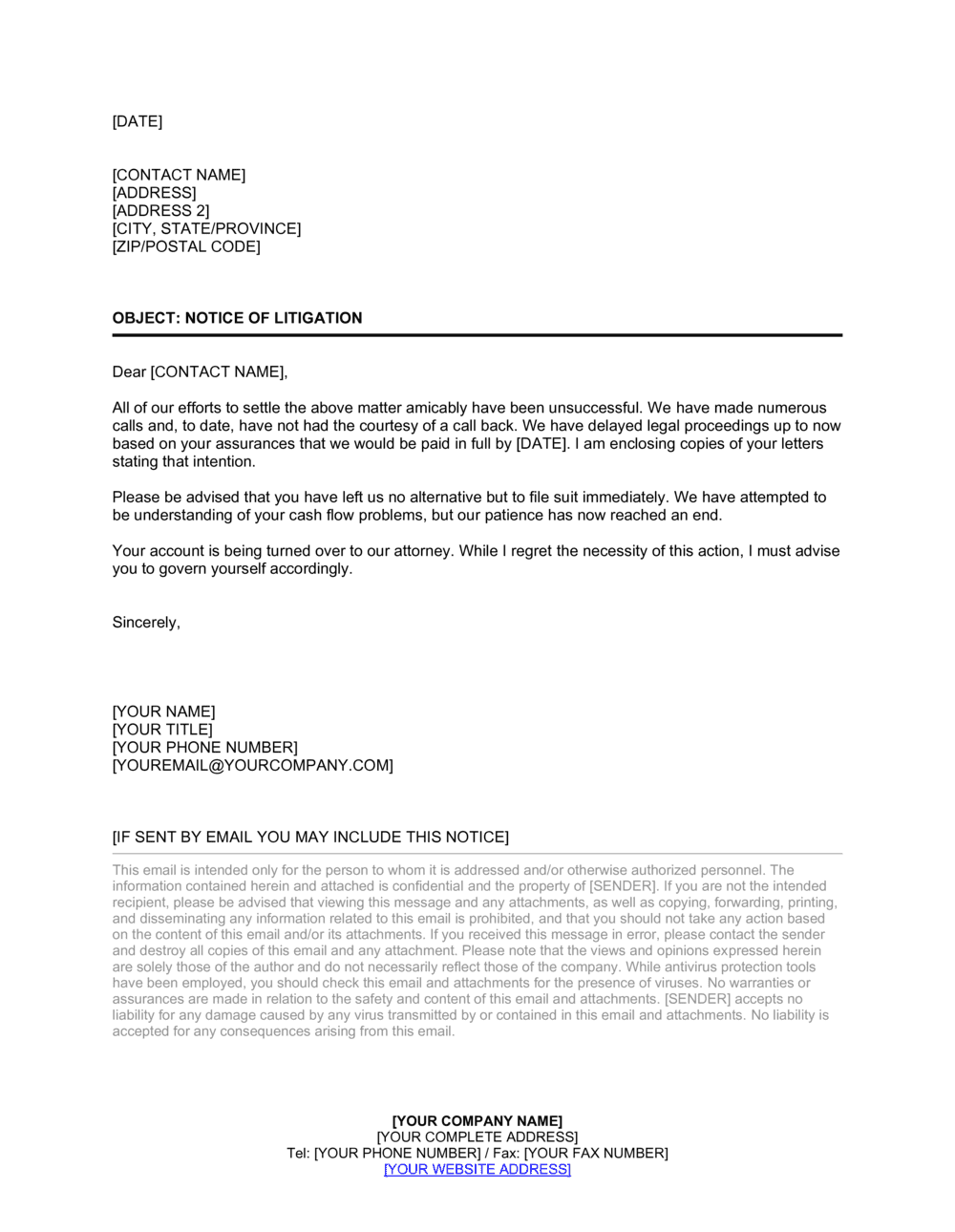
A Letter Notice of Litigation is a formal written communication sent by one party to another to announce that legal proceedings are being initiated or are imminent. This free Word download provides a structured, professional template you can edit online and export as PDF, covering all standard components required to put the recipient on formal notice of a dispute.
When you need it
Use it before or at the point of filing a lawsuit, when a business relationship has broken down and informal resolution attempts have failed. It is also required in certain jurisdictions and under some contracts as a mandatory pre-litigation step before a claim can proceed.
What's inside
Sender and recipient details, a clear statement of the dispute and legal basis for the claim, a summary of the relief sought, a response deadline, and a closing statement of intent to proceed if no resolution is reached.

What is a Letter Notice of Litigation?

A Letter Notice of Litigation is a formal written communication sent by one party to another to announce that legal proceedings are being initiated or are imminent. It serves as official written record that the sender has identified a specific dispute, established the legal basis for a claim, quantified the relief sought, and given the recipient a defined window to resolve the matter before a lawsuit is filed. Unlike an informal complaint or a demand letter, a notice of litigation signals that the escalation process has reached its final stage and that court action will follow if the dispute remains unresolved.

Why You Need This Document

Skipping a formal notice of litigation creates two immediate problems. First, many commercial contracts include a mandatory pre-litigation notice clause β€” without it, a court may dismiss the action or award the opposing party their legal costs for failing to follow contractual procedure. Second, without a documented notice, you lose the paper trail that demonstrates you gave the other party a fair opportunity to resolve the dispute β€” a factor courts and mediators weigh when awarding fees and damages. A properly formatted, delivered, and retained notice of litigation protects your right to proceed, satisfies contractual and procedural requirements, and often prompts settlement before any filing is necessary. This template gives you a professional, complete starting point that covers every required component in under 30 minutes.

Which variant fits your situation?

If your situation is…Use this template
Demanding payment before filing a collections lawsuitDemand Letter for Payment
Notifying a party of a breach of contract before litigationLetter Notice of Default
Formally terminating a contract due to unresolved breachContract Termination Letter
Preserving evidence held by a third party before filingLegal Hold Notice
Sending a cease-and-desist before litigation over IP or defamationCease and Desist Letter
Initiating dispute resolution under a contract's ADR clauseLetter of Dispute
Notifying an insurer of a claim that may lead to litigationInsurance Claim Notice Letter

Common mistakes to avoid

❌ Addressing the notice to an individual instead of the legal entity

Why it matters: A notice addressed to a personal contact may not constitute proper legal notice to the company, leaving the sender without a documented record that the entity was properly notified.

Fix: Confirm the recipient's registered legal name and address the letter to the entity, with a copy to the individual contact. Send to the registered agent if the company has one.
❌ Omitting the legal basis for the claim

Why it matters: Without identifying a cause of action, the letter cannot satisfy contractual pre-litigation notice requirements and may be dismissed as an informal complaint rather than formal notice.

Fix: Name the specific legal theory β€” breach of contract, negligence, or unjust enrichment β€” so the recipient and any reviewing court can identify the nature of the claim.

❌ Failing to specify the amount of damages

Why it matters: A vague damages claim gives the recipient no clear target for settlement and signals that the sender has not fully evaluated the claim.

Fix: Calculate and state the specific dollar amount sought, including principal, accrued interest, and any contractually permitted fees.

❌ Not reserving rights at the close of the letter

Why it matters: Omitting a reservation-of-rights clause can be used to argue that the sender limited its remedies to those described in the letter.

Fix: Include a standard clause stating that all rights, remedies, and claims not expressly mentioned are fully reserved.

❌ Setting a deadline shorter than 10 business days for a corporate recipient

Why it matters: An unreasonably tight deadline may undermine a claim of good-faith pre-litigation notice and give opposing counsel grounds to argue the sender was not serious about resolution.

Fix: Allow at least 14–21 calendar days for a corporate recipient to route the letter internally and respond through counsel.

❌ Sending only by email without certified mail

Why it matters: Email alone may not constitute proper legal notice under a contract's notice clause or applicable procedural rules, leaving the sender without proof of delivery.

Fix: Send the letter by certified mail with return receipt requested and retain the tracking confirmation. Email the same document simultaneously as a secondary method.

The 9 key clauses, explained

Sender and recipient identification

In plain language: States who is sending the letter β€” including full legal name and contact details β€” and who it is addressed to, with their full name, title, and address.

Sample language
[SENDER FULL NAME / COMPANY NAME] | [ADDRESS] | [CITY, STATE, ZIP] | [DATE] | To: [RECIPIENT FULL NAME / COMPANY NAME] | [RECIPIENT ADDRESS]

Common mistake: Addressing the letter to an individual contact rather than the legal entity. If the dispute is against a company, the notice should be addressed to the registered legal entity name and sent to their registered agent or legal department.

Subject line and reference

In plain language: A clear subject line identifying this as a Notice of Litigation and referencing the relevant contract, transaction, or matter number for easy tracking.

Sample language
RE: Notice of Litigation β€” [MATTER DESCRIPTION] | Contract No. [CONTRACT NUMBER] | Account No. [ACCOUNT NUMBER]

Common mistake: Using a vague subject line like 'Legal Matter.' A specific reference to the contract or account number allows the recipient to route the letter to the right person and helps establish a documented paper trail.

Opening statement of notice

In plain language: A direct statement that the letter constitutes formal notice of the sender's intent to initiate legal proceedings.

Sample language
Please be advised that [SENDER NAME / COMPANY NAME] hereby provides formal notice of its intent to initiate legal proceedings against [RECIPIENT NAME / COMPANY NAME] in connection with the matter described below.

Common mistake: Burying the notice intent in vague language like 'we may be forced to consider our options.' The opening must unambiguously state that litigation is being noticed.

Description of the dispute

In plain language: A factual summary of the events, actions, or omissions that gave rise to the dispute, written in plain, chronological terms.

Sample language
On [DATE], [SENDER] and [RECIPIENT] entered into an agreement for [DESCRIPTION OF AGREEMENT]. Despite [SENDER]'s fulfillment of its obligations, [RECIPIENT] has failed to [SPECIFIC FAILURE] as of [DATE].

Common mistake: Writing an emotional or accusatory narrative instead of a factual chronology. Courts and opposing counsel treat inflammatory language as a credibility signal β€” stick to dates, obligations, and specific failures.

Legal basis for the claim

In plain language: States the cause of action β€” the legal theory under which the sender is proceeding, such as breach of contract, unjust enrichment, or negligence.

Sample language
[RECIPIENT]'s actions constitute a material breach of the Agreement dated [DATE] and give rise to claims including, without limitation, breach of contract and [ADDITIONAL CAUSE OF ACTION].

Common mistake: Omitting the legal basis entirely. Without identifying a cause of action, the letter reads as a complaint rather than a formal legal notice and may not satisfy contractual pre-litigation notice requirements.

Relief sought

In plain language: Specifies exactly what the sender is asking for β€” monetary damages, specific performance, injunctive relief, or a combination.

Sample language
[SENDER] seeks damages in the amount of $[AMOUNT], plus interest at [RATE]% per annum from [DATE], attorney's fees, and any other relief the court deems appropriate.

Common mistake: Stating a vague 'full damages' without a dollar amount. A specific figure signals that the sender has quantified the claim and increases the likelihood the recipient takes the notice seriously.

Opportunity to cure or resolve

In plain language: Gives the recipient a defined deadline β€” typically 10 to 30 days β€” to remedy the breach, make payment, or contact the sender to negotiate a resolution before proceedings are filed.

Sample language
To avoid litigation, [RECIPIENT] must [CURE ACTION β€” e.g., remit payment of $[AMOUNT] / perform the obligation described above] no later than [DEADLINE DATE], being [NUMBER] days from the date of this letter.

Common mistake: Setting a response deadline that is too short β€” fewer than 10 business days β€” for a corporate recipient. Legal departments need time to escalate internally; an unreasonably short window can undermine good-faith dispute resolution.

Preservation of rights statement

In plain language: A standard clause stating that sending this letter does not waive any rights, remedies, or claims the sender may have β€” and that all such rights are expressly reserved.

Sample language
Nothing in this letter shall constitute a waiver of any rights, remedies, or claims of [SENDER], all of which are expressly reserved.

Common mistake: Omitting this clause. Without a reservation of rights, the recipient may argue that the letter limits the sender to only the relief described, potentially foreclosing additional claims.

Closing statement of intent

In plain language: A plain statement that failure to respond or cure by the deadline will result in filing the action without further notice.

Sample language
Should [RECIPIENT] fail to respond or remedy the matters set out above by [DEADLINE DATE], [SENDER] will proceed to file the appropriate legal action without further notice to you.

Common mistake: Ending with language that is conditional or uncertain, such as 'we may consider filing.' The closing must be unequivocal to carry weight as a formal notice.

How to fill it out

  1. 1

    Identify the correct legal parties

    Enter the full registered legal name of both the sender and the recipient. If the dispute is against a company, confirm the entity's registered name and the address of their registered agent or legal department.

    πŸ’‘ Search your state's Secretary of State database to confirm the recipient's exact registered entity name before drafting.

  2. 2

    Add a specific subject line and reference number

    Write a subject line that identifies the nature of the dispute and references the relevant contract number, invoice number, or account number.

    πŸ’‘ Include the date of the original agreement in the subject line β€” it makes tracking and cross-referencing easier in any subsequent court filing.

  3. 3

    Write the factual dispute narrative

    Describe the events chronologically: when the agreement was made, what each party was obligated to do, and exactly what the recipient failed to do or did incorrectly.

    πŸ’‘ Attach the original contract or invoice as an exhibit and reference it by exhibit number in the body of the letter β€” this strengthens your paper trail.

  4. 4

    State the legal basis for your claim

    Identify the specific cause of action β€” breach of contract, negligence, fraud, or unjust enrichment. You do not need to cite case law, but naming the legal theory signals that the sender is prepared to proceed.

    πŸ’‘ If your contract includes a specific remedy clause (liquidated damages, attorney's fees), reference that clause by section number here.

  5. 5

    Quantify the relief sought

    Enter the specific dollar amount of damages claimed, plus interest rate and accrual date if applicable. If seeking non-monetary relief, describe it precisely.

    πŸ’‘ Do not round down or understate the claim at this stage. You can accept a lesser settlement, but you cannot recover more than the amount noticed without amending your claim.

  6. 6

    Set a reasonable response deadline

    Insert a deadline of 10 to 30 calendar days from the letter date. For individual recipients, 10–14 days is common. For corporate recipients with legal departments, 21–30 days is standard.

    πŸ’‘ Check your contract for any pre-litigation notice period it requires β€” some agreements mandate a specific cure window before any suit can be filed.

  7. 7

    Send via certified mail and email

    Deliver the letter by certified mail with return receipt requested to create a documented delivery record. Send a simultaneous email copy to the recipient's legal or accounts-payable contact.

    πŸ’‘ Keep the certified mail receipt and the delivery confirmation together with a copy of the signed letter in a dedicated matter file.

Frequently asked questions

What is a letter notice of litigation?

A letter notice of litigation is a formal written communication sent by one party to another to announce that legal proceedings are being initiated or are imminent. It identifies the dispute, states the legal basis for the claim, specifies the relief sought, and gives the recipient a deadline to respond or resolve the matter before a lawsuit is filed.

Is a notice of litigation required before filing a lawsuit?

It depends on the contract and jurisdiction. Many commercial contracts include a clause requiring a formal written notice and a cure period before either party can file suit. Some government-related claims and consumer protection statutes also mandate a pre-litigation notice. Even when not legally required, sending one demonstrates good faith and creates a documented record that the other party was given an opportunity to resolve the dispute.

What is the difference between a demand letter and a notice of litigation?

A demand letter requests a specific action or payment as a final informal step before escalation. A notice of litigation formally announces that legal proceedings are being commenced or are imminent β€” it is a step beyond the demand. In practice, many letters serve both functions by demanding payment and simultaneously notifying the recipient that failure to comply will result in immediate filing.

Does sending a notice of litigation stop the statute of limitations?

No. Sending a notice letter does not toll or pause the statute of limitations. The clock continues to run, and the lawsuit must be filed within the applicable limitation period regardless of whether a notice was sent. If the deadline is approaching, file the action and send the notice simultaneously.

Should I have a lawyer draft my notice of litigation?

For straightforward contract or payment disputes with clear facts and a specific dollar amount, a well-structured template is typically sufficient. Engaging a lawyer is advisable when the dispute involves complex or overlapping legal claims, when the contract contains unusual notice requirements, or when the amount at stake justifies the cost of legal review β€” typically any claim above $25,000–$50,000.

What happens after I send the notice?

One of three things typically follows: the recipient resolves the dispute within the deadline by paying or curing the breach; the recipient contacts you to negotiate a settlement; or the deadline passes with no response, at which point you proceed to file the lawsuit as stated in the closing paragraph. Keep certified mail receipts and email delivery confirmations to prove the notice was sent and received.

Does a notice of litigation need to be signed to be valid?

A handwritten signature is not legally required for a notice letter to be valid in most contexts, but signing it adds formality and credibility. If your contract specifies a notice format or signature requirement, follow it exactly. At minimum, the letter should include the sender's printed name, title, company name, and contact information.

Can I send a notice of litigation to an individual and a company at the same time?

Yes, and it is often advisable to do so when the individual and the company are both potentially liable β€” for example, a sole proprietor operating under a business name, or a situation involving personal guarantees. Send separate letters addressed to each party and retain a delivery record for each.

How this compares to alternatives

vs Demand letter for payment

A demand letter requests payment or action and is typically the last informal step before escalation. A notice of litigation announces that legal proceedings are being commenced β€” it is a formal declaration, not a request. Use a demand letter first; send a notice of litigation when the demand goes unanswered and you are ready to file.

vs Letter notice of default

A notice of default alerts a party that they are in breach of a contract and gives them an opportunity to cure before any further action. A notice of litigation announces that the cure period has expired and legal proceedings will follow. The notice of default typically precedes the notice of litigation in a proper escalation sequence.

vs Cease and desist letter

A cease and desist demands that the recipient immediately stop a specific harmful action β€” such as IP infringement or defamation β€” and warns of legal consequences. A notice of litigation announces that proceedings are already being commenced, regardless of whether the recipient stops the behavior. Cease and desist letters are used at the outset; notices of litigation follow if the behavior continues.

vs Letter of dispute

A letter of dispute formally contests a charge, bill, or claim and initiates a resolution process β€” often required under consumer protection or billing regulations. A notice of litigation goes further: it announces impending legal action if the dispute is not resolved. Use a letter of dispute for billing errors or charge contestation; escalate to a notice of litigation when the dispute cannot be resolved through that process.

Industry-specific considerations

Construction and contracting

Notices commonly reference unpaid progress payments, disputed change orders, or project abandonment β€” and must align with any statutory notice requirements for mechanics' lien rights.

Professional services

Used when clients refuse to pay outstanding invoices for consulting, legal, accounting, or advisory services after informal follow-up has failed.

Real estate and property management

Landlords and property managers send notices before filing eviction actions or pursuing lease-breach claims, often with jurisdiction-specific cure periods built into the letter.

Financial services and lending

Lenders and creditors issue notices before commencing debt-collection litigation, referencing the loan agreement, outstanding balance, and accrued interest to the date of the letter.

Template vs pro β€” what fits your needs?

PathBest forCostTime
Use the templateBusiness owners and managers handling straightforward payment or contract-breach disputes with a clear dollar amountFree15–30 minutes
Template + professional reviewDisputes above $25,000, complex contract terms, or situations where notice requirements are contractually specified$150–$400 for a lawyer review1–2 business days
Custom draftedHigh-value commercial litigation, multi-party disputes, or claims with overlapping legal theories requiring tailored language$500–$1,500+2–5 business days

Glossary

Notice of Litigation
A formal written communication informing a party that the sender intends to initiate or has initiated legal proceedings against them.
Pre-Litigation Notice
A mandatory or customary step before filing a lawsuit, giving the opposing party a defined window to resolve the dispute without court involvement.
Legal Hold
An obligation triggered by notice of litigation requiring the recipient to preserve all documents, data, and records relevant to the anticipated dispute.
Cause of Action
The specific legal basis β€” such as breach of contract, negligence, or fraud β€” on which a lawsuit is founded.
Relief Sought
The specific outcome the claimant is asking the court to order, such as a monetary damages amount or an injunction.
Response Deadline
The date by which the recipient must reply or take corrective action to avoid formal legal proceedings.
Without Prejudice
A designation indicating that statements made in settlement discussions cannot be used as evidence in court.
Service of Process
The formal delivery of legal documents to a party, giving official notice that a lawsuit has been filed against them.
Statute of Limitations
The legally prescribed time window within which a lawsuit must be filed, after which the claim is barred.
Demand Letter
A letter requesting a specific action or payment, often sent before a notice of litigation as a final informal attempt at resolution.

Part of your Business Operating System

This document is one of 3,000+ business & legal templates included in Business in a Box.

  • Fill-in-the-blanks β€” ready in minutes
  • 100% customizable Word document
  • Compatible with all office suites
  • Export to PDF and share electronically

Create your document in 3 simple steps.

From template to signed document β€” all inside one Business Operating System.
1
Download or open template

Access over 3,000+ business and legal templates for any business task, project or initiative.

2
Edit and fill in the blanks with AI

Customize your ready-made business document template and save it in the cloud.

3
Save, Share, Send, Sign

Share your files and folders with your team. Create a space of seamless collaboration.

Save time, save money, and create top-quality documents.

β˜…β˜…β˜…β˜…β˜…

"Fantastic value! I'm not sure how I'd do without it. It's worth its weight in gold and paid back for itself many times."

Managing Director Β· Mall Farm
Robert Whalley
Managing Director, Mall Farm Proprietary Limited
β˜…β˜…β˜…β˜…β˜…

"I have been using Business in a Box for years. It has been the most useful source of templates I have encountered. I recommend it to anyone."

Business Owner Β· 4+ years
Dr Michael John Freestone
Business Owner
β˜…β˜…β˜…β˜…β˜…

"It has been a life saver so many times I have lost count. Business in a Box has saved me so much time and as you know, time is money."

Owner Β· Upstate Web
David G. Moore Jr.
Owner, Upstate Web

Run your business with a system β€” not scattered tools

Stop downloading documents. Start operating with clarity. Business in a Box gives you the Business Operating System used by over 250,000 companies worldwide to structure, run, and grow their business.

Start freeΒ Β·Β No credit card required