- Amortization Schedule
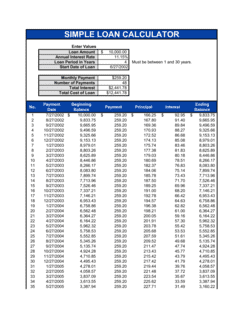
- A table showing each scheduled payment broken down into principal and interest components, along with the remaining loan balance after each payment.
- Extra Payment
- Any amount paid above the scheduled installment that is applied directly to reduce the outstanding principal balance.
- Principal
- The original loan amount borrowed, or the remaining balance yet to be repaid, before interest is calculated.
- Interest Rate
- The annual percentage charged on the outstanding principal balance, typically expressed as a fixed or variable annual rate.
- Prepayment
- Repayment of all or part of a loan before its scheduled due date, which reduces future interest charges.
- Prepayment Penalty
- A fee charged by the lender when a borrower repays the loan ahead of schedule, compensating the lender for lost interest income.
- Payoff Date
- The date on which the full outstanding principal, accrued interest, and any fees are repaid and the loan is fully discharged.
- Outstanding Balance
- The remaining principal owed on a loan at any point in time, reduced by each principal payment made.
- Default
- A borrower's failure to meet a contractual loan obligation — such as missing a payment or violating a covenant — triggering the lender's remedies.
- Cure Period
- A defined window of time — typically 10 to 30 days — during which a borrower may remedy a default before the lender accelerates the loan.
- Acceleration Clause
- A provision allowing the lender to demand immediate repayment of the entire outstanding balance if the borrower defaults.
- Pro Rata Allocation
- The method of applying an extra payment proportionally — typically to principal first after accrued interest is satisfied — to reduce the balance on which future interest is calculated.