1
Define the reporting period and audience
Set the exact start and end dates of the reporting period at the top of the template. Confirm who will receive the report — board, lenders, investors, or internal management — because this determines how much detail and how much narrative context you need to include.
💡 Lock in a consistent cut-off date (e.g., the 5th business day after month-end) and stick to it — late reports erode stakeholder confidence more than small misses do.
2
Pull final figures from your accounting system
Export your trial balance or finalized P&L, balance sheet, and cash flow statement from your accounting software for the period. Reconcile the closing cash balance on the cash flow statement to the bank statement before proceeding.
💡 Never populate the report from a draft or unreconciled trial balance. One correcting journal entry after publication forces a restatement and damages credibility.
3
Populate the income statement summary with comparisons
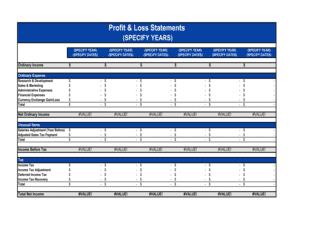
Enter actual revenue, COGS, gross profit, operating expenses by category, and net income. Add prior-period actuals and budget figures in the adjacent columns so readers can see context at a glance.
💡 Highlight any line where the variance exceeds 10% of budget in either direction — these are the lines that will generate questions, so address them in the variance narrative.
4
Break revenue down by segment
Disaggregate total revenue into your primary segments — product lines, geographies, customer tiers, or service types. Calculate each segment's share of total revenue and its growth rate versus the prior period.
💡 If one segment represents more than 50% of revenue and is declining, call it out explicitly in the executive summary rather than burying it in a table.
5
Complete the cash flow summary and balance sheet snapshot
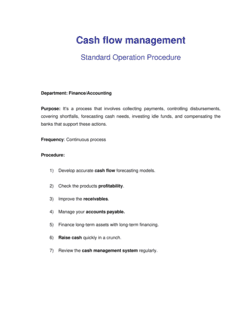
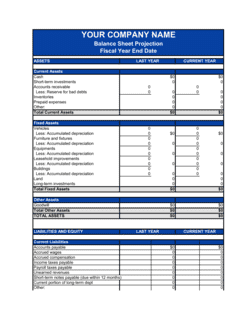
Transfer the three cash flow subtotals (operating, investing, financing) and calculate closing cash. Then enter the balance sheet totals — current assets, total assets, current liabilities, total liabilities, and equity — and verify the accounting equation balances.
💡 Include a cash runway calculation (closing cash ÷ average monthly burn) on the cash flow summary. It takes 30 seconds and is the first number many investors look for.
6
Write the variance narrative
For each variance that exceeds your materiality threshold, write one to three sentences explaining the root cause and whether it is a timing difference, a permanent change, or a one-time item. Avoid euphemisms — state the actual reason plainly.
💡 Separate favorable variances from unfavorable ones into distinct paragraphs. Mixing them makes the narrative harder to scan.
7
Add the KPI scorecard and forward outlook
Populate the KPI table with actuals, targets, and prior-period figures. Then write two to four sentences on what you expect in the next period, including any known events that will materially affect revenue or cash.
💡 Flag any KPI that has missed target for two consecutive periods — escalate it in the outlook section rather than waiting for the trend to become a crisis.