1
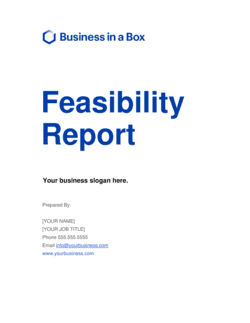
Complete the cover page and define the audit period
Enter the entity name, audit type, the exact start and end date of the period under review, the report date, and the name of the auditing team or firm.
💡 Use the report date — not the audit fieldwork end date — as the primary date on the cover. These are often weeks apart and the distinction matters for regulatory submissions.
2
Document objectives and scope before fieldwork begins
Write the audit objectives and scope boundaries at the planning stage, not after. Record what is included, what is excluded, and why. This prevents scope creep and protects the auditor if gaps are questioned later.
💡 Get written sign-off on the scope from management or the audit committee before fieldwork starts — this eliminates disputes about what was in or out of scope.
3
Describe your methodology with specific procedures
List the audit standards followed, the types of testing performed, the population size, and sample size for each transaction test. Include interview subjects by title, not by name.
💡 Stating the confidence level and sampling methodology (random, judgmental, or stratified) makes the report defensible if challenged by management or a regulator.
4
Write each finding as a discrete, structured entry
For each finding, document the title, risk rating, specific observation, the criteria or policy that was not met, the root cause, and the potential impact if left unaddressed.
💡 Write findings in neutral, factual language. Avoid words like 'egregious' or 'negligent' — these trigger defensiveness and slow down the management response process.
5
Rate each finding consistently using a defined risk scale
Apply a risk rating — High, Medium, or Low — to every finding based on the likelihood of occurrence and the magnitude of potential impact. Define the rating criteria in the methodology section so ratings are applied consistently.
💡 If you have more than four High-rated findings, consider whether your criteria are calibrated correctly — over-using High ratings desensitizes management to genuine priorities.
6
Collect and document management responses for each finding
Send the draft findings to management and allow 5–10 business days for written responses. Record each response verbatim alongside the relevant finding, then note whether the auditor agrees or has follow-up comments.
💡 Require responses to include a specific corrective action, a named responsible owner, and a target completion date. Reject generic responses before finalizing the report.
7
Write the overall conclusion or opinion statement
Draft a clear overall conclusion that reflects the net result of all findings — effective, needs improvement, or significant deficiencies. Match the language to any audit standard you cited in the methodology section.
💡 A qualified or adverse conclusion should be discussed verbally with management before it appears in the final report — surprises at distribution damage working relationships without improving outcomes.
8
Build the action plan register and set follow-up dates
Consolidate every finding, corrective action, owner, and target date into a single table at the end of the report. Assign a follow-up audit or status check date for each High-rated item.
💡 Schedule the first follow-up check 30–60 days after report distribution, not at the target completion date — early check-ins catch remediation delays before they become overdue items.