- Disability
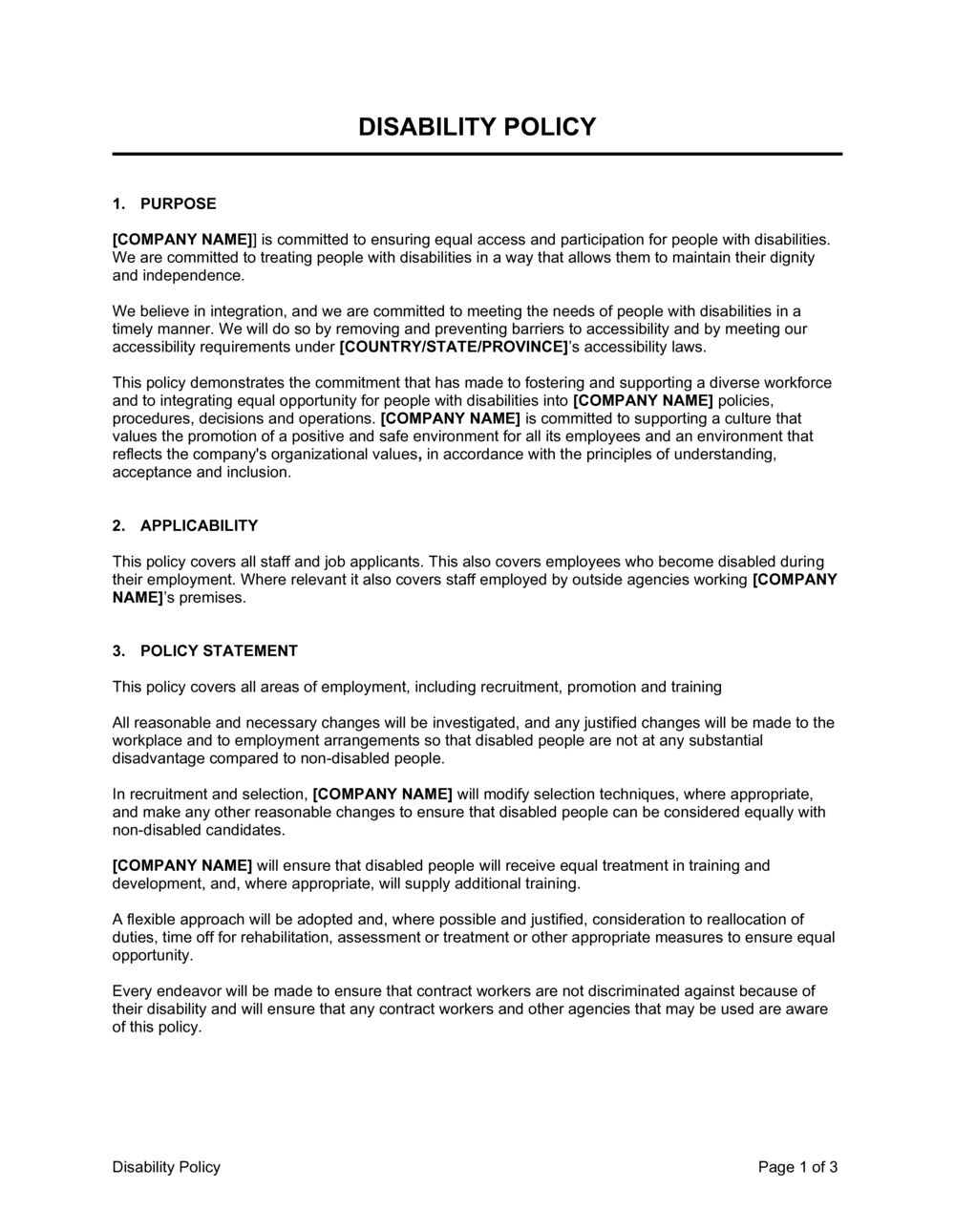
- Under the ADA, a physical or mental impairment that substantially limits one or more major life activities, a record of such impairment, or being regarded as having such an impairment.
- Reasonable Accommodation
- Any modification to a job, work environment, or the way work is performed that enables a qualified person with a disability to enjoy equal employment opportunities.
- Undue Hardship
- A significant difficulty or expense that would result from providing an accommodation, assessed relative to the employer's size, resources, and the nature of the operation.
- Interactive Process
- An informal, good-faith dialogue between an employer and an employee to identify an effective accommodation, required under the ADA when a request is made.
- Essential Functions
- The fundamental, non-marginal duties of a job that the position exists to perform — the baseline against which accommodation feasibility is assessed.
- Medical Documentation
- Records from a qualified health professional confirming the existence of a disability and the functional limitations that support an accommodation request.
- Qualified Individual
- A person who, with or without reasonable accommodation, can perform the essential functions of the job they hold or are applying for.
- Direct Threat
- A significant risk of substantial harm to the health or safety of the individual or others that cannot be eliminated or reduced through reasonable accommodation.
- ADA (Americans with Disabilities Act)
- US federal legislation enacted in 1990 that prohibits discrimination against individuals with disabilities in employment, public accommodations, and other areas.
- ADAAA (ADA Amendments Act)
- A 2008 amendment to the ADA that broadened the definition of disability and rejected earlier Supreme Court decisions that had narrowed the law's coverage.