1
Define the market scope before identifying competitors
Write a one-sentence market definition that specifies the customer segment, problem being solved, and geography. Use this definition as the filter for every company you include or exclude from the analysis.
💡 If your market definition produces more than 15 direct competitors, it is too broad — narrow by customer segment or use case until the list is actionable.
2
Identify and tier all competitors
Research direct and indirect competitors using sources including G2, Capterra, Crunchbase, LinkedIn, and industry analyst reports. Assign each to Tier 1, 2, or 3 based on funding, market presence, and overlap with your target customer.
💡 Check your own sales CRM for 'lost to competitor' data — this is the most accurate source of which rivals are actually winning deals in your market.
3
Build individual competitor profiles
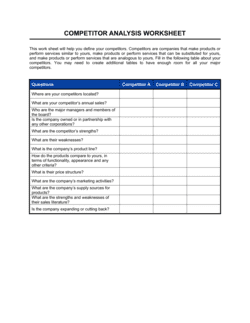
Complete a profile card for each Tier 1 and Tier 2 competitor covering founding year, funding raised, headcount estimate, core product description, pricing, and at least two strengths and two weaknesses supported by evidence.
💡 Customer review platforms like G2 and Trustpilot are the most credible source for competitor weaknesses — they reflect real user experience rather than internal opinion.
4
Complete the feature and pricing comparison matrices
Build your feature list from the customer's perspective — use job-to-be-done language rather than your internal product taxonomy. Verify pricing against multiple sources including trial sign-ups and third-party review sites.
💡 Have a non-biased colleague review the feature list before you score competitors — the most common mistake is building criteria that favor your own product.
5
Analyze positioning and messaging across all competitors
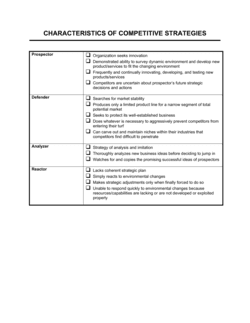
Review each competitor's homepage headline, product page, and top three G2 review themes. Identify the primary claim each competitor makes and the persona they address. Note where messaging overlaps with yours.
💡 Screenshot competitor homepages with a date stamp — messaging shifts frequently during competitive battles and you will want a record of what they said when.
6
Plot the positioning map
Choose two axes that reflect the actual buying criteria in your market — not axes that flatter your position. Place all competitors and your own company on the map using the evidence gathered in previous steps.
💡 Run the draft map past two or three customers and ask if it reflects how they think about the category. Their reaction will tell you immediately if the axes are meaningful.
7
Identify whitespace gaps and validate against customer research
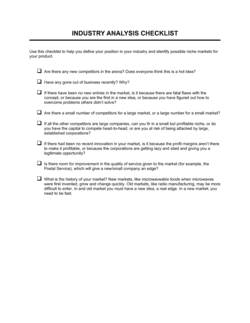
List every gap revealed by the feature matrix and positioning map. Cross-reference each against existing customer interviews, win/loss data, or survey results to confirm there is actual demand behind the gap.
💡 A gap that appears in the matrix but has never been mentioned in a customer interview is a product assumption, not an opportunity — flag it for validation before acting on it.
8
Write the strategic recommendations and executive summary
Translate the top three to five gaps and competitive threats into specific, prioritized recommendations with an owner, a target date, and a measurable success metric. Then write the executive summary last, pulling the most important findings from each section.
💡 Limit recommendations to actions the company can realistically execute in the next 12 months — a list of ten aspirational items reads as unfocused and rarely gets reviewed again.