- Base Salary
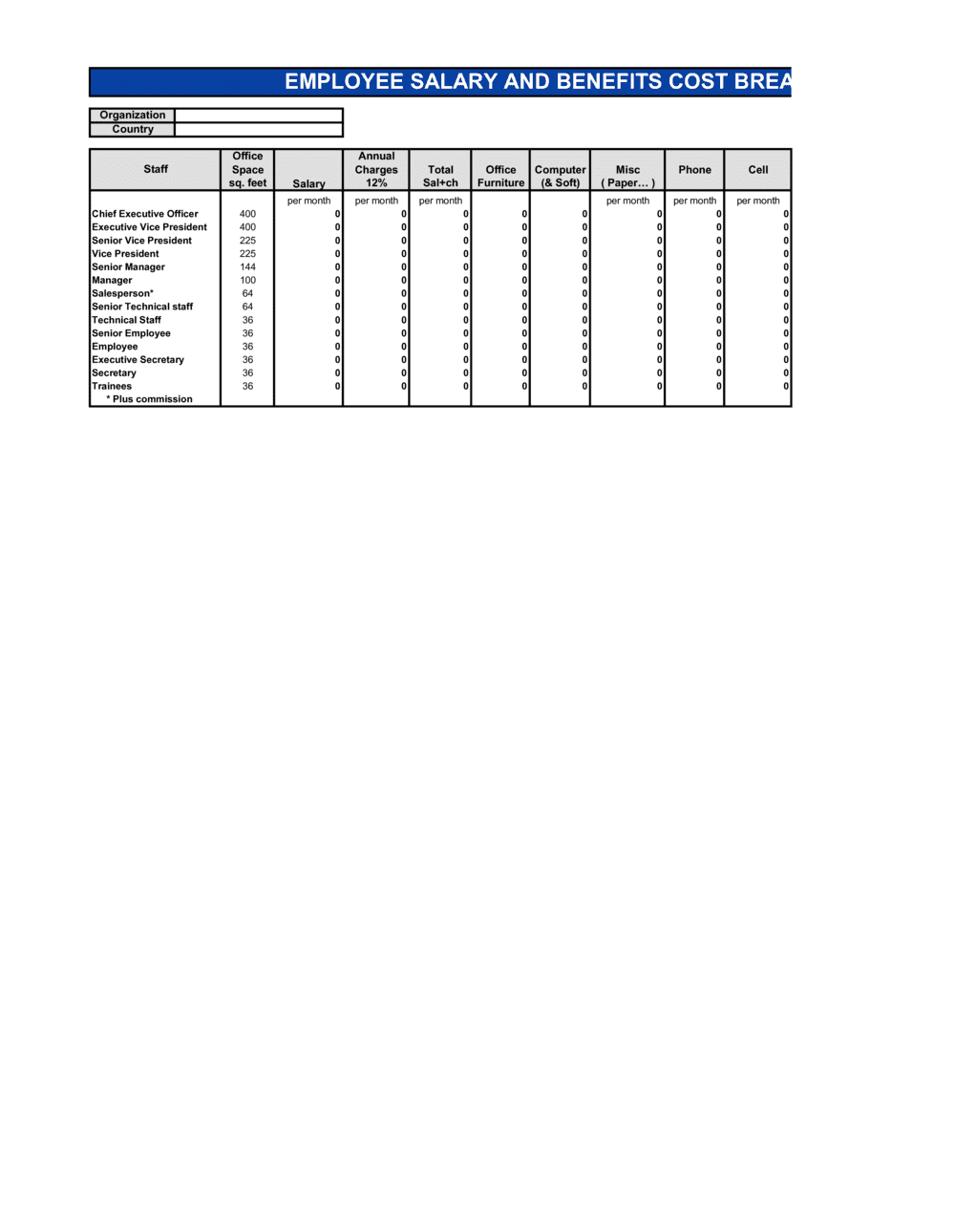
- The fixed annual or hourly cash compensation an employee receives before bonuses, taxes, or deductions are applied.
- Employer Payroll Tax
- Mandatory tax contributions the employer pays on top of gross wages, including FICA (Social Security and Medicare in the US), CPP/EI (Canada), and National Insurance (UK).
- Total Compensation
- The full economic value of an employment relationship, including base salary, bonuses, employer-paid benefits, retirement contributions, and the cash value of paid leave.
- Burden Rate
- The ratio of total employer costs — wages plus all payroll taxes and benefits — to gross wages alone; typically expressed as a percentage.
- Employer Contribution
- The portion of a benefit premium or retirement plan deposit paid directly by the employer, separate from any employee-side deduction.
- FICA
- US Federal Insurance Contributions Act taxes — 6.2% Social Security and 1.45% Medicare — paid by both employer and employee on gross wages up to the annual wage base.
- Defined Contribution Plan
- A retirement savings plan (such as a 401(k) or RRSP match) in which the employer contributes a fixed amount or percentage, with no guaranteed future benefit.
- Perquisite (Perk)
- A non-cash benefit provided to an employee — such as a car allowance, gym membership, or phone stipend — that has a quantifiable monetary value.
- Workers' Compensation Premium
- An employer-paid insurance premium that funds wage replacement and medical benefits for employees injured on the job; rates vary by industry and jurisdiction.
- Paid Time Off (PTO) Valuation
- The cash equivalent of an employee's earned vacation, sick, and holiday leave days, calculated by multiplying the daily pay rate by the number of leave days granted.
- Gross-Up
- Additional compensation provided by the employer so that after the employee pays taxes on a benefit or reimbursement, the employee nets the intended amount.
- Benefits Load
- The aggregate cost of all non-wage employer expenses expressed as a dollar amount per employee per year, used in headcount budgeting.