- Review Period
- The defined span of time — typically 6 or 12 months — that the self evaluation covers.
- Performance Rating
- A numeric or descriptive score (e.g., Exceeds Expectations, Meets Expectations, Needs Improvement) assigned to each competency or overall performance.
- Key Performance Indicator (KPI)
- A measurable value that tracks progress toward a specific business or role objective, used to anchor self-assessment claims to concrete data.
- Competency
- A defined skill, behavior, or attribute — such as communication, problem-solving, or leadership — against which performance is assessed.
- SMART Goals
- Goals that are Specific, Measurable, Achievable, Relevant, and Time-bound — the standard framework for setting and evaluating professional objectives.
- Professional Development Plan
- A documented roadmap of training, certifications, mentoring, or stretch assignments the employee will pursue in the next review period.
- 360-Degree Feedback
- Performance input gathered from multiple sources — manager, peers, direct reports, and sometimes clients — to complement the employee's self-assessment.
- Calibration Session
- A meeting where managers compare and align performance ratings across their teams to ensure consistent application of evaluation criteria.
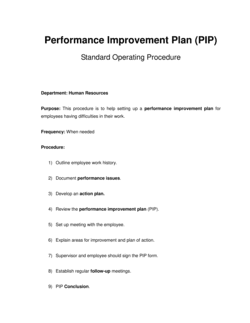
- Performance Improvement Plan (PIP)
- A formal document outlining specific deficiencies, measurable targets, and a timeline for an employee to meet expectations before further action is taken.
- Acknowledgement Signature
- A signature by the employee confirming they have completed and reviewed the document — distinct from a signature agreeing with the manager's assessment.