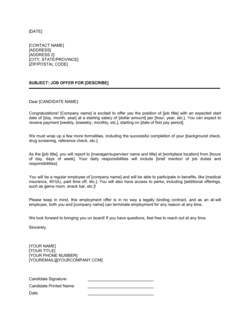
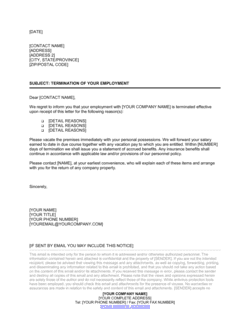
We Are Pleased to Announce our Recent Acquisition Template

Free Word download β€’ Edit online β€’ Save & share with Drive β€’ Export to PDF

1 pageβ€’20–30 min to fillβ€’Difficulty: Standard
Learn more ↓
FreeWe Are Pleased to Announce our Recent Acquisition Template

At a glance

What it is
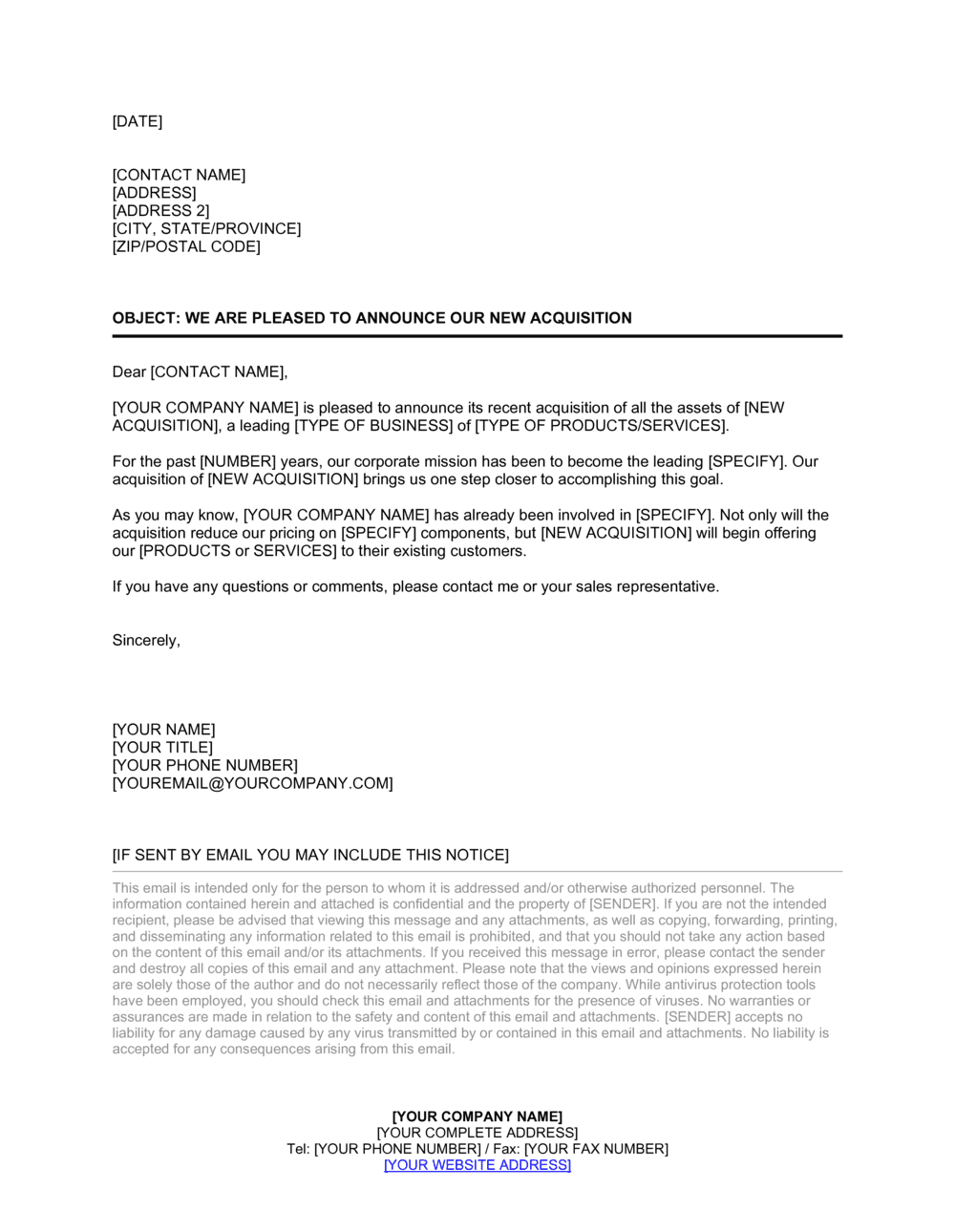
An Acquisition Announcement Letter is a formal communication sent by the acquiring company to customers, business partners, or employees to announce that a corporate acquisition has been completed. This free Word download gives you a structured, professional starting point to explain who was acquired, the strategic rationale, what changes β€” and what stays the same β€” for the recipient, and who to contact going forward.
When you need it
Send it as soon as the acquisition is legally closed and approved for public disclosure. Delaying communication lets rumors fill the void and erodes trust with the customers, partners, and staff who matter most to continuity.
What's inside
Opening announcement of the acquisition with company names and closing date, strategic rationale in plain language, a clear statement of what changes and what stays the same for the recipient, leadership and contact information, and a confident closing that reinforces continuity.

What is an Acquisition Announcement Letter?

An Acquisition Announcement Letter is a formal written communication issued by an acquiring company to notify customers, business partners, or employees that a corporate acquisition has been completed. It names both the acquiring and acquired companies, states the closing date, explains the strategic rationale in plain language, and β€” critically β€” tells the recipient exactly what changes in their relationship and what remains the same. Unlike a press release aimed at the general public, this letter speaks directly to a specific stakeholder audience and is signed by a named executive who can be contacted with questions.

Why You Need This Document

When an acquisition closes without prompt, direct communication to the people it affects, the information vacuum fills immediately with speculation. Customers assume their contracts are at risk. Partners worry about new ownership disrupting agreed terms. Employees fear layoffs before anyone has said a word. A well-crafted acquisition announcement letter sent on closing day closes that vacuum before it opens. It signals competent leadership, honors the trust stakeholders placed in the acquired company, and gives recipients a concrete next step β€” a named contact and a response commitment β€” rather than a helpless wait for news. The cost of not sending it is measured in cancelled contracts, stalled partnerships, and avoidable employee turnover in the weeks immediately following the close.

Which variant fits your situation?

If your situation is…Use this template
Announcing to external customers of the acquired companyAcquisition Announcement Letter (Customer-Facing)
Announcing to employees of the acquired companyAcquisition Announcement Letter (Employee-Facing)
Announcing to vendors and suppliersAcquisition Announcement Letter (Vendor-Facing)
Announcing a merger of equals rather than an acquisitionMerger Announcement Letter
Notifying customers of a change in business ownership without a full acquisitionChange of Ownership Letter
Introducing a new leadership team following the acquisitionNew Management Introduction Letter
Following up after the initial announcement with integration detailsPost-Acquisition Update Letter

Common mistakes to avoid

❌ Announcing before the deal is legally closed

Why it matters: Premature disclosure can violate confidentiality agreements, trigger regulatory issues, and create reputational damage if the deal subsequently falls through.

Fix: Obtain written confirmation from counsel that closing is complete and public disclosure is authorized before sending any version of the letter.

❌ Using the same letter for all stakeholder groups

Why it matters: Customers care about service continuity; employees care about job security; vendors care about payment terms β€” a single letter satisfying none of them reads as tone-deaf to each.

Fix: Draft a base template and customize the what-changes clause, rationale, and contact block separately for each audience segment.

❌ Omitting the what-changes clause to avoid alarm

Why it matters: Readers assume the worst when a letter announces a major change but doesn't address its implications directly β€” silence triggers calls, cancellations, and social media speculation.

Fix: State explicitly what changes and what doesn't, even if the honest answer is 'nothing changes on day one.' Clarity reduces anxiety more than optimism.

❌ Listing a generic contact email instead of a named person

Why it matters: An info@ or support@ email signals that no one specific is accountable for the transition, which erodes confidence precisely when stakeholders need it most.

Fix: Name a specific integration contact for each audience group, include their direct email and phone number, and brief them before the letter is sent.

The 8 key clauses, explained

Date, sender, and recipient block

In plain language: Identifies when the letter was sent, who it is from (the acquiring company), and who it is addressed to β€” customer, partner, or employee segment.

Sample language
[DATE] | [ACQUIRING COMPANY NAME] | [STREET ADDRESS, CITY, STATE ZIP] | Dear [Customer / Partner / Team Member],

Common mistake: Sending a single generic letter to all audiences simultaneously. Customer-facing and employee-facing letters carry different messages and should be tailored separately.

Opening announcement

In plain language: States clearly and directly that the acquisition has closed, naming both the acquiring company and the acquired company along with the closing date.

Sample language
We are pleased to announce that [ACQUIRING COMPANY NAME] has completed the acquisition of [ACQUIRED COMPANY NAME], effective [CLOSING DATE].

Common mistake: Burying the acquisition news in the second paragraph after a lengthy preamble. Recipients scan letters; the key fact should appear in the first sentence.

Strategic rationale

In plain language: Explains in plain language why the acquisition was made β€” the business benefit and what the combined entity is now positioned to do.

Sample language
This acquisition strengthens our ability to [STRATEGIC BENEFIT] and allows us to offer [RECIPIENT TYPE] [SPECIFIC NEW CAPABILITY OR PRODUCT].

Common mistake: Using abstract corporate language like 'synergies' and 'value creation' without a concrete example. Recipients disengage from jargon and remember specifics.

What changes for the recipient

In plain language: Directly addresses the reader's first concern β€” what, if anything, is changing in their relationship, service, pricing, or point of contact.

Sample language
Effective [DATE], your primary point of contact will be [NAME] at [EMAIL / PHONE]. Your existing [contract terms / pricing / service levels] remain in effect and will not change at this time.

Common mistake: Omitting this clause entirely to 'keep the letter short.' Readers assume the worst when change is not addressed directly β€” this clause is the most critical for retention.

What stays the same

In plain language: Reassures the recipient that continuity is the priority β€” existing commitments, brand, team, and service levels are being honored.

Sample language
The [ACQUIRED COMPANY NAME] team you work with today will continue to support you. Our commitment to [SPECIFIC SERVICE STANDARD OR VALUE] remains unchanged.

Common mistake: Making promises here that contradict integration plans already underway. Only commit to what leadership has confirmed in writing β€” overpromising creates liability and destroys trust when the reality differs.

Leadership and contact information

In plain language: Introduces the relevant post-acquisition leadership or account contact and provides clear next steps for questions or concerns.

Sample language
Going forward, [NAME], [TITLE], will oversee [FUNCTION / REGION]. You can reach [him/her/them] directly at [EMAIL] or [PHONE NUMBER].

Common mistake: Listing a generic info@ email as the primary contact. Recipients with genuine concerns need a named person β€” anonymity signals disorganization.

Invitation to connect

In plain language: Encourages the recipient to reach out with questions and signals that leadership is accessible during the transition.

Sample language
We welcome your questions and encourage you to reach out at any time. [NAME] will personally respond to inquiries received within [TIMEFRAME].

Common mistake: Promising a response time the team cannot honor. If 48 hours is realistic, say 48 hours β€” an unmet promise in the first post-acquisition touch damages credibility immediately.

Closing and signature block

In plain language: Closes on a forward-looking, confident note and includes the sender's name, title, company, and contact details.

Sample language
We are excited about what this acquisition means for [RECIPIENT GROUP] and look forward to continuing to serve you. Sincerely, [SENDER NAME] | [TITLE] | [ACQUIRING COMPANY NAME] | [EMAIL] | [PHONE]

Common mistake: Closing with a legal disclaimer as the last thing the reader sees. Move any required disclaimer to a footnote β€” end the letter on the human note.

How to fill it out

  1. 1

    Confirm the closing date and disclosure clearance

    Before filling in any dates, confirm with legal counsel that the transaction is closed and that public announcement has been authorized. The closing date in the letter must match the date in the signed purchase agreement.

    πŸ’‘ Draft the letter in advance but do not distribute until you have written confirmation from counsel that disclosure is permitted.

  2. 2

    Identify your primary audience and customize accordingly

    Decide whether this specific letter is going to customers, partners, vendors, or employees. The tone, what-changes section, and contact details differ meaningfully between audiences β€” do not use one draft for all groups.

    πŸ’‘ Create a separate version for each major audience segment; it takes 20 minutes and prevents the confusion that comes from a letter that feels like it was written for someone else.

  3. 3

    Fill in the company names and closing date in the opening

    Replace [ACQUIRING COMPANY NAME] and [ACQUIRED COMPANY NAME] with the full legal names as they appear in the purchase agreement. Use the actual closing date, not the signing date.

    πŸ’‘ If your acquirer operates under a brand name different from its legal entity name, use the brand name the recipient will recognize.

  4. 4

    Write the strategic rationale in one or two concrete sentences

    Replace generic placeholder text with a specific benefit the recipient will actually care about β€” expanded service coverage, new product access, or a stronger support team. Avoid abstract business language.

    πŸ’‘ Read the rationale aloud and ask: 'Does this sentence tell the recipient anything useful?' If not, rewrite it until it does.

  5. 5

    Complete the what-changes and what-stays-the-same sections

    Coordinate with integration leads to confirm which details are accurate before drafting. State pricing, contract, and contact changes explicitly. If nothing material changes on day one, say so clearly.

    πŸ’‘ The single highest-impact edit in this letter is a specific, accurate sentence in the what-changes clause β€” it prevents inbound calls from worried customers.

  6. 6

    Add named contacts and response commitments

    Replace all generic placeholders with real names, direct email addresses, and direct phone numbers. Set a response-time commitment only if your team can honor it consistently for the first 30 days post-announcement.

    πŸ’‘ Assign one named integration liaison per major customer or partner segment and give that person a briefing before the letters go out.

  7. 7

    Review, approve, and send on closing day

    Have the signing executive review the final draft, confirm all factual details against the purchase agreement, and authorize distribution. Send by email and post a printed copy for regulated or high-value recipients.

    πŸ’‘ Time the send for mid-morning on a business day so recipients can reach your contact person with same-day questions.

Frequently asked questions

What is an acquisition announcement letter?

An acquisition announcement letter is a formal written communication sent by the acquiring company to customers, partners, employees, or vendors to notify them that a corporate acquisition has been completed. It explains who was acquired, why, what changes for the recipient, and who their new or continuing point of contact is. Sending it promptly after closing prevents misinformation and signals that the acquiring company is managing the transition professionally.

When should an acquisition announcement letter be sent?

Send it as soon as the transaction is legally closed and public disclosure has been authorized by counsel β€” typically on closing day or within 24 hours. Delaying more than one or two business days risks recipients learning about the acquisition through press coverage or rumors before hearing directly from the company, which damages trust.

Who should sign the acquisition announcement letter?

For external audiences β€” customers and partners β€” the CEO or Managing Director of the acquiring company typically signs. For employee-facing letters, the HR director or the newly appointed general manager for the acquired entity may co-sign to personalize the message. The signer should be the most senior person the recipient is likely to recognize.

Should I send different letters to customers, employees, and partners?

Yes. Each audience has distinct concerns: customers want assurance of service continuity, employees want clarity on job security and reporting structure, and vendors want confirmation of contract terms and payment contacts. Using a single letter for all three groups produces a message that resonates with none of them. Customize at minimum the what-changes clause, strategic rationale, and contact information for each segment.

What should the acquisition announcement letter not include?

Avoid sharing unconfirmed integration plans, financial deal terms (purchase price, earn-out details), personnel decisions not yet finalized, or promises about the future that leadership has not formally approved. Overpromising in the announcement letter and under-delivering in the following weeks is one of the most common causes of post-acquisition customer and employee churn.

Do I need a lawyer to review an acquisition announcement letter?

A lawyer review is not typically required for the letter itself, but legal counsel should confirm the timing of disclosure before you send it. If the acquisition involves publicly traded companies, securities regulations govern what can be said and when. For privately held deals, review the purchase agreement for any communications restrictions before distributing the letter to external parties.

How long should an acquisition announcement letter be?

One page is the standard and the ideal length. Recipients β€” especially customers and partners β€” will not read a multi-page announcement letter. State the news, explain the rationale in two or three sentences, address what changes, provide a contact, and close. If integration details are complex, promise a follow-up communication rather than crowding the announcement letter with operational specifics.

What tone should an acquisition announcement letter use?

Professional, direct, and forward-looking. Avoid overly celebratory language that can feel tone-deaf to employees concerned about their jobs, and avoid hedging language that signals uncertainty to customers. The goal is confident clarity: this happened, here is why, here is what it means for you, here is who to call.

How this compares to alternatives

vs Merger Announcement Letter

A merger announcement letter covers a transaction in which two companies combine as relative equals under a new or shared entity. An acquisition announcement letter addresses a clear buyer-and-seller structure where one company takes ownership of another. The tone, rationale language, and leadership introduction differ significantly β€” use the acquisition version when one party is clearly the purchaser.

vs Change of Ownership Letter

A change of ownership letter is used for simpler ownership transfers β€” a sole proprietorship sale, partnership buyout, or asset purchase β€” where no formal acquisition structure is involved. An acquisition announcement letter is appropriate for corporate transactions with distinct acquiring and acquired entities. The acquisition letter is more formal and includes strategic rationale that a change-of-ownership letter typically omits.

vs New Management Introduction Letter

A new management introduction letter focuses solely on introducing incoming leadership and is sent after the announcement phase. An acquisition announcement letter covers the full context of the transaction β€” what happened, why, and what changes β€” making it the first communication. The management introduction letter is a natural follow-up once the initial announcement has been received.

vs Press Release

A press release is written for journalists and public audiences in a third-person news format. An acquisition announcement letter is a direct, first-person communication to a specific stakeholder audience β€” customers, partners, or employees β€” with personalized detail about what the transaction means for them. Both should be distributed on or shortly after closing day, but they serve entirely different audiences.

Industry-specific considerations

Technology / SaaS

Software acquisitions require immediate reassurance on product roadmap continuity, data security, and whether existing integrations and APIs will be maintained.

Professional Services

Client relationships are personal and fee-based, so the letter must introduce the continuing or new account lead by name and confirm billing arrangements.

Healthcare

Patient and provider communications must address continuity of care, HIPAA data handling under new ownership, and any changes to accepted insurance or billing contacts.

Manufacturing and Distribution

Vendor and distributor letters should confirm existing supply agreements, payment terms, and logistics contacts remain in effect through a stated transition period.

Template vs pro β€” what fits your needs?

PathBest forCostTime
Use the templateSmall to mid-size businesses announcing a straightforward acquisition to customers, partners, or staffFree30–60 minutes
Template + professional reviewAcquisitions involving publicly traded companies, regulated industries, or complex stakeholder groups requiring legal sign-off on messaging$200–$500 for a communications or legal review1–2 days
Custom draftedLarge enterprise acquisitions with multi-jurisdiction disclosure requirements, investor relations obligations, or coordinated media strategies$1,000–$5,000+ for communications agency or legal drafting1–2 weeks

Glossary

Acquisition
A transaction in which one company purchases a controlling interest in another, taking ownership of its assets, operations, and liabilities.
Acquirer
The company that purchases and takes control of another business in an acquisition transaction.
Target Company
The business being purchased in an acquisition β€” also called the acquired company.
Closing Date
The date on which the acquisition transaction is legally completed and ownership formally transfers to the acquirer.
Strategic Rationale
The business logic explaining why the acquisition was pursued β€” typically expanded capabilities, market access, talent, or product portfolio.
Integration
The process of combining the acquired company's operations, systems, culture, and people with those of the acquiring company after closing.
Stakeholder
Any person or organization with a direct interest in the acquisition outcome β€” including employees, customers, partners, and investors.
Leadership Transition
The planned handover of management responsibilities from the acquired company's leadership to the acquiring company's designated team.
Business Continuity
The assurance that day-to-day operations, services, and customer commitments will continue without material disruption through and after the acquisition.
NDA (Non-Disclosure Agreement)
A confidentiality agreement often signed by parties during deal negotiations to prevent premature public disclosure of the acquisition.

Part of your Business Operating System

This document is one of 3,000+ business & legal templates included in Business in a Box.

  • Fill-in-the-blanks β€” ready in minutes
  • 100% customizable Word document
  • Compatible with all office suites
  • Export to PDF and share electronically

Create your document in 3 simple steps.

From template to signed document β€” all inside one Business Operating System.
1
Download or open template

Access over 3,000+ business and legal templates for any business task, project or initiative.

2
Edit and fill in the blanks with AI

Customize your ready-made business document template and save it in the cloud.

3
Save, Share, Send, Sign

Share your files and folders with your team. Create a space of seamless collaboration.

Save time, save money, and create top-quality documents.

β˜…β˜…β˜…β˜…β˜…

"Fantastic value! I'm not sure how I'd do without it. It's worth its weight in gold and paid back for itself many times."

Managing Director Β· Mall Farm
Robert Whalley
Managing Director, Mall Farm Proprietary Limited
β˜…β˜…β˜…β˜…β˜…

"I have been using Business in a Box for years. It has been the most useful source of templates I have encountered. I recommend it to anyone."

Business Owner Β· 4+ years
Dr Michael John Freestone
Business Owner
β˜…β˜…β˜…β˜…β˜…

"It has been a life saver so many times I have lost count. Business in a Box has saved me so much time and as you know, time is money."

Owner Β· Upstate Web
David G. Moore Jr.
Owner, Upstate Web

Run your business with a system β€” not scattered tools

Stop downloading documents. Start operating with clarity. Business in a Box gives you the Business Operating System used by over 250,000 companies worldwide to structure, run, and grow their business.

Start freeΒ Β·Β No credit card required