1
Identify the underlying agreement and locate the ROFR clause
Pull the original contract that created the right of first refusal — shareholder agreement, lease, purchase agreement, or partnership deed. Note the exact section number, the parties named, and any conditions or time limits on the right.
💡 If the underlying agreement has been amended, confirm you are working from the most recent version — amendments may have altered the ROFR's scope or duration.
2
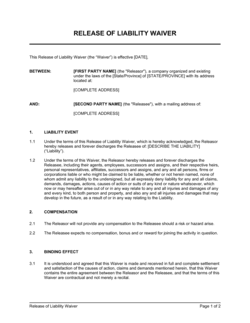
Fill in the parties' full legal names and roles
Enter the ROFR holder's full legal name (or registered entity name), the asset owner's legal name, and the proposed buyer's name. Use the same names as they appear in the underlying agreement.
💡 For corporate holders, confirm the entity's exact registered name from a corporate registry search — misspellings or abbreviated names can invalidate the waiver.
3
Describe the asset precisely
Insert a full legal description of the asset — registered property address and lot number for real estate, or share class, certificate numbers, and registered company name for equity. Attach the description as Exhibit A if it is lengthy.
💡 For real estate, copy the legal description verbatim from the title deed rather than paraphrasing — any variation can create a title defect.
4
Describe the proposed transaction in specific terms
State the proposed buyer's name, the agreed purchase price, and the key terms of the transaction. Attach a copy of the relevant purchase agreement or term sheet as Exhibit B so the scope of the waiver is unambiguous.
💡 If the price or buyer changes between signing the waiver and closing, obtain a new waiver — a ROFR may revive if material terms deviate from those disclosed.
5
State the consideration for the waiver
Enter the amount or description of what the ROFR holder receives in exchange. Even nominal consideration ($1.00 and mutual goodwill) is better than none, and preserves enforceability in strict consideration jurisdictions.
💡 In commercial transactions, it is common to tie consideration to a portion of the sale proceeds or a flat fee negotiated at the time of the waiver.
6
Confirm the scope — transaction-specific or broader
Decide whether the waiver applies only to this transaction or to all future exercises of this ROFR. For most situations, a transaction-specific waiver is safer — it does not inadvertently extinguish the holder's rights in future deals.
💡 If the parties intend to permanently remove the ROFR, use an amendment to the underlying agreement rather than a broadly scoped waiver.
7
Obtain authorized signatures before closing
Have the ROFR holder sign — and, if required by the title company or transaction counsel, have the owner and buyer counter-sign. For corporate entities, confirm board or officer authorization before execution.
💡 Deliver the executed waiver to escrow or the closing agent at least 48 hours before the scheduled closing date to allow title review.
8
Retain executed copies and update your records
Distribute fully executed copies to all parties and store the waiver alongside the underlying agreement in your contract management system. For real estate, confirm whether the waiver needs to be recorded with the county or land registry.
💡 Some jurisdictions require a recorded waiver to clear title — check with a title officer or real estate attorney before assuming the signed copy alone is sufficient.