Thanksgiving Letter to Customers Template

Free Word download β€’ Edit online β€’ Save & share with Drive β€’ Export to PDF

1 pageβ€’15–20 min to fillβ€’Difficulty: Standard
Learn more ↓
FreeThanksgiving Letter to Customers Template

At a glance

What it is
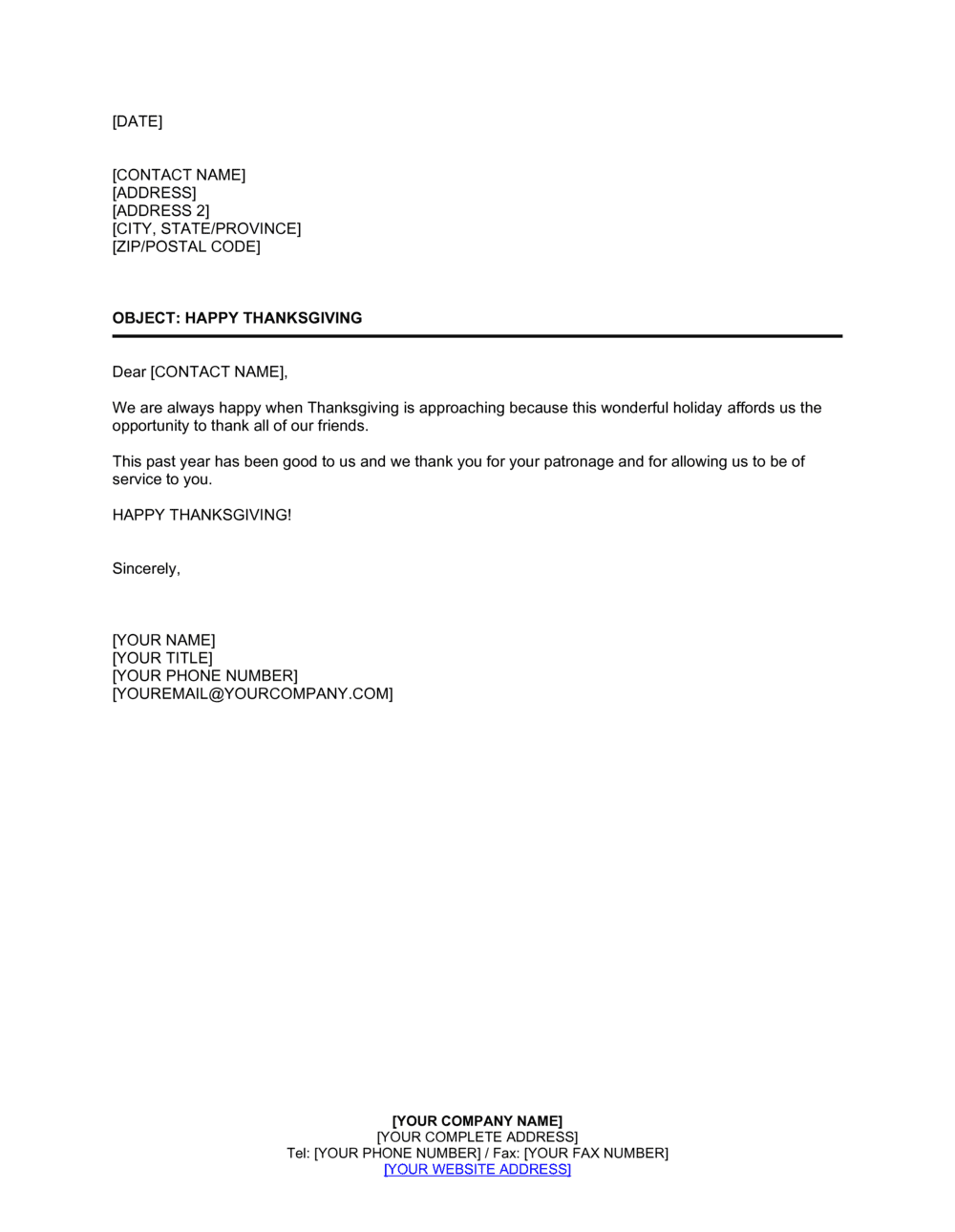
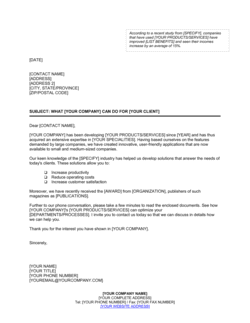
A Thanksgiving Letter to Customers is a short, formal business letter sent during the Thanksgiving season to express genuine appreciation for customer loyalty and continued business. This free Word download gives you a ready-to-personalize template you can edit online, add your branding, and send by email or print in minutes.
When you need it
Use it in the weeks leading up to Thanksgiving β€” typically early-to-mid November β€” when you want to acknowledge your customers before the holiday rush begins and reinforce the relationship heading into the new year.
What's inside
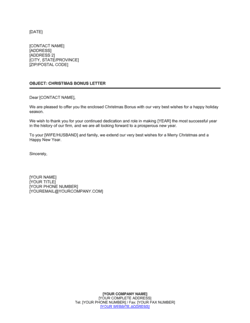
A professional letterhead block, a warm and specific opening, a sincere expression of gratitude tied to the customer relationship, a brief forward-looking statement, a closing offer or call to action, and a personalized sign-off from a named representative or owner.

What is a Thanksgiving Letter to Customers?

A Thanksgiving Letter to Customers is a short, seasonal business letter sent each November to express sincere appreciation for customer loyalty and continued patronage. Unlike a promotional email or a routine business update, this letter's sole purpose is to acknowledge the value of the customer relationship β€” recognizing the people who have chosen to do business with you over the course of the year. It functions as a scheduled relationship touchpoint, distinct from any transaction, that reinforces goodwill and keeps your business top-of-mind as customers head into the holiday season and new year.

Why You Need This Document

Customer acquisition costs far more than customer retention β€” and retention is built on consistent, meaningful communication that goes beyond invoices and order confirmations. A Thanksgiving letter gives you a structured, professional way to make that investment once a year. Businesses that skip seasonal outreach miss one of the few moments where reaching out feels natural rather than intrusive, leaving the field open for competitors who do send a note. A well-written, personally addressed letter takes under 30 minutes to produce from this template and can strengthen a client relationship that is worth thousands of dollars annually. This template gives you the structure and sample language to make every letter feel genuine β€” not generic β€” so your customers open it, read it, and remember it.

Which variant fits your situation?

If your situation is…Use this template
Writing to a broad customer list with a general seasonal messageThanksgiving Letter to Customers
Thanking a specific high-value client with a personalized noteCustomer Appreciation Letter
Sending a holiday greeting that covers multiple end-of-year holidaysHoliday Greeting Letter to Customers
Accompanying a promotional discount or seasonal offerPromotional Letter to Customers
Following up after a year of service to renew a contractContract Renewal Letter
Acknowledging a customer milestone such as a 5-year anniversaryCustomer Milestone Appreciation Letter

Common mistakes to avoid

❌ Leading with a promotional offer instead of genuine thanks

Why it matters: Customers can tell immediately when a 'thank-you' letter is really a sales email in disguise. It erodes trust and signals that the relationship is purely transactional.

Fix: Open with two to three sentences of sincere, specific gratitude before mentioning any offer. If the promotion feels forced, remove it and send a clean appreciation letter.

❌ Using a fully generic salutation for a named customer list

Why it matters: 'Dear Valued Customer' on a letter sent to someone you've worked with for years reads as careless. It signals that the customer is interchangeable, which is the opposite of the message you're trying to send.

Fix: Set up a mail merge or manually personalize the salutation. First-name personalization is the minimum for any customer whose name you have on file.

❌ Sending the letter during Thanksgiving week

Why it matters: Letters arriving on Wednesday or Thursday of Thanksgiving week land when customers are out of office, traveling, or focused on family β€” they go unread and unsaved.

Fix: Schedule delivery for November 1–15 so the letter arrives while customers are at their desks and the holiday feels timely rather than last-minute.

❌ Signing off with the company name only

Why it matters: A letter signed 'The [COMPANY NAME] Team' feels like it came from a bot. Customers are more likely to feel genuinely appreciated when a real person's name appears.

Fix: Always include the first and last name plus the title of the person signing β€” whether that's the owner, account manager, or customer success lead.

The 8 key clauses, explained

Letterhead and date

In plain language: Your company's name, logo, address, and contact information appear at the top, followed by the date the letter is sent.

Sample language
[COMPANY NAME] | [ADDRESS] | [CITY, STATE, ZIP] | [PHONE] | [WEBSITE] November [DATE], [YEAR]

Common mistake: Using a personal email address or informal contact detail in the letterhead instead of official business information β€” which undercuts the professional tone of the letter.

Recipient address block

In plain language: The customer's name, title, company, and mailing address placed below the date for formal printed letters.

Sample language
[CUSTOMER FULL NAME] [TITLE] [COMPANY NAME] [ADDRESS]

Common mistake: Omitting the recipient block entirely for printed letters β€” without it, the document looks like an informal note rather than a business communication.

Salutation

In plain language: The opening greeting that addresses the customer directly and sets a warm, personal tone from the first line.

Sample language
Dear [CUSTOMER FIRST NAME],

Common mistake: Using 'Dear Valued Customer' for all recipients when individual names are available β€” generic salutations signal that the letter is a mass blast, which reduces the sense of genuine appreciation.

Opening β€” expression of gratitude

In plain language: The first paragraph states the purpose of the letter immediately: to say thank you, tied specifically to the customer relationship and the Thanksgiving occasion.

Sample language
As Thanksgiving approaches, we want to take a moment to express our sincere gratitude for your loyalty and support throughout [YEAR]. Customers like you are the reason [COMPANY NAME] continues to grow, and we do not take that for granted.

Common mistake: Opening with company news or a promotional offer before the thank-you β€” readers notice when appreciation is secondary to a sales pitch, which undermines the letter's goodwill.

Body β€” specific acknowledgment

In plain language: One to two sentences that reference something specific about the customer relationship β€” the length of time they've been a customer, a project completed together, or a category of service they use.

Sample language
This year, it has been especially rewarding to support you with [PRODUCT / SERVICE CATEGORY]. Watching [COMPANY / CUSTOMER NAME] achieve [SPECIFIC OUTCOME OR MILESTONE] has been a highlight for our team.

Common mistake: Keeping the body entirely generic with no specific reference β€” 'we appreciate your business' repeated twice adds no warmth and reads as filler.

Forward-looking statement

In plain language: A brief sentence expressing anticipation for the relationship continuing into the new year, reinforcing that the partnership is long-term.

Sample language
We look forward to continuing to serve you in [NEXT YEAR] and are excited about what lies ahead for both of our businesses.

Common mistake: Skipping this paragraph entirely and jumping straight to the close β€” without it, the letter feels abrupt and misses the opportunity to frame the relationship as ongoing.

Optional offer or call to action

In plain language: An optional paragraph that includes a seasonal offer, discount code, or invitation β€” only if it fits naturally and does not overshadow the gratitude message.

Sample language
As a small token of our appreciation, we invite you to enjoy [X]% off your next order through [DATE] using the code [CODE]. Simply visit [WEBSITE] or call us at [PHONE] to redeem.

Common mistake: Making the offer the dominant element of the letter β€” if the discount is larger in font size or takes up more space than the thank-you, the letter reads as a sales promotion, not a genuine seasonal greeting.

Closing and sign-off

In plain language: A warm closing sentence followed by a professional sign-off β€” 'Sincerely,' 'With gratitude,' or 'Warm regards' β€” and the sender's name, title, and company.

Sample language
Wishing you and your family a wonderful Thanksgiving filled with warmth and joy. With gratitude, [SENDER NAME] [TITLE] [COMPANY NAME]

Common mistake: Signing off with just the company name and no individual name β€” letters feel far more genuine when a specific person has signed them, even if they are sent at scale.

How to fill it out

  1. 1

    Add your company letterhead

    Insert your company name, logo, address, phone number, and website into the letterhead block at the top of the template. Set the date to the day you plan to send or print the letter.

    πŸ’‘ If you're sending by email, paste the letterhead as a header image or use your email signature block β€” a plain-text email without branding loses the professional effect.

  2. 2

    Enter the recipient's name and address

    Fill in the customer's full name, title, company, and mailing address in the recipient block below the date. For email sends, you can condense this to the salutation only.

    πŸ’‘ For a bulk send, set up a mail merge using [CUSTOMER FIRST NAME] and [COMPANY NAME] tokens so each copy is individually addressed.

  3. 3

    Personalize the salutation

    Replace the placeholder with the customer's first name wherever possible. Reserve 'Dear Valued Customer' only for truly anonymous contacts where you have no name on file.

    πŸ’‘ Even 'Dear Sarah' versus 'Dear Ms. Thompson' changes the warmth of the letter β€” match the level of formality to how you normally communicate with this customer.

  4. 4

    Write a specific acknowledgment in the body

    Replace the sample language in the body paragraph with one specific detail about your relationship β€” how long they've been a customer, a product category they use, or a project you completed together this year.

    πŸ’‘ One specific sentence ('You've been with us for three years') does more for retention than three generic sentences of appreciation.

  5. 5

    Decide whether to include an offer

    If you want to include a discount or seasonal promotion, add it in the optional offer paragraph and keep it brief β€” one to two sentences with the code, discount amount, and expiry date.

    πŸ’‘ An offer is not required and can distract from the sincerity of the letter. If your goal is purely relationship-building, leave the offer paragraph out entirely.

  6. 6

    Write the closing and add a named sign-off

    Choose a warm closing phrase β€” 'With gratitude,' 'Warm regards,' or 'Happy Thanksgiving' β€” and sign with a specific person's name and title rather than just the company name.

    πŸ’‘ For high-value clients, have the owner or account manager add a short handwritten note below the printed signature β€” it takes 30 seconds and makes the letter memorable.

  7. 7

    Proofread and schedule delivery

    Read the final letter out loud to check for tone β€” it should feel warm but professional, not overly casual or stiff. Schedule delivery for the first or second week of November to arrive before the Thanksgiving week rush.

    πŸ’‘ Avoid sending on the Monday or Tuesday immediately before Thanksgiving β€” inboxes are clearing out and your letter is more likely to be overlooked.

Frequently asked questions

What is a Thanksgiving letter to customers?

A Thanksgiving letter to customers is a short seasonal business letter sent in November to express gratitude for customer loyalty and continued patronage. It acknowledges the value of the relationship outside of a transactional context and is typically sent by owners, account managers, or marketing teams to strengthen customer retention heading into the new year.

When should I send a Thanksgiving letter to customers?

The ideal window is the first two weeks of November β€” early enough that the letter feels timely and intentional, but not so far in advance that it loses its seasonal relevance. Avoid sending during Thanksgiving week itself, when customers are often out of office and inboxes go unchecked.

Should I include a discount or promotion in my Thanksgiving letter?

A promotional offer is optional and should be secondary to the gratitude message. If you include one, keep it brief β€” one sentence with the code and expiry date β€” and place it after the thank-you paragraphs. If adding an offer makes the letter feel more like a sales email than a sincere seasonal greeting, remove it and let the relationship-building stand on its own.

Should my Thanksgiving letter be sent by email or printed mail?

Both formats work, and the right choice depends on how you normally communicate with your customers. Email is faster and allows for mail merge personalization at scale. Printed letters sent by post carry more weight for high-value clients or long-standing relationships β€” especially when hand-signed. For broad customer lists, email with a professionally formatted letter attachment is the practical standard.

How long should a Thanksgiving letter to customers be?

One page is the target length β€” typically three to five short paragraphs. Thanksgiving letters are relationship communications, not business proposals. A letter that runs longer than a single page risks losing the reader's attention and diluting the sincerity of the message. Keep it warm, specific, and concise.

Can I use the same letter for all customers?

You can use the same template structure for all customers, but personalizing the salutation and at least one sentence in the body for each recipient significantly increases the letter's impact. At minimum, use a mail merge to insert each customer's first name. For top-tier accounts, write a custom body paragraph referencing something specific to that relationship.

Is a Thanksgiving letter appropriate for B2B customers?

Yes β€” Thanksgiving letters are widely used in B2B contexts. They serve as a professional, relationship-focused touchpoint between formal business interactions and are particularly effective for account management teams maintaining long-term client relationships. Keep the tone warm but professional, and avoid overly casual language that may not suit your industry or client culture.

Do I need to sign a Thanksgiving letter?

A formal signature is not legally required for a Thanksgiving letter, but signing with a named individual β€” the business owner, account manager, or department head β€” makes the letter feel personal and genuine. A letter signed only by the company name reads as a mass communication, which reduces its emotional impact. For printed letters, a handwritten signature is even more effective for key clients.

How this compares to alternatives

vs Holiday greeting letter

A holiday greeting letter covers the broader end-of-year holiday season β€” Christmas, Hanukkah, New Year β€” and is typically sent in December. A Thanksgiving letter is Thanksgiving-specific, sent in November, and centers on gratitude rather than celebration. Use the Thanksgiving letter when appreciation is the primary message; use a holiday greeting when you want a seasonal touchpoint that is not tied to a specific cultural holiday.

vs Customer appreciation letter

A customer appreciation letter can be sent at any time of year in response to a milestone β€” a purchase anniversary, a referral, or a loyalty threshold. A Thanksgiving letter is a scheduled seasonal outreach sent to a broader customer group at once. Use the appreciation letter for individual moments of recognition and the Thanksgiving letter for annual relationship-building at scale.

vs Promotional letter to customers

A promotional letter leads with an offer β€” a discount, a sale, or a product announcement β€” and is explicitly sales-driven. A Thanksgiving letter leads with gratitude and keeps any offer secondary or optional. If your primary goal is driving a transaction, use a promotional letter. If your goal is relationship maintenance, use the Thanksgiving letter.

vs Thank-you letter to a client

A thank-you letter to a client is typically triggered by a specific event β€” completing a project, receiving a referral, or closing a deal β€” and is addressed to one recipient. A Thanksgiving letter is a seasonal, scheduled communication sent to multiple customers at once. Both serve relationship goals, but the thank-you letter is reactive and individual while the Thanksgiving letter is proactive and scalable.

Industry-specific considerations

Retail

Retailers use Thanksgiving letters to acknowledge loyal customers before Black Friday, often pairing a brief thank-you with an early-access offer or loyalty reward.

Professional Services

Accountants, consultants, and law firms send Thanksgiving letters to reinforce long-term client relationships and maintain visibility during a quieter period before year-end billing.

Real Estate

Real estate agents and brokers use seasonal letters to stay top-of-mind with past clients who are prime sources of referrals, timing outreach ahead of the slower winter market.

Healthcare

Healthcare practices and clinics send Thanksgiving letters to patients to express appreciation and remind them of year-end benefits such as unused insurance coverage before it resets.

Template vs pro β€” what fits your needs?

PathBest forCostTime
Use the templateSmall businesses and individuals sending Thanksgiving letters to their customer list without design or copywriting supportFree15–30 minutes
Template + professional reviewBusinesses adding a branded design, tailored offer, or segment-specific variations for different customer groups$50–$200 (copywriter or marketing consultant review)1–2 hours
Custom draftedEnterprises running a coordinated seasonal campaign with custom design, multiple audience segments, and A/B tested messaging$300–$1,500 (copywriter and designer)3–5 days

Glossary

Salutation
The opening greeting of a letter, addressing the recipient by name or title β€” e.g., 'Dear [FIRST NAME]' or 'Dear Valued Customer.'
Closing statement
The final sentence or two before the sign-off that wraps up the letter's message and often includes a forward-looking sentiment or call to action.
Call to action (CTA)
A specific, actionable invitation for the reader β€” such as visiting a store, redeeming an offer, or scheduling a meeting β€” included at the end of a letter.
Personalization token
A placeholder β€” such as [CUSTOMER NAME] or [COMPANY NAME] β€” that is replaced with real recipient data when the letter is sent individually or merged in bulk.
Letterhead
The header block at the top of a business letter containing the sender's company name, logo, address, phone number, and website.
Mail merge
A process that combines a letter template with a list of recipient data to produce individually addressed copies β€” used to scale personalized outreach without rewriting each letter.
Seasonal outreach
A planned customer communication tied to a specific time of year β€” holidays, fiscal year-end, or industry events β€” intended to reinforce relationships outside of transactional interactions.
Customer retention
The ability of a business to keep existing customers purchasing over time, often measured as a percentage of customers who remain active across a defined period.
Tone
The overall voice and attitude a letter projects β€” warm, formal, casual, or celebratory β€” which should match both the brand and the nature of the customer relationship.

Part of your Business Operating System

This document is one of 3,000+ business & legal templates included in Business in a Box.

  • Fill-in-the-blanks β€” ready in minutes
  • 100% customizable Word document
  • Compatible with all office suites
  • Export to PDF and share electronically

Create your document in 3 simple steps.

From template to signed document β€” all inside one Business Operating System.
1
Download or open template

Access over 3,000+ business and legal templates for any business task, project or initiative.

2
Edit and fill in the blanks with AI

Customize your ready-made business document template and save it in the cloud.

3
Save, Share, Send, Sign

Share your files and folders with your team. Create a space of seamless collaboration.

Save time, save money, and create top-quality documents.

β˜…β˜…β˜…β˜…β˜…

"Fantastic value! I'm not sure how I'd do without it. It's worth its weight in gold and paid back for itself many times."

Managing Director Β· Mall Farm
Robert Whalley
Managing Director, Mall Farm Proprietary Limited
β˜…β˜…β˜…β˜…β˜…

"I have been using Business in a Box for years. It has been the most useful source of templates I have encountered. I recommend it to anyone."

Business Owner Β· 4+ years
Dr Michael John Freestone
Business Owner
β˜…β˜…β˜…β˜…β˜…

"It has been a life saver so many times I have lost count. Business in a Box has saved me so much time and as you know, time is money."

Owner Β· Upstate Web
David G. Moore Jr.
Owner, Upstate Web

Run your business with a system β€” not scattered tools

Stop downloading documents. Start operating with clarity. Business in a Box gives you the Business Operating System used by over 250,000 companies worldwide to structure, run, and grow their business.

Free Forever PlanΒ Β·Β No credit card required