- Arm's Length
- A standard requiring that the terms of a related-party transaction mirror what unrelated parties would agree to in an open market — the benchmark used by tax authorities to assess whether interest rates and repayment terms are commercially reasonable.
- Thin Capitalization
- A tax rule that limits the amount of debt a company can owe to related parties before interest deductions are disallowed — typically expressed as a debt-to-equity ratio.
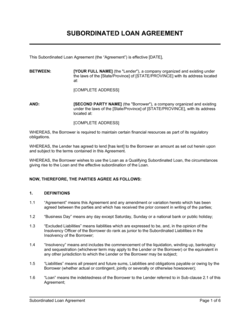
- Subordination
- A contractual provision placing the shareholder's loan repayment rights behind those of senior creditors, so banks and other lenders are repaid first in a liquidation or default event.
- Deemed Dividend
- A tax authority's reclassification of a shareholder loan — or unpaid interest on one — as a dividend distribution, triggering dividend withholding tax rather than interest treatment.
- Imputed Interest
- Interest calculated by a tax authority at the applicable federal or statutory rate when a loan carries no interest or a below-market rate, regardless of what the parties agreed.
- Accrued Interest
- Interest that has been earned and recorded as a liability but not yet paid in cash, calculated on the outstanding principal from the last payment date.
- Demand Loan
- A loan with no fixed maturity date that becomes repayable in full whenever the lender formally demands repayment, typically on short notice.
- Transfer Pricing
- The rules governing the prices charged between related entities in cross-border transactions — including interest on intercompany loans — to prevent profit shifting between tax jurisdictions.
- Prepayment
- Repayment of principal before the contractually scheduled due date, which may trigger a prepayment premium or require lender consent depending on the agreement's terms.
- Event of Default
- A specified condition — such as missed payment, insolvency, or breach of a covenant — that entitles the lender to accelerate the full outstanding balance and demand immediate repayment.
- Applicable Federal Rate (AFR)
- The minimum interest rate published monthly by the IRS that must be charged on most private and related-party loans in the United States to avoid imputed interest rules.
- Standstill Agreement
- An ancillary agreement in which the shareholder-lender agrees not to demand repayment or enforce remedies for a defined period, typically required by a senior lender as a condition of financing.