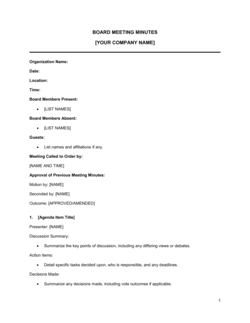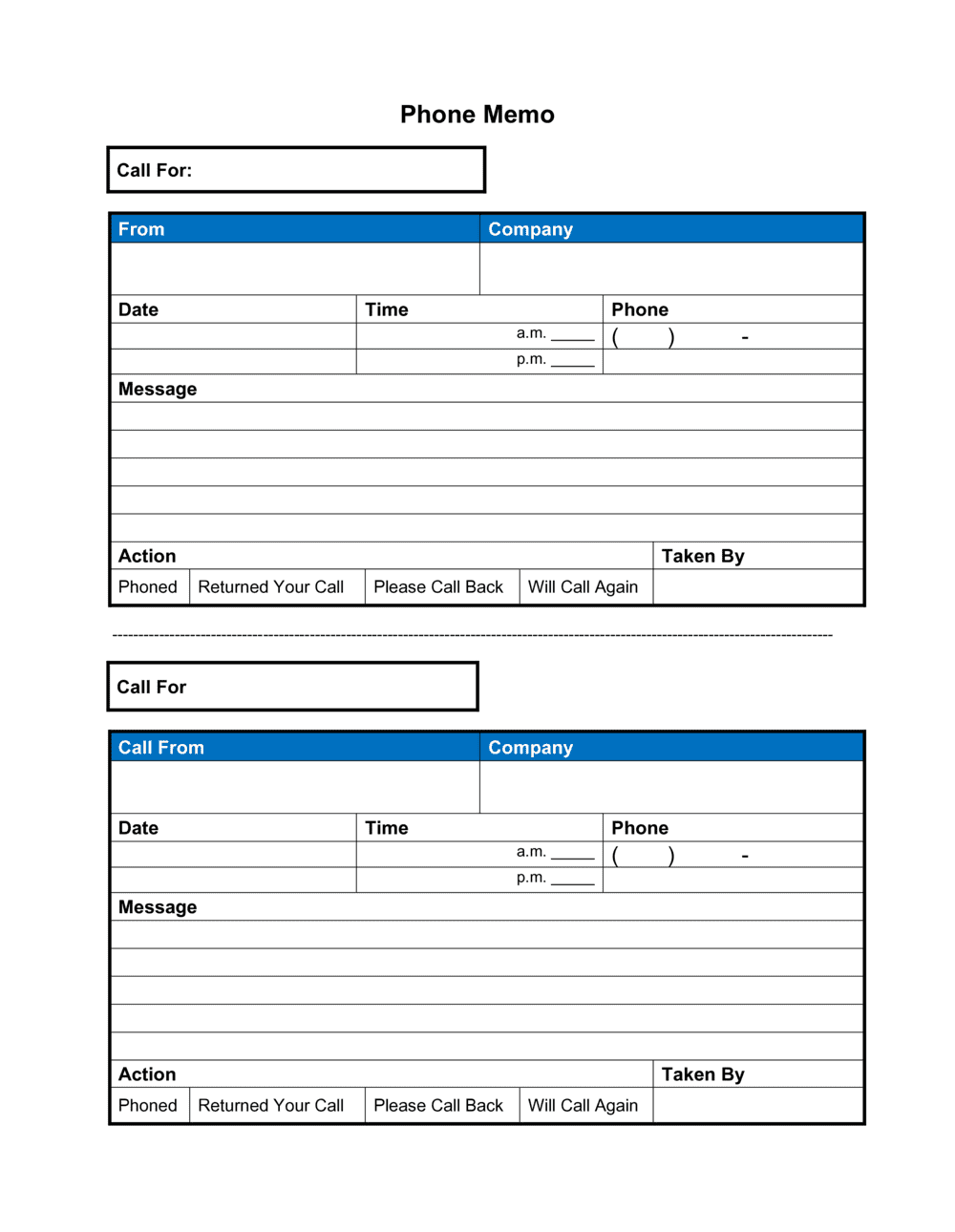
Phone Memo Template

Free Word download • Edit online • Save & share with Drive • Export to PDF

1 page15–20 min to fillDifficulty: Standard
Learn more ↓
FreePhone Memo Template

At a glance

What it is
A Phone Memo is a short structured form used to record the details of an incoming phone call when the intended recipient is unavailable. This free Word download gives receptionists and administrative staff a consistent, fillable form to capture caller name, contact number, date, time, message, and required follow-up action — ready to print or complete on screen.
When you need it
Use it any time a caller cannot reach the intended recipient directly and a message must be relayed accurately. It is standard practice in reception desks, executive assistant workflows, and shared office environments.
What's inside
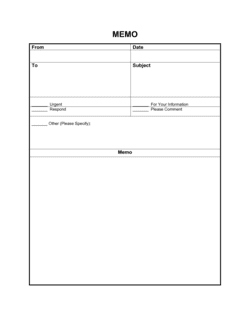
Caller identification fields, callback number, date and time of call, the name of the intended recipient, a free-text message area, a set of pre-defined action checkboxes (called back, will call again, urgent), and a notes field for the person taking the message.

What is a Phone Memo?

A Phone Memo is a short, standardized form completed by a receptionist or administrative staff member to record the details of an incoming phone call when the intended recipient is unavailable. It captures the caller's name and organization, a callback number, the date and time of the call, the reason for calling, the required follow-up action, and the name of the person who took the message. Rather than relying on memory or informal sticky notes, a phone memo creates a consistent, legible record that the recipient can act on immediately upon returning — without needing to track down the message taker for clarification.

Why You Need This Document

Without a standardized phone memo form, incoming calls are recorded inconsistently — on scraps of paper, sticky notes, or not at all — and critical details like callback numbers get transcribed incorrectly or lost entirely. A missed or mishandled message from a client, patient, or supplier can damage a relationship, delay a transaction, or in regulated settings like healthcare and legal services, create a compliance gap. A consistent form removes any ambiguity about what information to capture and in what order, so every staff member handles call relay the same way regardless of experience level. This free Word template gives your office a professional, printable phone memo you can deploy in minutes — and customize with your logo and department-specific action checkboxes in a single edit session.

Which variant fits your situation?

If your situation is…Use this template
Recording a single inbound call for one recipientPhone Memo
Logging multiple calls across a full day or shiftCall Log
Tracking outbound sales calls and follow-up outcomesSales Call Report
Escalating an urgent message with formal written deliveryInternal Memo
Capturing detailed meeting discussion notes in addition to a callMeeting Minutes
Routing a customer complaint received by phone to the right departmentCustomer Complaint Form
Tracking voicemail follow-ups across a teamAction Item List

Common mistakes to avoid

❌ Skipping the callback number read-back

Why it matters: A single transposed digit makes the memo useless — the recipient spends time on a wrong number and the caller waits for a call that never comes.

Fix: Always read the number back digit by digit before ending the call and confirm any extension or best time to reach the caller.
❌ Leaving the action checkboxes blank

Why it matters: Without a ticked action box, the recipient does not know whether to call back immediately, wait for the caller to try again, or treat the message as informational — leading to delays or duplicate calls.

Fix: Always tick at least one action box during the call, not after. Ask the caller directly: 'Would you like [RECIPIENT] to call you back?'

❌ Writing only the caller's first name

Why it matters: Common first names like 'Mike' or 'Sarah' match multiple contacts in most address books, forcing the recipient to guess and risk calling the wrong person.

Fix: Always capture first and last name and, where applicable, the company name to give the recipient enough information to locate the caller in their contacts.

❌ Vague or empty message field

Why it matters: A memo that says only 'called to chat' gives the recipient no context for the callback, which signals disorganization and wastes both parties' time.

Fix: Ask the caller for a one-sentence summary of their purpose and write it verbatim if needed — even 'following up on the March 10 invoice' is infinitely more useful than nothing.

The 8 key fields, explained

Date and Time

Recipient Name

Caller Name

Caller Company or Organization

Callback Number

Action Required checkboxes

Message

Message Taken By

How to fill it out

  1. 1

    Record the date and time immediately

    Note the exact date and time the moment the call is answered. Do not wait until the call ends to fill in these fields.

    💡 Keep a clock visible at the reception desk or workstation so you never have to estimate the time.

  2. 2

    Confirm the caller's full name and organization

    Ask for the caller's first and last name and the company or organization they are calling from. Spell out names phonetically if unsure.

    💡 Repeat the name back to the caller: 'That's J-O-H-N S-M-I-T-H from Acme Corp — is that right?' This catches errors before the call ends.

  3. 3

    Identify the intended recipient

    Enter the full name and department or title of the person the caller asked for. If the caller was transferred and does not know the recipient's name, note the department.

    💡 If your office has two people with the same first name, always include the last name and department on every memo.

  4. 4

    Confirm and write down the callback number

    Ask for the callback number including area code and extension, then read it back to the caller digit by digit to verify it before hanging up.

    💡 Ask whether the best time to call back differs from the current time — some callers are stepping into meetings and this saves the recipient a missed callback.

  5. 5

    Tick the appropriate action checkbox

    Select the option that accurately reflects what the caller expects to happen next — 'please call back', 'will call again', 'urgent', or 'for your information'.

    💡 If the caller says it is urgent, circle or highlight the Urgent checkbox in addition to ticking it so it stands out at a glance.

  6. 6

    Write a concise, actionable message

    Summarize the caller's reason for calling in one to three sentences. Include any reference numbers, deadlines, or specific questions the caller raised.

    💡 Write as if the recipient knows nothing about the caller — enough context that they can prepare before dialing.

  7. 7

    Sign the memo and deliver it promptly

    Print your name in the 'message taken by' field, then place the memo on the recipient's desk, send it by internal email, or deliver it through your office's standard message-relay method.

    💡 For urgent memos, call or text the recipient directly to alert them rather than relying on the paper or email being seen in time.

Frequently asked questions

What is a phone memo?

A phone memo is a short written form completed by a receptionist or administrative staff member to record the details of an incoming call when the intended recipient is unavailable. It captures the caller's name, contact number, the time of the call, the message, and the required follow-up action so the recipient can respond accurately and promptly.

What information should a phone memo include?

A complete phone memo includes the date and time of the call, the recipient's name and department, the caller's full name and organization, a callback number with extension, at least one action checkbox ticked (call back, urgent, will call again, etc.), a brief message summarizing the reason for the call, and the name of the person who took the message. Missing any of these fields reduces the memo's usefulness to the recipient.

Is a phone memo the same as a call log?

No. A phone memo records a single call in detail for one recipient and is typically handed to that person immediately. A call log is a running sequential record of multiple calls over a shift or day, used by managers or teams to track overall call volume and follow-up status. High-volume environments often use both: individual memos for the recipient and a log for supervisory oversight.

Can I use a phone memo template digitally?

Yes. This Word template can be completed on screen, saved as a PDF, and emailed or shared via your internal messaging system. For teams handling high call volumes, a digital form also makes it easy to copy the recipient's email address directly into the To field and send the memo without printing.

When should I flag a phone memo as urgent?

Tick the Urgent checkbox whenever the caller specifically uses the word urgent, mentions a same-day deadline, references a legal or compliance matter, reports an emergency, or insists on speaking with the recipient before end of business. When in doubt, ask the caller directly: 'Would you like me to mark this as urgent?'

Do phone memos need to be kept on file?

For most general office use, phone memos can be discarded once the recipient has acted on them. In regulated industries — healthcare, legal, financial services — retaining a record of patient, client, or customer contact attempts may be required by compliance policy or professional standards. Check your organization's document retention policy to confirm.

What is the difference between a phone memo and an internal memo?

A phone memo is a brief, standardized form used specifically to relay the details of an incoming call to an unavailable recipient. An internal memo is a longer written communication used to convey information, decisions, or instructions within an organization — it is not tied to a single phone call. Use a phone memo for call relay; use an internal memo for formal written communications between departments or staff.

How many phone memo forms should I print at a time?

A busy reception desk typically prints 20–50 forms at a time and keeps a stack within arm's reach of the phone. For lower-volume offices, 10–20 forms per week is usually sufficient. Alternatively, complete the template digitally for each call and send it by email, which eliminates the need to manage a paper supply.

How this compares to alternatives

vs Call Log

A call log records multiple calls sequentially across a shift or day and is used for supervisory oversight and volume tracking. A phone memo records a single call in detail for one recipient and is delivered directly to that person. High-volume reception desks use both together — individual memos for recipients and a log for the team.

vs Internal Memo

An internal memo is a formal written communication used to share information, decisions, or instructions between staff or departments. A phone memo is a short, standardized form tied specifically to relaying the details of one incoming call. Use a phone memo for call relay; use an internal memo when the message requires context, explanation, or a formal record.

vs Meeting Minutes

Meeting minutes document the discussion, decisions, and action items from a scheduled meeting. A phone memo documents a single unscheduled incoming call. If a phone call results in commitments or decisions that need a formal record, follow up the phone memo with a brief written summary or email rather than stretching the memo format.

vs Action Item List

An action item list consolidates multiple tasks and owners from various sources — meetings, emails, and calls — into a single tracking document. A phone memo captures one call in the moment. Once a callback is completed or a task is assigned, transferring the outcome to an action item list keeps follow-up organized across multiple open items.

Industry-specific considerations

Healthcare

Patient callback requests and referral calls must be documented accurately; the memo supports HIPAA-compliant communication workflows when combined with proper access controls.

Legal Services

Client calls handled by support staff must be relayed precisely to attorneys, with time of call recorded to support billing narratives and deadline tracking.

Real Estate and Property Management

Tenant maintenance requests and buyer inquiries often arrive by phone; a consistent memo form ensures the right agent or property manager follows up without messages falling through the cracks.

Professional Services

Consultants and advisors in meetings rely on support staff to capture client calls accurately; a clear callback number and message summary prevents delays that could affect client satisfaction.

Template vs pro — what fits your needs?

PathBest forCostTime
Use the templateAny office, reception desk, or admin team that handles inbound calls for unavailable staffFree2 minutes per memo
Template + professional reviewOrganizations that want to customize the form with their logo, department-specific action checkboxes, or compliance fields$0–$50 (internal admin time)30 minutes
Custom draftedHigh-volume call centers or regulated industries that need the form integrated into a CRM or case management system$500–$2,000+ (developer or system configuration)1–2 weeks

Glossary

Phone Memo
A short written record of an incoming phone call, created when the intended recipient cannot take the call themselves.
Callback Number
The telephone number the caller provides for the recipient to use when returning the call.
Action Checkbox
A pre-printed tick-box on a phone memo indicating the required response — for example, 'please call back', 'will call again', or 'urgent'.
Recipient
The person inside the organization for whom the incoming call was intended.
Message Taker
The staff member who answers the call on behalf of the recipient and completes the phone memo form.
Call Log
A sequential record of multiple calls over a period, used alongside or instead of individual phone memos for high call volumes.
Urgent Flag
A marker on the memo indicating the caller needs a response as soon as possible, typically within the same business day.
Extension
An internal telephone number used to route calls directly to an individual within an organization's phone system.

Part of your Business Operating System

This document is one of 3,000+ business & legal templates included in Business in a Box.

  • Fill-in-the-blanks — ready in minutes
  • 100% customizable Word document
  • Compatible with all office suites
  • Export to PDF and share electronically

Create your document in 3 simple steps.

From template to signed document — all inside one Business Operating System.
1
Download or open template

Access over 3,000+ business and legal templates for any business task, project or initiative.

2
Edit and fill in the blanks with AI

Customize your ready-made business document template and save it in the cloud.

3
Save, Share, Send, Sign

Share your files and folders with your team. Create a space of seamless collaboration.

Save time, save money, and create top-quality documents.

★★★★★

"Fantastic value! I'm not sure how I'd do without it. It's worth its weight in gold and paid back for itself many times."

Managing Director · Mall Farm
Robert Whalley
Managing Director, Mall Farm Proprietary Limited
★★★★★

"I have been using Business in a Box for years. It has been the most useful source of templates I have encountered. I recommend it to anyone."

Business Owner · 4+ years
Dr Michael John Freestone
Business Owner
★★★★★

"It has been a life saver so many times I have lost count. Business in a Box has saved me so much time and as you know, time is money."

Owner · Upstate Web
David G. Moore Jr.
Owner, Upstate Web

Run your business with a system — not scattered tools

Stop downloading documents. Start operating with clarity. Business in a Box gives you the Business Operating System used by over 250,000 companies worldwide to structure, run, and grow their business.

Start free · No credit card required