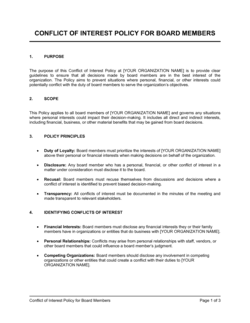
- Gift Acceptance Policy
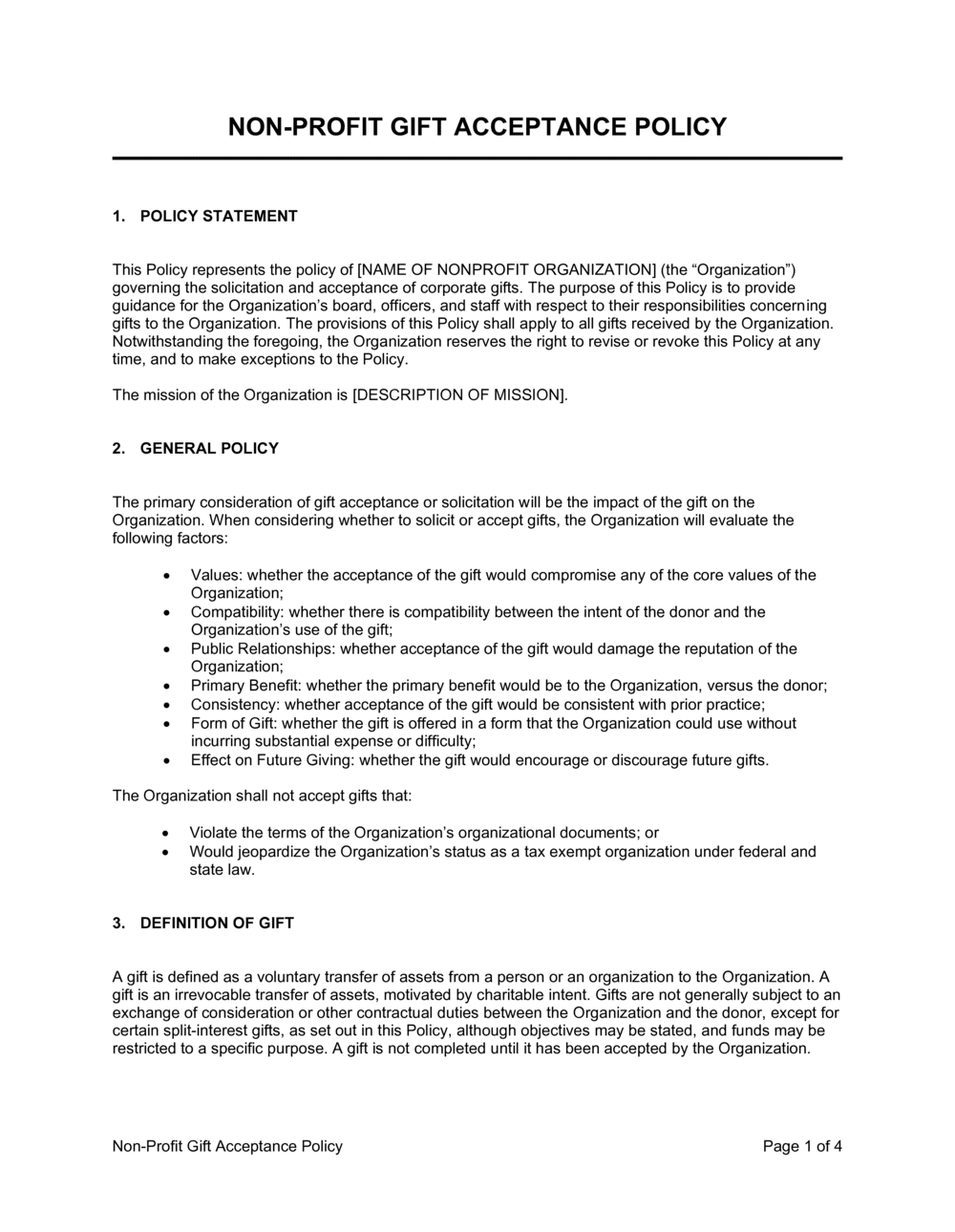
- A board-approved document specifying which types of donations an organization will accept, how they are evaluated, and who has authority to approve or decline them.
- Unrestricted Gift
- A donation with no conditions attached, allowing the organization to apply the funds wherever they are most needed.
- Restricted Gift
- A donation given with donor-imposed conditions requiring the funds to be used for a specific purpose, program, or time period.
- Planned Gift
- A charitable contribution arranged during a donor's lifetime but typically transferred at death — such as a bequest, charitable remainder trust, or life insurance policy.
- In-Kind Gift
- A non-cash donation of goods, property, or services rather than money, which must be valued and acknowledged separately from cash gifts.
- Qualified Appraisal
- An IRS-required independent appraisal of non-cash property valued over $5,000, conducted by a qualified appraiser and attached to the donor's tax return.
- Donor-Advised Fund (DAF)
- A charitable giving vehicle administered by a sponsoring organization through which donors contribute assets, receive an immediate tax deduction, and recommend grants over time.
- Quid Pro Quo Contribution
- A payment made partly as a donation and partly in exchange for goods or services, requiring special disclosure language in the acknowledgment letter.
- Charitable Remainder Trust (CRT)
- A planned giving arrangement in which a donor transfers assets to a trust that pays income to the donor or beneficiaries for a term, with the remainder passing to the nonprofit.
- Gift Review Committee
- A designated group — typically including the executive director, finance staff, and a board member — responsible for evaluating non-standard or complex gift offers before acceptance.
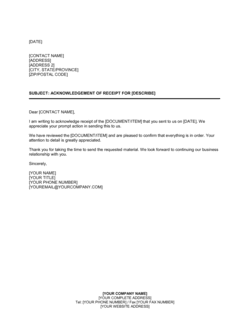
- Acknowledgment Letter
- A written receipt sent to a donor confirming the gift amount or description, the date received, and a statement of whether any goods or services were provided in exchange.