1
Define the scope and covered employee groups
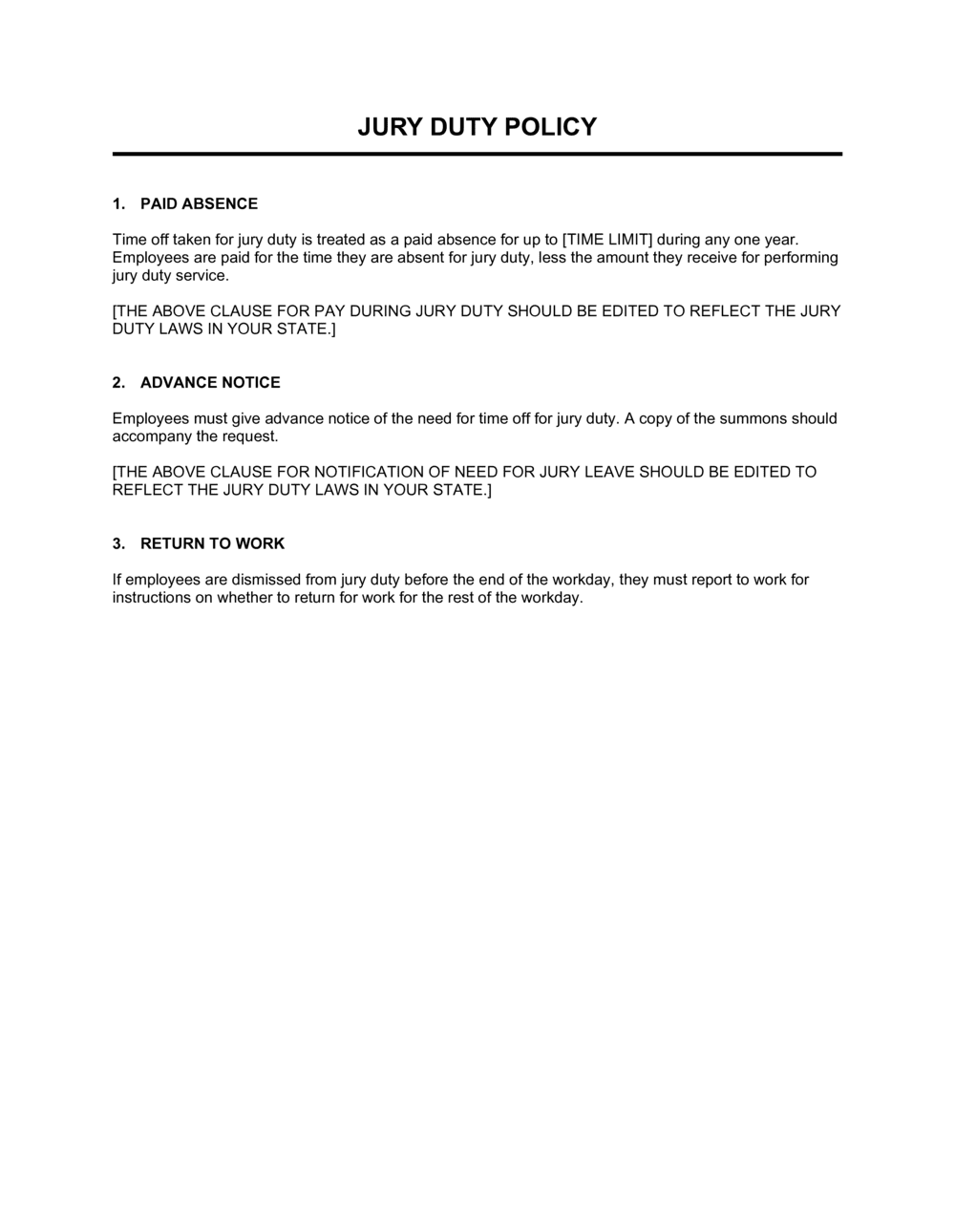
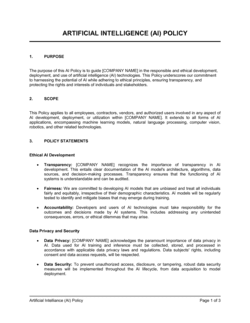
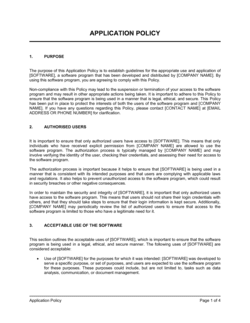
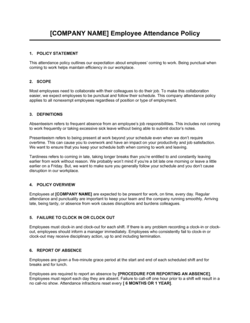
Identify which employee classifications (full-time, part-time, temporary, contract) are covered. Cross-check with federal and applicable state statutes to ensure no protected class is inadvertently excluded.
💡 Default to covering all employees unless your state law explicitly permits a narrower scope — over-inclusion is safer than inadvertent exclusion.
2
Set notification and documentation timelines
Enter the number of business days employees must notify HR and managers after receiving a summons. Specify exactly which documents are required before leave starts and upon return.
💡 A 2-business-day notification window is standard; anything shorter creates compliance friction given how quickly some summonses arrive.
3
Determine your pay continuation approach
Decide whether to pay full base salary, a capped daily amount, or nothing beyond statutory minimums. Enter the maximum number of paid weeks per calendar year and clarify whether jury fees must be remitted to the company.
💡 Paying full salary for up to 2 weeks is both competitive and manageable for most employers — check what your industry peers offer before setting the cap.
4
Confirm benefit continuation rules
State that existing benefits remain active during leave and explain how benefit premium deductions will be collected if the employee's jury-leave pay is lower than their normal paycheck.
💡 Coordinate with your benefits administrator before finalizing this section to confirm your health plan's rules for reduced-pay periods.
5
Document supervisor responsibilities
List the specific steps supervisors must take — logging the absence in the HRIS, arranging coverage, and refraining from discouraging service — and name the HR contact for questions.
💡 Distributing this section to managers separately, as a one-page quick-reference, reduces HR calls by clarifying expectations in plain language.
6
Specify return-to-work timing and reinstatement rights
Define when the employee must return (next scheduled workday, with a same-day threshold if released early) and confirm that they return to the same or equivalent position.
💡 Include a clause for extended service — if jury duty runs more than 4 weeks, define a check-in process so both parties stay aligned on the return timeline.
7
Add the anti-retaliation and job-protection clause
Write a clearly labeled standalone section prohibiting adverse employment actions related to jury service and state the consequence for supervisors who violate it.
💡 Reference the specific federal or state statute (e.g., 28 U.S.C. § 1875) in this section to signal legal grounding and deter casual non-compliance.
8
Set record-keeping codes and retention periods
Enter the HRIS leave code for jury duty, the retention period for supporting documentation (3 years is a common minimum), and assign responsibility to a named HR role.
💡 Sync the retention period with your overall HR records retention schedule — using a different period for jury duty records creates audit inconsistencies.