- Brand Positioning
- The specific place a brand occupies in a target customer's mind relative to competitors, defined by the unique value it delivers to a defined audience.
- Brand Identity
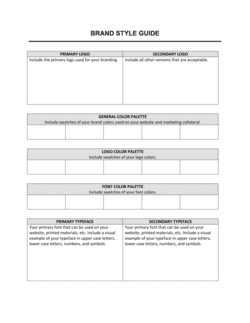
- The visible and verbal elements of a brand — name, logo, color palette, typography, and tone — that make it recognizable and consistent across touchpoints.
- Brand Personality
- The set of human characteristics attributed to a brand, such as authoritative, playful, or empathetic, that shape how it communicates.
- Brand Voice
- The consistent tone and style a brand uses across all written and spoken communications — distinct from content format or channel.
- Value Proposition
- A clear statement of the specific benefit a brand delivers, to whom, and why it does so better or differently than alternatives.
- Target Audience
- The defined group of people most likely to buy from the brand, described by demographic, psychographic, and behavioral characteristics.
- Brand Architecture
- The structure that organizes a company's portfolio of brands, product lines, and sub-brands and defines how they relate to each other.
- Messaging Framework
- A structured document that maps core brand messages to specific audience segments and use cases, ensuring consistent communication.
- Brand Equity
- The added value a brand name contributes to a product or service beyond its functional attributes, reflected in price premium and customer loyalty.
- Visual Identity System
- The complete set of design rules — logo usage, color, type, imagery, and spacing — that govern how a brand looks across all media.