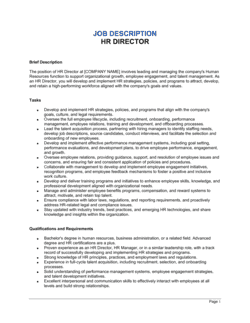
How to Setup an HR Department

Free to read β€’ Save or share with one click

FreeHow to Setup an HR Department Template

At a glance

What it is
A How to Setup an HR Department guide is a structured operational document that walks a business through every step required to establish a functioning human resources function β€” from defining roles and compliance obligations to building recruiting workflows and employee record systems. This free Word download gives you a ready-to-edit framework you can tailor to your headcount, industry, and jurisdiction, then export as PDF to share with leadership or a new HR hire.
When you need it
Use it when your business is scaling past 10–15 employees and informal people-management practices are no longer sufficient, when you are bringing on a first dedicated HR hire and need to define their mandate, or when an audit, investor, or acquirer reveals that your HR infrastructure has gaps that need to be documented and closed.
What's inside
The guide covers HR function objectives, organizational structure and staffing, core policy development, recruiting and onboarding workflows, compensation and benefits administration, compliance and legal obligations, performance management, employee records and HRIS selection, and a phased implementation roadmap with milestones.

What is a How to Setup an HR Department Guide?

A How to Setup an HR Department guide is a structured operational document that maps every component a business needs to establish a functioning human resources function β€” from defining the HR team's scope and reporting structure to building compliant policies, recruiting workflows, compensation bands, and an employee records system. Unlike a single HR policy or an employee handbook, this guide covers the entire architecture of the HR function and sequences it into a phased implementation roadmap. It is designed to give a first HR hire, operations leader, or founder a concrete, actionable starting point rather than building from a blank page.

Why You Need This Document

Without a structured HR setup plan, growing companies consistently hit the same four problems: compliance obligations go unmet because no one was assigned to track them, new hires arrive to a disorganized onboarding experience and leave within the first year, pay decisions are made inconsistently without defined bands, and leadership discovers the gaps only when a Department of Labor inquiry, employee complaint, or due-diligence process forces a scramble. The average cost of defending a single employment lawsuit in the US exceeds $125,000 β€” before any settlement β€” and most of the underlying situations that generate those claims are preventable with documented policies and consistent processes. This template gives you the structural framework to build a compliant, repeatable HR function in 60 to 90 days, so the cost of people operations scales with your headcount rather than your legal bills.

Which variant fits your situation?

If your situation is…Use this template
Building HR from scratch at a startup with fewer than 25 employeesHow to Setup an HR Department
Defining policies and rules of conduct for existing staffEmployee Handbook
Documenting the hiring process for a specific open roleRecruitment Plan
Outlining onboarding steps for a new hire's first 90 daysEmployee Onboarding Checklist
Setting pay bands and compensation structure for the organizationCompensation and Benefits Plan
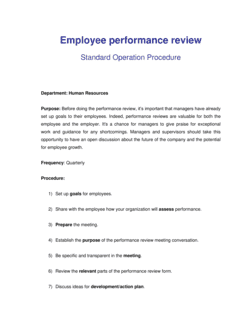
Defining performance review cycles and rating criteriaPerformance Review Template
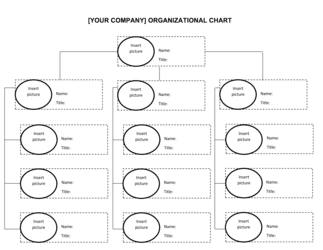
Creating an org chart to formalize reporting linesOrganizational Chart

Common mistakes to avoid

❌ Building all HR processes simultaneously

Why it matters: Launching recruiting, onboarding, performance management, and compliance programs at once divides attention and produces half-built processes that employees encounter and distrust.

Fix: Use a phased roadmap: compliance and records in Phase 1, recruiting and onboarding in Phase 2, performance and compensation in Phase 3. Each phase builds on the last.

❌ Skipping the FLSA employee classification review

Why it matters: Misclassifying non-exempt employees as exempt β€” paying salaries to people who are legally entitled to overtime β€” creates back-pay liability that compounds with every pay period and can trigger Department of Labor investigations.

Fix: Conduct a classification audit of every current employee against the FLSA's duties test as one of the first HR department actions, before any new hires are made.

❌ Copying policy language from another company's handbook

Why it matters: Policies from a different company reflect a different set of operating states, headcount thresholds, and legal counsel β€” applying them verbatim can create obligations you cannot meet or omit protections you legally must provide.

Fix: Use a structured template as a starting point, then review every policy against the specific employment laws of every state or country where you have employees.

❌ Selecting an HRIS before confirming payroll integration

Why it matters: An HRIS that does not integrate with your payroll system forces manual data entry between the two platforms, which introduces payroll errors and eliminates most of the efficiency benefit of the HRIS.

Fix: List payroll system compatibility as a non-negotiable requirement in your HRIS evaluation scorecard and confirm integration in a demo before signing a contract.

❌ Treating onboarding as a one-day paperwork exercise

Why it matters: Employees without a structured 30-60-90 day plan report lower confidence in their role and leave at higher rates in their first year β€” resetting the entire cost of the hiring cycle.

Fix: Build a written onboarding plan that covers system access and paperwork on Day 1, role training and team introductions in Week 1, and check-in conversations at Day 30, 60, and 90.

❌ No compliance calendar with assigned owners

Why it matters: HR compliance deadlines β€” EEO-1 filings, I-9 reverification, benefits open enrollment, state paid leave reporting β€” are missed not because HR doesn't know about them but because no one was assigned to own each deadline.

Fix: Create a compliance calendar on Day 1 of the HR function with every recurring obligation, its due date, and a named owner. Review it in the first week of each quarter.

The 10 key sections, explained

HR Function Objectives and Scope

Organizational Structure and Staffing Model

Core Policy Development

Recruiting and Hiring Workflow

Onboarding Program

Compensation and Benefits Administration

Compliance and Legal Obligations

Performance Management System

Employee Records and HRIS Selection

Implementation Roadmap and Milestones

How to fill it out

  1. 1

    Define the scope and reporting structure of HR

    Start by documenting what HR will and will not own β€” talent acquisition, compliance, payroll, and L&D are common inclusions; benefits brokerage and legal counsel are often excluded. Confirm who HR reports to and what budget they control.

    πŸ’‘ If HR will report to Finance or the COO rather than a dedicated CHRO, document that explicitly β€” ambiguous reporting creates competing priorities that stall the department's effectiveness.

  2. 2

    Audit current people-management practices

    Before building new processes, document what exists: how hiring is currently done, where employee records are stored, which policies have been communicated, and whether FLSA classifications have ever been reviewed.

    πŸ’‘ An honest gap analysis at this stage takes one to two days and prevents you from building infrastructure on top of pre-existing compliance problems.

  3. 3

    Determine the HR staffing model

    Decide whether to hire internal HR staff, engage a Professional Employer Organization (PEO), use fractional HR, or some combination. Map this decision against current headcount and 12-month growth projections.

    πŸ’‘ A PEO typically costs 2–4% of total payroll but bundles compliance, benefits purchasing power, and HR administration β€” often the right choice for companies between 10 and 50 employees.

  4. 4

    Draft and prioritize core HR policies

    Identify which policies are legally required in your operating jurisdictions versus which are best-practice additions. Draft the mandatory ones first and assign a reviewer for each before publishing.

    πŸ’‘ Anti-harassment and equal opportunity policies are legally required in most US states once you have 15 employees β€” do not defer these past your first hiring push.

  5. 5

    Design the recruiting and onboarding workflows

    Map the hiring process from job requisition to offer letter, assigning a step owner and target timeline for each stage. Then build the 30-60-90 day onboarding plan alongside it.

    πŸ’‘ Measure time-to-fill for your first ten hires under the new process β€” this gives you baseline data to optimize against and demonstrates HR's operational impact to leadership.

  6. 6

    Set up the compensation structure and benefits program

    Define pay bands for each job level using market data (e.g., Radford, Levels.fyi, or Bureau of Labor Statistics), then select a benefits broker and HRIS. Confirm that the payroll system integrates with your chosen HRIS before committing.

    πŸ’‘ Get at least three benefits broker quotes β€” pricing and plan options vary significantly, and a good broker negotiates on your behalf at renewal.

  7. 7

    Build the compliance calendar

    List every recurring federal, state, and local HR compliance obligation with its due date and assigned owner. Include EEO-1 reporting, I-9 audit cycles, benefits open enrollment, and any state-specific paid leave reporting.

    πŸ’‘ Set calendar reminders 30 days before each deadline β€” most HR compliance failures are not ignorance but missed timing.

  8. 8

    Publish the implementation roadmap and assign owners

    Break the full setup into three 30-day phases with specific deliverables, owners, and success metrics for each. Share the roadmap with the leadership team and schedule a monthly review to track progress.

    πŸ’‘ Treat Phase 1 as non-negotiable minimums: HRIS selection, priority policies drafted, and onboarding checklist live. Everything else is Phase 2 or 3.

Frequently asked questions

When should a company set up a formal HR department?

Most companies need a formal HR function when headcount reaches 15–25 employees. Below that threshold, a PEO or fractional HR consultant typically handles compliance and benefits more cost-effectively than an internal hire. At 15 employees, federal anti-discrimination laws (Title VII, ADA) apply; at 50, FMLA obligations begin. Waiting past these thresholds to formalize HR creates retroactive compliance exposure.

What does an HR department do?

An HR department manages the full employee lifecycle β€” recruiting, onboarding, compensation and benefits, performance management, employee relations, compliance with employment law, and offboarding. In modern organizations, HR also owns people analytics, workforce planning, and organizational culture initiatives. The specific scope varies by company size and whether HR operates as a generalist function or with specialized HR business partners.

How much does it cost to set up an HR department?

For a company of 20–50 employees, a minimal HR setup β€” one HR generalist plus an HRIS platform β€” typically costs $60,000–$90,000 per year in fully loaded compensation, plus $3–$8 per employee per month for HRIS software. A PEO alternative runs 2–4% of total payroll. Legal fees for policy review range from $1,500–$5,000 depending on the number of operating states. The cost of not having HR β€” a single employment lawsuit averages $125,000 to defend β€” typically exceeds the setup cost within 12 months.

What HR policies are legally required?

In the US, legally required policies vary by employee count and operating state, but most companies with 15 or more employees must have a written anti-harassment and equal opportunity policy. FMLA notice requirements apply at 50 employees. Many states require written paid leave policies, meal and rest break notices, and pay transparency disclosures. The safest approach is to treat any policy required in your most demanding operating state as the baseline for all locations.

Should a small business use a PEO instead of building an HR department?

For companies between 10 and 50 employees, a Professional Employer Organization (PEO) is often more cost-effective than hiring an internal HR team. A PEO co-employs your workforce, handling payroll, benefits purchasing, and compliance administration in exchange for 2–4% of total payroll. The main tradeoff is less control over benefits design and HR policy. As headcount grows past 75–100, the per-employee cost of a PEO typically exceeds the cost of an internal HR team.

What is the first thing HR should do when set up?

The first action should be an audit of existing people-management practices: how employees are currently classified (exempt vs. non-exempt), where I-9 and personnel files are stored, and which policies β€” if any β€” have been communicated in writing. This gap analysis prevents building new processes on top of pre-existing compliance problems and typically takes one to two days to complete.

What HRIS systems work best for small businesses?

The most commonly used HRIS platforms for small and mid-size businesses include BambooHR, Rippling, Gusto, and Namely. The right choice depends on whether you need payroll processing integrated with HR, how many states you operate in, and your budget. Confirm that any platform you evaluate integrates directly with your payroll provider and generates the compliance reports your operating states require before signing a contract.

How long does it take to set up an HR department?

A functional HR department with core policies, an HRIS, and a basic recruiting and onboarding workflow can be stood up in 60–90 days with a dedicated first HR hire. The compliance calendar and pay band structure typically take an additional 30 days. A full performance management system and job architecture are usually Phase 3 items, completed in Months 4–6. Using a structured setup template compresses the planning phase by roughly four to six weeks.

What is the difference between HR and people operations?

Traditional HR focuses primarily on compliance, administration, and policy enforcement. People operations β€” a term popularized by tech companies β€” emphasizes employee experience, data-driven workforce decisions, and aligning people strategy with business outcomes. In practice, both functions cover the same activities; the difference is one of emphasis and culture. Whichever label a company uses, the underlying infrastructure β€” HRIS, policies, compliance calendar, and performance management β€” is identical.

How this compares to alternatives

vs Employee Handbook

An employee handbook communicates existing HR policies to staff β€” it assumes the HR infrastructure already exists. The HR department setup guide builds that infrastructure. Use the setup guide first to define your policies, structure, and systems; then compile the handbook to communicate the results to employees.

vs Organizational Chart

An org chart is a visual snapshot of current reporting lines across the organization. The HR setup guide determines how the HR function itself should be staffed and structured as part of a broader operational plan. The org chart is one output of the setup process, not a substitute for it.

vs Recruitment Plan

A recruitment plan focuses exclusively on the process of filling a specific open role or cohort of roles. The HR department setup guide covers recruiting as one of eight to ten functional areas, alongside compliance, compensation, onboarding, and HRIS. Use the setup guide to build the recruiting function, then use a recruitment plan to execute within it.

vs Employee Onboarding Checklist

An onboarding checklist is a tactical task list for integrating a specific new hire. The HR setup guide defines the onboarding program design β€” what the checklist should contain, who owns each step, and how it connects to the broader employee lifecycle. One builds the system; the other operates within it.

Industry-specific considerations

Technology / SaaS

Remote-first workforce requires multi-state and international compliance from Day 1, equity compensation administration, and a people-operations model with strong HRIS data infrastructure.

Professional Services

Billable utilization targets create unique performance management requirements, and non-solicitation policies are critical given client-facing roles and high talent mobility.

Healthcare

Credentialing and licensure verification are prerequisites to onboarding, HIPAA training is a recurring compliance obligation, and clinical staff scheduling requires specific HRIS capabilities.

Manufacturing

OSHA safety training documentation, shift-based scheduling with hourly overtime tracking, and union interaction protocols require HR policies distinct from white-collar environments.

Template vs pro β€” what fits your needs?

PathBest forCostTime
Use the templateFounders, operations leaders, or first HR hires building the function from scratch at a company under 75 employeesFree2–4 weeks (20–40 hours)
Template + professional reviewCompanies operating in multiple states or internationally, or those with existing compliance gaps identified in an audit$1,500–$5,000 for employment counsel to review policies and compliance calendar3–5 weeks
Custom draftedPost-acquisition HR buildouts, heavily regulated industries (healthcare, financial services), or companies with 100+ employees and no existing HR infrastructure$5,000–$20,000 for an HR consultant engagement6–12 weeks

Glossary

HRIS (Human Resources Information System)
Software that centralizes employee records, payroll data, time tracking, and HR workflows in a single platform.
Headcount Plan
A forward-looking document that maps planned hiring by role, department, and quarter against budget and business milestones.
Employer of Record (EOR)
A third-party organization that legally employs workers on behalf of a company, handling payroll, taxes, and compliance in jurisdictions where the company is not registered.
Job Architecture
A structured framework that defines job families, levels, and titles across the organization to ensure consistent pay, career progression, and role expectations.
Onboarding
The structured process of integrating a new employee into the organization β€” covering paperwork, system access, role training, and cultural orientation.
HR Business Partner (HRBP)
An HR professional embedded with a specific business unit who aligns people strategy with operational goals rather than handling administrative HR tasks.
Compliance Calendar
A scheduled list of recurring HR-related legal obligations β€” tax filings, benefits open enrollment, required training, and reporting deadlines β€” organized by due date.
Pay Band
A defined salary range for a specific job level or title, with a minimum, midpoint, and maximum used to guide offers and compensation reviews.
Attrition Rate
The percentage of employees who leave the organization in a given period, calculated as departures divided by average headcount.
People Operations
A modern framing of HR that emphasizes data-driven, employee-experience-centered people management over traditional administrative compliance functions.

Part of your Business Operating System

This document is one of 3,000+ business & legal templates included in Business in a Box.

  • Fill-in-the-blanks β€” ready in minutes
  • Compatible with all office suites
  • Export to PDF and share electronically

Create your document in 3 simple steps.

From template to signed document β€” all inside one Business Operating System.
1
Download or open template

Access over 3,000+ business and legal templates for any business task, project or initiative.

2
Edit and fill in the blanks with AI

Customize your ready-made business document template and save it in the cloud.

3
Save, Share, Send, Sign

Share your files and folders with your team. Create a space of seamless collaboration.

Save time, save money, and create top-quality documents.

β˜…β˜…β˜…β˜…β˜…

"Fantastic value! I'm not sure how I'd do without it. It's worth its weight in gold and paid back for itself many times."

Managing Director Β· Mall Farm
Robert Whalley
Managing Director, Mall Farm Proprietary Limited
β˜…β˜…β˜…β˜…β˜…

"I have been using Business in a Box for years. It has been the most useful source of templates I have encountered. I recommend it to anyone."

Business Owner Β· 4+ years
Dr Michael John Freestone
Business Owner
β˜…β˜…β˜…β˜…β˜…

"It has been a life saver so many times I have lost count. Business in a Box has saved me so much time and as you know, time is money."

Owner Β· Upstate Web
David G. Moore Jr.
Owner, Upstate Web

Run your business with a system β€” not scattered tools

Stop downloading documents. Start operating with clarity. Business in a Box gives you the Business Operating System used by over 250,000 companies worldwide to structure, run, and grow their business.

Free Forever PlanΒ Β·Β No credit card required