- SMART Goals
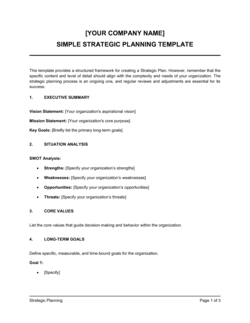
- A goal-setting framework requiring that each goal be Specific, Measurable, Achievable, Relevant, and Time-bound.
- Net Worth
- Total assets minus total liabilities — the single number that summarizes your financial position at a point in time.
- Emergency Fund
- A liquid savings reserve covering 3–6 months of essential living expenses, held separately from investment or long-term savings accounts.
- Debt Avalanche
- A repayment strategy that directs extra payments to the highest-interest debt first, minimizing total interest paid over time.
- Debt Snowball
- A repayment strategy that pays off the smallest balance first to build momentum, regardless of interest rate.
- Compound Interest
- Interest calculated on both the initial principal and the accumulated interest from prior periods — the mechanism that makes early saving disproportionately valuable.
- Discretionary Spending
- Non-essential expenses — dining out, subscriptions, entertainment — that can be reduced without affecting basic living needs.
- Financial Baseline
- A snapshot of current income, expenses, assets, and liabilities used as the starting point for all goal-setting calculations.
- Savings Rate
- The percentage of take-home income directed to savings or investments each month, often used as a proxy for financial health.
- Opportunity Cost
- The financial benefit you forgo by choosing one course of action over another — for example, spending $500 today instead of investing it.