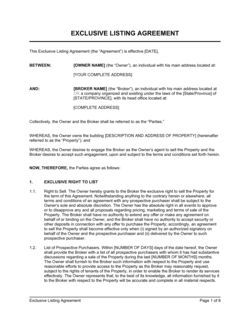
- Exclusivity
- A contractual obligation restricting the vendor from supplying the same goods or services to any other buyer within a defined scope, territory, or period.
- Exclusivity Territory
- The geographic area, market segment, or channel within which the vendor's exclusive obligation applies.
- Minimum Purchase Commitment
- A contractually agreed minimum order volume or dollar value the buyer must reach within a specified period to maintain the exclusivity benefit.
- Right of First Refusal
- A clause giving the buyer the option to match any third-party offer before the vendor can accept it, typically included as an alternative to hard exclusivity.
- Cure Period
- A defined window — typically 15 to 30 days — during which a party in breach may remedy the violation before the other party can terminate the agreement.
- Most Favored Nation (MFN) Clause
- A provision guaranteeing the buyer pricing no less favorable than any price the vendor offers to another customer for comparable goods or services.
- Termination for Convenience
- A right allowing either party to end the agreement without cause by giving a defined notice period, typically 30 to 90 days.
- Restraint of Trade
- A legal doctrine that limits the enforceability of overly broad exclusivity restrictions that unreasonably prevent competition; relevant to how courts assess vendor exclusivity clauses.
- Confidential Information
- Non-public business information — pricing, product roadmaps, customer data, or manufacturing processes — disclosed under the agreement and subject to non-disclosure obligations.
- Force Majeure
- A clause excusing a party's non-performance when failure is caused by events beyond reasonable control, such as natural disasters, strikes, or government-mandated shutdowns.
- Indemnification
- A contractual obligation for one party to compensate the other for specified losses, claims, or damages arising from the agreement.