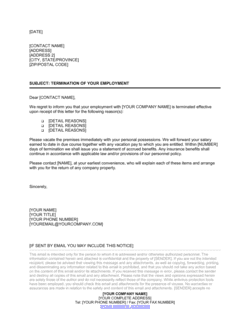
Employer's Verification on Loan Applicant Template

Free Word download • Edit online • Save & share with Drive • Export to PDF

1 page20–30 min to fillDifficulty: StandardSignature requiredLegal review recommended
Learn more ↓
FreeEmployer's Verification on Loan Applicant Template

At a glance

What it is
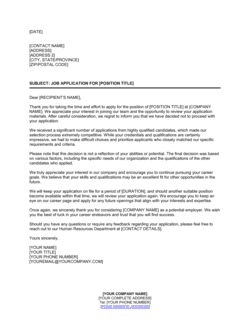
An Employer's Verification on Loan Applicant is a formal written statement issued by an employer to a lender, bank, or financial institution confirming that a named employee is currently employed, their position and tenure, and their compensation details. This free Word download gives HR managers, business owners, and payroll administrators a ready-to-sign template they can edit online and export as PDF within minutes.
When you need it
Use it whenever an employee requests employment confirmation to support a mortgage application, personal loan, auto financing, student loan, or rental application. Lenders and landlords routinely require this letter before advancing funds or approving tenancy.
What's inside
Employer and employee identification, employment status and start date, job title and department, compensation breakdown including base salary and any variable pay, confirmation of employment type, and an authorized signature block with employer contact details for lender follow-up.

What is an Employer's Verification on Loan Applicant?

An Employer's Verification on Loan Applicant is a formal written certification issued by an employer to a bank, mortgage lender, or financial institution confirming that a named employee is currently employed, along with their position, tenure, and gross compensation details. It functions as a factual declaration — signed by an authorized company representative — that gives the lender the income and employment stability data they need to assess the applicant's ability to repay the requested loan. Unlike an informal reference letter or a payslip, this document addresses all the specific data points a lender requires in a single, signed, auditable format.

Why You Need This Document

When an employee applies for a mortgage, personal loan, or auto financing, lenders will not advance a credit decision without verified employment and income data direct from the source. An informal email from a manager or an unsigned memo is typically rejected — lenders require a formal letter on company letterhead, signed by an authorized representative, dated within 30 days of application. Without a standardized template, HR teams either draft inconsistent letters that omit critical fields — triggering re-verification requests that delay the employee's closing date — or inadvertently disclose salary data without documented employee consent, which constitutes a data protection violation under GDPR, UK GDPR, and PIPEDA. This template ensures every verification letter your organization issues includes the correct gross salary figures, variable compensation disclosure, employment status confirmation, privacy consent reference, and signatory details that lenders and regulators require — in a format that takes 15 minutes to complete rather than 2 hours to draft from scratch.

Which variant fits your situation?

If your situation is…Use this template
Employee is applying for a home mortgageEmployer Verification Letter for Mortgage
Employee is on a fixed-term or contract basisFixed-Term Employment Verification Letter
Employee needs income proof for a rental applicationProof of Income Letter
Employee is self-employed or a sole proprietorSelf-Employment Verification Letter
Lender requires a standardized form rather than a letterEmployment Verification Form
Employee is on leave and needs current employment status confirmedEmployment Status Confirmation Letter
Employee requires verification of past employment for a new lenderPast Employment Verification Letter

Common mistakes to avoid

❌ Stating net salary instead of gross

Why it matters: Lenders calculate debt-to-income ratios using gross income. Providing net figures understates the applicant's income and can result in a lower loan amount or outright denial.

Fix: Always state the annual gross base salary and the gross per-period amount. Add a note clarifying that the figures are pre-tax if the lender's form does not specify.

❌ Omitting variable compensation when it is material

Why it matters: For employees whose total compensation exceeds base salary by more than 15–20%, leaving out bonuses or commissions significantly misrepresents their earning capacity to the lender.

Fix: Include a variable compensation section with the 24-month average, the types of variable pay involved, and the period it covers — even if the amounts fluctuate.

❌ No employee consent on file before disclosure

Why it matters: Disclosing salary and personal employment data to a third party without documented consent violates GDPR in the EU, PIPEDA in Canada, and data protection laws in the UK — exposing the employer to regulatory penalties.

Fix: Obtain and retain a signed consent form or email from the employee before issuing the letter. Reference the consent and its date in the letter's privacy clause.

❌ Using a general-purpose letter not addressed to a specific lender

Why it matters: An open-addressed verification letter can be submitted to multiple lenders simultaneously without the employer's knowledge, and if the employee's circumstances change, the employer faces liability for outdated information.

Fix: Name the specific lender and the loan purpose in the letter, and include a statement limiting reliance to that lender and purpose only.

❌ Letter signed below required authority level

Why it matters: Many lenders require the signatory to hold a title of HR Director, General Manager, or business owner. A letter signed by a team lead or administrative assistant is routinely rejected, delaying the loan application.

Fix: Confirm the lender's signatory requirements before issuing — most list this in their verification guidelines — and ensure only an authorized person with the required title signs the letter.

❌ Issuing a letter more than 30 days before the loan submission

Why it matters: Mortgage and major loan lenders typically require employment verification dated within 30 days of application. A stale letter triggers a re-verification request that delays closing.

Fix: Issue the letter no more than 2 weeks before the employee's planned loan submission date, and inform the employee to submit it promptly.

The 10 key clauses, explained

Employer Identification

In plain language: Identifies the employer issuing the verification — full legal company name, registered address, phone, email, and authorized contact person.

Sample language
This letter is issued by [EMPLOYER LEGAL NAME], a [ENTITY TYPE] registered at [REGISTERED ADDRESS], Contact: [NAME], [TITLE], [EMAIL], [PHONE NUMBER].

Common mistake: Using a trade name or brand name instead of the registered legal entity name — lenders cross-check the name against business registration records and may reject letters that don't match.

Employee Identification

In plain language: Identifies the employee by full legal name, date of birth or employee ID, and confirms their relationship to the employer.

Sample language
This letter confirms the employment of [EMPLOYEE FULL LEGAL NAME], Date of Birth: [DD/MM/YYYY], Employee ID: [EMPLOYEE ID], currently employed by [EMPLOYER LEGAL NAME].

Common mistake: Using a nickname or shortened name instead of the name on the employee's government-issued ID — name mismatches trigger lender verification failures and delay processing.

Employment Status and Start Date

In plain language: States whether the employee is full-time, part-time, or contract, and confirms the date they commenced continuous employment.

Sample language
[EMPLOYEE FULL NAME] has been employed on a [FULL-TIME / PART-TIME / FIXED-TERM] basis since [START DATE], representing [X] years and [X] months of continuous service as of the date of this letter.

Common mistake: Omitting the employment type classification — lenders treat part-time and contract income differently from full-time salary when calculating lending limits.

Job Title and Department

In plain language: States the employee's current position title and the department or business unit they work in.

Sample language
[EMPLOYEE FULL NAME] currently holds the position of [JOB TITLE] within the [DEPARTMENT NAME] department, reporting to [MANAGER TITLE].

Common mistake: Listing an informal job title that differs from the payroll record — inconsistency between this letter and tax documents creates red flags in lender audits.

Base Salary and Pay Frequency

In plain language: States the employee's current gross base salary and how often they are paid — annually, monthly, bi-weekly, or weekly.

Sample language
[EMPLOYEE FULL NAME] receives a gross base salary of [CURRENCY SYMBOL][ANNUAL AMOUNT] per annum, paid [bi-weekly / monthly] at [CURRENCY SYMBOL][PAY PERIOD AMOUNT] per pay period.

Common mistake: Stating the net (after-tax) salary instead of gross — lenders require gross figures to calculate DTI; providing net salary understates income and can result in a lower loan approval amount.

Variable Compensation Disclosure

In plain language: Discloses any commissions, bonuses, overtime, or other variable pay the employee receives, with a 2-year average where applicable.

Sample language
In addition to base salary, [EMPLOYEE FULL NAME] receives variable compensation including [BONUS / COMMISSION / OVERTIME] averaging [CURRENCY SYMBOL][AMOUNT] per annum based on the 24-month period ending [DATE].

Common mistake: Omitting variable pay entirely when the employee's total compensation significantly exceeds base salary — understating total income can cause a loan denial for an otherwise qualified applicant.

Confirmation of Ongoing Employment

In plain language: Explicitly states that the employment relationship is current and ongoing as of the letter's issue date, and that no notice of termination has been given.

Sample language
As of the date of this letter, [DATE], [EMPLOYEE FULL NAME] remains actively employed by [EMPLOYER LEGAL NAME]. No notice of resignation or termination has been issued or received.

Common mistake: Omitting the confirmation that no notice has been given — without this statement, lenders cannot determine whether the income will continue, which is central to their repayment risk assessment.

Purpose of Disclosure

In plain language: States that the letter is issued solely for the purpose of supporting a specific loan or financial application and limits the employer's liability for third-party reliance.

Sample language
This letter is provided solely for the purpose of supporting [EMPLOYEE FULL NAME]'s application for [LOAN / MORTGAGE / FINANCIAL PRODUCT] with [LENDER NAME] and may not be relied upon for any other purpose.

Common mistake: Issuing a general-purpose verification letter without specifying the lender or purpose — open-ended letters can be misused and expose the employer to liability if details change after issuance.

Privacy and Consent Declaration

In plain language: Confirms that the employee has provided written consent for the employer to disclose their personal and financial employment data to the named lender.

Sample language
[EMPLOYEE FULL NAME] has provided written consent, dated [DATE], authorizing [EMPLOYER LEGAL NAME] to disclose the information contained in this letter to [LENDER NAME] for the purpose stated above.

Common mistake: Disclosing salary and personal data to a third party without documented employee consent — in the EU, UK, and Canada, this constitutes a data protection violation regardless of the employee's verbal agreement.

Authorized Signature and Date

In plain language: Provides the employer's authorized representative signature, printed name, title, company name, and the date of issue — authenticating the letter for the lender.

Sample language
Signed: ______________________ | Name: [SIGNATORY FULL NAME] | Title: [JOB TITLE] | Company: [EMPLOYER LEGAL NAME] | Date: [DATE] | Direct Contact: [EMAIL] | [PHONE]

Common mistake: Having the letter signed by a peer or junior staff member without signing authority — lenders often require the signatory's title to be HR Director, General Manager, or Owner, and may reject letters signed below that threshold.

How to fill it out

  1. 1

    Print on official company letterhead

    Open the template and replace the placeholder header with your company's official letterhead — including logo, registered business name, address, and contact details.

    💡 Save a branded master version of the template so any staff member can issue a correctly formatted letter without redesigning the header each time.

  2. 2

    Obtain and document employee consent

    Before completing any fields, get the employee's written consent to disclose their employment and salary information to the named lender. Keep a signed consent form on file.

    💡 A simple one-paragraph consent email from the employee to HR is sufficient in most jurisdictions but a signed form is better practice and required in EU and UK.

  3. 3

    Confirm the employee's legal name and ID

    Use the employee's full legal name exactly as it appears on their government-issued ID or employment contract. Enter their employee ID or date of birth as a secondary identifier.

    💡 Cross-check the name against the employee's most recent payslip and tax form to ensure all three documents are consistent before signing.

  4. 4

    Enter employment status, start date, and job title

    Specify full-time, part-time, or fixed-term status. Enter the exact start date from the employment record and the current job title as it appears in payroll.

    💡 If the employee has been promoted since hire, state both the tenure start date and the current role start date to accurately represent seniority.

  5. 5

    State gross salary and pay frequency

    Enter the employee's current annual gross base salary and the pay period amount. Always use gross figures — never net — and state the currency explicitly for cross-border applications.

    💡 If the salary was increased recently, note both the previous and current salary with effective dates — lenders may average or use the lower figure without this context.

  6. 6

    Disclose variable compensation with 24-month average

    List any bonuses, commissions, or overtime the employee receives. Calculate a 24-month average and state the period it covers. If none applies, explicitly state that there is no variable compensation.

    💡 Leaving the variable compensation section blank when the employee does receive bonuses is the single most common error — it depresses the income figure lenders use for approval.

  7. 7

    Confirm active employment and absence of notice

    Add a clear statement that the employee is currently employed, no notice has been given by either party, and the letter accurately reflects conditions as of the issue date.

    💡 Date this clause to the day of signing — lenders treat verification letters older than 30 days as potentially stale and may request a fresh one.

  8. 8

    Sign, date, and provide a direct contact number

    Have the letter signed by an authorized HR Director, General Manager, or business owner. Include a direct phone number and email so the lender can verify the letter's authenticity.

    💡 Many mortgage lenders call the employer contact to verbally confirm the letter — ensure the signatory is reachable and briefed to confirm the details if contacted.

Frequently asked questions

What is an employer's verification letter for a loan applicant?

An employer's verification letter for a loan applicant is a formal written document issued by an employer to a lender confirming that a named employee is currently employed, stating their job title, employment type, start date, and gross compensation. Lenders use it to verify income stability and calculate the applicant's ability to repay the loan. It is one of the most commonly required documents in mortgage, personal loan, and auto financing applications.

What information must be included in an employment verification letter for a loan?

At minimum the letter must include the employer's full legal name and contact details, the employee's full legal name, their employment status (full-time, part-time, or contract), start date, current job title, gross annual base salary, pay frequency, and a statement confirming the employment is ongoing with no notice given. Lenders processing mortgages typically also require variable compensation disclosure and the authorized signatory's title and direct contact information.

Does an employer have to provide a verification letter for a loan?

In most jurisdictions there is no statutory obligation compelling an employer to issue a verification letter for a personal loan application. However, refusing without reason can expose the employer to claims of obstruction or unfair treatment in some jurisdictions, and is generally considered poor practice. Employers should have a written policy stating who can authorize and issue these letters and under what conditions.

How do I handle a request for salary disclosure without violating privacy laws?

Obtain written consent from the employee before disclosing any salary or personal employment data to a third party. In the EU and UK, GDPR and UK GDPR require a lawful basis for disclosure — employee consent is the most straightforward. In Canada, PIPEDA applies similar requirements. Document the consent, reference it in the letter, and name the specific lender so the disclosure is limited in scope.

What is the difference between an employment verification letter and a proof of income letter?

An employment verification letter confirms the fact and terms of employment — status, tenure, title, and salary — issued by the employer. A proof of income letter focuses specifically on income amounts and may be issued by the employer or supported by payslips, tax returns, or bank statements. Many lenders require both, or a single letter that addresses employment confirmation and income verification together, which is what this template provides.

Can an employer refuse to disclose salary in a verification letter?

Yes, but this typically causes the loan application to stall. Most lenders will not advance a credit decision without income confirmation. Employers concerned about salary disclosure can confirm employment status and tenure only, and direct the lender to request salary verification through the employee's payslips or tax documents instead. The employee's written consent, or lack thereof, drives this decision in practice.

How recent does the verification letter need to be?

Most mortgage lenders require the letter to be dated within 30 days of the loan application submission. Some require it within 10 business days of closing. Personal loan and auto financing lenders are sometimes more flexible, accepting letters up to 60 days old. Always confirm the lender's specific recency requirement before issuing — and advise the employee to submit promptly after receipt.

Who is the authorized person to sign an employer verification letter?

Typically an HR Director, People Manager, General Manager, COO, or business owner. For smaller businesses without a formal HR function, the direct manager or owner is generally acceptable. The signatory must have actual authority to certify the information — lenders often call the contact number on the letter to verify authenticity, so the signatory should be reachable and prepared to confirm the details verbally.

Do I need a lawyer to draft an employer verification letter?

For a standard verification letter confirming employment and salary for a straightforward loan application, a well-completed template is typically sufficient. Legal review is advisable when the employee is in a sensitive role involving confidentiality obligations, when the letter involves disclosure of equity or complex compensation structures, or when the employer is uncertain about data protection compliance in the employee's jurisdiction.

How this compares to alternatives

vs Proof of Income Letter

A proof of income letter focuses specifically on the employee's current earnings and may be supplemented by payslips or tax documents. An employer's verification letter is broader — it confirms the fact of employment, tenure, and title in addition to income. Many lenders require an employer verification letter rather than a standalone income letter because it provides more complete context for repayment risk assessment.

vs Reference Letter

A reference letter is a subjective endorsement of the employee's character, skills, or work quality — it does not confirm salary or employment status in a standardized format. An employer's verification letter is a factual certification of objective employment data for a specific financial purpose. Lenders will not accept a reference letter in place of a verification letter.

vs Employment Contract

An employment contract defines the terms of the employment relationship at the time of hire. A verification letter certifies the current state of employment as of a specific date for a specific third party. Lenders sometimes request a copy of the employment contract in addition to the verification letter, but the two documents serve entirely different functions.

vs Verification of Employment Form (VOE)

A VOE form is a standardized form issued by the lender that the employer completes and returns — often used in US mortgage processing under Fannie Mae and Freddie Mac guidelines. An employer verification letter is a free-form document issued on company letterhead at the employer's discretion. Some lenders accept either; others require the specific VOE form. Confirm the lender's preference before issuing a letter.

Industry-specific considerations

Financial Services

Lenders and banks issuing verification letters for their own employees must navigate conflict-of-interest policies and may require additional sign-off beyond standard HR authorization.

Construction and Trades

Variable income from overtime, site allowances, and seasonal fluctuations makes the 24-month average compensation disclosure particularly important for construction workers applying for mortgages.

Healthcare

Healthcare employers must balance employment verification obligations with strict patient and staff data confidentiality policies, requiring careful drafting of the privacy and consent clause.

Technology / SaaS

Tech employees often receive significant variable compensation through equity, bonuses, and commissions — letters must clearly separate base salary from variable pay to avoid overstating guaranteed income.

Retail / Hospitality

Part-time schedules, shift work, and tip income create complex income pictures that require careful disclosure of hours, rates, and supplemental pay to support a fair lender assessment.

Professional Services

Law firms, accounting practices, and consulting firms frequently process verification requests for high-earning professionals, where errors in compensation disclosure can affect significant mortgage amounts.

Jurisdictional notes

United States

US employers are not federally required to provide employment verification letters, but most do as standard practice. Mortgage lenders following Fannie Mae and Freddie Mac guidelines use standardized VOE forms alongside or instead of letters. Several states — including California — have strict limits on what salary information can be shared, particularly in hiring contexts, though lender verification for existing employees is generally permitted with consent. The Fair Credit Reporting Act (FCRA) applies when verification is conducted through a consumer reporting agency rather than directly.

Canada

PIPEDA (or provincial equivalents in Quebec, Alberta, and BC) requires a lawful basis for disclosing employee personal information to third parties such as lenders. Employee consent is the standard basis and must be documented. Quebec's Law 25 imposes stricter requirements, including a privacy impact assessment in some circumstances. Verification letters for mortgage applications are standard practice and accepted by all major Canadian financial institutions.

United Kingdom

UK GDPR and the Data Protection Act 2018 require employers to have a lawful basis for disclosing personal employment and salary data to third parties. Explicit employee consent is the most straightforward basis and must be recorded. Employers should include a reference to the employee's consent in the letter. UK mortgage lenders typically require a letter on company letterhead dated within 30 days and signed by an HR Director or senior manager.

European Union

GDPR applies to all EU employers disclosing personal data including employment status and salary to third-party lenders. Documented, specific consent from the employee is required before any such disclosure. The consent must identify the specific recipient (the lender) and the specific purpose (the loan application) — a general consent to share personal data is insufficient. Member states including France and Germany may have additional labor law obligations around salary disclosure.

Template vs lawyer — what fits your deal?

PathBest forCostTime
Use the templateHR teams and business owners issuing standard verification letters for employee mortgage or personal loan applicationsFree10–15 minutes
Template + legal reviewEmployers disclosing complex compensation structures, equity, or variable pay for high-value mortgage applications$150–$400 (HR consultant or employment lawyer review)1–2 business days
Custom draftedEmployers in regulated industries, cross-border employment arrangements, or situations involving sensitive data protection compliance questions$500–$1,5003–5 business days

Glossary

Employment Verification
A formal confirmation from an employer to a third party that a named individual is or was employed, including their role and compensation.
Gross Annual Salary
An employee's total base pay before taxes and deductions, expressed as a yearly figure — the number most lenders use to calculate debt-to-income ratio.
Debt-to-Income Ratio (DTI)
A lender's calculation of a borrower's monthly debt obligations divided by gross monthly income, used to assess repayment capacity.
Employment Status
The classification of a worker as full-time, part-time, casual, fixed-term, or contract, which affects a lender's assessment of income stability.
Variable Compensation
Pay that changes based on performance or hours worked, including commissions, bonuses, and overtime — lenders typically average the last 2 years to assess reliability.
Authorized Signatory
A person within the employer's organization — typically HR director, manager, or owner — with the authority to issue and certify employment documentation on behalf of the company.
Probationary Period
An initial evaluation phase — typically 30 to 90 days — during which employment may be terminated with reduced formality; lenders may treat employees in probation differently.
Tenured Employee
An employee who has been continuously employed for a defined period — typically 6 months to 2 years — which lenders use as a positive indicator of income stability.
GDPR / Privacy Consent
Legal requirement in the EU and UK for employers to have documented employee consent before disclosing personal employment and salary data to third parties such as lenders.
Letterhead
Employer-branded stationery including company name, address, logo, and contact details, which authenticates the verification letter for the receiving lender.

Part of your Business Operating System

This document is one of 3,000+ business & legal templates included in Business in a Box.

  • Fill-in-the-blanks — ready in minutes
  • 100% customizable Word document
  • Compatible with all office suites
  • Export to PDF and share electronically

Create your document in 3 simple steps.

From template to signed document — all inside one Business Operating System.
1
Download or open template

Access over 3,000+ business and legal templates for any business task, project or initiative.

2
Edit and fill in the blanks with AI

Customize your ready-made business document template and save it in the cloud.

3
Save, Share, Send, Sign

Share your files and folders with your team. Create a space of seamless collaboration.

Save time, save money, and create top-quality documents.

★★★★★

"Fantastic value! I'm not sure how I'd do without it. It's worth its weight in gold and paid back for itself many times."

Managing Director · Mall Farm
Robert Whalley
Managing Director, Mall Farm Proprietary Limited
★★★★★

"I have been using Business in a Box for years. It has been the most useful source of templates I have encountered. I recommend it to anyone."

Business Owner · 4+ years
Dr Michael John Freestone
Business Owner
★★★★★

"It has been a life saver so many times I have lost count. Business in a Box has saved me so much time and as you know, time is money."

Owner · Upstate Web
David G. Moore Jr.
Owner, Upstate Web

Run your business with a system — not scattered tools

Stop downloading documents. Start operating with clarity. Business in a Box gives you the Business Operating System used by over 250,000 companies worldwide to structure, run, and grow their business.

Free Forever Plan · No credit card required