Checklist Financial Health

Free download β€’ Use as a template β€’ Print or share

2 pagesβ€’20–25 min to useβ€’Difficulty: Standard
Learn more ↓
FreeChecklist Financial Health Template

At a glance

What it is
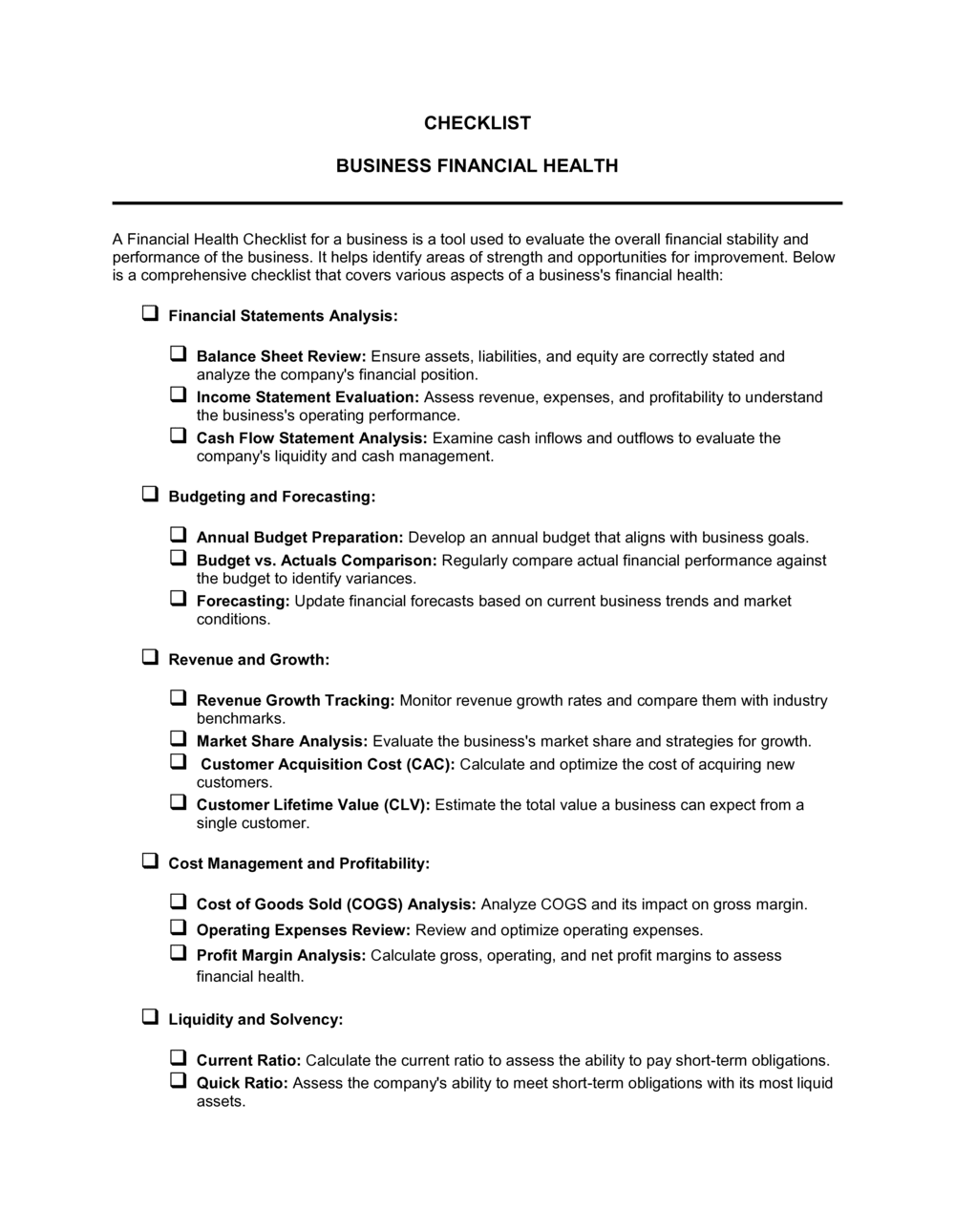
A Financial Health Checklist is a structured review form that guides business owners and finance teams through a systematic assessment of key financial indicators β€” cash flow, profitability, debt levels, receivables, payables, and internal controls. This free Word download gives you a ready-to-use checklist you can edit online and export as PDF for monthly, quarterly, or annual reviews.
When you need it
Use it at the close of any financial period β€” monthly, quarterly, or annually β€” to confirm that your books are accurate, obligations are met, and the business is tracking toward its financial targets. It is also useful before a bank meeting, investor presentation, or fiscal year-end.
What's inside
Cash flow status, profit and loss summary, accounts receivable and payable aging, debt and liability review, budget-versus-actual variance, tax compliance status, internal controls confirmation, and a corrective-action notes field for any items flagged during the review.

What is a Financial Health Checklist?

A Financial Health Checklist is a structured review form that guides business owners and finance teams through a systematic assessment of the key indicators that determine whether a business is financially sound: cash flow, profitability, receivables, payables, debt, tax compliance, and internal controls. Completed at the end of each financial period, it functions as a repeatable process that ensures nothing critical is overlooked, flags problems while they are still manageable, and creates a documented record that the review was performed and by whom.

Why You Need This Document

Without a regular financial review process, cash shortfalls, overdue receivables, and missed tax deadlines tend to surface only after they have become expensive problems. A business owner who reviews finances only at year-end is typically discovering issues that could have been caught and corrected months earlier β€” at a fraction of the cost. This checklist creates the discipline to catch a deteriorating gross margin in month three instead of month nine, to follow up on a 60-day invoice before it becomes uncollectable, and to confirm that payroll tax deposits are current before the IRS issues a penalty notice. Using this template takes under an hour per review cycle and replaces the ad hoc, easily-forgotten financial check with a consistent, accountable process tied to real source records.

Which variant fits your situation?

If your situation is…Use this template
Monthly cash-flow focused review for early-stage businessesMonthly Financial Health Checklist
Full quarterly review including budget-versus-actual analysisQuarterly Financial Review Checklist
Annual fiscal year-end close and audit preparationYear-End Financial Checklist
Pre-investment due diligence financial readiness checkInvestor Due Diligence Checklist
Tracking project-level profitability and cost overrunsProject Budget Tracker
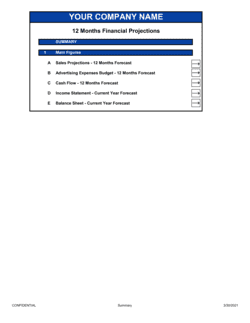
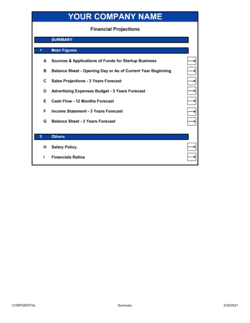
Monitoring 12-month revenue and expense projectionsFinancial Projections (12 Months)

Common mistakes to avoid

❌ Confusing profit with cash flow

Why it matters: A business can show a net profit on the P&L while its bank account is empty if customers are paying slowly or inventory is tying up cash. Treating a profitable P&L as confirmation of financial health masks a looming liquidity crisis.

Fix: Always review the cash flow section independently of the P&L. A period with positive net income but negative cash flow requires an immediate explanation of the timing difference.

❌ Reviewing only the AR total, not the aging buckets

Why it matters: A $50,000 AR balance looks healthy until you discover $40,000 of it is over 90 days old and one customer is in dispute. The total balance alone gives no indication of collectability.

Fix: Break the AR balance into 0–30, 31–60, 61–90, and 90+ day buckets every review cycle and set a policy for escalating each bucket.

❌ Skipping the internal controls confirmation

Why it matters: Bank reconciliations and expense approvals that are not completed on schedule create windows for errors and fraud to go undetected for multiple periods. A single unchecked period can snowball into a material misstatement.

Fix: Treat each internal controls line as a hard gate β€” the checklist is not complete until every control item is verified with evidence, not just a checkbox.

❌ Leaving corrective actions without an assigned owner

Why it matters: A list of issues with no owner and no due date is a record of problems, not a plan to fix them. The same items reappear on the next review cycle, and the checklist loses credibility as a management tool.

Fix: Every flagged item must have a single named owner and a specific due date before the checklist is filed. Open items from the prior cycle are reviewed first at the next session.

The 10 key fields, explained

Review period and reviewer

Cash flow status

Accounts receivable aging review

Accounts payable and upcoming obligations

Profit and loss summary

Budget-versus-actual variance

Debt and liability status

Tax compliance status

Internal controls confirmation

Corrective actions and follow-up notes

How to fill it out

  1. 1

    Set the review period and assign a reviewer

    Enter the exact period covered β€” month-end, quarter-end, or fiscal year-end β€” and record the name and title of the person completing the checklist. This creates an accountability trail.

    πŸ’‘ Schedule the review on a fixed calendar date β€” the 5th business day after period close is a common standard β€” so it becomes a habit rather than an afterthought.

  2. 2

    Pull the ending cash balance and assess cash flow

    Log the ending cash balance from your bank statement and determine whether the period was cash-flow positive or negative. Compare to the prior period and note the variance.

    πŸ’‘ If cash flow is negative, calculate how many months of runway remain at the current burn rate before you run out of reserves.

  3. 3

    Review accounts receivable aging

    Export your AR aging report from your accounting software and flag every invoice over 60 days. Record the total outstanding and the amount in each aging bucket.

    πŸ’‘ Any invoice over 90 days with no payment plan in place should trigger a specific follow-up call β€” not just an email β€” within 48 hours of the review.

  4. 4

    Check accounts payable and upcoming obligations

    List all outstanding vendor balances, confirm none are past due, and map upcoming payment dates against your projected cash inflows to spot timing gaps.

    πŸ’‘ If a large payable is due before a major customer payment arrives, contact the vendor proactively β€” most will extend terms by 10–15 days without penalty if asked in advance.

  5. 5

    Complete the profit and loss summary

    Enter revenue, COGS, gross margin percentage, operating expenses, and net profit or loss for the period. Compare gross margin to your prior-period and annual target.

    πŸ’‘ A gross margin decline of more than 2 percentage points from the prior period warrants an immediate line-item cost review β€” don't wait for the annual audit.

  6. 6

    Record budget variances and flag material differences

    Compare each major revenue and expense line to the period's budget. Flag any variance exceeding your defined threshold β€” typically 10% or $1,000, whichever is greater.

    πŸ’‘ Positive revenue variances are not automatically good news β€” if you over-earned but also over-spent, the net variance may still signal a control problem.

  7. 7

    Confirm tax compliance and internal controls

    Verify that all tax remittances due during the period were filed and paid on time. Confirm bank reconciliations, expense approvals, and other key controls were completed.

    πŸ’‘ Keep signed copies of bank reconciliations on file for at least seven years β€” they are the first document a tax authority or auditor will request.

  8. 8

    Log corrective actions with owners and due dates

    For every flagged item, write a one-line description of the issue, assign it to a named individual, and set a due date. Review open items at the start of the next cycle.

    πŸ’‘ Limit each action item to one sentence and one owner β€” shared ownership means no ownership.
Frequently asked questions

What is a financial health checklist?

A financial health checklist is a structured review form that guides business owners and finance teams through a systematic check of key financial indicators β€” cash flow, profitability, receivables, payables, debt, tax compliance, and internal controls β€” at the end of a defined period. It ensures nothing critical is overlooked and creates a documented record that the review took place.

How often should a financial health checklist be completed?

Monthly is the minimum standard for most small and mid-sized businesses. High-growth or cash-constrained businesses benefit from a weekly cash flow check supplemented by a full monthly review. A more comprehensive quarterly version that includes budget-versus-actual analysis and debt covenant compliance is standard for businesses with external lenders or investors.

Who should complete a financial health checklist?

The business owner, bookkeeper, or CFO typically completes it β€” whoever has direct access to the accounting system and bank accounts. The key requirement is that the reviewer can verify each item against source records, not just from memory. Assigning the review to a named individual rather than leaving it to whoever has time ensures it actually gets done.

What financial metrics should be on a financial health checklist?

At minimum: ending cash balance and cash flow direction, accounts receivable aging, accounts payable status, gross margin and net profit or loss, budget-versus-actual variance, debt and liability status, tax compliance confirmation, and internal controls verification. Adding a corrective-action log turns the checklist from a snapshot into an active management tool.

Can a financial health checklist replace a formal audit?

No. A financial health checklist is an internal management tool designed for periodic self-review β€” it confirms that key processes are running and flags issues for follow-up. A formal audit is an independent examination of financial statements by a licensed external auditor and provides a level of assurance that an internal checklist cannot. The checklist helps you stay audit-ready; it does not replace the audit itself.

What is the difference between a financial health checklist and a financial statement?

A financial statement β€” P&L, balance sheet, or cash flow statement β€” is a formal record of what happened financially during a period. A financial health checklist is a review process that uses those statements as inputs to assess whether the business is on track, controls are functioning, and obligations are met. The checklist drives action; the statements provide the data.

What should I do if the checklist flags a problem?

Log the issue in the corrective-actions section with a one-line description, assign it to a specific person, and set a due date for resolution. For cash flow shortfalls, act within 24–48 hours β€” contact overdue customers, defer non-critical payables, or draw on a line of credit. For tax compliance gaps, contact your accountant the same day; penalties compound quickly and voluntary disclosure before a notice arrives typically reduces them.

Does a financial health checklist need to be signed?

No signature is legally required. However, having the reviewer initial each completed section and sign the summary creates a clear accountability record that is valuable if discrepancies arise later, if the business is audited, or if ownership or management changes. Many businesses that use the checklist as a board or lender reporting tool do include a sign-off line.

How this compares to alternatives

vs Financial Projections Template

A financial projections template is a forward-looking model estimating revenue, expenses, and cash flow over 12 months or more. A financial health checklist is a backward-looking review of what actually happened in a completed period. The two complement each other β€” use projections to set targets and the checklist to verify whether you hit them.

vs Budget Template

A budget template allocates expected revenue and expenses across future periods. A financial health checklist compares actual results against that budget to identify variances. The budget sets the plan; the checklist holds the business accountable to it on a recurring basis.

vs Balance Sheet Template

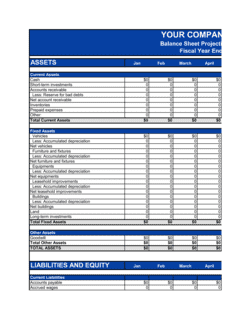
A balance sheet is a formal financial statement showing assets, liabilities, and equity at a point in time. A financial health checklist is a process document that uses the balance sheet β€” along with the P&L and cash flow statement β€” as one of several inputs in a broader operational review. The checklist drives action; the balance sheet provides data.

vs Expense Report Template

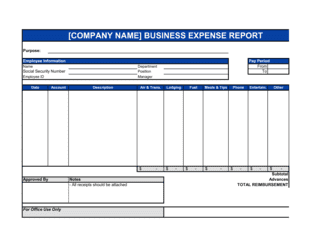
An expense report captures individual employee spending for reimbursement. A financial health checklist operates at the business level, confirming that expense approval controls are functioning and that total operating expenditure is within budget. Expense reports feed into the checklist; they do not replace it.

Industry-specific considerations

Professional Services

Monitors billable utilization rates, work-in-progress balances, and client invoice aging alongside standard cash flow and expense controls.

Retail and E-commerce

Tracks inventory turnover and shrinkage alongside cash flow, with a dedicated check on sales tax remittance obligations across multiple states or jurisdictions.

Construction and Trades

Includes project-level WIP and retention receivables, progress billing status, and subcontractor payable aging as part of the period-end review.

SaaS and Technology

Focuses on MRR, churn rate, and CAC payback alongside burn rate and runway β€” metrics that standard checklists do not capture without customization.

Template vs pro β€” what fits your needs?

PathBest forCostTime
Use the templateSmall business owners and bookkeepers running standard monthly or quarterly reviewsFree30–60 minutes per review cycle
Template + professional reviewBusinesses with external lenders, investors, or board reporting requirements$100–$300 per session with a bookkeeper or accountant1–2 hours
Custom draftedMulti-entity businesses, regulated industries, or companies preparing for audit or acquisition$500–$2,000 for a CPA-designed review framework1–2 weeks

Glossary

Cash Flow
The net movement of money into and out of a business during a defined period β€” positive when inflows exceed outflows.
Accounts Receivable Aging
A report grouping unpaid customer invoices by how long they have been outstanding β€” typically 0–30, 31–60, 61–90, and 90+ days.
Accounts Payable
Money a business owes to suppliers and vendors for goods or services already received but not yet paid.
Burn Rate
Monthly net cash outflow for a business spending more than it earns β€” used to calculate how long current cash reserves will last.
Gross Margin
Revenue minus the direct cost of goods sold, expressed as a percentage of revenue β€” a primary indicator of pricing and production efficiency.
Budget Variance
The difference between a budgeted amount and the actual figure for the same period, expressed in dollars and as a percentage.
Working Capital
Current assets minus current liabilities β€” the liquid buffer available to fund day-to-day operations.
Debt-to-Equity Ratio
Total liabilities divided by total shareholder equity β€” a measure of how much of the business is financed by debt versus owners' capital.
Internal Controls
Policies and procedures designed to prevent errors, fraud, and unauthorized transactions in financial reporting and cash handling.
Runway
The number of months a business can continue operating at its current burn rate before cash reserves are exhausted.

Part of your Business Operating System

This document is one of 3,000+ business & legal templates included in Business in a Box.

  • Fill-in-the-blanks β€” ready in minutes
  • 100% customizable Word document
  • Compatible with all office suites
  • Export to PDF and share electronically

Create your document in 3 simple steps.

From template to signed document β€” all inside one Business Operating System.
1
Download or open template

Access over 3,000+ business and legal templates for any business task, project or initiative.

2
Edit and fill in the blanks with AI

Customize your ready-made business document template and save it in the cloud.

3
Save, Share, Send, Sign

Share your files and folders with your team. Create a space of seamless collaboration.

Save time, save money, and create top-quality documents.

β˜…β˜…β˜…β˜…β˜…

"Fantastic value! I'm not sure how I'd do without it. It's worth its weight in gold and paid back for itself many times."

Managing Director Β· Mall Farm
Robert Whalley
Managing Director, Mall Farm Proprietary Limited
β˜…β˜…β˜…β˜…β˜…

"I have been using Business in a Box for years. It has been the most useful source of templates I have encountered. I recommend it to anyone."

Business Owner Β· 4+ years
Dr Michael John Freestone
Business Owner
β˜…β˜…β˜…β˜…β˜…

"It has been a life saver so many times I have lost count. Business in a Box has saved me so much time and as you know, time is money."

Owner Β· Upstate Web
David G. Moore Jr.
Owner, Upstate Web

Run your business with a system β€” not scattered tools

Stop downloading documents. Start operating with clarity. Business in a Box gives you the Business Operating System used by over 250,000 companies worldwide to structure, run, and grow their business.

Free Forever PlanΒ Β·Β No credit card required