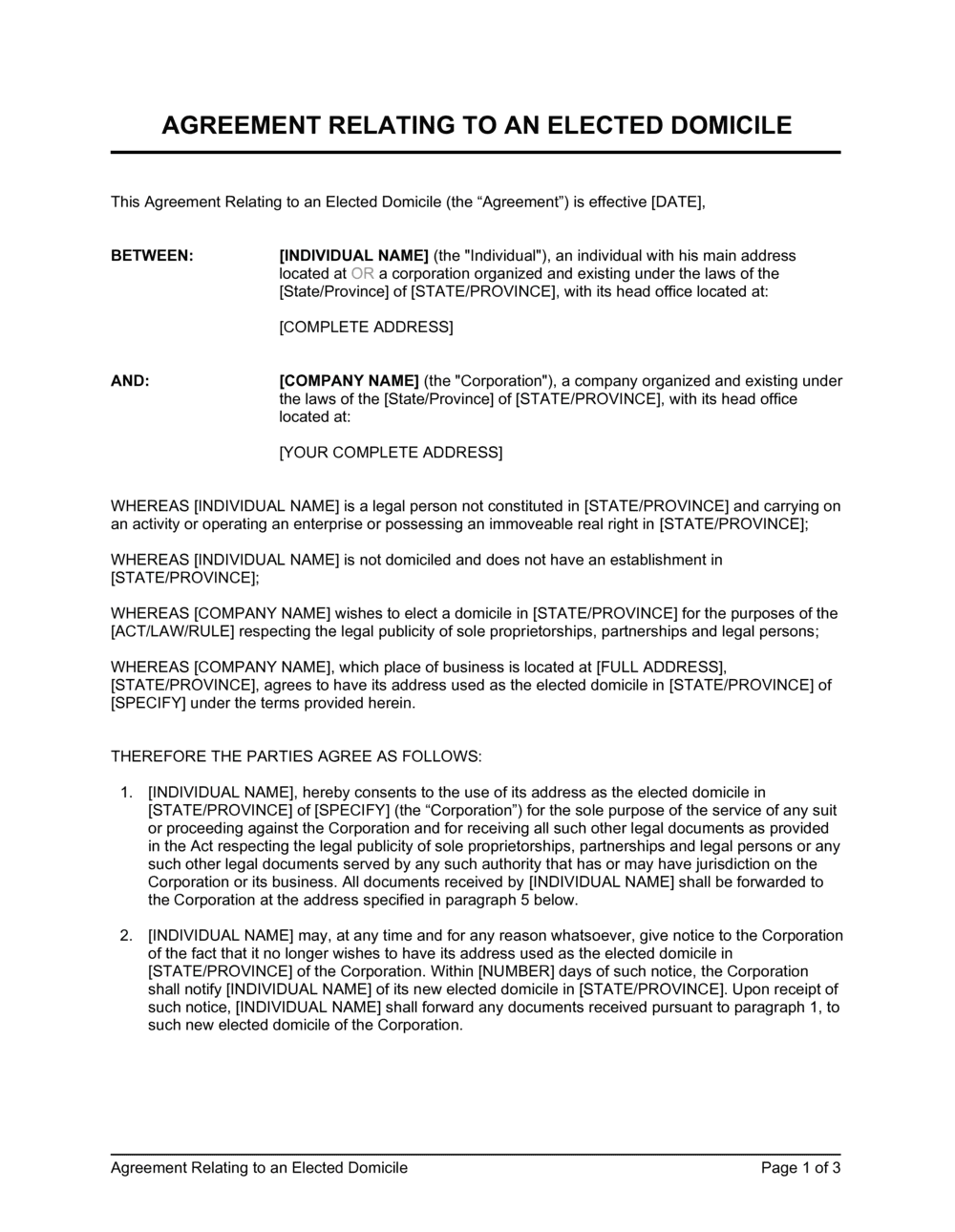
Agreement Relating to an Elected Domicile Template

Free Word download • Edit online • Save & share with Drive • Export to PDF

3 pages25–30 min to fillDifficulty: ComplexSignature requiredLegal review recommended
Learn more ↓
FreeAgreement Relating to an Elected Domicile Template

At a glance

What it is
An Agreement Relating To An Elected Domicile is a binding legal document in which a party formally designates a specific physical address as their chosen legal domicile — the address at which notices, demands, legal process, and correspondence under a contract will be validly served. This free Word download provides a ready-to-edit template you can customize with party details, the elected address, and jurisdiction-specific terms, then export as PDF and execute alongside or as an addendum to your main contract.
When you need it
Use it whenever a contracting party's ordinary residence or registered office is abroad, unclear, or subject to change, and you need a fixed, reliable address within a specific jurisdiction for the valid service of legal notices, court documents, or contractual communications. It is also used when a governing-law clause points to a jurisdiction where neither party is physically present.
What's inside
Party identification and the elected domicile address, scope of the election covering all notices and legal process under the agreement, duration and revocation conditions, the obligation to maintain the elected address, notification requirements for address changes, and governing law and jurisdiction provisions.

What is an Agreement Relating To An Elected Domicile?

An Agreement Relating To An Elected Domicile is a binding legal document in which a contracting party formally designates a specific physical address — within the jurisdiction governing their contract — as the address at which legal notices, court documents, default demands, and all formal contractual communications will be validly served on them. The concept originates in civil-law systems, where it is codified as a mechanism to give counterparties a reliable, court-recognized point of contact for a party who would otherwise be unreachable under local procedural rules. It functions as a contractual commitment: the electing party undertakes not only to nominate the address but to keep it operational and to follow a defined procedure before changing or revoking it, ensuring the other party is never left without an enforceable service point.

Why You Need This Document

Without an elected domicile agreement, serving a default notice or commencing legal proceedings against a foreign counterparty can take months and significant expense — requiring compliance with international service conventions such as the Hague Service Convention, letters rogatory, or local court orders for substituted service. Each of those routes introduces delay, cost, and uncertainty at precisely the moment you need to act quickly. A properly executed elected domicile agreement eliminates that friction entirely: it gives you a domestic address where service is immediately valid, enforceable, and unchallengeable. For lenders, landlords, and any business contracting across borders under a fixed governing law, it is the mechanism that makes your jurisdiction clause operational rather than theoretical. This template gives you a complete, professionally structured starting point — covering all essential clauses from address maintenance to deemed-receipt mechanics — so you can finalize and execute it alongside your main contract in minutes.

Which variant fits your situation?

If your situation is…Use this template
Party is a foreign individual with no fixed domestic addressAgreement Relating To An Elected Domicile (Individual)
Party is a foreign corporate entity without a local registered officeAgreement Relating To An Elected Domicile (Corporate)
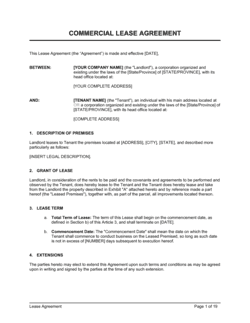
Domicile election needed within a broader commercial leaseCommercial Lease Agreement
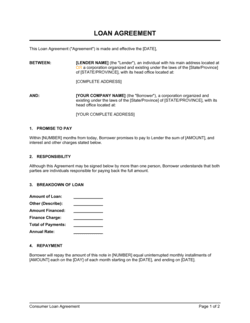
Elected domicile required as part of a loan or credit facilityLoan Agreement
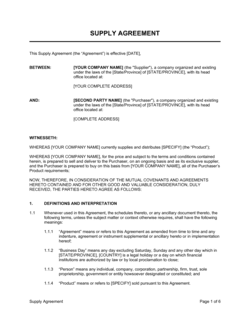
Service address needed within a cross-border supply agreementSupply Agreement
Registered agent appointment needed instead of a personal electionRegistered Agent Authorization Letter
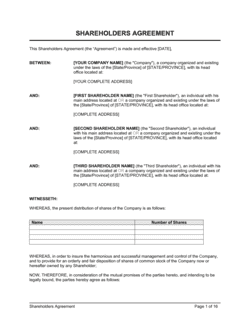
Elected domicile as part of a shareholder or investment agreementShareholders Agreement

Common mistakes to avoid

❌ Using a PO box as the elected address

Why it matters: Most courts in common-law and civil-law jurisdictions require service of legal process at a physical address where a person can actually be reached. A PO box may render service of court documents invalid, forcing the serving party to obtain a court order for substituted service.

Fix: Always nominate a street address for a physical premises. If the party has no local office, appoint a registered agent or law firm and use their physical address with their written consent.

❌ Omitting the maintenance obligation

Why it matters: Without a contractual duty to keep the address operational, the electing party can effectively abandon the address mid-contract — leaving the other party unable to serve notices and potentially stalling enforcement.

Fix: Include an express clause requiring the electing party to ensure the elected address remains staffed and capable of receiving documents throughout the term, with a breach remedy if they fail.

❌ Allowing unilateral revocation without a replacement

Why it matters: If the electing party can revoke the election without simultaneously providing a new address, there is a window — potentially months long — during which valid service within the chosen jurisdiction is impossible.

Fix: Require that any revocation is only effective once the replacement address is confirmed in writing and acknowledged by the other party, with a minimum 60-day notice period.

❌ Choosing a different governing law than the underlying contract

Why it matters: Inconsistent jurisdiction clauses between the elected domicile agreement and the main contract create ambiguity about which court governs disputes over service validity — potentially requiring two sets of litigation to resolve a single notice dispute.

Fix: Mirror the governing law and exclusive jurisdiction clause from the underlying contract verbatim, or expressly state that in case of conflict the underlying contract's provisions prevail.

❌ Failing to extend the election beyond the contract's termination date

Why it matters: Disputes and enforcement actions frequently arise after a contract ends. If the election expires on the contract's termination date, the electing party has no obligation to maintain a local service address for post-termination claims.

Fix: Add a survival clause extending the election for a defined period — typically 12 months, or the applicable limitation period if shorter — after the underlying contract terminates.

❌ Not attaching the agreement to the underlying contract

Why it matters: A standalone document that is not referenced in or attached to the main contract may be overlooked during enforcement, requiring the serving party to separately prove its existence and binding nature before service can be validated.

Fix: Cross-reference the elected domicile agreement in the notice clause of the main contract and attach it as a schedule or exhibit so both documents travel together.

The 10 key clauses, explained

Parties and Recitals

In plain language: Identifies the full legal names, registration numbers (where applicable), and existing contractual relationship between the parties, and states the purpose of the election.

Sample language
This Agreement is entered into on [DATE] between [PARTY A FULL LEGAL NAME], a [ENTITY TYPE] registered in [JURISDICTION] with registration number [NUMBER] ('Party A'), and [PARTY B FULL LEGAL NAME], a [ENTITY TYPE] registered in [JURISDICTION] ('Party B'). The parties enter into this Agreement in connection with [DESCRIPTION OF UNDERLYING CONTRACT OR RELATIONSHIP].

Common mistake: Using a trading name or abbreviation instead of the full registered legal name — service delivered to a misstated party name may be challenged as invalid.

Election of Domicile Address

In plain language: States the specific street address that the electing party formally nominates as their legal domicile for all purposes of the agreement.

Sample language
[PARTY NAME] hereby elects domicile at [FULL STREET ADDRESS, CITY, STATE/PROVINCE, POSTAL CODE, COUNTRY] ('Elected Domicile') for all purposes of [TITLE OF UNDERLYING AGREEMENT] dated [DATE] and any notices, demands, or legal process served thereunder.

Common mistake: Specifying a PO box instead of a physical street address — many jurisdictions and courts do not accept PO boxes as valid addresses for service of legal process.

Scope of the Election

In plain language: Defines exactly which documents and communications are covered by the elected domicile — typically all contractual notices, demands, default notices, and formal legal process.

Sample language
The election of domicile shall apply to all notices, demands, legal process, writs, summonses, and other communications required or permitted to be given under [UNDERLYING AGREEMENT], including any claim, arbitration notice, or enforcement action arising therefrom.

Common mistake: Limiting scope to 'contractual notices only' and inadvertently excluding court process — which then cannot be validly served at the elected address, defeating the document's primary purpose.

Duration of the Election

In plain language: Sets out how long the election remains in force — typically for the life of the underlying contract and any post-termination obligations, such as dispute resolution proceedings already commenced.

Sample language
This election shall remain in force for the duration of [UNDERLYING AGREEMENT] and shall continue in effect until all obligations thereunder have been fully discharged or until [X] months following termination of [UNDERLYING AGREEMENT], whichever is later.

Common mistake: Tying duration solely to the contract term without extending it through dispute resolution — if proceedings commence after expiry, the elected domicile lapses and service becomes unresolved.

Obligation to Maintain the Address

In plain language: Places a positive obligation on the electing party to ensure the elected address remains operational and staffed to receive correspondence throughout the term.

Sample language
[PARTY NAME] undertakes to maintain the Elected Domicile as a functional address capable of receiving correspondence and legal documents at all times during the term of this Agreement, and to take all steps necessary to ensure prompt receipt and forwarding of any documents served thereat.

Common mistake: Omitting this clause entirely and relying on the election alone — without an ongoing maintenance obligation, the electing party has no contractual duty to keep the address active.

Change of Elected Domicile

In plain language: Sets out the procedure by which the electing party may change the elected address — requiring advance written notice and the simultaneous designation of a replacement address before the change takes effect.

Sample language
[PARTY NAME] may change the Elected Domicile by providing not less than [30] days' prior written notice to [OTHER PARTY], specifying the new address. No change of Elected Domicile shall be effective unless and until a valid replacement address has been confirmed in writing by [PARTY NAME] and acknowledged by [OTHER PARTY].

Common mistake: Allowing the address to be changed with immediate effect and no replacement — creating a gap during which legal documents cannot be validly served.

Deemed Receipt and Validity of Service

In plain language: Establishes a rebuttable presumption that documents delivered to the elected domicile by specified methods are validly served, even if the electing party claims non-receipt.

Sample language
Any notice or legal process delivered to the Elected Domicile by [hand delivery / registered post / courier with proof of delivery] shall be deemed validly served on [PARTY NAME] upon actual delivery, regardless of whether [PARTY NAME] in fact receives or collects the document.

Common mistake: Failing to list the specific delivery methods that trigger deemed receipt — leaving the validity of any particular service open to dispute.

Revocation

In plain language: States the conditions under which the election may be formally revoked, the required notice period, and the requirement to simultaneously elect a new domicile or appoint an agent for service.

Sample language
[PARTY NAME] may revoke this election only with the prior written consent of [OTHER PARTY] or upon providing [60] days' advance written notice accompanied by a simultaneous election of an alternative domicile within [JURISDICTION] acceptable to [OTHER PARTY], such acceptance not to be unreasonably withheld.

Common mistake: Permitting unilateral revocation without a replacement — the other party is then left without an enforceable service address and must seek court-authorized substituted service.

Governing Law and Jurisdiction

In plain language: Specifies which jurisdiction's law governs the agreement and which courts have exclusive jurisdiction to resolve disputes about the validity or operation of the elected domicile.

Sample language
This Agreement and all matters arising from it shall be governed by and construed in accordance with the laws of [JURISDICTION]. The parties irrevocably submit to the exclusive jurisdiction of the courts of [JURISDICTION] in connection with any dispute relating to this Agreement.

Common mistake: Choosing a different governing law for the elected domicile agreement than the underlying contract it serves — inconsistent jurisdiction clauses create enforceability conflicts.

Entire Agreement and Severability

In plain language: Confirms this document constitutes the complete agreement on elected domicile, superseding prior arrangements, and that if any single clause is found unenforceable the remainder survives.

Sample language
This Agreement constitutes the entire agreement between the parties with respect to the election of domicile and supersedes all prior representations and agreements on that subject. If any provision is found invalid or unenforceable, the remaining provisions shall continue in full force and effect.

Common mistake: Omitting severability when the clause on deemed receipt is drafted unusually broadly — without it, a court striking that single clause could void the entire election.

How to fill it out

  1. 1

    Identify the parties with full legal names and registration details

    Enter each party's complete registered legal name, entity type, registration number, and home jurisdiction. Cross-reference company registry records to confirm exact naming.

    💡 For foreign entities, include the country of incorporation and the equivalent of a company registration number — this is what process servers and courts use to confirm identity.

  2. 2

    Enter the elected domicile address precisely

    State the full street address, city, state or province, postal code, and country. Confirm the address is a physical location that can receive registered mail and personal service, not a PO box or virtual office that cannot accept court documents.

    💡 If using a law firm or agent's address as the elected domicile, obtain their written consent to act in that capacity before inserting the address.

  3. 3

    Define the scope of covered communications

    List every category of document the elected domicile covers — contractual notices, default demands, termination notices, arbitration initiations, and court process. Be inclusive rather than restrictive.

    💡 Add a catch-all phrase such as 'and any other formal communication arising under or in connection with [UNDERLYING AGREEMENT]' to close gaps the enumerated list may miss.

  4. 4

    Set the duration and survival period

    Tie the election's term to the underlying contract and extend it by a minimum of 6–12 months post-termination to cover disputes that arise after the main contract ends.

    💡 In jurisdictions with long limitation periods — 6 years in England and Wales, for example — consider extending the post-termination survival period to match.

  5. 5

    Draft the change and revocation procedure

    Set an advance notice period of at least 30 days for address changes and 60 days for revocation. Require simultaneous nomination of a replacement address before any change takes effect.

    💡 Require the other party to acknowledge receipt of any change notice in writing — silence should not be treated as acceptance.

  6. 6

    Specify the deemed-receipt delivery methods

    List the delivery methods that trigger valid service — typically hand delivery, registered post with proof of delivery, and recognized courier services. State the date and time at which service is deemed complete for each method.

    💡 Avoid adding email as a deemed-receipt method for court process — many jurisdictions do not recognize email service of legal proceedings without a separate court order.

  7. 7

    Align governing law with the underlying contract

    Use the same governing law and jurisdiction as the contract this election serves. If they differ, note explicitly that any conflict is resolved in favor of the underlying contract's jurisdiction clause.

    💡 Check whether the chosen jurisdiction requires the elected domicile to be within its territory — some civil-law systems require the elected address to be physically located in the governing jurisdiction.

  8. 8

    Execute before the underlying contract takes effect

    Both parties must sign the elected domicile agreement at or before the signing of the main contract. Attach it as a schedule or annex to the main agreement so the connection is unambiguous.

    💡 Retain the fully executed original alongside the main contract — in enforcement proceedings, you may need to produce both together to demonstrate valid service.

Frequently asked questions

What is an elected domicile agreement?

An elected domicile agreement is a binding legal document in which a party formally designates a specific physical address — within a chosen jurisdiction — as the place where legal notices, court documents, and contractual communications will be validly delivered on their behalf. It is most commonly used in cross-border transactions where one party has no fixed local address, giving the other party a reliable, court-recognized point of service within the governing jurisdiction.

When is an elected domicile agreement required?

It is typically required when a contracting party is based abroad and the underlying contract is governed by the law of a jurisdiction where that party has no registered office or habitual residence. Lenders, landlords, and counterparties in cross-border commercial transactions regularly require an elected domicile to ensure they can serve default notices or commence legal proceedings without needing court authorization for international service.

What is the difference between domicile and residence?

Residence refers to where a person or entity is physically present or operating at a given time. Domicile is a legal concept — the jurisdiction a person or entity treats as their permanent legal home, which governs succession, personal status, and in many civil-law systems, contractual obligations. An elected domicile is a contractually chosen address that may differ from both — it is purely a service address for the purposes of a specific contract.

Can a PO box be used as an elected domicile?

No — in virtually all jurisdictions, legal process must be served at a physical premises where a person or authorized representative can actually be reached. A PO box cannot receive personal service by a court officer or process server and is generally not accepted by courts as a valid service address for proceedings. Always nominate a physical street address, or use a registered agent with a physical office.

What happens if the elected address changes during the contract?

The electing party must provide advance written notice — typically 30 days or more — and nominate a replacement address before the change takes effect. A well-drafted agreement requires the change to be acknowledged in writing by the other party and prohibits any gap between the old and new address being operative. Documents served at the old address during any unauthorized gap may still be deemed validly served depending on the jurisdiction.

Is an elected domicile agreement enforceable in the United States?

Yes, elected domicile and contractual service-address provisions are generally recognized and enforced in US commercial contracts, though the specific mechanics vary by state. Most US commercial courts will honor a contractual elected address for notice purposes. For formal service of court process, compliance with state rules of civil procedure is also required — check whether the state accepts contractual service-address designations in lieu of statutory service methods.

Does the elected domicile address need to be in the same country as the governing law?

In civil-law systems — particularly in France, Belgium, and Luxembourg, where the elected domicile concept originates — the address is typically required to be within the territory governed by the chosen law. In common-law jurisdictions, courts are generally more flexible, but as a practical matter the address should be in or very near the jurisdiction whose courts will hear disputes, so that service is effective under local procedural rules.

How does an elected domicile agreement differ from appointing a registered agent?

A registered agent is a formally appointed representative authorized to receive legal process on a company's behalf under corporate law — typically required for entities incorporated in a jurisdiction. An elected domicile agreement is a purely contractual arrangement between two contracting parties for the purpose of a specific agreement. The two can overlap — a law firm or agent's address may serve both purposes — but they arise from different legal frameworks and carry different statutory obligations.

Do both parties need to elect a domicile, or just one?

Only the party without a fixed, reachable address in the governing jurisdiction is typically required to elect a domicile. If both parties are foreign to the governing jurisdiction, both should elect. Where one party already has a registered office or habitual residence in the jurisdiction, their existing address is generally sufficient and no election is needed for that party.

How this compares to alternatives

vs Registered Agent Authorization Letter

A registered agent authorization is a corporate-law instrument appointing a statutory agent to receive service on behalf of a company under company registration rules. An elected domicile agreement is a purely contractual designation for the purposes of a specific contract. The registered agent appointment is mandatory for incorporated entities in many jurisdictions; the elected domicile is a voluntary bilateral contractual arrangement.

vs Notice Clause (within a contract)

A notice clause is a standard provision within a larger contract specifying how and where communications must be sent. An elected domicile agreement is a standalone document that goes further — it creates a formal, court-recognized service address with binding maintenance and revocation obligations. The notice clause handles routine communications; the elected domicile agreement covers formal legal process and enforcement.

vs Service of Process Agreement

A service of process agreement designates an agent specifically for the receipt of court and legal proceedings, often required when registering a foreign entity in a new state or country. An elected domicile agreement is broader, covering all contractual notices and communications in addition to legal process, and is typically attached to a specific underlying contract rather than filed with a public registry.

vs Governing Law and Jurisdiction Clause

A governing law and jurisdiction clause selects which legal system and courts apply to a contract. An elected domicile agreement implements that choice operationally — it provides the physical address through which the chosen jurisdiction can actually exercise authority over a foreign party. The two documents work together: the jurisdiction clause decides where disputes go; the elected domicile ensures the foreign party can be reached there.

Industry-specific considerations

Banking and Financial Services

Lenders require borrowers domiciled abroad to elect a local address before draw-down, ensuring default notices and enforcement writs can be served without costly international service procedures.

Commercial Real Estate

Landlords routinely require foreign tenant entities to elect a local domicile in the lease, enabling valid service of rent demands, forfeiture notices, and dilapidations claims within the property's jurisdiction.

International Trade and Supply Chain

Cross-border supply and distribution agreements use elected domicile clauses to fix a local address for dispute notices where the foreign supplier has no local entity, avoiding the delays of international service conventions.

Professional Services

Law firms and consultancies operating across jurisdictions attach elected domicile agreements to engagement letters with foreign clients, ensuring fee claims and termination notices can be served locally and promptly.

Jurisdictional notes

United States

US courts generally enforce contractual service-address designations for notice purposes, but formal service of civil process must also comply with the applicable state rules of civil procedure — which may require personal service or service through a registered agent rather than mere delivery to a contractual address. Some states, including New York and Delaware, expressly permit parties to designate an in-state address for service in commercial contracts. Confirm state-specific requirements before relying solely on the elected domicile for court process.

Canada

Canadian courts recognize contractual service-address clauses in commercial agreements, and provincial Rules of Civil Procedure generally allow service at an address specified in a contract for notices arising from that contract. Quebec's civil-law tradition — drawn from French law — gives elected domicile provisions particular formal recognition under the Civil Code of Quebec. In common-law provinces, ensure the elected address is within the province whose courts are designated in the jurisdiction clause.

United Kingdom

English law firmly recognizes elected domicile and contractual service-address provisions. Under the Civil Procedure Rules, parties may agree in a contract that service of a claim form or other court documents will be effected by delivery to a specified address. Post-Brexit, service of proceedings on EU-based parties has become more complex, making a UK elected domicile particularly valuable when contracting with EU counterparties under English law. The address must be a physical premises in England and Wales (or Scotland / Northern Ireland if those jurisdictions govern) — not a forwarding address.

European Union

The elected domicile concept originates in French and Belgian civil law and is well-established across the EU's civil-law jurisdictions. Under French law (article 111 of the Civil Code), an elected domicile creates a valid address for all acts and proceedings relating to the specific obligation. Several member states — including Luxembourg, Belgium, and the Netherlands — require the elected address to be physically located within the governing jurisdiction's territory to be effective for court process. GDPR considerations apply where the elected domicile is managed by a third-party agent who processes personal data on behalf of the nominating party.

Template vs lawyer — what fits your deal?

PathBest forCostTime
Use the templateStandard cross-border commercial contracts where one party needs a fixed local service address and the underlying agreement is straightforwardFree15–30 minutes
Template + legal reviewContracts governed by civil-law jurisdictions (France, Belgium, Luxembourg), high-value lending transactions, or commercial leases with foreign tenant entities$300–$8001–3 days
Custom draftedComplex multi-party cross-border transactions, regulated financial instruments, or arrangements requiring coordination with local court rules on service of process$1,000–$3,500+1–2 weeks

Glossary

Elected Domicile
A physical address formally chosen by a party as the place where legal notices, court documents, and contractual communications will be validly received on their behalf.
Service of Process
The formal delivery of legal documents — such as a summons, writ, or notice of claim — to a party in a manner recognized as valid by the governing court.
Domicile
The place a person or entity treats as their permanent legal home, determining which jurisdiction's laws apply to personal status, taxation, and succession matters.
Notice Clause
A contract provision specifying how and where official communications between the parties — including default notices, termination notices, and legal demands — must be delivered to be effective.
Jurisdiction Clause
A clause designating which country's or state's courts have authority to hear disputes arising from the contract.
Governing Law
The legal system whose rules and statutes will be used to interpret and enforce the contract, regardless of where the parties are physically located.
Registered Office
The official address of a company as recorded with the relevant company registry, at which statutory and legal communications may be served.
Agent for Service
A person or entity formally authorized to receive legal documents on behalf of another party within a specific jurisdiction.
Revocation of Domicile
The formal cancellation of an elected domicile address, typically requiring advance written notice and the simultaneous nomination of a replacement address.
Substituted Service
Court-authorized delivery of legal documents by an alternative method — such as post, email, or publication — when personal service at the elected address has failed.
Locus of Contract
The jurisdiction in which a contract is considered to have been formed, relevant to determining applicable law in the absence of an express governing-law clause.

Part of your Business Operating System

This document is one of 3,000+ business & legal templates included in Business in a Box.

  • Fill-in-the-blanks — ready in minutes
  • 100% customizable Word document
  • Compatible with all office suites
  • Export to PDF and share electronically

Create your document in 3 simple steps.

From template to signed document — all inside one Business Operating System.
1
Download or open template

Access over 3,000+ business and legal templates for any business task, project or initiative.

2
Edit and fill in the blanks with AI

Customize your ready-made business document template and save it in the cloud.

3
Save, Share, Send, Sign

Share your files and folders with your team. Create a space of seamless collaboration.

Save time, save money, and create top-quality documents.

★★★★★

"Fantastic value! I'm not sure how I'd do without it. It's worth its weight in gold and paid back for itself many times."

Managing Director · Mall Farm
Robert Whalley
Managing Director, Mall Farm Proprietary Limited
★★★★★

"I have been using Business in a Box for years. It has been the most useful source of templates I have encountered. I recommend it to anyone."

Business Owner · 4+ years
Dr Michael John Freestone
Business Owner
★★★★★

"It has been a life saver so many times I have lost count. Business in a Box has saved me so much time and as you know, time is money."

Owner · Upstate Web
David G. Moore Jr.
Owner, Upstate Web

Run your business with a system — not scattered tools

Stop downloading documents. Start operating with clarity. Business in a Box gives you the Business Operating System used by over 250,000 companies worldwide to structure, run, and grow their business.

Free Forever Plan · No credit card required