Equity and Investment Templates
★★★★★4.7from 280+ reviews· Trusted by 20M+ businesses
Structure every investment, share transaction, and equity arrangement with the right document for every deal stage.
WordEditable onlinePDF10+ equity and investment templates
Other Finance & Accounting categories
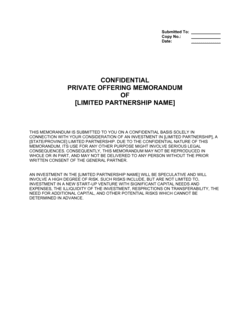
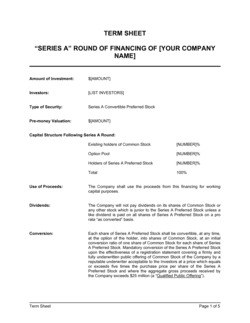
Raising capital and investor documents
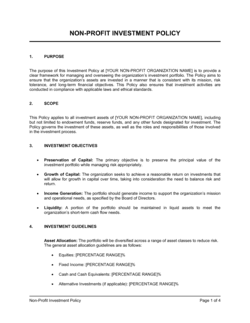
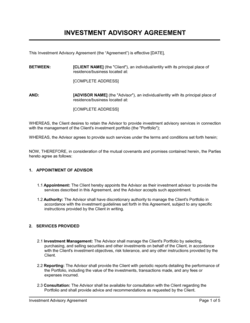
Investment strategy and planning
250K+Clients
20M+Free users
20+Years
190+Countries
10,000+Law firms
50M+Downloads
Trusted across review platforms
- Capterra★★★★☆4.649 reviews
- G2★★★★☆4.713 reviews
- GetApp★★★★☆4.649 reviews
- Google Play★★★★☆4.6179 ratings
- Google Reviews★★★★☆4.567 reviews
Frequently asked questions
What is an equity investment agreement?
An equity investment agreement is a contract between a company and an investor that documents the terms under which the investor provides capital in exchange for an ownership stake. It covers the investment amount, the number or percentage of shares issued, representations and warranties from both sides, and the conditions that must be met before the deal closes. It is generally enforceable when properly executed by authorized representatives of each party.
What is a SAFE note and when should I use one?
A Simple Agreement for Future Equity (SAFE) is a financing instrument where an investor provides capital today in exchange for the right to receive equity at a future priced round, typically at a discount or subject to a valuation cap. SAFEs are not debt — they carry no interest and have no maturity date. They are most commonly used at the pre-seed and seed stages because they are faster and cheaper to close than a priced equity round or a convertible note.
Do I need a lawyer to close an equity deal?
For straightforward early-stage investments between sophisticated parties, a high-quality template reviewed by each party is often a practical starting point. As deal complexity increases — institutional investors, regulatory requirements, cross-border parties, or material IP — engaging qualified legal counsel is strongly advisable. Even a brief template review by a corporate lawyer typically costs significantly less than resolving a poorly drafted deal later.
What is the difference between common stock and preferred shares?
Common stock represents basic ownership with voting rights but no preferential claim on assets or dividends. Preferred shares typically carry a liquidation preference — meaning preferred holders are paid first in a sale or wind-down — and may include anti-dilution rights, dividend preferences, and conversion rights into common stock. Most institutional investors negotiate for preferred shares as a condition of investment.
What is a vesting schedule and why does it matter?
A vesting schedule sets out the timeline and conditions under which a founder or employee earns their equity. A typical schedule is four years with a one-year cliff — meaning no equity vests in the first year, after which it vests monthly over the remaining three years. Vesting protects the company and co-founders from someone leaving early with a full equity stake and is required by most institutional investors before they will fund a company.
What is phantom equity?
Phantom equity is a contractual right to receive a cash payment equal to the value of a specified number of shares, without the recipient actually owning any shares. It gives employees the economic benefit of equity appreciation without diluting existing shareholders or triggering securities compliance obligations. Phantom equity is common in private companies that want to retain key staff but are not yet ready to expand the cap table.
What documents do I need when selling shares in a private company?
A private share sale typically requires a sale of shares agreement or agreement of purchase and sale of shares, a share transfer form or assignment of shares document, and an updated share register. Depending on the company's existing shareholder agreement, you may also need a right-of-first-refusal waiver from existing shareholders and board approval of the transfer. Always check the company's articles or operating agreement for any transfer restrictions before proceeding.
Can equity be granted to employees without issuing shares?
Yes. Phantom equity agreements, equity accumulation plans, and equity participation plans can all provide employees with economic benefits tied to company value without issuing actual shares. These structures are especially useful for companies that want to avoid cap table complexity, are not incorporated in a form that easily issues options, or operate in jurisdictions where employee stock options carry significant regulatory or tax complications.
Equity and Investment vs. related documents
An investment agreement governs the terms under which an investor puts capital into a company — price per share, representations, and closing conditions. A shareholder agreement governs the ongoing relationship between shareholders after that investment closes — voting rights, transfer restrictions, and dividend policy. You typically need both: the investment agreement closes the deal; the shareholder agreement manages the relationship afterward.
Both SAFEs and convertible notes delay equity valuation until a priced funding round, but they differ structurally. A convertible note is a debt instrument that accrues interest and has a maturity date; a SAFE is not debt and carries no interest or repayment obligation. SAFEs are simpler and faster to close. Convertible notes may be preferred where investors want downside protection through the debt structure.
An equity incentive plan grants actual stock options or restricted shares to employees, creating real ownership that dilutes existing shareholders. A phantom equity agreement gives employees a cash payout tied to the company's equity value without issuing shares, so there is no dilution. Phantom equity is often used when a company wants to reward key staff without complicating the cap table or triggering securities regulations.
A stock purchase agreement covers the sale of existing shares from one party to another — no new shares are created. A share subscription agreement covers the issuance of new shares by the company directly to an investor, which increases the total share count and dilutes existing holders. The right choice depends on whether the company is selling treasury shares or issuing new ones.
Key clauses every Equity and Investment contains
Equity and investment documents vary by purpose, but most are built from the same core clauses — the language and scope shift with the deal type.
- Parties and recitals. Identifies the investor, the company, and the background context that explains why the agreement is being entered into.
- Investment amount and consideration. States the total capital being invested, the price per share or unit, and the payment mechanics.
- Equity stake or conversion terms. Defines how much ownership the investor receives, or — in SAFEs and convertible notes — the formula used to calculate it at a future date.
- Representations and warranties. Statements of fact made by each party about their legal status, financial condition, and authority to enter the agreement.
- Vesting schedule. Sets out the timeline and conditions under which equity awards or founder shares are earned over time, typically with a cliff and linear vesting.
- Anti-dilution protection. Protects investors from value erosion if the company later issues shares at a lower price than the investor paid.
- Transfer restrictions. Limits the ability of shareholders to sell or assign their shares without company or co-shareholder approval.
- Closing conditions. Lists the actions that must be completed before the investment closes — board approval, regulatory filings, legal opinions.
- Governing law and dispute resolution. Names the jurisdiction whose laws apply and the mechanism — litigation or arbitration — used to resolve disputes.
How to write an equity and investment agreement
The structure of an equity or investment document depends on the deal type, but every sound agreement follows the same logical sequence.
1
Identify the deal type
Determine whether you're issuing new shares, selling existing ones, granting employee equity, or raising convertible capital — each requires a different template.
2
Name all parties correctly
Use the full registered legal name of every company, fund, or individual involved — not trading names or abbreviations.
3
Define the investment terms
State the amount being invested, the price per share or unit, the class of shares, and any discount or valuation cap for SAFE or convertible instruments.
4
Spell out equity or conversion mechanics
For direct equity, state the percentage stake; for convertible instruments, define the conversion trigger, cap, and discount rate.
5
Include representations and warranties
Each party should warrant their legal capacity, ownership of the shares, absence of undisclosed liabilities, and compliance with applicable law.
6
Set vesting, transfer, and anti-dilution terms
Add vesting schedules for founder or employee equity, transfer restrictions, and any anti-dilution provisions required by investors.
7
List closing conditions and next steps
Detail what must happen before funds transfer — board resolutions, regulatory filings, and updated cap table documentation.
8
Execute and record the transaction
Have all parties sign, update the company's share register or cap table, and store executed copies in a secure, retrievable location.
At a glance
- What it is
- Equity and investment documents are the legal and financial instruments that govern how ownership stakes are created, transferred, and managed between companies, founders, and investors. They cover everything from the initial investment agreement to share subscription, employee equity plans, and portfolio strategy documents.
- When you need one
- Any time money or ownership changes hands — whether you're raising a seed round, onboarding an investor, granting equity to employees, or selling shares between parties — a properly structured document protects all sides.
Which Equity and Investment do I need?
The right template depends on your deal stage, the type of investor involved, and whether you're raising capital, granting equity, or transferring shares.
Your situation
Recommended template
Raising a seed or early-stage round from an angel investor
SAFE notes defer valuation until a priced round, reducing negotiation friction at the earliest stage.Formalizing an equity investment with a venture capital firm
Covers VC-specific terms including representations, warranties, and closing conditions.Granting stock options or equity awards to employees
Establishes vesting schedules, option pools, and eligibility criteria for employee grants.Selling shares between existing shareholders or to a new party
Documents the transfer price, representations, and closing mechanics for a private share sale.Subscribing for new shares in a company at a fixed price
Structures the subscription of newly issued shares, including payment and conditions precedent.Admitting a new investor into an LLC
Tailored for LLC structures, covering membership interest, capital contributions, and distributions.Rewarding key staff with equity-like economics without diluting ownership
Provides cash-based equity benefits tied to company value without issuing actual shares.Presenting a funding opportunity to a prospective investor
Structures the business case, financial projections, and terms in a format investors expect.Glossary
- Cap table
- A spreadsheet or register showing every shareholder, the number and class of shares they hold, and the resulting ownership percentages.
- Liquidation preference
- A term in preferred share agreements that gives those shareholders priority repayment before common shareholders in a sale or wind-down.
- Valuation cap
- The maximum company valuation at which a SAFE or convertible note converts into equity, protecting early investors from dilution in a high-valuation round.
- Dilution
- The reduction in an existing shareholder's ownership percentage that results from the issuance of additional shares to new investors.
- Vesting cliff
- The minimum period an employee or founder must remain at the company before any equity begins to vest — typically twelve months.
- Anti-dilution provision
- A clause protecting investors from value erosion if the company later issues shares at a lower price than the investor originally paid.
- Pre-money valuation
- The agreed value of the company immediately before a new investment is made, used to calculate how much equity the investor receives.
- Pro-rata rights
- An investor's contractual right to participate in future funding rounds to maintain their ownership percentage.
- Conversion discount
- A percentage reduction on the share price at which a SAFE or convertible note converts into equity, rewarding early investors for taking on more risk.
- Phantom equity
- A contractual arrangement that gives an employee a cash benefit tied to the company's equity value without issuing actual shares.
- Share register
- The official company record of all issued shares, their class, and the identity of each shareholder.
What is an equity and investment document?
An equity and investment document is any legal or financial instrument that
governs the creation, transfer, or management of an ownership stake in a
business. This category spans a wide range of agreements — from the first check
a seed investor writes to the share transfer form executed years later when a
founder sells their stake. Each document type serves a specific function in the
lifecycle of a company's capital structure, and using the right one at the right
moment protects every party involved.
The category divides broadly into three areas. Investment agreements —
including SAFEs, LLC investment agreements, and venture capital share subscription
agreements — document the terms on which capital enters a company and ownership
is granted. Equity plan documents — including equity incentive plans, phantom
equity agreements, and equity participation plans — govern how ownership or
equity-linked value is allocated to founders, employees, and advisors over time.
Share transaction documents — including sale of shares agreements, assignment
of shares, stock purchase agreements, and share redemption agreements — record
the movement of existing ownership between parties.
When you need an equity or investment document
Whenever money or ownership changes hands inside or around your company, a
written document is essential. Verbal agreements about equity are notoriously
difficult to enforce, and cap table disputes are among the most damaging and
expensive conflicts a company can face. The right document, drafted before the
transaction, removes ambiguity and gives every party a clear record of what was
agreed.
Common triggers:
- A startup is raising its first angel or seed round and needs a simple, fast instrument to close on
- A company is issuing equity options or grants to retain key employees
- Two parties are negotiating the sale of shares in a private company
- A business is admitting a new partner or investor and restructuring its ownership
- A founder's shares need a vesting schedule before institutional investors will commit
- A company wants to reward staff with equity-like upside without diluting the cap table
- An investor is subscribing for newly issued shares at an agreed price per share
- A company is redeeming preferred shares from an early investor who is exiting
Skipping the paperwork rarely saves time — it typically creates far greater
complications when a future investor requests a clean cap table, a co-founder
departs unexpectedly, or a tax authority questions the basis of an equity grant.
A well-chosen template from this folder gives you a defensible, professionally
structured document in minutes.
Award-winning platform
- Great Place to Work 2025
- BIG Award — Product of the Year 2025
- Smartest Companies 2025
- Global 100 Excellence 2026
- Best of the Best 2025