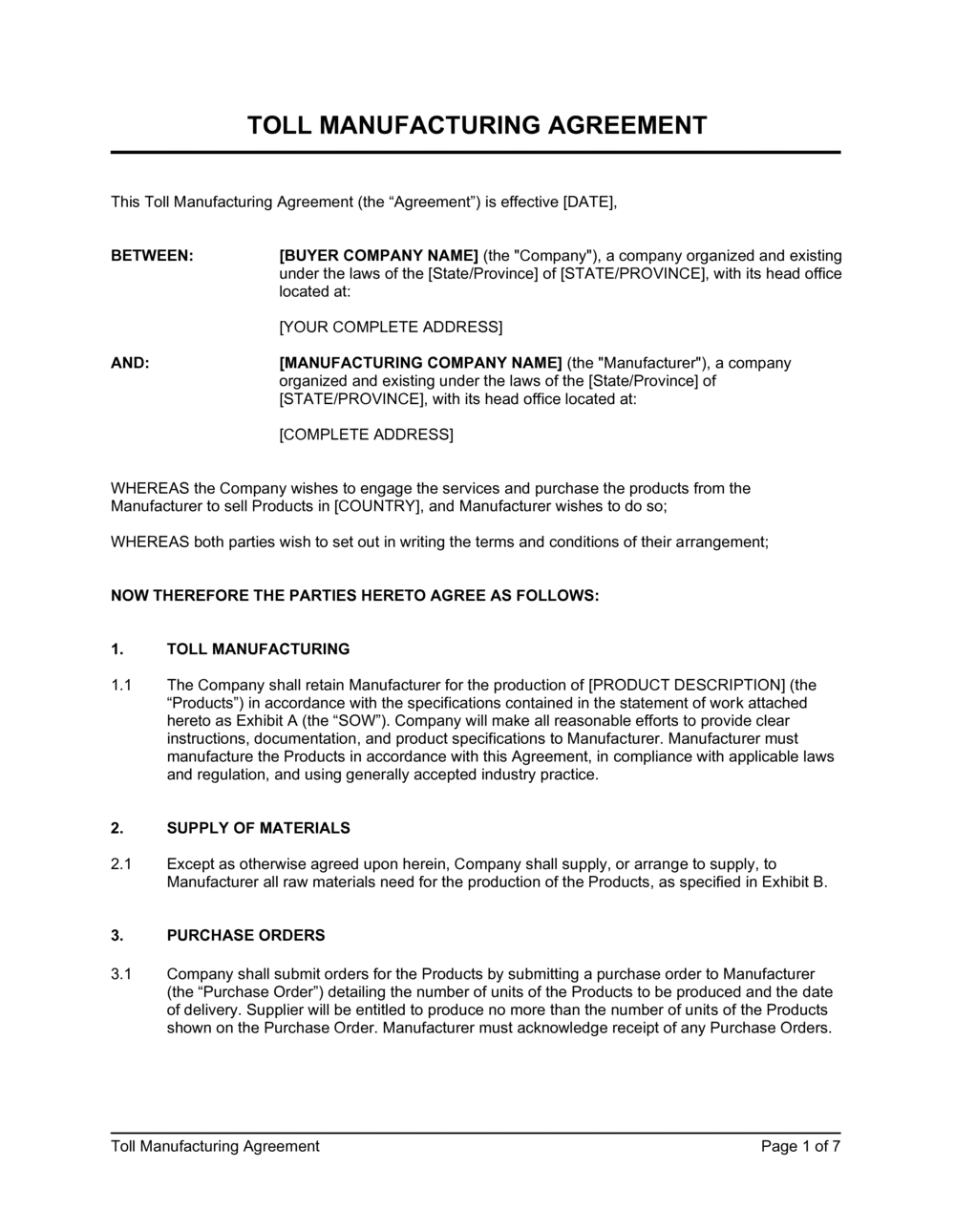
Toll Manufacturing Agreement Template

Free Word download β€’ Edit online β€’ Save & share with Drive β€’ Export to PDF

7 pagesβ€’25–35 min to fillβ€’Difficulty: Complexβ€’Signature requiredβ€’Legal review recommended
Learn more ↓
FreeToll Manufacturing Agreement Template

At a glance

What it is
A Toll Manufacturing Agreement is a legally binding contract between a material owner (the principal) and a toll manufacturer (the processor) under which the processor uses its equipment and labor to convert the principal's raw materials or components into finished or semi-finished goods for a processing fee. Ownership of the materials and finished product remains with the principal throughout. This free Word download gives you a structured, attorney-informed starting point you can edit online and export as PDF to share with processing partners.
When you need it
Use it when you supply raw materials to a third-party facility for processing, blending, filling, or assembly and need to formalize ownership of materials, quality standards, liability allocation, and IP protection before production begins.
What's inside
Parties and recitals, scope of services and specifications, material supply and title retention, processing fees and payment terms, quality control and inspection rights, intellectual property assignment, confidentiality, liability and indemnification, term and termination, and governing law.

What is a Toll Manufacturing Agreement?

A Toll Manufacturing Agreement is a legally binding contract between a material owner β€” the principal β€” and a third-party processor β€” the toll manufacturer β€” under which the processor uses its equipment, facility, and labor to convert the principal's supplied raw materials or components into finished or semi-finished goods for a processing fee. The defining feature of toll manufacturing is that the principal retains title to all inputs and outputs throughout the process: the processor never owns the materials and is compensated only for the conversion work it performs. These agreements are standard in chemical, pharmaceutical, food and beverage, and consumer packaged goods industries, where proprietary formulations, supply chain control, and regulatory chain-of-custody requirements make ownership-based outsourcing structures essential.

Why You Need This Document

Without a written toll manufacturing agreement, your exposure on four fronts is immediate and concrete. First, your proprietary formulations and process data are unprotected β€” a processor with no confidentiality obligation can use what it learns to produce similar products for your competitors the day your relationship ends. Second, title to your materials on the processor's premises is legally ambiguous, meaning a processor insolvency can result in your inventory being claimed by their creditors. Third, there is no enforceable standard for yield loss, quality control, or batch acceptance β€” disputes over rejected product become credibility contests with no contractual basis for reimbursement. Fourth, termination without a transition clause leaves you with no right to retrieve in-process inventory or compel an orderly handover to a new processor. A properly executed toll manufacturing agreement, signed before the first shipment leaves your facility, closes all four gaps and gives both parties a clear, shared understanding of every material obligation in the relationship.

Which variant fits your situation?

If your situation is…Use this template
Outsourcing both materials and manufacturing to a third partyContract Manufacturing Agreement
Engaging a supplier to produce finished goods to your specificationSupply Agreement
Sharing sensitive formulations before negotiating the main contractNon-Disclosure Agreement
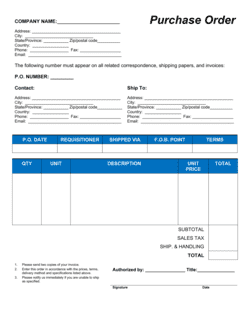
Processing arrangement limited to a single production run or pilot batchPurchase Order
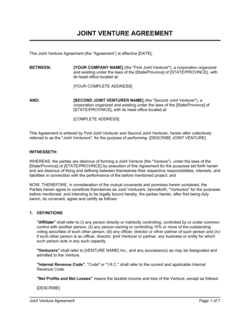
Co-manufacturing where both parties contribute materials and equipmentJoint Venture Agreement
Licensing proprietary process technology to the toll manufacturerTechnology License Agreement
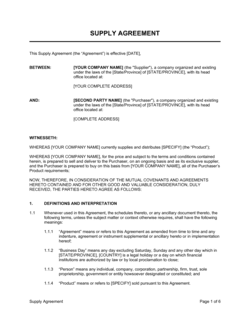
Ongoing product supply with volume commitments and pricing tiersLong-Term Supply Agreement

Common mistakes to avoid

❌ No yield-loss cap or accountability formula

Why it matters: Without a capped threshold and a reimbursement formula, the principal absorbs all material shrinkage regardless of the processor's negligence, which can make toll manufacturing economically unviable at scale.

Fix: Research industry-standard yield-loss rates for your product category, negotiate a specific percentage cap, and document the unit cost used to calculate reimbursements in the agreement.

❌ Failing to perfect a security interest in materials on-site

Why it matters: If the toll manufacturer becomes insolvent, unsecured materials on their premises can be claimed by the processor's creditors β€” a UCC financing statement or equivalent filing gives the principal priority.

Fix: File a UCC-1 financing statement in the processor's jurisdiction naming the materials as collateral before the first shipment, and review it annually to confirm it remains active.

❌ Confidentiality term that expires at contract end

Why it matters: Formulation trade secrets and proprietary processes remain commercially valuable long after the processing relationship ends β€” a clause that expires on termination provides no protection against a processor that later serves your competitors.

Fix: Include an explicit survival clause extending confidentiality obligations for at least 5 years post-termination, or indefinitely for information that qualifies as a trade secret.

❌ Embedding specifications in the contract body

Why it matters: Product specifications change with reformulations, regulatory updates, or market feedback β€” specifications locked in the body require a formal contract amendment every time they change, creating operational delays.

Fix: Move all specifications, formulas, and testing standards to a numbered and versioned Schedule A that can be updated by written agreement of both parties' technical representatives without a full contract amendment.

❌ No transition or wind-down obligations on termination

Why it matters: A processor that terminates abruptly has no obligation to return in-process inventory, share batch records, or assist with qualification of a replacement processor unless the contract requires it.

Fix: Add a transition clause requiring the processor to return all materials and finished goods within 15 business days, transfer batch records and CoAs for the preceding 24 months, and cooperate with qualification of a new processor for up to 90 days post-termination.

❌ Insurance requirement without additional insured status

Why it matters: If the processor's product liability insurer pays a claim for a defective batch, the payout goes to the processor β€” the principal recovers only through indemnification, which may be contested or underfunded.

Fix: Require the processor to name the principal as an additional insured on its product liability and commercial general liability policies, and request annual certificates of insurance confirming coverage.

The 10 key clauses, explained

Parties, recitals, and definitions

In plain language: Identifies both parties by their full legal entity names, sets out the commercial context for the arrangement, and defines key terms used throughout the agreement.

Sample language
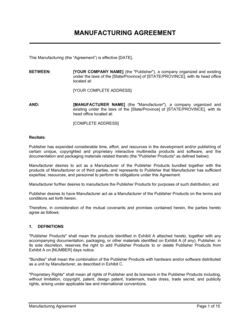
This Toll Manufacturing Agreement ('Agreement') is entered into as of [DATE] between [PRINCIPAL LEGAL NAME], a [STATE/COUNTRY] [ENTITY TYPE] ('Principal'), and [TOLL MANUFACTURER LEGAL NAME], a [STATE/COUNTRY] [ENTITY TYPE] ('Processor').

Common mistake: Using trade names or abbreviations instead of registered legal entity names β€” this creates ambiguity about which entity is bound and can complicate enforcement.

Scope of services and specifications

In plain language: Describes exactly what processing operations the toll manufacturer will perform and references the technical specifications, formulas, or drawings the finished goods must meet.

Sample language
Processor shall perform the following services on Principal's Materials in accordance with the Specifications set out in Schedule A: [DESCRIPTION OF PROCESSING STEPS]. Processor shall not deviate from the Specifications without prior written approval from Principal.

Common mistake: Embedding detailed specifications in the main contract body rather than a Schedule A, making future updates to specs require a formal contract amendment.

Material supply, title, and risk of loss

In plain language: Confirms that the principal retains title to all raw materials and finished goods at all times, and allocates risk of loss or damage while materials are on the processor's premises.

Sample language
Title to all Materials and Finished Goods shall remain with Principal at all times. Risk of loss for Materials in Processor's possession shall be borne by Processor from the date of receipt until delivery to Principal or its designee, except for losses caused by Principal's acts or omissions.

Common mistake: Leaving risk of loss unallocated β€” processors default to storing materials at the owner's risk under general bailment principles, which disadvantages the principal.

Processing fees and payment terms

In plain language: States the per-unit or per-batch processing fee, the invoicing schedule, payment due date, and any adjustment mechanism for energy or labor cost changes.

Sample language
Principal shall pay Processor a processing fee of $[AMOUNT] per [UNIT / BATCH] as set out in Schedule B. Invoices are due Net [30] days from the invoice date. Fees may be adjusted annually by no more than [X]% based on the change in [CPI / PPI / ENERGY INDEX].

Common mistake: No fee adjustment mechanism β€” without one, the toll manufacturer bears all input cost inflation risk, which often triggers mid-term renegotiation or non-performance.

Yield loss and material accountability

In plain language: Sets the maximum allowable yield loss as a percentage of input materials and requires the processor to compensate the principal for losses exceeding the agreed threshold.

Sample language
Processor warrants that yield loss shall not exceed [X]% per batch. Yield loss in excess of the threshold shall be reimbursed by Processor at Principal's material cost of $[AMOUNT] per [UNIT], as documented in the batch record.

Common mistake: No yield-loss cap at all, leaving the principal absorbing unlimited material shrinkage without recourse against the processor.

Quality control and inspection rights

In plain language: Requires the processor to perform specified quality tests and issue a Certificate of Analysis for each batch, and grants the principal the right to inspect the facility and review batch records.

Sample language
Processor shall test each batch against the Specifications and provide a Certificate of Analysis before shipment. Principal shall have the right, on [X] business days' written notice, to inspect Processor's facility, equipment, and batch records during normal business hours.

Common mistake: Relying on certificates of analysis alone without audit rights β€” deficiencies in the processor's testing regime only become visible when product failures reach the market.

Intellectual property ownership and license

In plain language: Confirms that all IP embodied in the principal's materials, formulations, and specifications remains the principal's property, and grants the processor only a limited license to use it for performing the services.

Sample language
All Intellectual Property embodied in the Materials, Specifications, and Finished Goods is and shall remain the sole property of Principal. Principal grants Processor a limited, non-exclusive, non-transferable license to use such Intellectual Property solely for the purpose of performing the Services under this Agreement.

Common mistake: No IP clause at all, allowing the processor to argue that process improvements or derivative formulations it develops during toll manufacturing belong to the processor.

Confidentiality

In plain language: Prohibits the processor from disclosing or using the principal's proprietary formulations, processes, customer information, and commercial terms for any purpose other than performing the services.

Sample language
Processor shall hold all Confidential Information of Principal in strict confidence, shall not disclose it to any third party, and shall use it solely to perform the Services. This obligation survives termination of the Agreement for a period of [5] years.

Common mistake: A confidentiality term that expires at contract end β€” formulation trade secrets require survival language because the competitive value persists long after the processing relationship ends.

Liability, indemnification, and insurance

In plain language: Allocates liability for product defects, contamination, and property damage, requires each party to indemnify the other for losses arising from their own fault, and sets minimum insurance coverage levels.

Sample language
Each party shall indemnify, defend, and hold harmless the other from claims arising from its own negligence or breach. Processor shall maintain commercial general liability insurance of not less than $[AMOUNT] per occurrence and product liability insurance of not less than $[AMOUNT] per occurrence, naming Principal as an additional insured.

Common mistake: Requiring insurance coverage without specifying that the principal must be named as an additional insured β€” a claim against the processor alone may leave the principal unprotected.

Term, termination, and transition

In plain language: Sets the initial contract term, renewal mechanism, termination-for-cause and termination-for-convenience rights, and obligations to return or destroy materials and records on exit.

Sample language
This Agreement shall commence on [DATE] and continue for an initial term of [X] years, renewing automatically for successive [1]-year terms unless either party gives [90] days' written notice. Either party may terminate for cause on [30] days' written notice if the other party fails to cure a material breach within that period. On termination, Processor shall return all Materials and Finished Goods to Principal within [15] business days.

Common mistake: No transition or wind-down clause β€” without one, a principal whose processor terminates abruptly has no contractual right to retrieve in-process inventory or compel an orderly handover.

How to fill it out

  1. 1

    Enter legal entity names and effective date

    Insert both parties' full registered legal names and the agreement's effective date. Confirm the processor's legal entity name against its corporate registry filing before signing.

    πŸ’‘ Attach a Schedule of Authorized Representatives listing the individuals authorized to approve specification changes and issue purchase orders under the agreement.

  2. 2

    Draft Schedule A: specifications and processing steps

    Document every technical requirement the finished goods must meet β€” formulas, dimensions, tolerances, processing temperatures, and testing methods. Reference this schedule in the scope clause rather than embedding specs in the body.

    πŸ’‘ Version-control your specifications with a date and revision number so disputes over which version governs a given batch are eliminated.

  3. 3

    Set the processing fee and adjustment mechanism

    Enter the per-unit or per-batch fee in Schedule B. Include an annual adjustment cap tied to an objective index β€” PPI, CPI, or a commodity index relevant to your product β€” to prevent mid-term renegotiation.

    πŸ’‘ Negotiate a volume-tier pricing structure if you expect significant volume growth β€” lower per-unit fees at defined thresholds incentivize both parties to scale.

  4. 4

    Define the yield-loss threshold and accountability process

    Agree on an acceptable yield-loss percentage based on historical batch data or industry norms for your product category. Specify the unit cost used to value excess losses and how reconciliation is documented.

    πŸ’‘ Request three months of historical yield data from the processor before setting the threshold β€” agreeing to an unachievable standard creates immediate conflict.

  5. 5

    Confirm title retention and risk-of-loss allocation

    Ensure the title clause explicitly states that ownership of all materials and finished goods remains with the principal from delivery to the processor through return or shipment to the principal's designee.

    πŸ’‘ File a UCC financing statement (or equivalent under applicable law) against the processor to publicly perfect your security interest in materials on their premises β€” this protects you if the processor becomes insolvent.

  6. 6

    Specify quality control obligations and audit rights

    List the tests the processor must run on each batch, the CoA format and timing, and the principal's right to conduct unannounced audits at least once per year.

    πŸ’‘ Include a right to be present during production runs for new products or after any non-conformance event β€” observational access often surfaces process issues before they become systemic.

  7. 7

    Tailor the IP and confidentiality clauses to your formulations

    Confirm that the IP clause covers not only existing formulations but also any improvements or modifications developed during the term. Set the confidentiality survival period to at least 5 years post-termination.

    πŸ’‘ If your product formulation qualifies as a trade secret, attach a separate trade-secret acknowledgment for the processor's key employees who will access it.

  8. 8

    Sign before the first production run begins

    Both parties must execute the agreement β€” including all schedules β€” before any materials are shipped to the processor's facility. Post-delivery signing leaves title, liability, and IP unprotected for the initial period.

    πŸ’‘ Use a digital signature platform to timestamp execution and store the countersigned agreement with all schedules in a single archive.

Frequently asked questions

What is a toll manufacturing agreement?

A toll manufacturing agreement is a contract between a material owner (the principal) and a third-party processor (the toll manufacturer) under which the processor converts the principal's supplied raw materials into finished or semi-finished goods for a processing fee. The principal retains ownership of the materials and finished product throughout β€” the toll manufacturer contributes only equipment, labor, and expertise. The agreement governs processing fees, specifications, quality standards, IP ownership, confidentiality, and liability allocation.

What is the difference between toll manufacturing and contract manufacturing?

In toll manufacturing, the principal supplies the raw materials and retains title to all inputs and outputs β€” the processor is paid only for converting them. In contract manufacturing, the manufacturer typically sources materials itself, owns the inputs, and sells the finished goods to the buyer. Toll manufacturing is preferred when the principal's materials or formulations are proprietary, when supply chain control is critical, or when the principal wants to prevent the manufacturer from selling to competitors.

Who typically uses toll manufacturing agreements?

Chemical, pharmaceutical, food and beverage, and consumer goods companies most commonly use toll manufacturing agreements. They are standard in industries where the product formula is proprietary, where specialized processing equipment is capital-intensive, or where regulatory compliance requires documented chain-of-custody for materials. Private label brand owners and startups with validated formulations but no production capacity also rely on them heavily.

Does a toll manufacturing agreement protect my formulation or trade secret?

Yes, if it includes a well-drafted confidentiality clause with a survival period extending beyond termination, an explicit IP ownership clause confirming the principal retains all rights to formulations and specifications, and a prohibition on the processor using the principal's information to produce similar products for competitors. Without these provisions, general law may not adequately protect proprietary formulations disclosed during a processing relationship.

Who owns the finished goods in a toll manufacturing arrangement?

The principal owns the finished goods at all times β€” that is the defining characteristic of toll manufacturing. The agreement should contain an explicit title retention clause confirming this, and the principal should consider filing a UCC financing statement or equivalent security filing to protect ownership of materials held at the processor's facility in the event of the processor's insolvency.

What happens to in-process inventory if the toll manufacturer becomes insolvent?

Without a perfected security interest, the principal's materials on the processor's premises may be treated as part of the insolvent estate and claimed by the processor's creditors. To protect against this, principals should file a UCC-1 financing statement before the first shipment, ensure materials are physically segregated and clearly labeled as the principal's property, and include a clause requiring the processor to maintain records distinguishing the principal's materials from the processor's own inventory.

What is a reasonable yield-loss threshold in a toll manufacturing agreement?

Yield-loss thresholds vary significantly by product category and process type. In food processing, yield loss of 2–5% is common for blending and filling operations. Chemical and pharmaceutical processing tolerances are typically tighter β€” 0.5–2% β€” due to the value and regulatory sensitivity of the materials. Request historical batch data from the processor before agreeing to a threshold, and build the reimbursement formula using your documented material cost per unit.

How long should a toll manufacturing agreement last?

Initial terms of 1–3 years with automatic annual renewal are standard for established processing relationships. Shorter initial terms of 6–12 months are appropriate for pilot or validation arrangements. Always include a termination-for-convenience right with 90–180 days' notice so neither party is locked in indefinitely, and pair it with a transition clause requiring the processor to support an orderly wind-down and handover of materials and records.

How this compares to alternatives

vs Contract Manufacturing Agreement

In a contract manufacturing agreement, the manufacturer sources and owns the raw materials and sells finished goods to the buyer β€” ownership transfers at sale. In a toll manufacturing agreement, the principal supplies the materials and retains title throughout. Toll manufacturing is the right structure when protecting a proprietary formulation or supply chain control is the primary concern.

vs Supply Agreement

A supply agreement governs recurring purchases of finished goods from a supplier who independently manufactures them. The buyer has no role in supplying materials or directing the production process. A toll manufacturing agreement is used when the buyer controls the formulation and supplies the inputs β€” a materially different relationship with different IP and title implications.

vs Non-Disclosure Agreement

An NDA protects confidential information shared during pre-contract discussions or evaluation. A toll manufacturing agreement contains its own confidentiality clause but also governs the full operational relationship β€” fees, quality, liability, and IP. An NDA is typically signed first to protect formulation disclosures during negotiations; it is then superseded or supplemented by the manufacturing agreement.

vs Purchase Order

A purchase order documents a single transaction β€” quantity, price, delivery date, and specifications β€” for a discrete production run. A toll manufacturing agreement is a master contract governing an ongoing processing relationship, including IP, confidentiality, audit rights, and termination obligations that a purchase order cannot address. For any recurring or strategically sensitive processing arrangement, a full agreement is required.

Industry-specific considerations

Pharmaceuticals and Life Sciences

cGMP compliance requirements, FDA or EMA facility qualification, batch record retention obligations, and API chain-of-custody documentation are all standard inclusions specific to this sector.

Food and Beverage

FSMA or GFSI certification requirements, allergen control protocols, co-packer audit rights, and label approval processes require dedicated schedule attachments in food-sector agreements.

Specialty Chemicals

REACH and TSCA compliance, hazardous material handling protocols, environmental liability allocation, and waste disposal obligations are the distinguishing provisions for chemical toll processing agreements.

Consumer Packaged Goods

Private label brand protection, minimum batch quantities, seasonal volume commitments, and retailer compliance pass-through obligations characterize CPG toll manufacturing arrangements.

Jurisdictional notes

United States

Toll manufacturing arrangements are governed by UCC Article 9, which allows the principal to file a UCC-1 financing statement to perfect a security interest in materials held at the processor's facility. Without this filing, materials may be claimed by the processor's secured creditors in bankruptcy. State law governs trade secret protections β€” the Defend Trade Secrets Act (DTSA) provides a federal cause of action for misappropriation, but contractual confidentiality provisions should reference it explicitly.

Canada

Canadian provinces each have Personal Property Security Acts (PPSA) modeled on the UCC β€” a principal should register under the PPSA in the province where the processor is located to protect title to materials. Quebec's civil law regime differs materially; toll manufacturing agreements involving Quebec processors should be reviewed by a Quebec-qualified lawyer to confirm title and security interest treatment. Trade secret protection in Canada is primarily contractual rather than statutory.

United Kingdom

Under English law, toll manufacturing is treated as a bailment for reward, and the bailee (processor) owes a duty of care over the principal's materials. Title retention clauses are generally enforceable without registration, but the principal should ensure materials are clearly identified and segregated on the processor's premises to avoid commingling with the processor's own inventory. Post-Brexit, UK REACH obligations may apply to chemical toll processing arrangements.

European Union

EU member states apply national laws to property rights in materials β€” retention of title clauses may require registration or notarization in some civil law jurisdictions such as Germany and France. GDPR applies if batch records or quality data include personal data. EU REACH regulations impose obligations on the processor as a downstream user of chemical substances, and the agreement should specify which party bears compliance responsibility and associated costs.

Template vs lawyer β€” what fits your deal?

PathBest forCostTime
Use the templateEstablished processors with standard products, low-value materials, and no proprietary formulation concernsFree1–2 hours to complete
Template + legal reviewArrangements involving proprietary formulations, high-value materials, or processors in a different jurisdiction$400–$900 for a 1–3 hour legal review2–5 business days
Custom draftedPharmaceutical or chemical processing with regulatory compliance obligations, multi-jurisdiction arrangements, or material volumes exceeding $1M annually$2,000–$8,000+2–4 weeks

Glossary

Toll Manufacturing
A production arrangement in which a processor converts a principal's supplied materials into finished goods for a fee, without ever taking ownership of the materials.
Principal
The party that owns the raw materials and finished goods throughout the toll manufacturing process β€” sometimes called the material owner or brand owner.
Toll Manufacturer
The third-party processor that provides equipment, labor, and facilities to convert the principal's materials, retaining no ownership over inputs or outputs.
Processing Fee
The per-unit or per-batch charge the toll manufacturer bills the principal for labor, energy, and use of equipment β€” excluding the cost of the principal's raw materials.
Title Retention
A contractual provision confirming that ownership of raw materials and finished goods remains with the principal at all times, even while on the processor's premises.
Specifications
Detailed written requirements β€” including formulas, dimensions, tolerances, and testing standards β€” that the finished goods must meet before the principal accepts them.
Yield Loss
The quantity of raw material consumed, destroyed, or rendered unusable during the manufacturing process, expressed as a percentage of input and typically capped by the agreement.
Bailment
A legal relationship in which one party (the bailee) holds property belonging to another (the bailor) for a specific purpose, with an obligation to return it β€” toll manufacturing is a form of bailment.
Indemnification
A contractual obligation by one party to compensate the other for specified losses, damages, or liabilities arising from defined events such as negligence or breach.
Force Majeure
A clause excusing a party's non-performance when production is prevented by events outside their reasonable control β€” such as natural disasters, strikes, or government restrictions.
Certificate of Analysis (CoA)
A document issued by the toll manufacturer certifying that a specific batch of finished goods meets the agreed specifications, usually accompanied by test results.
Minimum Batch Quantity
The smallest production run the toll manufacturer will accept under the agreement, set to ensure the processing economics are viable for the processor.

Part of your Business Operating System

This document is one of 3,000+ business & legal templates included in Business in a Box.

  • Fill-in-the-blanks β€” ready in minutes
  • 100% customizable Word document
  • Compatible with all office suites
  • Export to PDF and share electronically

Create your document in 3 simple steps.

From template to signed document β€” all inside one Business Operating System.
1
Download or open template

Access over 3,000+ business and legal templates for any business task, project or initiative.

2
Edit and fill in the blanks with AI

Customize your ready-made business document template and save it in the cloud.

3
Save, Share, Send, Sign

Share your files and folders with your team. Create a space of seamless collaboration.

Save time, save money, and create top-quality documents.

β˜…β˜…β˜…β˜…β˜…

"Fantastic value! I'm not sure how I'd do without it. It's worth its weight in gold and paid back for itself many times."

Managing Director Β· Mall Farm
Robert Whalley
Managing Director, Mall Farm Proprietary Limited
β˜…β˜…β˜…β˜…β˜…

"I have been using Business in a Box for years. It has been the most useful source of templates I have encountered. I recommend it to anyone."

Business Owner Β· 4+ years
Dr Michael John Freestone
Business Owner
β˜…β˜…β˜…β˜…β˜…

"It has been a life saver so many times I have lost count. Business in a Box has saved me so much time and as you know, time is money."

Owner Β· Upstate Web
David G. Moore Jr.
Owner, Upstate Web

Run your business with a system β€” not scattered tools

Stop downloading documents. Start operating with clarity. Business in a Box gives you the Business Operating System used by over 250,000 companies worldwide to structure, run, and grow their business.

Start freeΒ Β·Β No credit card required