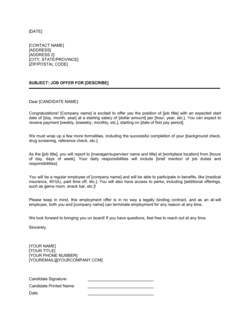
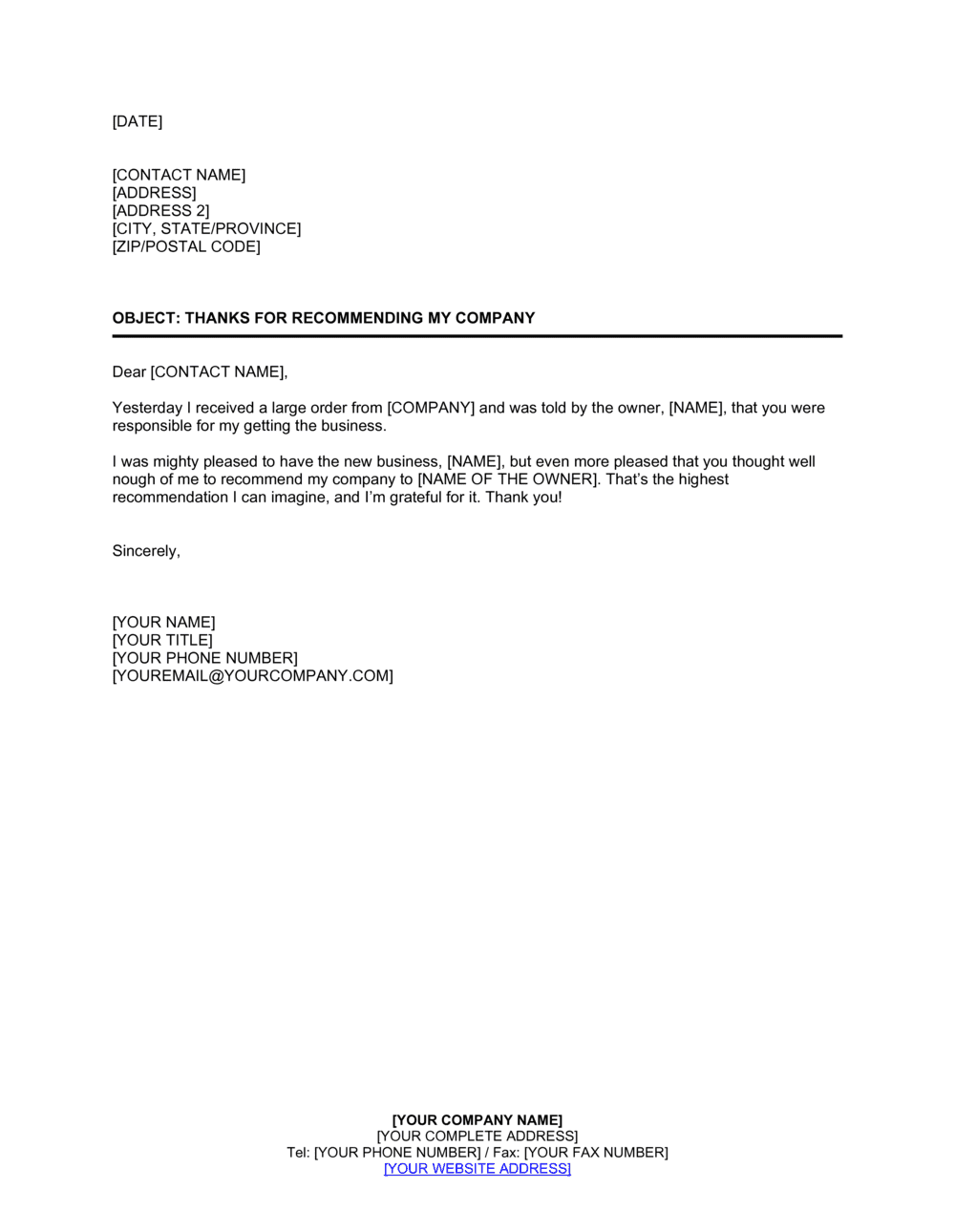
Thanks for Recommending my Company Template

Free Word download β€’ Edit online β€’ Save & share with Drive β€’ Export to PDF

1 pageβ€’20–30 min to fillβ€’Difficulty: Standardβ€’Signature requiredβ€’Legal review recommended
Learn more ↓
FreeThanks for Recommending my Company Template

At a glance

What it is
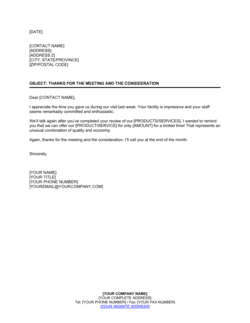
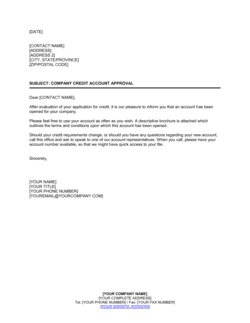
A Thanks For Recommending My Company letter is a formal written acknowledgment sent to an individual or business that referred a new client, customer, or partner. This free Word download lets you edit and personalize the letter online, confirm any agreed referral terms or rewards, and export as PDF β€” creating a documented record of the referral relationship while reinforcing goodwill with your referral source.
When you need it
Send it whenever a client, partner, colleague, or professional contact refers a prospect who engages your business β€” whether or not a formal referral agreement was in place beforehand. It is especially important when a referral fee, commission, or reciprocal arrangement has been agreed upon, since the letter creates a written record of that commitment.
What's inside
Sender and recipient identification, acknowledgment of the specific referral made, confirmation of any referral reward or reciprocal arrangement, confidentiality considerations, and a closing that reinforces the ongoing business relationship.

What is a Thanks For Recommending My Company Letter?

A Thanks For Recommending My Company letter is a formal written acknowledgment issued by a business to the individual or organization that referred a new client, customer, or partner. It goes beyond courtesy: when it includes a referral fee commitment, a reciprocal arrangement, or a confidentiality obligation, it functions as a binding legal document that creates enforceable rights and obligations on both sides. The letter identifies the specific referral made, confirms whether the referred party has converted to a client, documents any agreed reward or compensation, and establishes the terms β€” including confidentiality and governing law β€” under which the referral relationship is acknowledged. A properly executed copy provides a reliable audit trail if a fee dispute arises and demonstrates professional transparency to your referral network.

Why You Need This Document

Without a formal written acknowledgment, even a well-intentioned referral arrangement becomes a source of risk. A verbal promise to pay a referral fee is difficult to enforce and easy to dispute β€” both in terms of whether a fee was agreed and how much it should be. Sending a signed letter that specifies the fee, the triggering event, and the payment timeline removes that ambiguity and protects both parties. In regulated industries including real estate, financial services, and healthcare, an undocumented referral that names a client without consent can breach professional obligations or data-protection law β€” consequences that a brief confidentiality clause in this letter prevents. Beyond legal protection, a prompt and professional thank-you letter signals to your referral sources that you take their introductions seriously, which directly influences whether they refer business to you again. This template gives you a structured, legally sound starting point you can personalize and send in under 20 minutes.

Which variant fits your situation?

If your situation is…Use this template
Thanking a client for an informal referral with no fee arrangementThanks For Recommending My Company (No Fee)
Formalizing an ongoing referral partnership before referrals beginReferral Agreement
Thanking a business partner for co-marketing leadsBusiness Partnership Thank You Letter
Acknowledging a referral from a former employee or colleagueProfessional Referral Acknowledgment Letter
Confirming a referral fee payment alongside the thank-youReferral Fee Agreement
Recognizing a high-volume referral source with a formal rewards summaryReferral Partner Recognition Letter
Thanking a customer for a written testimonial or online reviewThank You For Your Testimonial Letter

Common mistakes to avoid

❌ Leaving the referral fee amount undefined

Why it matters: A letter that promises compensation without specifying the amount, percentage, or calculation method creates no enforceable obligation β€” and can still generate a dispute.

Fix: State the fee as a specific dollar amount or an explicitly defined percentage of a named base figure, with a payment deadline expressed as a number of days from a triggering event.

❌ Obtaining only the sender's signature

Why it matters: A unilaterally signed letter is evidence of the sender's intent but does not create a binding bilateral commitment. The referral source can argue they never agreed to any terms that limit their rights.

Fix: Include a countersignature block and request the referral source's signature before any fee obligation arises or any referral is confirmed in writing.

❌ Confirming conversion before the new client agreement is signed

Why it matters: Confirming that a referral has 'converted' before a service contract is executed with the new client may trigger premature fee obligations and can also breach confidentiality if the prospect later decides not to proceed.

Fix: Include language tying the confirmation of conversion β€” and any resulting fee obligation β€” explicitly to the execution of a written engagement agreement with the referred party.

❌ Omitting confidentiality language in regulated industries

Why it matters: In financial services, legal, healthcare, and real estate, naming a client or prospect in any written communication to a third party without consent may breach professional obligations, data-protection law, or both.

Fix: Add a confidentiality clause covering the referred party's identity and the terms of the referral arrangement, and obtain the new client's written consent before naming them in any external letter.

❌ Using vague reciprocal-referral language

Why it matters: Promising to 'refer suitable clients whenever possible' without conditions creates an ongoing contractual obligation that may be impossible to fulfill consistently β€” and one a referral partner can attempt to enforce.

Fix: Qualify reciprocal commitments with clear conditions: 'where a genuine fit exists,' 'subject to client consent,' and 'at [COMPANY NAME]'s sole reasonable discretion.'

❌ Sending the letter without a governing law clause

Why it matters: Once a letter contains a fee commitment, it functions as a contract. Without a governing law clause, a fee dispute forces a court to determine applicable jurisdiction β€” adding cost and unpredictability to an otherwise simple matter.

Fix: Add a one-sentence governing law clause naming the state, province, or country whose laws apply, and confirm that the chosen jurisdiction does not impose industry-specific restrictions on referral fees.

The 10 key clauses, explained

Parties and date

In plain language: Identifies the sender (your business) and the recipient (the referral source) by full legal name, along with the date the letter is issued.

Sample language
This letter is issued on [DATE] by [YOUR COMPANY LEGAL NAME], a [STATE/PROVINCE] [ENTITY TYPE] ('Company'), to [REFERRAL SOURCE FULL NAME / BUSINESS NAME] ('Referral Partner').

Common mistake: Using a trading name instead of the registered legal entity name. If a referral fee dispute arises, the letter must identify the correct legal obligor.

Acknowledgment of the referral

In plain language: States clearly who was referred, when the referral was made, and in what context β€” creating an unambiguous written record of the specific referral being acknowledged.

Sample language
We write to sincerely thank you for referring [REFERRED PARTY NAME] to [COMPANY NAME] on or around [REFERRAL DATE] in connection with [DESCRIPTION OF SERVICES / PRODUCTS].

Common mistake: Describing the referred party in vague terms such as 'your recent client introduction.' If the referral fee is later disputed, the letter must identify the specific prospect without ambiguity.

Outcome of the referral

In plain language: Confirms whether the referred prospect has converted to a client or customer and, if so, the date or nature of the engagement.

Sample language
We are pleased to confirm that [REFERRED PARTY NAME] has engaged [COMPANY NAME] for [DESCRIPTION OF ENGAGEMENT] commencing [DATE].

Common mistake: Confirming conversion in writing before a service agreement with the new client is signed. Doing so can create premature referral-fee obligations or breach prospect confidentiality.

Referral reward or fee terms

In plain language: Sets out any agreed compensation for the referral β€” whether a fixed fee, percentage of the engagement value, reciprocal referral commitment, or non-monetary reward β€” and the timing of payment.

Sample language
In accordance with our arrangement, [COMPANY NAME] will pay you a referral fee of [AMOUNT / X% of first invoice value], due within [30] days of receipt of first payment from [REFERRED PARTY NAME].

Common mistake: Leaving the fee amount or calculation method undefined. A letter that says only 'we will compensate you appropriately' is unenforceable because no certain obligation exists.

Confidentiality of referred party information

In plain language: Confirms that both parties will keep the identity of the referred prospect and the terms of any referral arrangement confidential from third parties.

Sample language
Both parties agree to keep confidential the identity of [REFERRED PARTY NAME] and the terms of this referral arrangement and not to disclose such information to any third party without prior written consent.

Common mistake: Omitting confidentiality language entirely. In regulated industries such as financial services, healthcare, and legal services, disclosing a client referral to third parties without consent may breach professional obligations or data-protection law.

No exclusivity or solicitation restriction

In plain language: Clarifies that the acknowledgment does not create an exclusive referral arrangement and that neither party is restricted from referring business to others unless separately agreed.

Sample language
Nothing in this letter creates an exclusive arrangement. Each party remains free to refer business to and accept referrals from third parties, unless otherwise agreed in a separate written agreement.

Common mistake: Assuming this clause is unnecessary for an informal referral. Without it, a referral partner may later claim an implied exclusivity based on the pattern of referrals β€” especially in jurisdictions that recognize implied contracts.

Reciprocal referral commitment (optional)

In plain language: If you have agreed to refer business back to the referral source, this clause documents that commitment and any conditions attached to it.

Sample language
In recognition of your referral, [COMPANY NAME] commits to actively introduce [REFERRAL PARTNER NAME] to relevant contacts within its network where appropriate and with client consent.

Common mistake: Making an open-ended reciprocal commitment with no conditions. Language like 'we will refer all suitable clients to you' can create an ongoing contractual obligation that is difficult to fulfill consistently.

Governing law

In plain language: Specifies the jurisdiction whose laws govern the interpretation and enforcement of the letter's terms.

Sample language
This letter and any obligations arising from it are governed by the laws of [STATE / PROVINCE / COUNTRY], without regard to its conflict-of-law provisions.

Common mistake: Omitting governing law from what appears to be a casual thank-you letter. If the letter contains a referral fee commitment, it is effectively a contract β€” and the absence of governing law forces a court to determine jurisdiction, often expensively.

Entire agreement and modification

In plain language: States that this letter represents the complete agreement on the referral and that any changes must be made in writing.

Sample language
This letter constitutes the entire understanding between the parties with respect to the referral of [REFERRED PARTY NAME] and supersedes all prior discussions. Any modification must be agreed in writing by both parties.

Common mistake: Relying on prior email threads or verbal conversations to define referral terms. Without an integration clause, those communications can be introduced as contractual terms that override the letter.

Signature block

In plain language: Provides signature lines for both the sender and recipient, confirming that both parties have reviewed and accepted the terms of the letter.

Sample language
Agreed and acknowledged: [AUTHORIZED SIGNATORY NAME], [TITLE], [COMPANY NAME], Date: _____ | [REFERRAL PARTNER NAME / AUTHORIZED SIGNATORY], Date: _____

Common mistake: Treating this as a one-sided letter and obtaining only the sender's signature. If the letter contains a fee commitment, both parties must sign to create a binding bilateral obligation.

How to fill it out

  1. 1

    Enter the parties' full legal names and the date

    Use your registered business name β€” not your trading or brand name β€” and the referral source's full legal name or registered entity name. Date the letter the day you send it, not the date the referral was made.

    πŸ’‘ Ask the referral source to confirm their preferred legal name before sending β€” individuals may operate under a personal name, a business name, or a corporation.

  2. 2

    Describe the specific referral clearly

    Identify the referred party by name, the approximate date the referral was made, and the nature of the products or services involved. Be specific enough that both parties would identify the same referral without ambiguity.

    πŸ’‘ If you do not have the referred party's written consent to name them in an external letter, use a reference code or initials and keep the full name in an internal record.

  3. 3

    Confirm whether conversion has occurred

    State whether the referred prospect has become a client or customer, and if so, the date of engagement. If conversion has not yet occurred, note that the referral has been received and is under consideration.

    πŸ’‘ Do not confirm conversion until a service agreement or purchase order with the new client is fully executed β€” premature confirmation can trigger fee obligations prematurely.

  4. 4

    Define the referral reward or fee precisely

    Enter the agreed fee amount or percentage, the calculation basis (e.g., first invoice, first year's revenue, fixed flat fee), and the payment timeline. If no fee applies, state clearly that the acknowledgment is non-compensatory.

    πŸ’‘ Express percentages as a decimal applied to a defined base β€” '10% of the first invoice net of VAT' is enforceable; '10%' alone is not, because the base is undefined.

  5. 5

    Include confidentiality and non-solicitation terms if relevant

    If the referred party's identity must be kept confidential β€” for example, in professional services β€” add the confidentiality clause. If you want to prevent the referral source from directly approaching the new client, add a non-solicitation provision.

    πŸ’‘ In healthcare and financial services, client consent to share even the existence of a referral may be required β€” check your professional obligations before naming any party.

  6. 6

    Add governing law and choose the correct jurisdiction

    Select the jurisdiction where your business is registered or where the referral source is located. Ensure the chosen jurisdiction does not impose specific form requirements on referral fee arrangements in your industry.

    πŸ’‘ In the real-estate industry in the US, referral fees between licensed and unlicensed parties are regulated under RESPA β€” confirm compliance before including any fee terms.

  7. 7

    Obtain signatures from both parties

    Send the letter to the referral source for countersignature before any referral fee becomes due. File the fully signed copy in your records alongside any related invoices or agreements.

    πŸ’‘ Use Business in a Box eSign to timestamp both signatures and store the executed copy automatically β€” this creates a reliable audit trail if a fee dispute arises later.

Frequently asked questions

What is a thanks for recommending my company letter?

A thanks for recommending my company letter is a formal written acknowledgment sent to an individual or business that referred a new client or customer to you. It documents the referral, confirms any agreed reward or fee terms, and creates a written record of the relationship. When it includes fee commitments or confidentiality obligations, it functions as a binding legal document rather than a courtesy note.

Is a referral thank-you letter legally binding?

It depends on the content. A purely gratitude-focused letter with no fee commitment or mutual obligations is generally not binding. However, once the letter specifies a referral fee amount, a reciprocal arrangement, or confidentiality obligations β€” and is signed by both parties β€” it typically constitutes a binding contract in most jurisdictions. To be safe, treat any letter containing fee terms as a legal document and have both parties sign it.

Do I need to pay a referral fee if I thanked someone for a referral in writing?

Only if your letter or a prior agreement specifies a fee obligation. A thank-you letter that expresses gratitude without committing to payment does not create a fee obligation on its own. However, if the letter references an agreed fee or confirms terms discussed verbally, courts in many jurisdictions will treat that written confirmation as an enforceable promise. Always clarify whether a fee applies before sending any written acknowledgment.

What is the difference between a referral thank-you letter and a referral agreement?

A referral agreement is a prospective contract signed before referrals begin β€” it establishes fee structures, exclusivity, duration, and reporting obligations for an ongoing referral relationship. A thank-you letter is a retrospective acknowledgment of a specific referral that has already been made. The letter may confirm terms from an existing agreement or create new obligations if fee terms are included. For recurring referral relationships, a formal referral agreement is more appropriate than repeated individual letters.

Can I name the referred client in the thank-you letter?

In most general business contexts, yes β€” but in regulated industries such as financial services, healthcare, and legal services, naming a client in a document shared with a third party may require prior written consent from that client. GDPR in the EU and similar data-protection laws in Canada and the UK impose additional obligations on sharing personal data. When in doubt, use a reference code in the letter and keep the full name in your internal records.

How should I handle referral fees for tax purposes?

Referral fees paid to individuals or businesses are generally deductible as a business expense, but they may also trigger reporting obligations. In the US, payments of $600 or more to a non-employee referral source in a calendar year typically require a Form 1099-NEC. In Canada, payments to arm's-length parties are generally deductible and may require a T4A. Keep the signed letter and corresponding payment records as documentation. Consult a tax professional for your specific situation.

Should I use this letter even if no fee was agreed upon?

Yes β€” even without a fee, a formal thank-you letter creates a positive record of the relationship, demonstrates professionalism, and may encourage future referrals. In that case, make clear in the letter that no monetary compensation is attached and that the acknowledgment is purely one of gratitude. This protects you from any implied obligation and still reinforces the goodwill that drives ongoing referrals.

What happens if a referred prospect does not become a client?

If your referral fee is contingent on conversion β€” as it typically should be β€” then no fee obligation arises. Your letter should specify the triggering event precisely: for example, 'upon execution of a written engagement agreement with the referred party.' If a prospect does not convert, send a brief follow-up note to the referral source acknowledging the introduction and confirming no fee is owed, to keep the relationship clear and intact.

How this compares to alternatives

vs Referral Agreement

A referral agreement is a prospective contract signed before any referrals are exchanged β€” it defines ongoing fee structures, exclusivity, and duration. A thanks for recommending my company letter is a retrospective acknowledgment of a specific referral already made. Use the agreement to govern a recurring referral relationship; use this letter to document and thank for an individual referral.

vs Letter of Recommendation

A letter of recommendation is written by a third party to endorse an individual or organization to a prospective employer, client, or institution. A referral thank-you letter is written by the recipient of the referral to acknowledge and thank the person who made it. The direction of the communication and the legal obligations are entirely different.

vs Thank You For Your Business Letter

A thank-you for your business letter acknowledges an existing client for their ongoing patronage or a completed transaction β€” it does not involve a third-party referral source. A referral thank-you letter is specifically addressed to someone outside the direct client relationship who introduced new business. The referral letter typically includes fee terms and confidentiality obligations that a standard client thank-you does not.

vs Non-Disclosure Agreement

An NDA is a standalone contract preventing disclosure of confidential information, signed before sensitive information is exchanged. A referral thank-you letter may include a confidentiality clause covering the referred party's identity, but it is not a substitute for a full NDA where broader information protection is needed. If the referral relationship involves sharing significant proprietary data, execute a separate NDA alongside the thank-you letter.

Industry-specific considerations

Professional Services

Accountants, consultants, and lawyers frequently exchange referrals, making a documented acknowledgment essential for fee transparency and professional-conduct compliance.

Real Estate

Co-broker and client referrals are common, but RESPA in the US and similar regulations elsewhere impose strict limits on referral fees between licensed and unlicensed parties.

Financial Services

Client referrals between advisors or institutions may trigger regulatory disclosure obligations and require client consent before the referred party's name is shared in any written document.

Healthcare

Patient referrals between practitioners are subject to anti-kickback statutes and HIPAA in the US and equivalent patient-privacy laws in Canada, the UK, and the EU β€” fee arrangements require careful legal review.

Jurisdictional notes

United States

Referral fee arrangements are generally enforceable as contracts under state law once an offer, acceptance, and consideration are established. However, industry-specific federal and state laws significantly restrict referral fees in real estate (RESPA), healthcare (Anti-Kickback Statute), and legal services (state bar rules). Payments of $600 or more to a non-employee in a calendar year typically require a Form 1099-NEC filing.

Canada

Referral fee agreements are generally enforceable across Canadian provinces, but regulated professionals β€” including lawyers, real estate agents, and financial advisors β€” are subject to provincial rules that may restrict or require disclosure of referral arrangements. Quebec's consumer protection legislation imposes additional transparency requirements. Referral payments to arm's-length parties are generally deductible and may require a T4A slip.

United Kingdom

Referral fees in UK personal injury legal matters are banned under the Legal Aid, Sentencing and Punishment of Offenders Act 2012. Financial services referral arrangements must comply with FCA rules requiring disclosure to clients. UK GDPR imposes obligations when a referred party's personal data is shared with a third party β€” explicit consent or a lawful basis is required before naming a client in a referral letter.

European Union

GDPR requires a lawful basis for processing personal data, including the name of a referred individual shared with a third party β€” legitimate interest or explicit consent is typically relied upon. Member states impose varying restrictions on referral fees for regulated professions; France, Germany, and Spain all have sector-specific rules for financial advisors, lawyers, and healthcare providers. Referral fee arrangements should be reviewed against applicable national professional conduct rules.

Template vs lawyer β€” what fits your deal?

PathBest forCostTime
Use the templateSmall businesses and freelancers acknowledging informal referrals with straightforward or no fee termsFree10–20 minutes
Template + legal reviewReferrals involving a defined fee, regulated industries, or cross-border arrangements$150–$400 for a lawyer review1–2 business days
Custom draftedHigh-value referral arrangements, ongoing referral partner programs, or industries with specific regulatory requirements such as real estate, healthcare, or financial services$500–$2,000+3–7 business days

Glossary

Referral Source
The individual or organization that recommends your business to a prospective client, customer, or partner.
Referral Fee
A fixed amount or percentage of revenue paid to a referral source when a referred prospect converts into a paying client.
Referral Agreement
A formal contract establishing the terms under which one party agrees to refer business to another, including fee structures and exclusivity.
Acknowledgment Letter
A written document confirming receipt or awareness of a specific event, action, or obligation β€” creating a record that both parties can rely on.
Consideration
Something of value exchanged between parties that makes a contractual obligation legally binding β€” in a referral context, this may be a fee, reciprocal referral, or other benefit.
Reciprocal Arrangement
An informal or formal understanding between two parties to refer business to each other on a mutual basis.
Confidentiality
An obligation to keep specified information β€” such as the identity of the referred prospect or the terms of a referral fee β€” private from third parties.
Governing Law
The jurisdiction whose laws are applied to interpret and enforce the terms of an agreement or letter.
Referral Partner
A business or individual with whom you have an established or recurring arrangement to exchange client or customer referrals.
Conversion
The point at which a referred prospect becomes an active client or customer, typically triggering a referral fee or reward obligation.
Non-Solicitation
A restriction preventing one party from directly approaching the other party's clients or contacts for a defined period.

Part of your Business Operating System

This document is one of 3,000+ business & legal templates included in Business in a Box.

  • Fill-in-the-blanks β€” ready in minutes
  • 100% customizable Word document
  • Compatible with all office suites
  • Export to PDF and share electronically

Create your document in 3 simple steps.

From template to signed document β€” all inside one Business Operating System.
1
Download or open template

Access over 3,000+ business and legal templates for any business task, project or initiative.

2
Edit and fill in the blanks with AI

Customize your ready-made business document template and save it in the cloud.

3
Save, Share, Send, Sign

Share your files and folders with your team. Create a space of seamless collaboration.

Save time, save money, and create top-quality documents.

β˜…β˜…β˜…β˜…β˜…

"Fantastic value! I'm not sure how I'd do without it. It's worth its weight in gold and paid back for itself many times."

Managing Director Β· Mall Farm
Robert Whalley
Managing Director, Mall Farm Proprietary Limited
β˜…β˜…β˜…β˜…β˜…

"I have been using Business in a Box for years. It has been the most useful source of templates I have encountered. I recommend it to anyone."

Business Owner Β· 4+ years
Dr Michael John Freestone
Business Owner
β˜…β˜…β˜…β˜…β˜…

"It has been a life saver so many times I have lost count. Business in a Box has saved me so much time and as you know, time is money."

Owner Β· Upstate Web
David G. Moore Jr.
Owner, Upstate Web

Run your business with a system β€” not scattered tools

Stop downloading documents. Start operating with clarity. Business in a Box gives you the Business Operating System used by over 250,000 companies worldwide to structure, run, and grow their business.

Start freeΒ Β·Β No credit card required