1
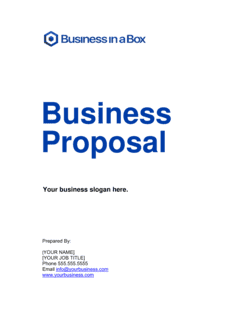
Personalize the cover page
Replace all placeholder text with the client's company name, the engagement title, and today's date. Name the proposal after the specific outcome you are delivering, not a generic document title.
💡 A personalized title — 'Website Redesign Proposal for [CLIENT NAME]' — increases open rates compared to 'Sales Proposal.'
2
Write the client needs section from your discovery notes
Pull the exact language the prospect used during your discovery call — their words, not yours. List two to four specific challenges or goals they stated, and note how they said they would measure success.
💡 Mirroring the client's own phrasing in this section creates an immediate sense of alignment and signals careful listening.
3
Draft the proposed solution tied to each stated need
For each challenge listed in the needs section, write one to two sentences explaining how your solution addresses it specifically. Avoid generic capability statements — tie every feature or service to a client outcome.
💡 If you cannot connect a service to a stated client need, cut it from the proposal. Unrequested add-ons raise the price and reduce clarity.
4
Define the scope of work with explicit exclusions
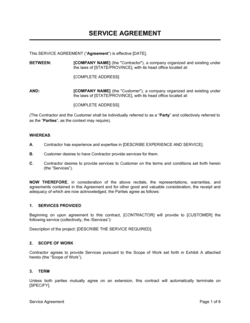
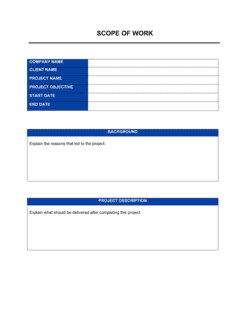
List every deliverable as a bullet with enough detail to prevent ambiguity. Then add a short list of what is explicitly not included. Finally, list what you need from the client — access, content, approvals — and by when.
💡 The exclusions list protects you legally and operationally. Every item you omit here is a potential scope-creep conversation later.
5
Set a realistic timeline with dependency notes
Map the major phases and dates from kickoff to final delivery. Note any milestone that depends on the client providing input — feedback, approvals, or assets — and specify the turnaround window you need.
💡 Add a note that the timeline assumes [X]-business-day client review cycles. This single line prevents most schedule disputes.
6
Build the investment summary around value, not cost
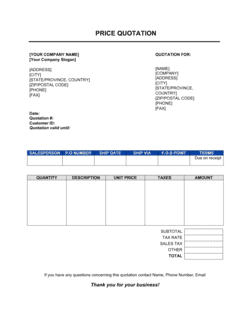
State the total price, break it down by phase or deliverable if applicable, and note the payment schedule. Include a validity date — typically 30 days — and call out any optional add-ons separately.
💡 Placing the investment section after the scope and timeline means prospects see what they are buying before they see the price, reducing sticker shock.
7
Add one specific, quantified proof point in the 'why us' section
Choose a past result that mirrors the prospect's situation — same industry, same problem, or same scale — and quantify the outcome. One precise example beats three general ones.
💡 If you have a testimonial from a client in the same industry, include a single direct quote in this section. Attribution makes it credible.
8
End with a single, specific next step and a deadline
Tell the prospect exactly what action to take — sign the attached agreement, reply to confirm, or click the link to schedule a kickoff — and set a proposal expiry date to create legitimate urgency.
💡 Proposals without a validity date get deferred indefinitely. A 30-day window is standard and rarely causes friction.