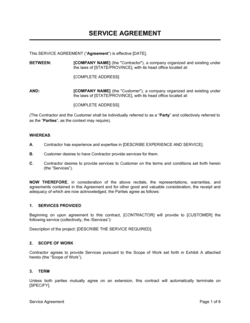
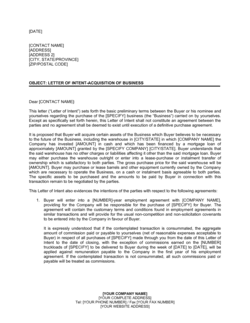
Real Estate Commission Agreement Template

Free Word download • Edit online • Save & share with Drive • Export to PDF

3 pages25–30 min to fillDifficulty: StandardSignature requiredLegal review recommended
Learn more ↓
FreeReal Estate Commission Agreement Template

At a glance

What it is
A Real Estate Commission Agreement is a legally binding contract between a property owner (or buyer) and a real estate agent or broker that defines the terms under which commission is earned, calculated, and paid. This template is a free Word download you can edit online and export as PDF — covering commission rate, triggering events, exclusivity, co-brokerage splits, and dispute resolution in a single enforceable document.
When you need it
Use it before a listing goes live, before a buyer-agent relationship begins, or any time a broker or agent will receive compensation tied to a real estate transaction. It is also required when structuring an internal commission split between a brokerage and its agents.
What's inside
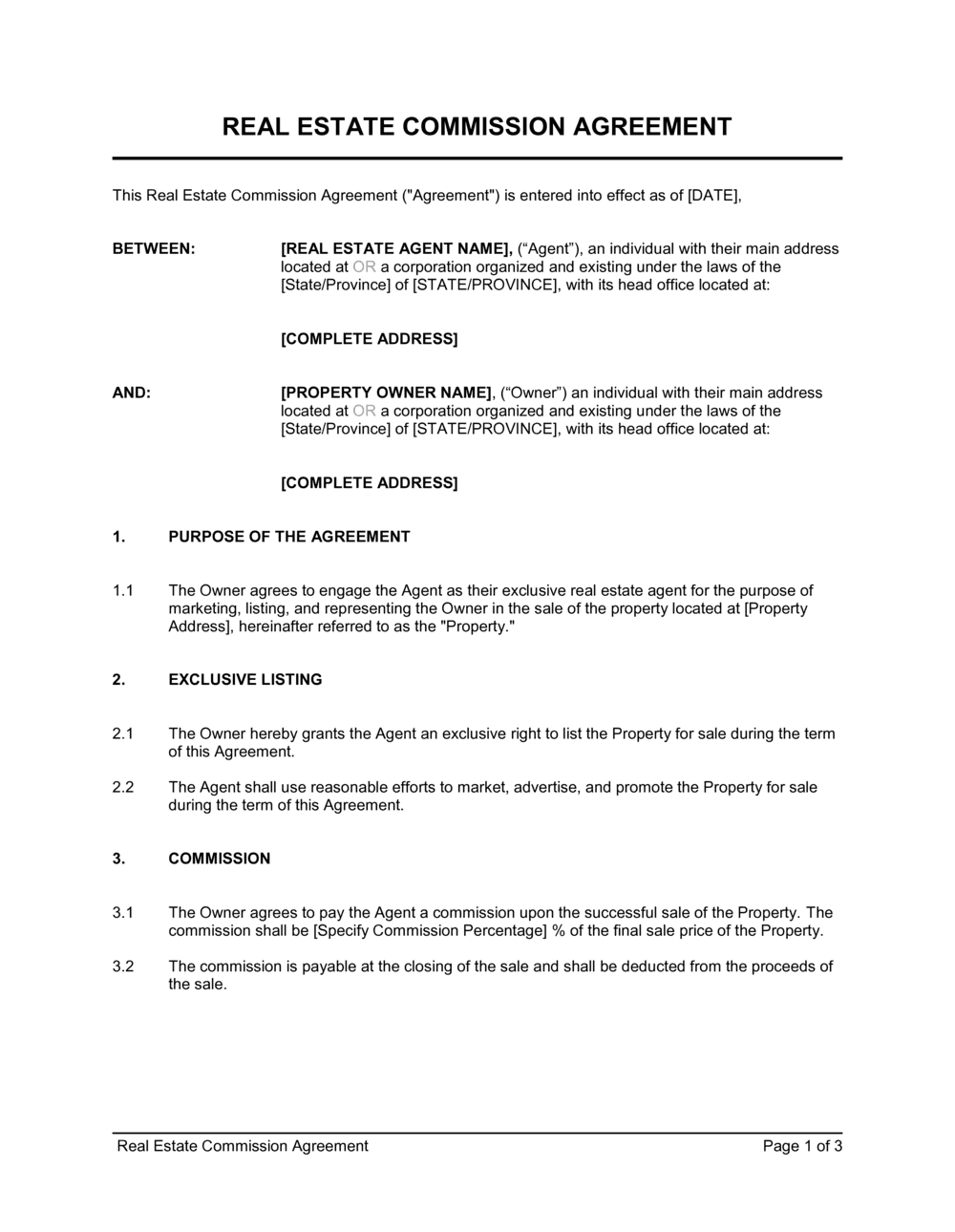
Parties and property description, commission rate and calculation method, triggering events for payment, exclusivity and protected-buyer provisions, co-brokerage and referral split terms, term and termination, dispute resolution, and governing law.

What is a Real Estate Commission Agreement?

A Real Estate Commission Agreement is a legally binding contract between a property owner or buyer (the principal) and a licensed real estate broker or agent that establishes the terms under which commission is earned, calculated, and paid in connection with a real estate transaction. It defines the commission rate and the base to which it applies, identifies the specific event that triggers payment — typically close of escrow — and sets the scope of the broker's authority, including exclusivity, holdover rights, and co-brokerage arrangements. Unlike a general listing agreement, which governs the full scope of the broker-seller relationship, a commission agreement zeroes in on the financial and enforcement mechanics of compensation, making it essential in commercial transactions, co-brokerage deals, and any situation where payment terms need to stand alone as an enforceable document.

Why You Need This Document

Without a written commission agreement, a broker has no enforceable basis to collect payment in the event of a dispute — oral commission agreements are void under the Statute of Frauds in most US states and equivalent legislation in Canada and the UK. The consequences are concrete: a seller who terminates a listing and sells privately to a buyer the broker introduced faces no legal obligation to pay if there is no signed holdover clause; a cooperating buyer's broker who closes a deal on a verbal split has no recourse if the listing broker refuses to share. For sellers, an unsigned or vague agreement creates the opposite problem — undefined triggering events can generate commission liability on deals that never close. A clearly drafted Real Estate Commission Agreement protects agents by documenting their entitlement, protects sellers by capping their exposure, and gives both parties a dispute resolution mechanism that is faster and cheaper than litigation. This template gives you an attorney-reviewed starting point that covers every material term in one document, ready to execute before marketing begins or any buyer is introduced.

Which variant fits your situation?

If your situation is…Use this template
Agent representing the seller in a residential listingListing Agreement (Exclusive Right to Sell)
Agent representing the buyer in a purchase transactionBuyer Representation Agreement
Two brokerages co-operating on a single transactionCo-Brokerage Commission Agreement
Referral fee paid from one agent to another for a client introductionReal Estate Referral Agreement
Commission structure for leasing commercial or residential propertyLeasing Commission Agreement
Brokerage setting internal split terms with a licensed agentAgent Commission Split Agreement
Developer paying flat-fee or tiered commissions on new construction salesNew Development Sales Commission Agreement

Common mistakes to avoid

❌ Using the agent's name instead of the licensed brokerage entity

Why it matters: Commission is legally earned by the licensed brokerage, not the individual agent. An agreement naming only the agent may be unenforceable, leaving the brokerage unable to collect payment through any formal channel.

Fix: Enter the brokerage's full legal registered name and license number as the contracting party. Reference the individual agent's name and license number separately as the authorized representative.

❌ Triggering commission at 'ready, willing, and able buyer' rather than close of escrow

Why it matters: Courts in several US states have enforced commission claims against sellers who terminated deals after a buyer was procured — even when the deal failed for reasons outside the seller's control. The seller owes commission on a transaction that never closed.

Fix: Define the trigger as 'close of escrow' or 'transfer of title.' Add explicit language stating no commission is owed if the transaction fails to close due to buyer default, lender refusal, or title defect, unless the seller is the defaulting party.

❌ No written protected-buyer list after expiration

Why it matters: Without a written list, the holdover clause can technically apply to any buyer the seller meets post-expiration, creating perpetual and unprovable commission exposure that chills the seller's ability to relist with a new broker.

Fix: Require the broker to deliver a written, dated list of Protected Buyers within 10 business days of agreement expiration. Commission liability for holdover buyers is limited to buyers on that list.

❌ Verbal co-brokerage splits with cooperating brokers

Why it matters: Commission splits between brokers are unenforceable when made orally in most jurisdictions. A cooperating buyer's broker who closes a deal on a verbal 2.5% split has no legal basis to compel payment if the listing broker disputes the amount.

Fix: Execute a written co-brokerage agreement or confirm the split in a signed offer acceptance form before the cooperating broker presents the buyer. MLS offer-of-compensation entries do not substitute for a signed agreement in all jurisdictions.

❌ Omitting broker duties and marketing deliverables

Why it matters: A vague 'best efforts' obligation gives a seller no basis to terminate for underperformance, and gives the broker no documented proof they met their obligations if the seller refuses to pay commission.

Fix: List specific, measurable duties: MLS listing within 3 business days, minimum number of showings or open houses per month, timeline for presenting all written offers, and professional photography within 5 days of execution.

❌ No automatic-renewal cap or opt-out notice requirement

Why it matters: An agreement that auto-renews indefinitely can trap a seller in a listing relationship long after they intended to terminate, particularly when the auto-renewal clause is buried in the boilerplate.

Fix: Cap automatic renewals at one 30-day extension and require written notice from either party at least 15 days before expiration to prevent renewal. Print the opt-out deadline on the signature page.

The 10 key clauses, explained

Parties and property description

In plain language: Identifies the seller or buyer (principal) and the agent or brokerage by full legal name, and describes the subject property by address and legal description.

Sample language
This Real Estate Commission Agreement is entered into as of [DATE] between [SELLER/BUYER FULL LEGAL NAME] ('Principal') of [ADDRESS] and [BROKERAGE LEGAL NAME], License No. [LICENSE NUMBER] ('Broker'), with respect to the property located at [PROPERTY ADDRESS], legally described as [LEGAL DESCRIPTION] ('Property').

Common mistake: Using a broker's trade name instead of the licensed brokerage entity's legal name. Commissions are legally earned by the licensed brokerage, not the individual agent, and misidentifying the party can void the payment obligation.

Commission rate and calculation

In plain language: States the commission as a percentage of the final sale price, a flat fee, or a tiered formula, and clarifies the base to which it is applied — gross sale price, net proceeds, or lease value.

Sample language
Principal agrees to pay Broker a commission equal to [X]% of the gross sale price of the Property, or $[FLAT FEE] if the Property sells for less than $[MINIMUM PRICE]. For lease transactions, commission shall equal [X]% of total base rent over the initial lease term.

Common mistake: Leaving the calculation base ambiguous — e.g., not specifying whether commission applies to the gross sale price or net proceeds after seller concessions. Disputes over a $10,000 seller credit on a 3% commission produce a $300 difference that generates disproportionate conflict.

Triggering event for payment

In plain language: Defines precisely when the commission obligation arises — typically at close of escrow, execution of a binding purchase contract, or the procuring-cause standard — and who must pay if the deal falls through after the trigger.

Sample language
Commission shall be earned and payable at the close of escrow or, if the Principal defaults after a binding purchase agreement is executed, commission shall be due and payable within [10] business days of such default.

Common mistake: Defining the trigger as 'when a ready, willing, and able buyer is procured' rather than 'at close of escrow.' Courts in several US states have upheld commission claims on failed deals under the ready-willing-able standard — most sellers do not expect this and it creates significant litigation risk.

Exclusivity and listing type

In plain language: States whether the broker has an exclusive right to sell, exclusive agency, or open listing, and what rights (if any) the seller retains to sell the property independently without owing commission.

Sample language
This Agreement grants Broker an Exclusive Right to Sell the Property during the term. Principal shall owe Broker the full commission regardless of who procures the buyer, including Principal. Principal retains no right to sell independently without commission liability during the term.

Common mistake: Failing to specify the listing type in plain language. A seller who believes they have an exclusive agency arrangement but signed an exclusive-right-to-sell clause discovers the distinction at closing — and disputes the commission.

Term, expiration, and renewal

In plain language: Sets the start and end date of the agreement, addresses automatic renewal provisions, and states how either party can give notice to terminate.

Sample language
This Agreement commences on [START DATE] and expires at 11:59 p.m. on [EXPIRATION DATE] ('Listing Period') unless extended by written mutual agreement. Either party may terminate with [30] days' written notice; however, termination does not relieve Principal of commission obligations on transactions initiated during the term.

Common mistake: Including an automatic-renewal clause without capping the number of renewals or requiring written notice to opt out. An agent can effectively lock a seller into a continuous listing relationship they believe ended months earlier.

Holdover and protected-buyer clause

In plain language: Entitles the broker to commission if the property sells to a buyer who was introduced or shown the property during the listing period, within a defined number of days after expiration.

Sample language
If, within [180] days after the expiration of this Agreement, Principal enters into a binding agreement to sell the Property to any person or entity who was introduced to the Property by Broker during the Listing Period ('Protected Buyer'), Broker shall be entitled to the full commission set forth herein.

Common mistake: Setting the holdover period at 180 days or more without requiring the broker to provide a written list of Protected Buyers within a reasonable time after expiration. Without a written list, the clause can reach anyone the seller meets, creating perpetual commission exposure.

Co-brokerage and referral split

In plain language: Authorizes the listing broker to share the commission with a cooperating buyer's broker, states the split percentage, and confirms whether the split is offered through the MLS or by separate written agreement.

Sample language
Broker is authorized to compensate a cooperating buyer's broker in the amount of [X]% of the gross sale price or [X]% of the total commission earned, as offered through the [MLS NAME] or a separate written co-brokerage agreement. Broker retains [X]% of total commission.

Common mistake: Omitting co-brokerage terms entirely, then verbally agreeing to a split at the time of offer. Verbal commission splits are unenforceable in most jurisdictions — the cooperating broker must have a written agreement to pursue payment.

Dispute resolution and governing law

In plain language: Specifies whether disputes go to mediation, arbitration, or court, the jurisdiction and venue, and which state or country's law governs the agreement.

Sample language
Any dispute arising out of this Agreement shall first be submitted to non-binding mediation administered by [MEDIATION PROVIDER]. If unresolved, disputes shall be submitted to binding arbitration under the rules of [AAA / JAMS] in [CITY, STATE]. This Agreement is governed by the laws of [STATE / PROVINCE].

Common mistake: Choosing arbitration without specifying the administering body or its rules. Courts have refused to enforce arbitration clauses where the chosen forum is undefined, defaulting the dispute to litigation — the more expensive outcome the clause was meant to avoid.

Broker's duties and representations

In plain language: Outlines the specific services the broker is obligated to provide — listing on MLS, marketing activities, open houses, offers presentation — and confirms the broker's license is in good standing.

Sample language
Broker agrees to: (a) list the Property on [MLS NAME] within [3] business days of execution; (b) conduct a minimum of [X] open houses per month; (c) present all written offers to Principal promptly; and (d) maintain an active real estate broker license in [STATE] throughout the term.

Common mistake: Listing duties in vague terms like 'best efforts marketing.' Without specific deliverables, sellers cannot establish a breach when the broker underperforms, and agents cannot demonstrate they fulfilled their obligations in a commission dispute.

Principal's obligations and non-interference

In plain language: States what the seller or buyer must do to support the transaction — providing access, disclosures, and accurate information — and prohibits the principal from circumventing the broker to avoid commission.

Sample language
Principal agrees to: (a) provide Broker reasonable access to the Property upon [24]-hour notice; (b) promptly deliver all required disclosures and title documents; and (c) refer all inquiries from prospective buyers to Broker. Principal shall not negotiate directly with any party introduced by Broker in a manner intended to circumvent Broker's commission entitlement.

Common mistake: Omitting the non-circumvention obligation. Without it, a seller can accept an offer directly from a buyer the broker introduced, then argue the broker was not the procuring cause — triggering an expensive and uncertain dispute.

How to fill it out

  1. 1

    Identify the parties and the property

    Enter the full legal name of the seller or buyer (principal) and the licensed brokerage entity — not the individual agent's name. Include the property's street address and, if available, its legal description from the title report or prior deed.

    💡 Confirm the brokerage's license number in your state real estate commission's online registry before execution — an unlicensed party cannot legally claim commission in any US state.

  2. 2

    Select the listing type and exclusivity level

    Choose exclusive right to sell, exclusive agency, or open listing based on what you have negotiated. Write the listing type explicitly in plain language in the agreement body — do not rely on a checkbox alone.

    💡 For most residential transactions, brokers require exclusive-right-to-sell. If a seller insists on retaining the right to sell independently to a named buyer, add a named-exclusion addendum rather than downgrading to exclusive agency.

  3. 3

    Set the commission rate and calculation base

    Enter the commission percentage or flat fee and specify the base — gross sale price before credits, net proceeds after credits, or total base rent for a lease. Address what happens to the commission if seller concessions reduce the net proceeds.

    💡 State the currency and confirm whether the rate includes or excludes GST, HST, or VAT if the transaction occurs in Canada, the UK, or the EU.

  4. 4

    Define the triggering event clearly

    Choose 'close of escrow' as the triggering event for most residential deals. If you intend to use 'procuring cause' or 'execution of binding purchase contract,' have a real estate attorney review the clause for your jurisdiction before execution.

    💡 Avoid the ready-willing-and-able standard unless you are the broker — it can create commission liability on deals the seller walks away from for legitimate reasons.

  5. 5

    Set the term, holdover period, and protected-buyer list process

    Enter the listing start and end dates. Set a holdover period of 90–180 days. Include a requirement that the broker deliver a written list of Protected Buyers within 10 business days of expiration.

    💡 A shorter holdover period (90 days) is more seller-friendly; brokers typically request 180 days. The protected-buyer list requirement is essential — include it regardless of which period you agree on.

  6. 6

    Address co-brokerage and referral splits

    State whether the listing broker will offer a co-brokerage split through the MLS and the exact percentage. If a referral fee is owed to a third broker who introduced the client, document it here or in a separate referral agreement executed simultaneously.

    💡 In post-NAR-settlement markets (US, 2024 onward), buyer-agent compensation is no longer automatically offered through MLS — confirm your state's current co-brokerage disclosure requirements before completing this section.

  7. 7

    Complete the dispute resolution clause

    Choose mediation-then-arbitration for lower cost, or litigation if your jurisdiction's courts are efficient and the transaction value warrants it. Name the administering body (AAA, JAMS, or your local real estate board's arbitration panel) and specify the city and state for proceedings.

    💡 Many state real estate association standard forms require NAR arbitration — check whether your agreement must conform to association membership rules before substituting a different forum.

  8. 8

    Sign before the listing goes live or buyer engagement begins

    Both the principal and an authorized signatory of the brokerage must sign before any marketing activity begins or any buyers are introduced. Post-listing signatures raise enforceability questions in commission disputes.

    💡 Use timestamped electronic signatures and retain a fully executed copy in your transaction management system — DocuSign or Business in a Box eSign both produce audit trails courts accept as evidence.

Frequently asked questions

What is a real estate commission agreement?

A real estate commission agreement is a legally binding contract between a property owner or buyer (the principal) and a licensed real estate broker that defines when commission is earned, how it is calculated, and when it must be paid. It establishes the broker's right to compensation for procuring a buyer, seller, or tenant and protects both parties by setting clear terms before any marketing or representation begins.

How is real estate commission typically calculated?

Commission is most commonly expressed as a percentage of the gross sale price — historically 5–6% in the US residential market, though this varies significantly by market and transaction type. Commercial leasing commissions are often calculated as a percentage of total base rent over the initial lease term. Flat-fee arrangements are also used, particularly for lower-priced properties or limited-service listings. Always specify the calculation base in writing to avoid disputes.

Is a real estate commission agreement legally required?

In most US states, real estate commission agreements must be in writing and signed by both parties to be enforceable — oral commission agreements are specifically voided by the Statute of Frauds in many jurisdictions. In Canada, provincial real estate legislation typically requires written representation agreements. In the UK and EU, written agency agreements are standard practice and required under most professional regulatory frameworks. Without a signed agreement, a broker's ability to pursue unpaid commission through the courts is severely limited.

What is the difference between an exclusive right to sell and an exclusive agency listing?

An exclusive right to sell entitles the broker to commission regardless of who procures the buyer — including the seller themselves. An exclusive agency listing allows the seller to find their own buyer and sell without owing commission, but any other broker who procures a buyer still triggers commission. Exclusive right to sell is the most common structure for residential listings because it eliminates disputes over who procured the buyer. Most brokers will not accept an exclusive agency arrangement on a standard listing.

What is a holdover clause and how long should it last?

A holdover clause entitles the broker to commission if the property sells to a buyer introduced during the listing period within a set number of days after the agreement expires. It protects brokers from sellers who wait out the listing period to sell privately to a buyer the broker found. Holdover periods typically range from 90 to 180 days. Sellers should insist on a written protected-buyer list delivered within 10 days of expiration to limit their exposure to buyers they can actually identify.

What changed about real estate commissions after the NAR settlement in 2024?

The 2024 NAR settlement eliminated the requirement for sellers to offer buyer-agent compensation through MLS in the United States. Buyer-agent commission is now negotiated separately between buyers and their agents, often documented in a Buyer Representation Agreement. Sellers can still choose to offer buyer-agent compensation as a concession, but it must be disclosed outside the MLS. This change makes written commission agreements — particularly buyer-agent agreements — more important than ever, as verbal arrangements are no longer supported by standard MLS practice.

Can a seller cancel a real estate commission agreement?

Cancellation rights depend on the agreement's terms and the applicable jurisdiction. Most agreements allow either party to terminate with written notice, but termination does not eliminate the seller's commission obligation for transactions initiated during the listing period or involving protected buyers during the holdover period. Some US states grant consumers a 3-day right of rescission on certain types of service agreements. In Canada and the UK, contract law principles apply — termination for convenience may still trigger a claim for quantum meruit (reasonable value of services rendered) if the broker has already performed meaningful work.

Do I need a lawyer to review a real estate commission agreement?

For standard residential listings with a straightforward commission rate and a reputable brokerage, a high-quality template reviewed by an experienced agent is often sufficient. Legal review is recommended when the commission exceeds $50,000, the transaction involves commercial property, the holdover or exclusivity terms are complex, a co-brokerage or referral arrangement is part of the deal, or the property crosses jurisdictions. A real estate attorney typically charges $200–$500 for a commission agreement review.

What happens if a buyer refuses to pay their agent's commission after the NAR settlement?

In a post-settlement market, the buyer's obligation to pay their agent is governed by a signed Buyer Representation Agreement. If the buyer refuses to pay and the seller has not offered to cover buyer-agent compensation as a concession, the broker's recourse is to pursue the buyer under the representation agreement — which is why written buyer-agent commission agreements are now essential before any property is shown. Without a signed agreement, the buyer's broker has no written basis to compel payment from either party.

How this compares to alternatives

vs Listing Agreement

A listing agreement is a comprehensive contract that governs the entire broker-seller relationship — including marketing obligations, seller duties, MLS authorization, and lockbox consent — of which the commission terms are one component. A real estate commission agreement focuses specifically on the financial terms of compensation and is often used as a standalone addendum or in commercial and co-brokerage contexts where a full listing agreement is not applicable.

vs Buyer Representation Agreement

A buyer representation agreement documents the agent-buyer relationship — duties, exclusivity, and how buyer-agent commission will be paid — and is now standard practice in the US post-NAR settlement. A real estate commission agreement is broader and covers seller-side, co-brokerage, referral, and commercial arrangements in addition to buyer-agent compensation.

vs Real Estate Referral Agreement

A referral agreement governs a one-time fee paid by one agent to another for introducing a client who completes a transaction. A commission agreement governs the primary representation relationship and the full compensation structure. Referral fees are a subset of the broader commission ecosystem and require their own standalone written agreement to be enforceable.

vs Independent Contractor Agreement (Agent)

An independent contractor agreement for a real estate agent governs the overall brokerage-agent relationship — duties, expenses, licensing, and termination — while an internal commission split agreement (a variant of the commission agreement) governs how each transaction's commission is divided between the brokerage and the agent. Both documents are typically required when onboarding a new agent.

Industry-specific considerations

Residential real estate

Percentage-of-sale-price commissions, MLS co-brokerage offers, buyer-agent agreements, and holdover clauses are the standard structure for residential listings and purchases.

Commercial real estate

Leasing commissions based on total base rent, tenant-rep agreements, landlord-rep agreements, and co-brokerage splits between listing and tenant brokers are the dominant structures for office, retail, and industrial deals.

Property development

New construction commission agreements typically use tiered or flat-fee structures, volume incentives for agents selling multiple units, and require agents to use developer-approved contracts and disclosure packages.

Property management

Leasing commissions for residential and commercial property management firms are often structured as one month's rent for a new lease and half a month's rent for a renewal, documented in a property management commission addendum.

Jurisdictional notes

United States

Real estate commission agreements must be in writing and signed to be enforceable in virtually every US state under the Statute of Frauds. Commission rates are negotiable — no legal minimum or maximum applies. Following the 2024 NAR settlement, MLS-mandated buyer-agent compensation offers are prohibited; buyer-agent commission must be negotiated separately and documented in a signed buyer representation agreement before any property is shown. Net listings are prohibited in California, Florida, and several other states. Non-resident brokers may need to co-broker with a locally licensed broker to collect commission lawfully.

Canada

Each province regulates real estate through its own legislation — REBBA in Ontario, RESA in British Columbia, and equivalent statutes in other provinces. Written representation agreements are required by law in Ontario and BC before a registrant may offer services. Commission is subject to GST or HST at the applicable provincial rate, and the agreement should specify whether the stated commission is inclusive or exclusive of tax. Quebec agreements must be drafted in French for provincially regulated transactions, or in bilingual form.

United Kingdom

Estate agents in England and Wales are governed by the Estate Agents Act 1979 and the Consumer Protection from Unfair Trading Regulations 2008. Written terms of business including commission rate and payment triggers must be provided before marketing begins. Commission is subject to VAT at 20% and the agreement should state whether the quoted rate is VAT-inclusive. Scotland operates under separate property law, including the mandatory use of Home Reports and a distinct offer process that affects when commission is triggered.

European Union

Real estate agency regulation varies significantly by member state — Germany, France, Spain, and the Netherlands each have distinct licensing requirements, standard commission structures, and disclosure obligations. In Germany, buyer and seller commissions are often split equally and are governed by BGB contract principles. GDPR applies to the personal data collected during the listing and buyer-identification process, requiring a lawful basis for processing. Agreements covering cross-border EU property transactions should specify the governing law of the jurisdiction where the property is located.

Template vs lawyer — what fits your deal?

PathBest forCostTime
Use the templateStandard residential listings, buyer-agent agreements, and internal commission splits with clear percentage termsFree15–30 minutes
Template + legal reviewCommercial transactions, co-brokerage arrangements, commissions above $50,000, or agreements crossing state or provincial lines$200–$5001–3 business days
Custom draftedComplex multi-party commercial deals, developer commission programs for large projects, or disputes requiring a litigation-ready commission structure$800–$3,000+1–2 weeks

Glossary

Commission Rate
The percentage of the property's sale or lease price that is paid to the agent or broker as compensation for services rendered.
Triggering Event
The specific occurrence — typically the close of escrow, signing of a lease, or execution of a purchase agreement — that activates the broker's right to receive commission.
Exclusive Right to Sell
An arrangement giving a single broker the right to earn commission regardless of who procures the buyer, including the seller themselves.
Exclusive Agency
An arrangement where the broker earns commission if any agent procures the buyer, but the seller retains the right to sell independently without owing commission.
Protected Buyer (Carve-Out)
A buyer named in the agreement whose introduction by the broker entitles the broker to commission even if the listing agreement expires before the deal closes.
Co-Brokerage
An arrangement where a listing broker and a buyer's broker share the total commission, typically splitting it 50/50 or per a negotiated percentage.
Procuring Cause
The legal standard used to determine which broker or agent is entitled to commission when multiple parties claim to have initiated the transaction.
Holdover Clause
A provision entitling the broker to commission if the property sells to a buyer introduced during the listing period within a defined number of days after the agreement expires.
Net Listing
A commission structure where the broker retains everything above a minimum net price set by the seller — prohibited in many US states due to conflict-of-interest risk.
MLS (Multiple Listing Service)
A cooperative database used by real estate brokers to share property listings and co-brokerage commission offers within a regional market.
Dual Agency
A situation where a single agent or brokerage represents both the buyer and the seller in the same transaction, creating a conflict of interest that requires written disclosure and consent in most jurisdictions.

Part of your Business Operating System

This document is one of 3,000+ business & legal templates included in Business in a Box.

  • Fill-in-the-blanks — ready in minutes
  • 100% customizable Word document
  • Compatible with all office suites
  • Export to PDF and share electronically

Create your document in 3 simple steps.

From template to signed document — all inside one Business Operating System.
1
Download or open template

Access over 3,000+ business and legal templates for any business task, project or initiative.

2
Edit and fill in the blanks with AI

Customize your ready-made business document template and save it in the cloud.

3
Save, Share, Send, Sign

Share your files and folders with your team. Create a space of seamless collaboration.

Save time, save money, and create top-quality documents.

★★★★★

"Fantastic value! I'm not sure how I'd do without it. It's worth its weight in gold and paid back for itself many times."

Managing Director · Mall Farm
Robert Whalley
Managing Director, Mall Farm Proprietary Limited
★★★★★

"I have been using Business in a Box for years. It has been the most useful source of templates I have encountered. I recommend it to anyone."

Business Owner · 4+ years
Dr Michael John Freestone
Business Owner
★★★★★

"It has been a life saver so many times I have lost count. Business in a Box has saved me so much time and as you know, time is money."

Owner · Upstate Web
David G. Moore Jr.
Owner, Upstate Web

Run your business with a system — not scattered tools

Stop downloading documents. Start operating with clarity. Business in a Box gives you the Business Operating System used by over 250,000 companies worldwide to structure, run, and grow their business.

Start free · No credit card required