1
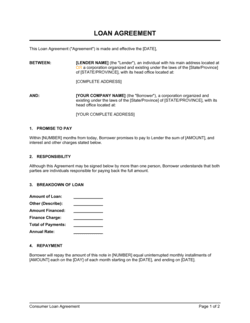
Enter the full legal names and addresses of both parties
Use each party's registered legal entity name — not a trade name or DBA. Include the principal business address and, if applicable, the name of the authorized signatory for each party.
💡 Verify the debtor's legal entity name against a corporate registry record before signing — misstated names create enforcement gaps.
2
Document the origin and total amount of the debt
In the recitals or acknowledgment clause, describe the source of the obligation — an unpaid invoice number, a loan made on a specific date, or a line of credit — and state the exact outstanding balance as of the agreement date, including any previously accrued interest or fees.
💡 Attach the original invoice or statement as Schedule A so there is no dispute about what the balance covers.
3
Set the monthly payment amount and due date
Calculate a payment amount that retires the balance within an agreed number of months. State the specific calendar day payments are due each month, the date of the first payment, and the total number of installments.
💡 Choose a due date that aligns with the debtor's payment cycle — for example, the 5th of each month if the debtor receives customer payments at month-end.
4
Specify the interest rate or confirm zero interest
If interest will accrue, state the annual rate, the calculation method (simple or declining balance), and whether interest continues to accrue after a default. If no interest applies, include an explicit statement to that effect.
💡 In many jurisdictions, statutory interest rates cap what a creditor can charge on overdue commercial debt — confirm the applicable limit before entering a rate.
5
Define default, cure period, and acceleration
Specify how many days after a missed due date constitute a default, whether the debtor has a cure period (typically 5–10 business days) to make good before acceleration triggers, and what happens to accrued fees upon acceleration.
💡 A cure period of 5 business days is standard and significantly increases the likelihood that an acceleration clause will be upheld by a court.
6
Include the final payoff and satisfaction clause
State the creditor's obligation to deliver a written payoff confirmation within a specified number of business days after the final payment clears. Specify the form — a signed letter or release — and who retains a copy.
💡 A written satisfaction letter protects the debtor's credit record and prevents the same debt from being sold to a third-party collector after settlement.
7
Select the governing law and dispute resolution method
Choose the jurisdiction where both parties operate or where the debt originated. Decide between litigation and binding arbitration, and include a prevailing-party attorney's fees clause if the jurisdiction permits it.
💡 Arbitration is faster and cheaper for debts under $50,000; litigation gives the creditor stronger collection tools — garnishment and judgment liens — for larger amounts.
8
Execute before the first payment is due
Both parties must sign and date the agreement before the first monthly installment is made. Payments made before signing may be characterized as voluntary payments rather than installments under a binding plan.
💡 Use dated electronic signatures with a timestamped audit trail if parties are signing remotely — this eliminates disputes about execution sequence.