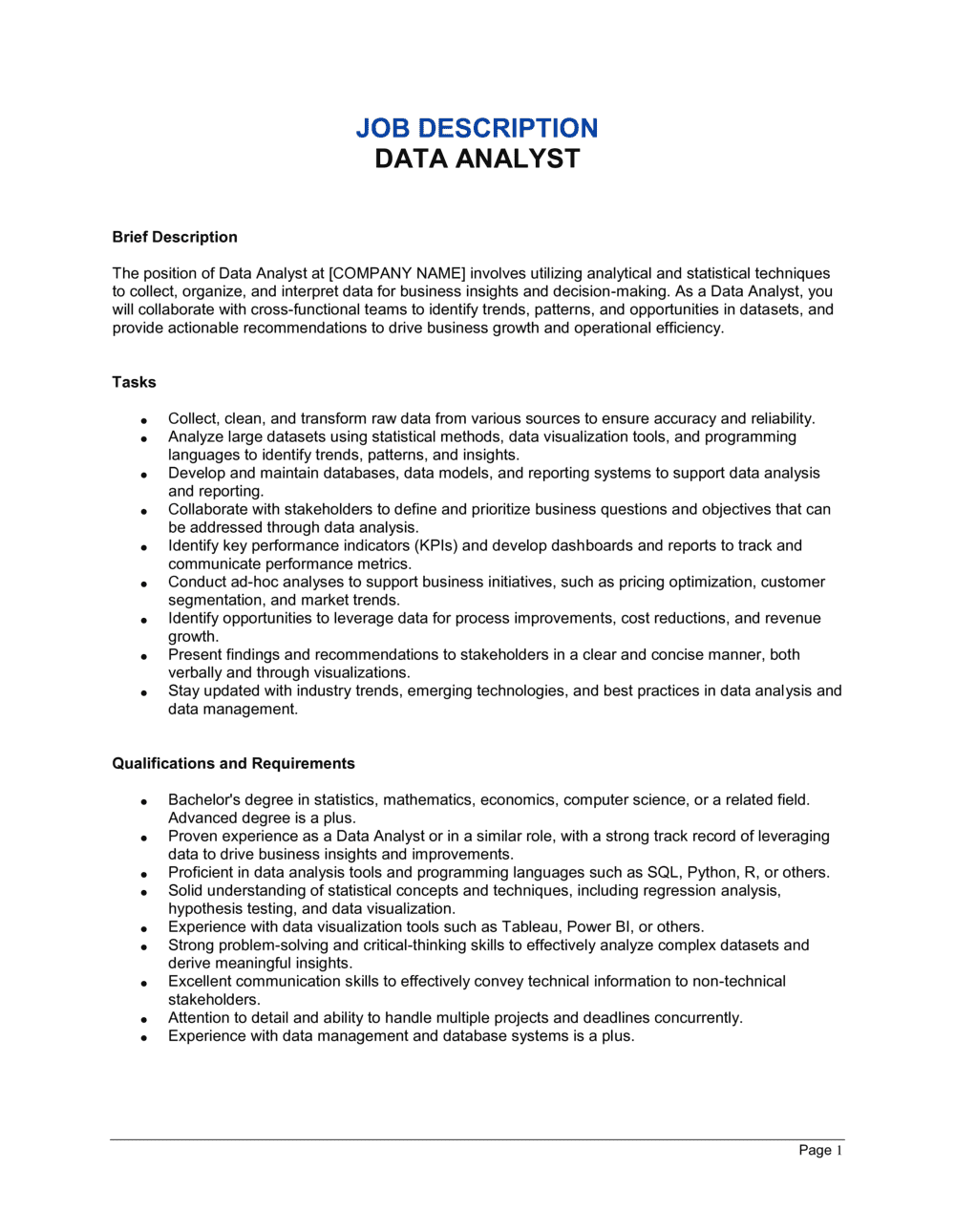
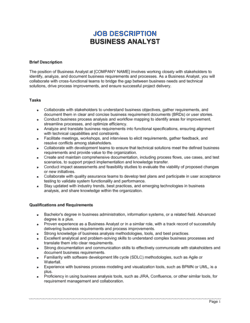
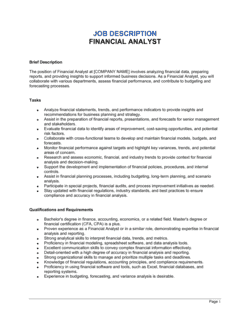
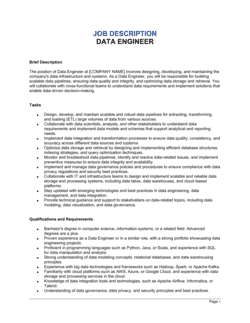
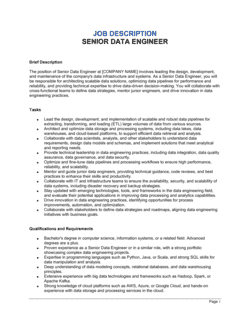
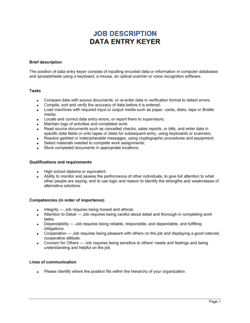
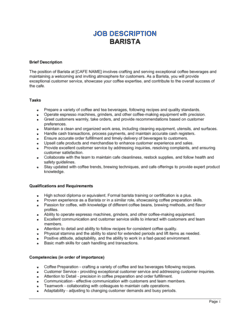
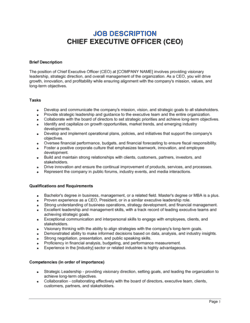
- Job Description
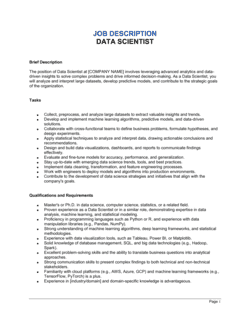
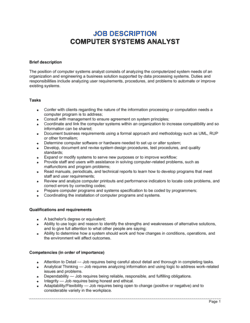
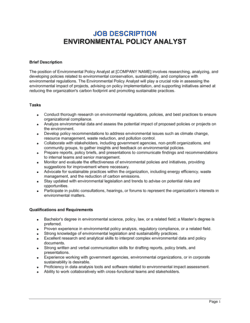
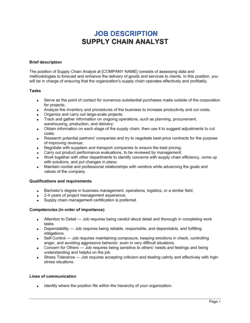
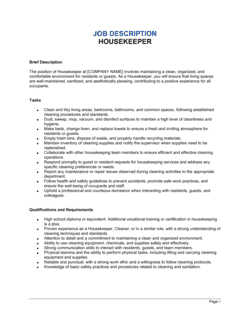
- A formal document that specifies the duties, qualifications, and conditions of a role — used for recruiting, performance management, and legal compliance.
- FLSA Classification
- The US Fair Labor Standards Act designation of a role as exempt or non-exempt, which determines whether overtime pay applies.
- KPI (Key Performance Indicator)
- A measurable value used to evaluate how effectively an employee or team is meeting defined objectives.
- Reporting Structure
- The defined chain of authority showing who the role reports to and which teams or individuals, if any, report to the role holder.
- EEOC Compliance
- Adherence to US Equal Employment Opportunity Commission requirements that job postings and hiring practices do not discriminate on the basis of protected characteristics.
- Exempt Employee
- An employee classified under the FLSA as not entitled to overtime pay, typically because they meet salary and duties tests for executive, administrative, or professional roles.
- At-Will Employment
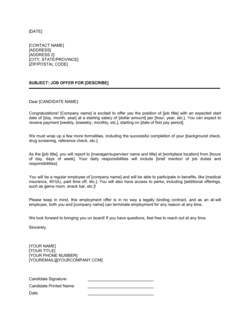
- An employment arrangement, common in most US states, where either party may end the relationship at any time for any lawful reason without advance notice.
- Bona Fide Occupational Requirement
- A qualification or condition that is genuinely necessary to perform a role's essential duties, allowing it to be included in a job description without constituting unlawful discrimination.
- Essential Functions
- The core tasks a role exists to perform — under the ADA and equivalent legislation, these must be distinguished from marginal duties when assessing accommodation requests.
- Compensation Band
- The defined salary range for a role level, bounded by a minimum and maximum, used to ensure pay equity and guide offer negotiations.
- Probationary Period
- A defined initial employment period — typically 30 to 90 days — during which performance is evaluated before confirming the permanent hire.