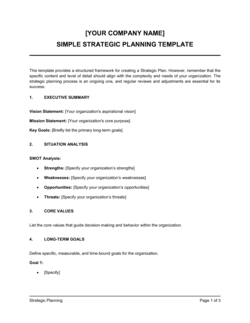
Copying Services Business Plan Template

Free Word download β€’ Edit online β€’ Save & share with Drive β€’ Export to PDF

34 pagesβ€’2h 50m – 3h 50m to fillβ€’Difficulty: Expert
Learn more ↓
FreeCopying Services Business Plan Template

At a glance

What it is
A Copying Services Business Plan is a structured planning document that outlines how a copy center, print shop, or document services business will operate, compete, and generate profit. This free Word download gives you a ready-to-edit framework covering market positioning, equipment investment, pricing, staffing, and 3-year financial projections β€” exportable as PDF for lenders, investors, or internal use.
When you need it
Use it when launching a new copy or print center, applying for a small business loan to purchase equipment, or formalizing the strategy for an existing document services operation. It is also required by many franchise agreements and commercial lease applications.
What's inside
Executive summary, company overview, market and competitive analysis, services and pricing structure, marketing and sales strategy, operations plan covering equipment and workflow, management team, and three-year financial projections including startup costs, P&L, and cash flow.

What is a Copying Services Business Plan?

A Copying Services Business Plan is a structured operational and financial document that maps every key dimension of a copy center or document services business β€” equipment investment, service pricing, local market demand, competitive positioning, staffing, and three-year financial projections. It functions as both the internal operating roadmap for the owner-operator and the external document required by banks, SBA lenders, and franchisors before approving funding or territorial rights. Unlike a generic business plan, it includes copying-industry-specific modeling such as cost-per-copy calculations, click-charge analysis, equipment lease versus purchase trade-offs, and B2B account development strategy.

Why You Need This Document

Without a written business plan, a copying services startup faces three immediate obstacles: lenders will not process equipment financing requests without documented revenue projections and a use-of-funds breakdown; franchisors will not approve a territory without proof that the applicant has analyzed the local market and can sustain the operation financially; and the owner-operator has no pricing discipline framework, which is the single most common cause of margin collapse in the first year. A copy center that sets prices by matching a competitor rather than calculating its own cost per copy can lose money on every transaction while revenue grows. This template gives you the structure to work through all of these decisions before the lease is signed and the equipment is ordered β€” turning preventable mistakes into deliberate choices.

Which variant fits your situation?

If your situation is…Use this template
Opening a full-service retail copy and print shopCopying Services Business Plan
Launching a general printing and graphics businessPrinting Company Business Plan
Starting a broader office services or business centerOffice Services Business Plan
Planning a quick internal one-page strategy overviewOne-Page Business Plan
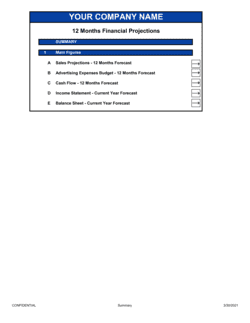
Applying for a bank loan with detailed financial projectionsFinancial Projections (12 Months)
Expanding an existing copy center to a second locationBusiness Expansion Plan
Adding graphic design and marketing services to the offeringMarketing Agency Business Plan

Common mistakes to avoid

❌ Projecting full-capacity revenue from day one

Why it matters: A new copy center realistically operates at 20–35% of machine capacity in the first 90 days. Overstating early revenue makes the cash flow statement unreliable and triggers lender skepticism.

Fix: Build a monthly volume ramp starting at 20–25% of capacity and increasing 5–10 percentage points per month. Tie each step to a specific marketing or B2B account milestone.

❌ Setting prices by matching competitors without calculating own costs

Why it matters: If your equipment lease and click charges are higher than a competitor's, matching their posted price means selling below cost on every copy β€” a guaranteed path to insolvency.

Fix: Calculate your fully loaded cost per copy before approaching any competitor's price. Build your pricing from the cost up, targeting at least a 50% gross margin on commodity copying.

❌ Ignoring the B2B account development strategy

Why it matters: Walk-in retail traffic is unpredictable and seasonal. Without recurring B2B accounts, revenue volatility makes loan repayment and payroll difficult to sustain in slow months.

Fix: Name at least ten target B2B accounts in the marketing section and include a concrete Month 1 outreach plan β€” direct visits, introductory pricing, and net-30 account terms.

❌ Underestimating working capital needs

Why it matters: Paper and toner must be purchased before revenue is collected, and a lease deposit plus first/last month's rent can consume $15,000–$30,000 before the doors open. Running out of working capital at Month 3 forces emergency borrowing at unfavorable rates.

Fix: Include a working capital reserve equal to at least two to three months of fixed operating costs in the funding request, and model it explicitly in the use-of-funds allocation.

The 10 key sections, explained

Executive Summary

Company Overview

Market Analysis

Competitive Analysis

Services and Pricing Structure

Marketing and Sales Strategy

Operations Plan

Management Team

Financial Projections

Funding Requirements and Use of Funds

How to fill it out

  1. 1

    Complete the company overview first

    Enter your business name, legal structure, owner names, and the specific services your location will offer. Listing services explicitly here constrains and focuses every downstream section.

    πŸ’‘ Confirm your equipment selection before finalizing the services list β€” your machine's speed, color capability, and maximum paper size determine what you can actually offer.

  2. 2

    Research local demand and competitors

    Count the businesses, schools, and government offices within a one-to-two-mile radius of your planned location. Visit or call at least three competing copy centers to record their pricing and hours.

    πŸ’‘ Google Maps reviews of competitors are a fast source of customer complaints β€” they reveal unmet demand you can turn into a differentiator.

  3. 3

    Calculate your cost per copy before setting prices

    Get written quotes from at least two copier vendors for both lease and purchase options. Calculate your fully loaded cost per copy including click charge, paper, and labor, then set prices that generate a minimum 50% gross margin.

    πŸ’‘ Ask vendors for the monthly minimum click volume in the lease contract β€” falling below that minimum triggers overage fees that can wipe out your margin.

  4. 4

    Define your B2B account targets

    Identify ten to fifteen nearby businesses β€” law offices, real estate agencies, medical practices β€” that generate recurring copy volume. Name them in the marketing section and note your outreach plan for Month 1.

    πŸ’‘ Offer a net-30 account with volume pricing to your first five B2B customers β€” locking in recurring revenue before opening dramatically reduces the risk of a slow launch.

  5. 5

    Build the operations plan around your equipment specs

    Enter the machine make, model, speed in pages per minute, and lease or purchase terms. Then calculate daily and monthly capacity and confirm your staffing plan can handle peak volume without a backlog.

    πŸ’‘ Plan for at least one backup supplier for paper and toner β€” a single-supplier dependency that fails during a rush period costs you customers permanently.

  6. 6

    Build financial projections from unit economics up

    Start with a realistic monthly copy volume ramp: 25% of capacity in Month 1, growing to 60–70% by Month 12. Multiply volume by average revenue per copy, subtract variable costs, then layer in fixed costs to arrive at monthly net income.

    πŸ’‘ Model a downside scenario at 60% of your base-case volume. If the business is still viable at that level, your plan is fundable.

  7. 7

    Write the executive summary last

    Pull the key numbers from each completed section β€” total investment, breakeven month, Year 1 revenue, and your primary competitive advantage β€” and compress them into one to two pages.

    πŸ’‘ A lender's first read is the executive summary and the cash flow statement. If those two sections are clear and internally consistent, the full plan gets serious attention.

  8. 8

    Validate the funding request against use-of-funds detail

    Confirm that the total funding ask equals the sum of all startup cost line items, with at least two to three months of operating expenses held as a working capital reserve.

    πŸ’‘ Underestimating working capital is the most common reason a copy center runs into cash flow trouble in Month 3 or 4, even when revenue is growing.

Frequently asked questions

What is a copying services business plan?

A copying services business plan is a structured document that defines how a copy center or print shop will operate, attract customers, price its services, and generate profit. It covers market analysis, equipment investment, staffing, pricing, and financial projections β€” and is used to secure financing, satisfy franchisor requirements, or guide day-to-day operations.

How much does it cost to start a copy center?

Startup costs for a basic copy center typically range from $30,000 to $150,000, depending on location size, equipment choice, and leasehold improvements. The largest single cost is usually the commercial copier β€” either a lease deposit plus click charges or a full purchase price of $15,000–$80,000 for a production-grade machine. A detailed use-of-funds section in your business plan should break this down line by line for any lender.

What services should a copy center offer?

A standard copy center typically offers black-and-white and color copying, document scanning, binding (spiral, comb, and thermal), laminating, large-format printing, and fax services. Value-added services like business card printing, notary, and graphic design increase average revenue per customer visit and improve overall margins.

How do I price copying services?

Start by calculating your fully loaded cost per copy β€” equipment lease or depreciation, click charge, paper, and allocated labor β€” then set prices that achieve at least a 50% gross margin. Black-and-white copies typically range from $0.05 to $0.15 per page at retail; color copies from $0.25 to $0.75. Volume discount tiers for orders over 100 or 500 pages help attract and retain B2B accounts.

Do I need a business plan to get a loan for a copy center?

Yes β€” most lenders, including SBA 7(a) lenders and community banks, require a written business plan that includes a market analysis, equipment list, and at least 12 months of financial projections. Equipment financing specifically requires the plan to demonstrate that projected revenue is sufficient to service the debt at the proposed repayment schedule.

What makes a copy center business profitable?

Profitability in copying services depends on three levers: volume (copies per month relative to fixed lease and labor costs), pricing discipline (maintaining margin on commodity copies while upselling higher-margin value-added services), and B2B account retention (recurring corporate accounts generate predictable revenue that offsets slow walk-in periods). Breakeven for a typical small copy center falls between 15,000 and 40,000 copies per month.

What equipment do I need to open a copy center?

At minimum, a mid- to high-volume digital copier with color capability (40–90 pages per minute), a large-format printer for posters and banners, a document scanner with sheet-feed capability, a binding machine, and a laminator. Equipment can be leased or purchased; leasing preserves capital but adds click charges that increase your cost per copy.

How long does it take to write a copying services business plan?

Using a structured template, most founders complete a copying services business plan in one to two weeks. The financial model β€” startup costs, monthly P&L, and cash flow β€” typically takes the longest, often eight to fifteen hours if built from scratch. Researching local competitors and gathering equipment quotes adds another two to four hours but produces the evidence lenders scrutinize most closely.

Can a copying services business compete with FedEx Office and Staples?

Yes β€” independent copy centers compete effectively by offering lower prices, faster turnaround, personalized service, and extended or more convenient hours than national chains. Proximity to offices, courthouses, universities, or medical facilities creates a location advantage that a national chain cannot replicate. Your business plan should identify the specific gaps in local chain service that you will close.

How this compares to alternatives

vs General Business Plan

A general business plan template covers universal strategy and financial planning but lacks copying-industry-specific sections like cost-per-copy modeling, click-charge analysis, and equipment lease vs. purchase trade-offs. A copying services business plan includes these purpose-built sections, saving significant customization time and reducing the risk of missing lender expectations for this equipment-intensive business type.

vs Printing Company Business Plan

A printing company business plan focuses on offset or digital print production β€” design-to-press workflows, bindery equipment, and commercial print clients. A copying services plan centers on high-volume document reproduction, retail walk-in traffic, and B2B account management. Copy centers and print shops share some equipment but serve different customer needs and operate on different margin structures.

vs Financial Projections (12 Months)

A standalone financial projections template covers the numbers only β€” revenue, expenses, and cash flow. A full copying services business plan contextualizes those projections with market analysis, equipment rationale, and competitive positioning. Lenders require both the narrative and the financials; the business plan is the document that houses them together.

vs Marketing Plan

A marketing plan details customer acquisition channels and campaign tactics in depth but does not address equipment investment, pricing economics, or operational workflow. A copying services business plan includes a marketing strategy section alongside operations, financials, and competitive analysis β€” making it the complete document for a loan application or franchise approval.

Industry-specific considerations

Legal Services

Law firms generate high recurring copy volume for filings, discovery documents, and client packets β€” making them the highest-value B2B account category for a nearby copy center.

Education

Universities and community colleges drive seasonal peak demand for course packets, thesis binding, and exam materials, requiring flexible capacity planning in the operations section.

Healthcare

Medical practices and clinics need HIPAA-compliant document handling, secure scanning, and regular patient records copying β€” a differentiator worth calling out explicitly in the services section.

Government and Public Sector

Municipal offices and government contractors require large-volume copying on vendor-approved accounts, often with net-30 billing and formal procurement processes the business plan should acknowledge.

Template vs pro β€” what fits your needs?

PathBest forCostTime
Use the templateNew copy center owners, franchise applicants, and SBA loan applicants needing a structured plan without a consultantFree1–2 weeks (15–30 hours)
Template + professional reviewFirst-time business owners seeking a financial model review before submitting to a lender or franchisor$300–$1,000 for an accountant or SCORE advisor review2–3 weeks
Custom draftedMulti-location copy center chains, investor-backed launches, or franchise development deals requiring a professional-grade document$2,000–$6,000 for a business plan writer with print industry experience3–6 weeks

Glossary

Cost per Copy (CPC)
The total consumable and equipment cost β€” toner, paper, maintenance β€” divided by the number of copies produced in a given period.
Click Charge
A per-impression fee charged by copier manufacturers or leasing companies that covers toner and maintenance on leased equipment.
Managed Print Services (MPS)
A contract arrangement where a vendor manages all printing and copying infrastructure for a client, including supplies and repairs, for a flat monthly fee.
Run Rate
The projected annual revenue or volume extrapolated from a shorter recent period β€” used to estimate steady-state business performance.
Breakeven Volume
The number of copies or jobs per month at which total revenue equals total fixed and variable costs, generating zero profit or loss.
Value-Added Services
Higher-margin offerings beyond basic copying β€” such as binding, laminating, large-format printing, or scanning β€” that increase revenue per customer visit.
Gross Margin per Job
Revenue from a single print or copy job minus the direct material and labor cost to produce it, before overhead allocation.
Equipment Lease vs. Purchase
The choice between paying a monthly lease for a copier (lower upfront cost, click charges apply) versus buying outright (higher upfront cost, no click charges).
Throughput
The number of pages or jobs a copy center can complete in a defined period, determined by machine speed and staffing levels.
Service Area
The geographic radius or customer segment a copy center primarily targets β€” often defined by proximity to offices, universities, or government buildings.

Part of your Business Operating System

This document is one of 3,000+ business & legal templates included in Business in a Box.

  • Fill-in-the-blanks β€” ready in minutes
  • 100% customizable Word document
  • Compatible with all office suites
  • Export to PDF and share electronically

Create your document in 3 simple steps.

From template to signed document β€” all inside one Business Operating System.
1
Download or open template

Access over 3,000+ business and legal templates for any business task, project or initiative.

2
Edit and fill in the blanks with AI

Customize your ready-made business document template and save it in the cloud.

3
Save, Share, Send, Sign

Share your files and folders with your team. Create a space of seamless collaboration.

Save time, save money, and create top-quality documents.

β˜…β˜…β˜…β˜…β˜…

"Fantastic value! I'm not sure how I'd do without it. It's worth its weight in gold and paid back for itself many times."

Managing Director Β· Mall Farm
Robert Whalley
Managing Director, Mall Farm Proprietary Limited
β˜…β˜…β˜…β˜…β˜…

"I have been using Business in a Box for years. It has been the most useful source of templates I have encountered. I recommend it to anyone."

Business Owner Β· 4+ years
Dr Michael John Freestone
Business Owner
β˜…β˜…β˜…β˜…β˜…

"It has been a life saver so many times I have lost count. Business in a Box has saved me so much time and as you know, time is money."

Owner Β· Upstate Web
David G. Moore Jr.
Owner, Upstate Web

Run your business with a system β€” not scattered tools

Stop downloading documents. Start operating with clarity. Business in a Box gives you the Business Operating System used by over 250,000 companies worldwide to structure, run, and grow their business.

Free Forever PlanΒ Β·Β No credit card required