- Compliance Program
- A structured set of internal policies, controls, and procedures designed to ensure an organization meets its legal, regulatory, and ethical obligations.
- Regulatory Obligations
- Specific requirements imposed on a business by law, regulation, or regulatory body — such as data protection rules, anti-money-laundering statutes, or workplace safety standards.
- Risk Assessment
- A systematic process of identifying compliance risks, evaluating their likelihood and potential impact, and prioritizing controls to mitigate them.
- Internal Controls
- Policies, procedures, and processes a company uses to prevent, detect, and correct compliance failures before they cause regulatory or legal harm.
- Corrective Action Plan
- A documented response to a compliance breach or control failure that identifies root cause, remediation steps, responsible parties, and a timeline for resolution.
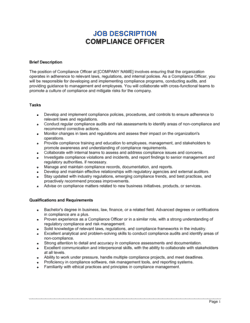
- Compliance Officer
- The designated individual responsible for overseeing a company's compliance program, reporting obligations, training, and regulatory relationships.
- Monitoring and Auditing
- Ongoing and periodic reviews of business activities against compliance requirements — monitoring is continuous; auditing is a structured point-in-time evaluation.
- Whistleblower Protection
- Legal and policy safeguards that protect employees who report compliance violations or misconduct from retaliation by their employer.
- Material Breach
- A significant violation of a compliance obligation that triggers regulatory penalties, mandatory reporting, or legal liability — as opposed to a minor procedural lapse.
- Record Retention Policy
- A documented rule specifying how long compliance records — training logs, audit reports, incident reports — must be retained before lawful disposal.
- Third-Party Due Diligence
- The process of assessing a vendor, partner, or supplier's compliance posture before entering into a business relationship to reduce inherited regulatory risk.