1
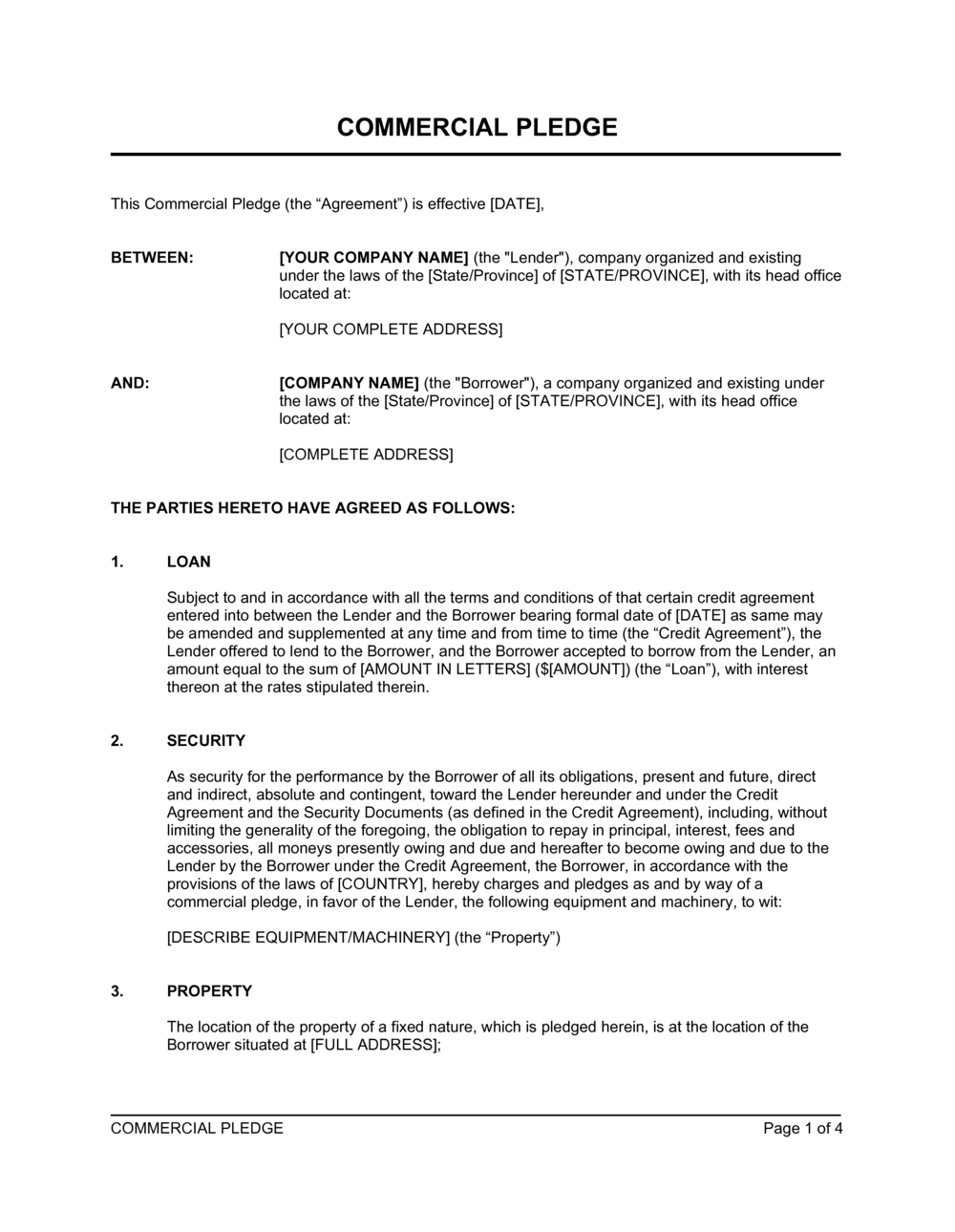
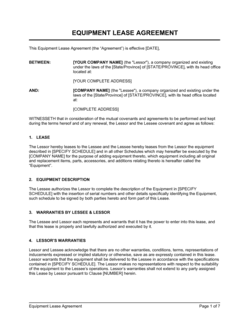
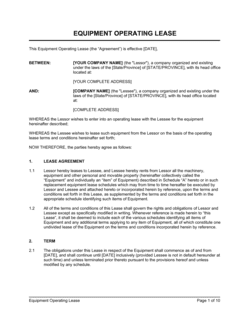
Enter the full legal names and entity details of both parties
Use the registered corporate or trade name exactly as it appears in the relevant business registry. Include the entity type (LLC, corporation, partnership) and jurisdiction of formation for both pledgor and pledgee.
💡 Search the secretary of state or corporate registry before signing to confirm the pledgor's exact legal name — a mismatch between the agreement and the lien filing can render the security interest unperfected.
2
Identify each piece of equipment with precision
List every asset being pledged with its make, model, year of manufacture, serial number, and current physical address. Attach a separate Schedule A if there are more than three items.
💡 Photograph each asset and attach the images to the executed agreement. Visual evidence of the collateral's condition at signing protects both parties in a later dispute.
3
Define the secured obligations completely
State the total principal amount, the applicable interest rate, any fees, and whether the pledge covers future advances under the same facility. Reference the underlying loan agreement by date and parties.
💡 If the facility allows multiple draws, include explicit future-advance language — otherwise only the initial disbursement may be secured.
4
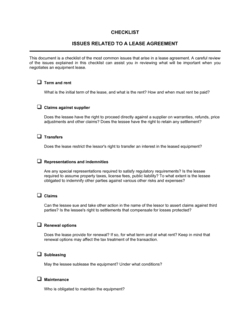
Set the pledgor's maintenance and insurance covenants
Specify the minimum insurance coverage amount, confirm that the lender must be named as loss payee, and set the inspection notice period the pledgor must honor.
💡 Require the pledgor to deliver a certificate of insurance naming the pledgee as loss payee within five business days of signing — do not wait until the first annual renewal.
5
List default events relevant to the transaction
Include at minimum: payment default with a cure period, insolvency or bankruptcy filing, sale or transfer of the equipment without consent, and material damage not covered by insurance.
💡 Add a cross-default clause if the pledgor has other loan agreements with the same lender — a default on one facility should trigger a default on all.
6
Confirm the governing law matches the equipment's location
Select the jurisdiction where the equipment is physically located as the governing law. This ensures that lien registry filings under UCC, PPSA, or local equivalents are made in the correct office.
💡 If equipment is spread across multiple states or provinces, note each location and confirm with counsel whether separate filings are required in each jurisdiction.
7
Execute and file the lien registration
Both parties sign the agreement, and the pledgee immediately files a UCC-1 financing statement (US), PPSA financing statement (Canada), or equivalent local registration to perfect the security interest.
💡 File the financing statement before or on the same day as the first loan disbursement — priority among competing creditors is determined by the date and time of filing, not the date of the agreement.
8
Calendar the release obligation
Once the secured obligation is paid in full, the pledgee must file a lien termination within the timeframe specified in the agreement. Set a calendar reminder at the payoff date.
💡 In most US states, failure to file a UCC termination within 20 days of a written demand after payoff exposes the secured party to $500 in statutory damages plus actual losses.