Checklist Action to Improve Collection of Accounts

Free download β€’ Use as a template β€’ Print or share

1 pageβ€’15–25 min to useβ€’Difficulty: Standard
Learn more ↓
FreeChecklist Action to Improve Collection of Accounts Template

At a glance

What it is
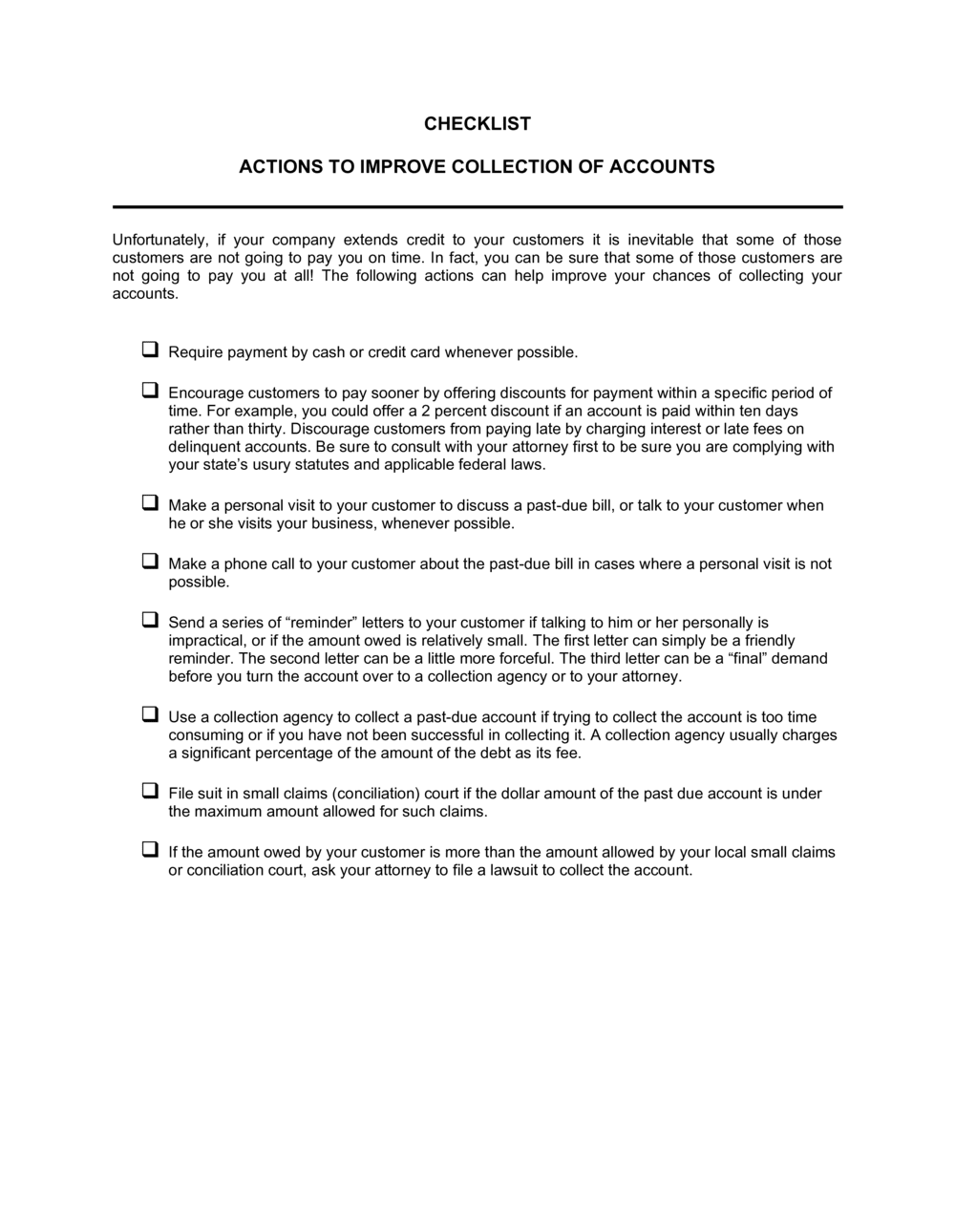
A Checklist Action To Improve Collection of Accounts is a structured operational form that guides credit and collections staff through every step needed to recover outstanding receivables β€” from first reminder to final escalation. This free Word download gives you a ready-to-use checklist you can edit online and export as PDF to standardize how your team pursues overdue invoices.
When you need it
Use it whenever your accounts receivable aging report shows invoices past their due date, or when you need to establish a consistent, repeatable collections process across your billing team. It is especially useful when onboarding new staff responsible for following up on unpaid accounts.
What's inside
Customer and invoice identification fields, aging bucket classification, contact log entries with dates and outcomes, escalation trigger checkboxes, dispute resolution notes, and final action status β€” all organized in a logical follow-up sequence so nothing falls through the cracks.

What is a Checklist Action To Improve Collection of Accounts?

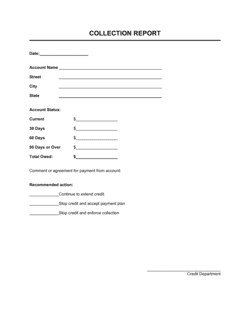
A Checklist Action To Improve Collection of Accounts is a structured operational form that guides billing and collections staff through every step required to recover outstanding receivables β€” from the first payment reminder through dispute resolution, credit holds, and final escalation. It captures customer and invoice details, logs every contact attempt and its outcome, records promises to pay, and tracks escalation actions in a single document. Unlike a simple aging report that shows what is owed, this checklist records everything your team has done to collect it, creating an auditable activity trail for each overdue account.

Why You Need This Document

Without a standardized collection checklist, follow-up activity depends entirely on individual memory and habit β€” overdue accounts stall when a staff member is out, promises to pay go untracked, and escalation decisions are made inconsistently across the team. The practical cost is measurable: every additional day an invoice sits unpaid reduces cash available to cover payroll, supplier payments, and operating expenses. Businesses without a structured collections process typically carry 15–25% more in aged receivables than those with one. This checklist closes that gap by ensuring every overdue invoice receives the same documented sequence of follow-up steps, so nothing is overlooked, handoffs between team members are seamless, and you have the written activity record needed if an account ever requires legal action or a tax write-off.

Which variant fits your situation?

If your situation is…Use this template
Tracking all open invoices across the full AR portfolioAccounts Receivable Aging Report
Sending the first formal payment reminder to a customerPayment Reminder Letter
Escalating a seriously overdue account to a demand for paymentDemand Letter for Payment
Recording all customer credit terms and limits in one placeCredit Application Form
Documenting an agreed payment plan with a delinquent customerPayment Plan Agreement
Writing off an uncollectable balance at year endBad Debt Write-Off Form

Common mistakes to avoid

❌ Treating all overdue invoices with identical urgency

Why it matters: A 10-day overdue invoice from a long-standing customer almost always has a different cause β€” and a different fix β€” than a 90-day balance from a new account. Applying the same tone and tactics to both wastes goodwill and time.

Fix: Use the aging bucket classification to set the contact tone and escalation pace: polite email reminders for 1–30 days, direct phone calls for 31–60, formal letters for 61–90, and escalation protocols for 90+.

❌ No written log of contact attempts

Why it matters: Without a documented contact history, your business cannot prove the steps it took to collect β€” weakening your position if the account goes to a collections agency or small claims court.

Fix: Record every contact attempt in the follow-up log, including failed attempts, with date, channel, and staff name. Email correspondence should be saved with the checklist.

❌ Continuing to pursue payment while a dispute is open

Why it matters: Calling a customer repeatedly to demand payment on an invoice they have formally disputed damages the relationship and can be characterized as harassment in some jurisdictions.

Fix: Flag the dispute in the checklist, pause dunning activity, and assign the dispute to the appropriate internal owner (sales, billing, or operations) for resolution before resuming collection calls.

❌ Never closing resolved accounts in the checklist

Why it matters: An AR checklist with no closed statuses quickly becomes a list no one trusts. Active accounts get buried under resolved ones, and the team wastes time re-investigating accounts that are already paid.

Fix: As soon as payment clears or a final disposition is reached, mark the final status field, date it, and move the checklist to the archive. Review the active queue weekly to close any stragglers.

The 9 key fields, explained

Customer and Account Identification

Invoice Reference and Amount

Aging Bucket Classification

First Contact Attempt

Follow-Up Contact Log

Dispute Identification and Notes

Promise to Pay Record

Escalation Triggers and Actions

Final Account Status

How to fill it out

  1. 1

    Pull your AR aging report and identify overdue accounts

    Run your accounts receivable aging report and list every invoice that is past its due date. Enter the customer name, account number, invoice number, original due date, and outstanding balance into the checklist for each account.

    πŸ’‘ Start with your 61–90 day bucket first β€” these accounts need faster action than newer overdue invoices and are less likely to require legal escalation than 90+ day accounts.

  2. 2

    Classify each invoice into the correct aging bucket

    Calculate the number of days each invoice is past due and check the appropriate aging bucket. This classification determines which follow-up script or escalation path applies.

    πŸ’‘ Automate the day count in Excel with a formula β€” =TODAY()-[DUE DATE] β€” to avoid manual calculation errors when working a large portfolio.

  3. 3

    Confirm the correct accounts payable contact

    Before making the first contact attempt, verify you have the AP department's email and direct phone number β€” not just the original sales contact. Many payment delays happen because reminders go to the wrong person.

    πŸ’‘ A 30-second LinkedIn search or a call to the customer's main switchboard is faster than sending three follow-up emails to an inbox that nobody in AP monitors.

  4. 4

    Log each contact attempt with date and outcome

    Record the date, channel (email, phone, or mail), the staff member who made contact, and the precise outcome β€” whether a promise to pay was given, a dispute was raised, or there was no response.

    πŸ’‘ Use consistent outcome labels (e.g., 'PTP', 'Dispute', 'NR') so the log is scannable at a glance by any team member who takes over the account.

  5. 5

    Record and track any promise to pay

    When a customer commits to paying by a specific date, enter the promised date and amount in the PTP field. Set a calendar reminder to check whether payment arrived. If the PTP is broken, move immediately to the next escalation step.

    πŸ’‘ Two broken promises to pay in succession is a reliable signal that the account needs formal escalation β€” do not extend a third PTP without a supervisor review.

  6. 6

    Apply escalation steps in sequence

    Work through escalation checkboxes in order: supervisor review, formal demand letter, credit hold, collections agency referral, or legal action. Check each step as it is completed and record the date.

    πŸ’‘ Send the demand letter by traceable delivery (certified mail or email with read receipt) so you have documented proof of receipt if the account moves to legal action.

  7. 7

    Close the account with a final status

    Once an account is resolved β€” paid, written off, or referred out β€” mark the final status field and file the completed checklist. Remove the account from the active follow-up queue.

    πŸ’‘ Archive completed checklists by customer for at least three years. They provide the documented collection history needed if a write-off is ever challenged by an auditor.

Frequently asked questions

What is an accounts receivable collection checklist?

An accounts receivable collection checklist is a structured form that guides billing and collections staff through every step required to recover an overdue invoice β€” from the first polite reminder through escalation to a demand letter or collections agency referral. It standardizes the process so every overdue account receives consistent treatment regardless of which team member is handling it.

Why is a collections checklist better than a simple spreadsheet tracker?

A simple tracker records what is owed; a checklist records what has been done to collect it. The checklist captures contact attempts, dispute notes, promises to pay, and escalation steps in a single document β€” so any team member can pick up an account mid-process without losing context. It also creates the paper trail needed if the account proceeds to legal action or a write-off review.

When should I escalate an overdue account?

A standard escalation sequence moves an account to a formal demand letter after two unanswered contact attempts within the 31–60 day window, applies a credit hold at 61–90 days with no payment or agreed plan, and refers the account to a collections agency or legal counsel at 90+ days with no resolution. Specific thresholds should match your credit policy and the commercial value of the customer relationship.

How many follow-up attempts should I make before writing off an account?

Best practice for B2B collections is a minimum of five documented contact attempts β€” typically two emails, two phone calls, and one formal letter β€” before escalating to a third-party agency. Accounts above a material dollar threshold (often $1,000–$5,000 depending on your business size) warrant a legal demand letter before write-off. Your auditors will expect to see this documented activity if the write-off is material.

What should I do if a customer raises a dispute while I am collecting?

Stop all dunning activity immediately and log the dispute on the checklist. Route the dispute to the team member best positioned to resolve it β€” typically billing, sales, or operations depending on the nature of the claim. Only resume collection activity once the dispute is formally resolved and any corrected invoice is re-issued.

Does this checklist work for both B2B and B2C receivables?

Yes, though the escalation steps differ. B2B collections typically follow a formal dunning sequence with credit holds and legal demand letters. B2C collections are governed by consumer protection laws in most jurisdictions β€” including the US Fair Debt Collection Practices Act β€” which restrict contact frequency, hours, and language. Adapt the escalation section of the checklist to match the applicable rules for your customer type.

How does this checklist help reduce days sales outstanding (DSO)?

DSO falls when collection activity is faster and more consistent. A checklist forces prompt first contact, tracks broken promises to pay so escalation is not delayed, and ensures no account sits idle because a staff member forgot to follow up. Businesses that implement a structured collection process typically reduce DSO by 5–15 days within the first quarter of consistent use.

How long should I keep completed collection checklists?

Retain completed checklists for at least three years β€” the typical statute of limitations for breach of contract claims in most US states and Canadian provinces. Accounts referred to legal counsel or written off as bad debt should be kept for the full limitation period applicable in your jurisdiction, which can extend to six years in some common-law jurisdictions.

How this compares to alternatives

vs Accounts Receivable Aging Report

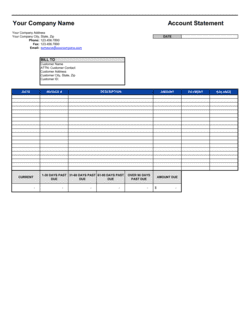
An AR aging report is a snapshot of what is owed and how long it has been outstanding β€” it identifies which accounts need attention. This collection checklist is the action document that records what you have done to collect each overdue account. The aging report tells you where to start; the checklist tracks everything that happens after.

vs Payment Reminder Letter

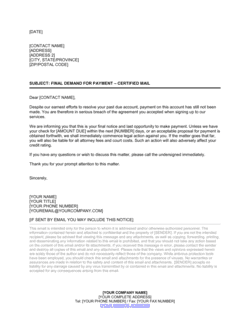
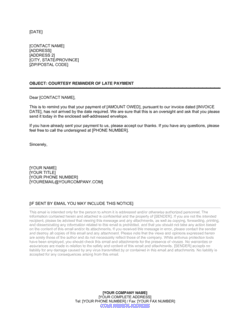
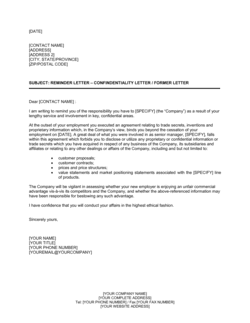
A payment reminder letter is a single communication sent to a customer requesting payment on a specific invoice. This checklist is the end-to-end process document that governs the full collection lifecycle β€” it includes reminder letters as one step among many, alongside dispute logging, escalation, and final status resolution.

vs Demand Letter for Payment

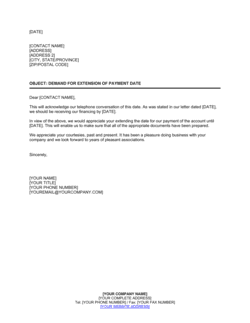
A demand letter is a formal, often legally significant notice sent as a late-stage escalation step. This checklist is the operational form that documents the entire collections process β€” including the point at which a demand letter is appropriate β€” and provides the activity log needed if the matter proceeds to litigation.

vs Payment Plan Agreement

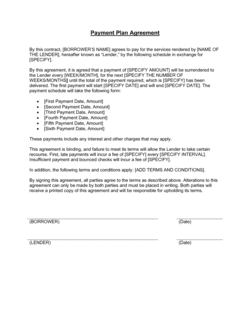
A payment plan agreement formalizes an arrangement for a customer to pay an overdue balance in installments. This checklist feeds into that document β€” the promise-to-pay and escalation fields identify when a payment plan is the right resolution, and the final status field records that the plan agreement has been executed.

Industry-specific considerations

Professional Services

Project milestone billing and retainer invoices frequently generate disputes over scope; the dispute-logging field is critical for law firms, consultancies, and agencies tracking billable work.

Wholesale and Distribution

High invoice volumes and thin margins make DSO reduction a direct profitability lever; aging bucket classification helps prioritize large-balance accounts in a high-volume portfolio.

Construction and Contracting

Retainage and progress billing create complex AR patterns; the checklist helps track partial payments and lien-waiver milestones alongside standard dunning steps.

Healthcare and Medical Billing

Insurance reimbursement timelines and patient billing require separate collection tracks; the escalation and dispute fields map cleanly to payer denial and appeal workflows.

Template vs pro β€” what fits your needs?

PathBest forCostTime
Use the templateSmall to mid-sized businesses managing AR collections without dedicated collections softwareFree5 minutes per account to complete
Template + professional reviewBusinesses standardizing a new collections policy or training a team on consistent follow-up procedures$100–$300 for an accountant or AR specialist to review the escalation workflow1–2 hours
Custom draftedEnterprises integrating collections workflows into ERP or CRM systems with custom escalation rules and automated triggers$500–$2,000+ for a systems consultant or AR process specialist1–2 weeks

Glossary

Accounts Receivable (AR)
Money owed to a business by customers for goods or services already delivered but not yet paid for.
Aging Report
A report that groups outstanding invoices by how long they have been unpaid β€” typically 0–30, 31–60, 61–90, and 90+ days.
Days Sales Outstanding (DSO)
The average number of days it takes a business to collect payment after a sale is made β€” a key measure of AR health.
Dunning
The process of systematically contacting customers to collect overdue payments, usually through a sequence of escalating reminders.
Delinquent Account
A customer account with one or more invoices unpaid beyond the agreed payment due date.
Payment Terms
The agreed conditions under which a buyer must pay a seller β€” for example, Net 30 means full payment is due 30 days after the invoice date.
Escalation
The step in a collections process where an unresolved account is passed to a higher authority β€” a manager, attorney, or collections agency.
Dispute
A customer's formal objection to an invoice, claiming an error in amount, delivery, or terms that must be resolved before payment is made.
Bad Debt
An outstanding receivable that is deemed uncollectable and written off as a loss on the company's financial statements.
Promise to Pay (PTP)
A verbal or written commitment from a customer to pay a specific amount by a specific date, recorded during a collections call.

Part of your Business Operating System

This document is one of 3,000+ business & legal templates included in Business in a Box.

  • Fill-in-the-blanks β€” ready in minutes
  • 100% customizable Word document
  • Compatible with all office suites
  • Export to PDF and share electronically

Create your document in 3 simple steps.

From template to signed document β€” all inside one Business Operating System.
1
Download or open template

Access over 3,000+ business and legal templates for any business task, project or initiative.

2
Edit and fill in the blanks with AI

Customize your ready-made business document template and save it in the cloud.

3
Save, Share, Send, Sign

Share your files and folders with your team. Create a space of seamless collaboration.

Save time, save money, and create top-quality documents.

β˜…β˜…β˜…β˜…β˜…

"Fantastic value! I'm not sure how I'd do without it. It's worth its weight in gold and paid back for itself many times."

Managing Director Β· Mall Farm
Robert Whalley
Managing Director, Mall Farm Proprietary Limited
β˜…β˜…β˜…β˜…β˜…

"I have been using Business in a Box for years. It has been the most useful source of templates I have encountered. I recommend it to anyone."

Business Owner Β· 4+ years
Dr Michael John Freestone
Business Owner
β˜…β˜…β˜…β˜…β˜…

"It has been a life saver so many times I have lost count. Business in a Box has saved me so much time and as you know, time is money."

Owner Β· Upstate Web
David G. Moore Jr.
Owner, Upstate Web

Run your business with a system β€” not scattered tools

Stop downloading documents. Start operating with clarity. Business in a Box gives you the Business Operating System used by over 250,000 companies worldwide to structure, run, and grow their business.

Free Forever PlanΒ Β·Β No credit card required